Foolproof Yorkshire Pudding (The Rise Is Non-Negotiable)
A classic British batter pudding with crispy, hollow sides and a dramatic, golden dome — made with whole wheat flour and aromatic herbs for added depth. We broke down the science of the rise so you never end up with flat, greasy discs again.
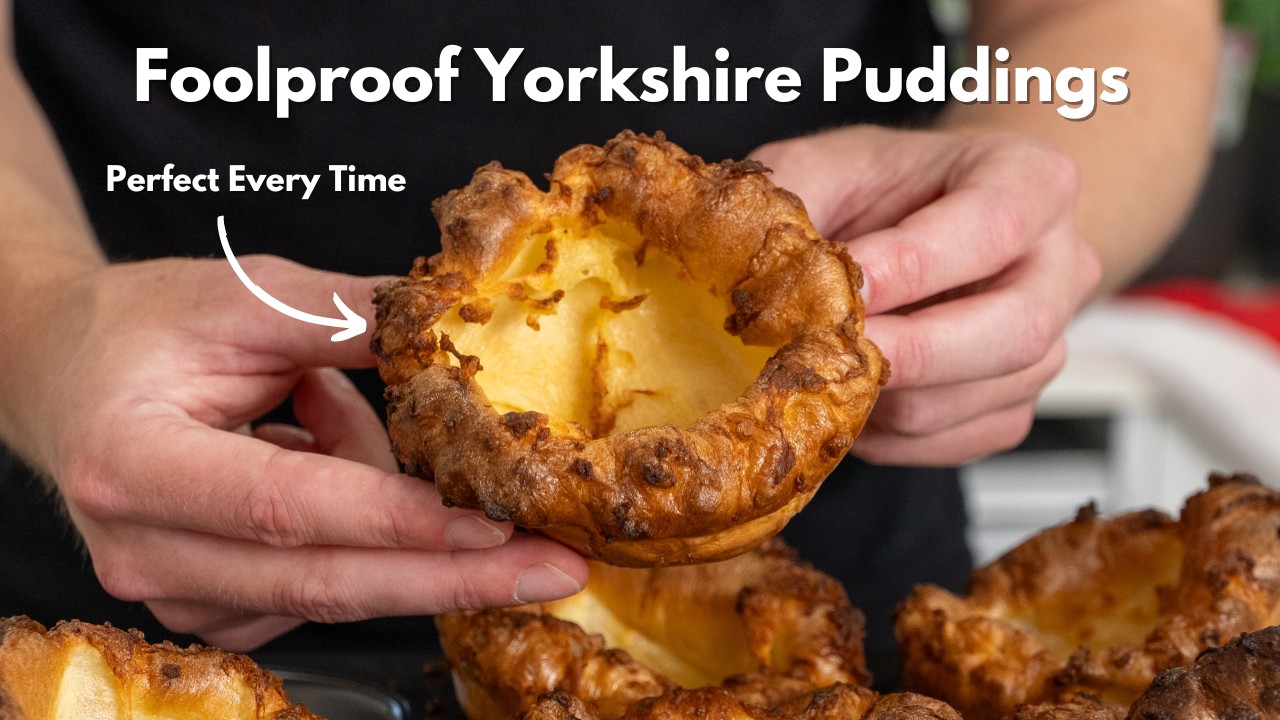
“Flat Yorkshire puddings are a failure of physics, not effort. The rise happens in the first three minutes of baking, when cold batter hits scorching fat and generates a violent burst of steam. If your tin isn't hot enough, you don't get steam — you get egg bread. We dug into every variable that determines whether your puddings tower gloriously or pancake into shame.”
Why This Recipe Works
Yorkshire pudding is a lesson in applied thermodynamics disguised as a side dish. The entire recipe — the resting, the preheating, the screaming-hot fat — exists to solve a single engineering problem: how do you take a thin, egg-based batter and make it climb three inches in 25 minutes? The answer is steam, and everything else is setup.
The Physics of the Rise
When cold batter hits fat that is at or near its smoke point, the liquid in the batter (milk, water, and egg moisture) flash-vaporizes into steam in under two seconds. That steam has nowhere to go but up. It inflates the batter like a balloon before the egg proteins have a chance to set, which is why the first three minutes of baking determine the entire outcome. If the fat is merely warm, the batter heats slowly, the proteins begin setting before the steam pressure builds, and the puddings never leave the bottom of the tin.
This is why the recipe is insistent about temperature in a way that most baking recipes are not. A muffin tin in a 425°F oven with 5 minutes of preheating is not a suggestion — it is the mechanism. Shortcut it and you shortcut the physics.
The Batter Architecture
The addition of whole wheat flour does something that plain all-purpose can't: it adds glutenin and gliadin proteins with a slightly coarser grind, which creates a batter that traps steam more aggressively during the early rise phase. The ratio matters, though. Above one-third whole wheat to total flour volume and the extra fiber begins interfering with gluten network formation — the structure weakens and the puddings flatten prematurely. At the one-third mark you get the nutty depth without the structural penalty.
Resting the batter is not optional. The flour needs 15 minutes of contact with liquid to fully hydrate — dry flour pockets in the batter create uneven pockets in the rise. The science is the same as resting crepe batter or pancake batter: give the starch granules time to swell and you get a more homogeneous structure that cooks evenly from edge to center.
The Aromatics Decision
Sautéed onion, garlic, and thyme in the batter is a departure from the strictly traditional recipe — the classical method uses only eggs, flour, milk, and fat. The case for adding aromatics is flavor complexity: plain Yorkshire pudding is a delivery vehicle for gravy, and aromatic additions give it standing as a dish in its own right. The case against is textural: raw aromatics release moisture during baking and can create soft spots in the batter wall.
Sautéing solves this. Cooking the onion until golden drives off most of its water content and converts its sharp sulfur compounds into sweet, Maillard-browned flavor. What enters the batter is concentrated flavor without structural-damaging moisture. The garlic and thyme add a savory herbal note that pairs particularly well with roast chicken and lamb, not just the traditional beef.
Serving Without Excuses
A Yorkshire pudding that has been sitting on a plate for four minutes is already a lesser version of itself. The structure depends on internal heat and steam pressure — both dissipate the moment the pudding leaves the oven. You have a window of roughly three minutes where the exterior is still crisp, the interior still steam-inflated, and the contrast between the two textures is at its peak.
This is not a dish you hold warm in a low oven. Plan your timing accordingly. Pull the puddings when the roast is resting, the gravy is done, and every other component of the meal is plated and ready. The oven thermometer that ensures your rise also ensures your timing. Know your oven, and the rest takes care of itself.
Where Beginners Mess This Up
Before we start, read this. These are the 4 reasons your foolproof yorkshire pudding (the rise is non-negotiable) will fail:
- 1
Cold or insufficiently hot fat: The fat must be shimmering and just beginning to smoke before the batter goes in. Lukewarm fat produces no initial steam burst — and without that burst, the proteins set before the batter has a chance to climb. Five minutes in a 425°F oven is the minimum. You should hear a violent sizzle the moment batter hits the tin.
- 2
Opening the oven door during baking: The puddings are structurally unstable during the first 15 minutes. The batter walls are climbing on steam pressure; the proteins haven't fully set. A drop in oven temperature from an open door collapses the structure mid-rise. Set a timer for 20 minutes and do not touch the door.
- 3
Skipping the batter rest: Resting the batter for at least 15 minutes allows the flour to fully hydrate and the gluten strands to relax. Unhydrated flour creates lumps and uneven structure. Rested batter rises more uniformly and produces a more open, hollow interior.
- 4
Using cold eggs or cold milk: Cold batter poured into hot fat creates a temperature shock that can cause uneven cooking and premature setting on the outside before the interior has risen. Room temperature eggs and milk produce a more consistent batter that rises evenly from edge to center.
The Video Reference Library
Want to see it in action? Here are the exact videos we analyzed and combined to build this foolproof recipe translation:
The source video demonstrating the full technique including the critical hot-fat step and batter consistency checks. Essential viewing for understanding exactly how the batter should look before it hits the tin.
🛠️ Core Equipment
- 12-cup muffin tin or heavy roasting tinIndividual muffin cups give you the tallest, most dramatic rise because the batter is constrained into a narrow column. A wide roasting tin produces a flatter, sharper-edged pudding more suited to slicing. Both work — the tin shape determines the final geometry.
- Wire whiskLumps in the batter are the enemy of a smooth, even rise. A whisk — not a blender, which incorporates too much air — gives you a thin, lump-free batter with the right amount of gluten development.
- Oven thermometerDomestic ovens run 25-50°F cooler than the dial suggests. A 425°F recipe baked at a true 375°F will not produce adequate steam. An oven thermometer is the single cheapest insurance policy against flat puddings.
Foolproof Yorkshire Pudding (The Rise Is Non-Negotiable)
🛒 Ingredients
- ✦1 cup all-purpose flour
- ✦1/3 cup whole wheat flour
- ✦1/2 teaspoon fine sea salt
- ✦1/4 teaspoon freshly ground black pepper
- ✦1/2 teaspoon English mustard powder
- ✦3 large eggs, room temperature
- ✦1 cup whole milk, room temperature
- ✦1/4 cup cold water
- ✦4 tablespoons beef dripping or vegetable oil, divided
- ✦2 tablespoons fresh thyme leaves, finely chopped
- ✦1 medium yellow onion, very finely minced
- ✦2 cloves garlic, minced
- ✦Cooking spray for the baking tin
👨🍳 Instructions
01Step 1
Whisk together the all-purpose flour, whole wheat flour, sea salt, black pepper, and mustard powder in a large mixing bowl until evenly combined.
02Step 2
Create a well in the center of the dry ingredients and crack all three eggs directly into it.
03Step 3
Add the whole milk and cold water to the eggs and whisk from the center outward, gradually pulling in flour from the sides until you have a smooth, thin batter with no visible lumps.
04Step 4
Let the batter rest at room temperature for 15 minutes to allow the flour to fully hydrate.
05Step 5
While the batter rests, position an oven rack to the middle shelf and preheat your oven to 425°F for at least 15 minutes.
06Step 6
Heat 1 tablespoon of beef dripping in a small skillet over medium-high heat and sauté the minced onion until soft and lightly golden, about 4 minutes. Add the garlic and thyme and stir for 1 minute until fragrant.
07Step 7
Fold the onion, garlic, and thyme mixture into the rested batter and stir gently to combine.
08Step 8
Place the muffin tin in the preheated oven and add the remaining 3 tablespoons of beef dripping. Heat for 5 minutes until the fat shimmers and just begins to smoke.
09Step 9
Carefully remove the hot tin from the oven. Working quickly, pour about 3 tablespoons of batter into each muffin cup. You should hear an aggressive sizzle immediately.
10Step 10
Return the tin to the oven at once and bake without opening the door for 20-25 minutes, until the puddings have risen dramatically and are deep golden brown.
11Step 11
Remove from the oven and rest for 2-3 minutes before serving. Expect slight deflation once out of the heat — this is normal.
12Step 12
Serve alongside roasted meats and vegetables with rich gravy for pouring inside.
Nutrition Per Serving
Estimates based on standard preparation. Adjustments alter macros.
🔄 Substitutions
Instead of Beef dripping...
Use Half beef dripping, half extra-virgin olive oil
Reduces saturated fat with minimal texture difference provided the ratio stays 50/50. Slightly lighter taste but still achieves proper crisping at 425°F.
Instead of Whole milk...
Use Unsweetened oat milk
Nearly identical rise and texture. Oat milk adds subtle earthiness and adds soluble fiber. Use the same quantity — do not reduce.
Instead of All-purpose flour...
Use 3/4 cup all-purpose flour plus 1/4 cup spelt flour
Marginally denser crumb with a nuttier, more complex flavor. Still rises well. Spelt adds B vitamins and minerals without disrupting gluten structure.
Instead of English mustard powder...
Use 1 teaspoon whole grain Dijon mixed with 1 tablespoon water
Richer, more pronounced mustard flavor. Fold the paste in with the wet ingredients. Produces a slightly more complex savory note than powdered.
🧊 Storage & Reheating
In the Fridge
Store in an airtight container for up to 2 days. They will soften significantly — the crispy exterior is a one-time event.
In the Freezer
Freeze fully cooled puddings in a single layer, then transfer to a freezer bag. Keeps for up to 2 months.
Reheating Rules
Reheat from frozen or refrigerated in a 400°F oven for 5-8 minutes directly on the rack (not a baking sheet) to restore some crispness. The microwave turns them rubbery — avoid entirely.
❓ Frequently Asked Questions
Why didn't my Yorkshire puddings rise?
Almost certainly a fat temperature problem. The fat must be at smoking point before the batter goes in — not warm, not shimmering, smoking. If you pulled the tin early, the batter steams slowly instead of getting an immediate violent lift. The second most common cause is opening the oven door before the 20-minute mark.
Can I make the batter ahead of time?
Yes — and it actually improves the result. Refrigerate the batter for up to 24 hours. The extended rest allows the flour to fully hydrate and the gluten to relax, producing a more even rise. Bring it back to room temperature for 30 minutes before using.
Why are my puddings crispy on the outside but doughy inside?
The oven temperature is too high or the batter cups are overfilled. High heat crisps the exterior before the steam can fully inflate the interior. Fill each muffin cup no more than halfway — the batter needs room to expand upward, not overflow outward.
Do I have to use beef dripping?
No, but it produces the best flavor and the hottest smoke point among common fats, which helps the rise. Vegetable oil and avocado oil both work well technically. Butter burns before reaching the required temperature — do not use butter.
Can I make one large Yorkshire pudding instead of individual ones?
Yes. Pour the batter into a 9-inch round or square roasting tin with hot fat and bake at 425°F for 25-30 minutes. The rise will be less dramatic and the texture slightly denser in the center, but the flavor is identical. Slice into wedges to serve.
Why do Yorkshire puddings deflate after coming out of the oven?
They are held up by steam pressure and the oven's sustained heat. Once you remove them, the steam escapes and the structure sinks slightly. This is normal and unavoidable. Serve immediately — every minute at room temperature accelerates the collapse.
The Science of
Foolproof Yorkshire Pudding (The Rise Is Non-Negotiable)
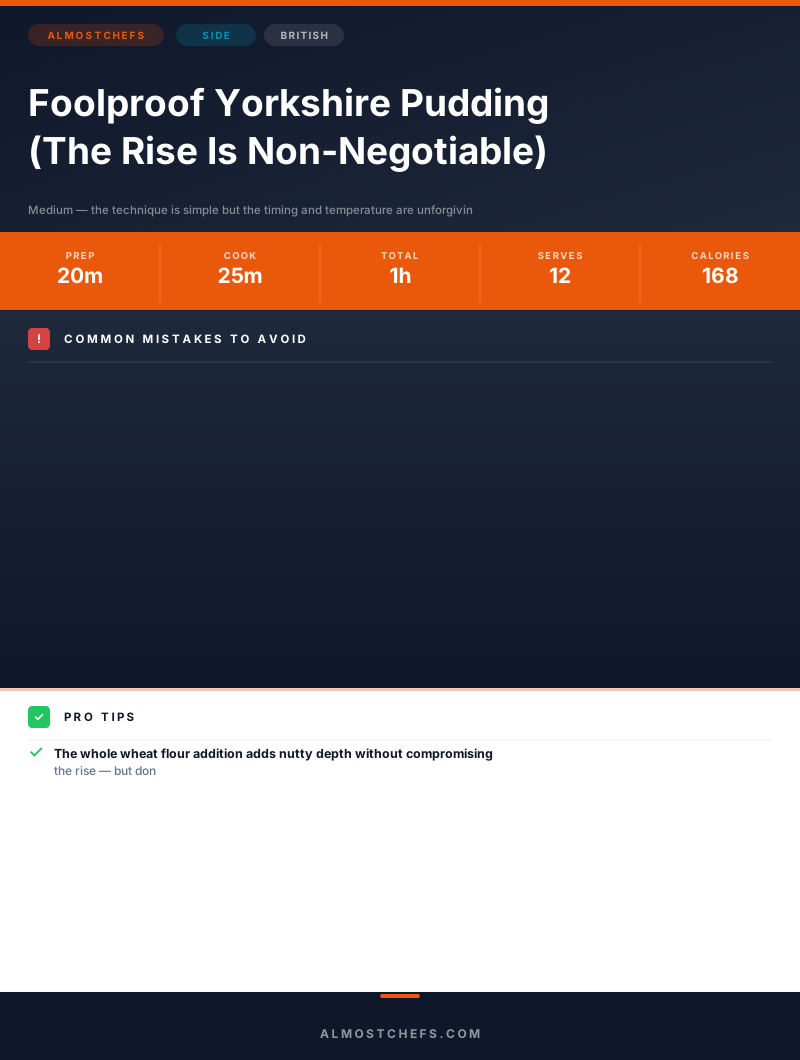
We turned everything on this page into a beautiful, flour-proof PDF cheat sheet. Print it out, stick it to your fridge, and never mess up your foolproof yorkshire pudding (the rise is non-negotiable) again.
*We'll email you the high-res PDF instantly. No spam, just perfectly cooked meals.
AlmostChefs Editorial Team
We translate the internet's most popular cooking videos into foolproof, beginner-friendly written recipes. We analyze multiple methods, test them in our kitchen, and engineer a single "Master Recipe" that gives you the best possible result with the least possible stress.