Easy Yogurt Parfait (10-Minute Breakfast That Actually Keeps You Full)
Layers of full-fat Greek yogurt, fresh seasonal berries, raw nuts, and honey assembled in minutes. We stripped out the flavored yogurt, added flaxseed and walnuts, and built a version that controls sugar without sacrificing the indulgence. This is the parfait that earns a permanent spot in your morning rotation.
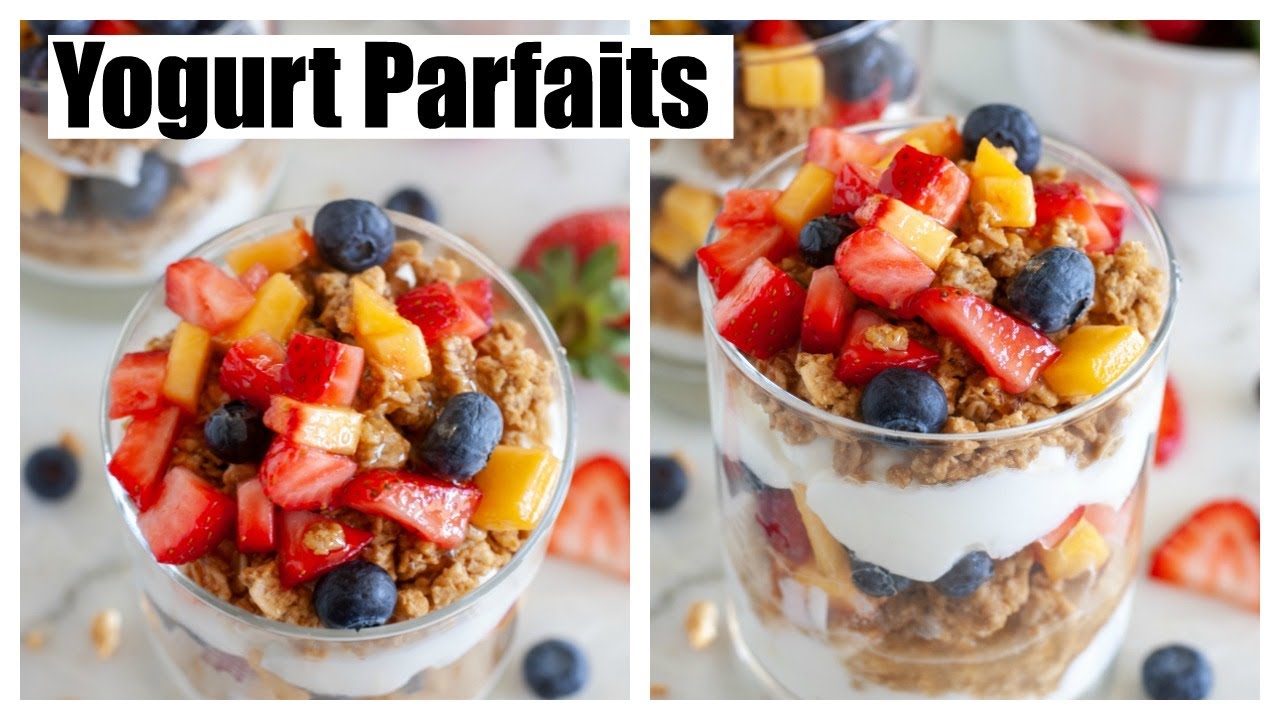
“Most yogurt parfaits are dessert dressed up as breakfast. Flavored yogurt, granola loaded with refined sugar, and a token berry on top. The result is a blood sugar spike and a crash by 10am. This version does it differently: full-fat plain Greek yogurt for staying power, raw nuts for real crunch, flaxseed for fiber, and just enough honey to feel like a treat without the crash. Ten minutes. Four servings. No stove required.”
Why This Recipe Works
A yogurt parfait is the easiest breakfast to make badly. The concept is foolproof: layer yogurt, fruit, and crunchy stuff. The execution is where most people quietly wreck it — flavored yogurt loaded with sugar, granola that functions as candy, and a handful of berries on top to maintain plausible deniability. The result is a breakfast that crashes you harder than a donut and leaves you hungry by 10am.
This version solves the problem at the source.
The Yogurt Decision
Full-fat plain Greek yogurt is the load-bearing wall of this recipe. It contains roughly 17-19 grams of protein per cup, zero added sugar, and enough fat to slow glucose absorption from the berries and honey. It also tastes like actual food — tangy, dense, and genuinely satisfying — rather than the artificially sweetened dessert yogurt that parades as health food in the grocery aisle.
The full-fat question makes people nervous, but the research is consistent: dietary fat from whole dairy sources does not produce the metabolic outcomes that the low-fat marketing of the 1990s promised it would. What full-fat yogurt does produce is satiety. You stay full. You stop eating. That is the point.
The Nut Architecture
Raw almonds and walnuts pull double duty here. They add structural crunch to each layer and contribute significant fat and protein that extend the staying power of the meal. Walnuts in particular are one of the few plant sources of omega-3 fatty acids — the same anti-inflammatory compounds found in fatty fish, in a form that doesn't require cooking.
The flaxseed is the silent worker. Ground flaxseed is nearly invisible in the texture but adds 2-3 grams of soluble fiber per tablespoon, which feeds the gut microbiome and contributes to the sensation of fullness that keeps you from raiding the office snacks at 11am. It also emulsifies slightly with the yogurt, creating a subtly creamier texture in the base layer.
A dry mixing bowl to combine the oats, nuts, flaxseed, and cinnamon before layering is worth the extra dish. Pre-mixing ensures even distribution — without it, one parfait gets all the walnuts and someone else gets a bowl that's mostly oats.
The Sweetness Problem
Three tablespoons of raw honey across four servings is less than a teaspoon per serving — barely 5 grams of sugar per parfait from the sweetener alone. The rest of the sweetness comes from the berries. This is the correct ratio: honey as a flavor accent, not a sugar delivery system.
Raw honey has a lower glycemic index than refined white sugar and contains trace amounts of antioxidants and antimicrobial compounds. More practically, it has a stronger flavor — meaning you need less of it to register sweetness. The vanilla extract reinforces that perception of sweetness without adding sugar, a well-documented psychosensory effect that pastry chefs have exploited for decades.
Why It Stays Crunchy
The enemy of parfait texture is moisture migration. Berries release liquid. Yogurt releases whey. Left together long enough, the oat-and-nut layer absorbs all of it and turns to wet gravel. The four-hour window isn't arbitrary — it's the approximate threshold before structure collapse begins in earnest.
If you need to prep ahead, the solution is simple: keep the components separate. Yogurt and fruit in mason jars with lids, nut mixture in a small bag, assembly in the morning. Ten seconds of effort preserves the entire textural contrast that makes this recipe worth eating.
The coconut flakes on top are not decoration. Toasted briefly in a dry pan, they add a third textural register — light, papery crunch — that sits between the dense nuts and the soft fruit. Skip the toasting step and they're inert. Take ninety seconds to toast them and the top of the parfait becomes the best bite in the bowl.
Where Beginners Mess This Up
Before we start, read this. These are the 4 reasons your easy yogurt parfait (10-minute breakfast that actually keeps you full) will fail:
- 1
Using flavored or low-fat yogurt: Flavored Greek yogurt contains anywhere from 15 to 25 grams of added sugar per cup — more than a candy bar per serving. Low-fat yogurt compensates for flavor loss with extra sugar. Full-fat plain Greek yogurt has natural tang, real creaminess, and zero added sugar. Start here or start over.
- 2
Skipping the salt: A pinch of sea salt stirred into the yogurt base sounds wrong but is entirely right. Salt suppresses bitterness, amplifies sweetness, and makes the berries taste more like themselves. Omit it and the parfait tastes flat. Add it and you'll wonder why you never did this before.
- 3
Building it too far in advance: Parfaits assembled more than four hours ahead turn into yogurt soup. The berries release liquid, the oats absorb it, and the whole structure collapses. Build it the night before only if you keep the nut-and-oat layer separate and add it in the morning.
- 4
Using stale nuts or old oats: Rancid walnuts are unmistakable — bitter, slightly chemical, and capable of ruining the entire bowl. Smell your walnuts before you use them. Raw nuts go rancid faster than roasted because the oils are unprotected. Store them in the freezer if you use them infrequently.
🛠️ Core Equipment
- Tall serving glasses or wide-mouth mason jarsTall, narrow vessels show off the layers visually and keep each component in its lane. Wide-mouth mason jars double as transport containers with a lid — the meal-prep choice.
- Small mixing bowlFor combining the dry nut-and-oat mixture before layering. Pre-mixing ensures every serving gets an even distribution of almonds, walnuts, flaxseed, and cinnamon rather than one parfait getting all the walnuts.
- Measuring spoonsHoney is the one ingredient that can tip this from balanced to cloying. Measure it. Two and a half teaspoons per serving is the threshold between 'lightly sweet' and 'dessert.'
Easy Yogurt Parfait (10-Minute Breakfast That Actually Keeps You Full)
🛒 Ingredients
- ✦2 cups plain Greek yogurt, full-fat
- ✦1 cup fresh blueberries
- ✦1 cup fresh strawberries, halved
- ✦1/2 cup raw sliced almonds
- ✦1/3 cup raw walnuts, chopped
- ✦1/4 cup old-fashioned rolled oats
- ✦3 tablespoons raw honey
- ✦1 tablespoon ground flaxseed
- ✦1 teaspoon vanilla extract
- ✦1/2 teaspoon ground cinnamon
- ✦Pinch of sea salt
- ✦2 tablespoons unsweetened coconut flakes
👨🍳 Instructions
01Step 1
Divide the Greek yogurt evenly among four serving glasses or bowls, about 1/2 cup per container.
02Step 2
Drizzle half the raw honey over each yogurt base, then add the vanilla extract and a pinch of sea salt. Stir gently just to swirl — don't fully incorporate.
03Step 3
Layer half the blueberries and strawberries directly on top of the yogurt.
04Step 4
Combine the rolled oats, sliced almonds, chopped walnuts, ground flaxseed, and cinnamon in a small mixing bowl. Stir until evenly distributed.
05Step 5
Sprinkle the nut-and-oat mixture generously over the fruit layer, dividing equally across all four parfaits.
06Step 6
Top each parfait with the remaining berries, arranged on the surface.
07Step 7
Drizzle the remaining honey over the top of each parfait.
08Step 8
Garnish with coconut flakes, about 1/2 tablespoon per serving.
09Step 9
Serve immediately while the yogurt is cold and the nuts are crunchy. If making ahead, cover and refrigerate for up to 4 hours — no longer.
Nutrition Per Serving
Estimates based on standard preparation. Adjustments alter macros.
🔄 Substitutions
Instead of Plain Greek yogurt...
Use Unsweetened coconut yogurt
Dairy-free option with comparable probiotic benefits when you choose a live-culture variety. Slightly thinner texture — choose full-fat coconut yogurt specifically to maintain creaminess.
Instead of Raw honey...
Use Pure maple syrup or monk fruit sweetener
Maple syrup contributes earthy notes and a lower glycemic index than honey. Monk fruit works well if you want zero sugar impact — use half the quantity as it reads sweeter.
Instead of Fresh blueberries and strawberries...
Use Frozen unsweetened berries or pomegranate seeds
Frozen berries retain identical antioxidants and work year-round. Thaw briefly before using. Pomegranate seeds add tartness and a different textural crunch that pairs well with the walnuts.
Instead of Old-fashioned rolled oats...
Use Raw buckwheat groats
Buckwheat is naturally gluten-free and provides complete protein — rare in a grain. Nuttier flavor, faster to prepare, no soaking needed. Use as a 1:1 swap.
🧊 Storage & Reheating
In the Fridge
Assembled parfaits keep for up to 4 hours before the structure softens. For longer storage, keep yogurt and toppings separate and assemble to order.
In the Freezer
Not recommended for assembled parfaits. The yogurt texture breaks down on thawing. You can freeze the plain Greek yogurt base alone, but assembled parfaits don't survive freezing.
Reheating Rules
Not applicable — this dish is served cold. If refrigerated, let it sit at room temperature for 5 minutes before eating to take the chill off the yogurt.
❓ Frequently Asked Questions
Can I make yogurt parfaits the night before?
Yes, with a caveat. Layer the yogurt and fruit the night before and store covered in the fridge. Keep the nut-and-oat mixture in a separate container and add it in the morning. If you layer the nuts the night before, they absorb moisture from the yogurt and berries and turn soft by morning.
Is a yogurt parfait actually healthy?
It depends entirely on the yogurt. Full-fat plain Greek yogurt is high in protein, probiotics, and calcium with no added sugar. Swap it for store-bought flavored yogurt and you're looking at 20+ grams of added sugar before the honey even touches it. Use plain yogurt and control your own sweetener.
Why use full-fat instead of low-fat Greek yogurt?
Fat slows glucose absorption, which means the natural sugars in the berries and honey hit your bloodstream more gradually. Full-fat yogurt also has a richer mouthfeel that carries the toppings better. Low-fat yogurt is compensated with stabilizers and, in flavored versions, sugar. Neither improves the outcome here.
Can I add granola instead of rolled oats and nuts?
You can, but check the label. Most commercial granolas contain 8-12 grams of added sugar per serving — often more than the honey in this recipe. If you use granola, skip the honey drizzle. Better yet, make your own granola with oats, nuts, a small amount of maple syrup, and olive oil so you control what goes in.
How do I keep the berries from making the yogurt watery?
Pat fresh berries dry with paper towels before layering. For frozen berries, thaw them in a colander over the sink and let excess liquid drain off. Watery yogurt is almost always a wet-berry problem.
What's the best glass or container for serving?
Tall glasses or wide-mouth mason jars both work well. The tall glass shows the layers dramatically — useful if presentation matters. Mason jars with lids are the practical choice if you're making these for meal prep or transport.
The Science of
Easy Yogurt Parfait (10-Minute Breakfast That Actually Keeps You Full)
We turned everything on this page into a beautiful, flour-proof PDF cheat sheet. Print it out, stick it to your fridge, and never mess up your easy yogurt parfait (10-minute breakfast that actually keeps you full) again.
*We'll email you the high-res PDF instantly. No spam, just perfectly cooked meals.
AlmostChefs Editorial Team
We translate the internet's most popular cooking videos into foolproof, beginner-friendly written recipes. We analyze multiple methods, test them in our kitchen, and engineer a single "Master Recipe" that gives you the best possible result with the least possible stress.