The Ultimate Hummus Wrap (Faster Than Takeout, Better Than a Sandwich)
A vibrant, protein-packed lunch wrap built on homemade chickpea hummus, crisp fresh vegetables, and whole grain tortillas. We broke down the technique so the hummus is silkier, the roll is tighter, and the whole thing stays together when you actually try to eat it.
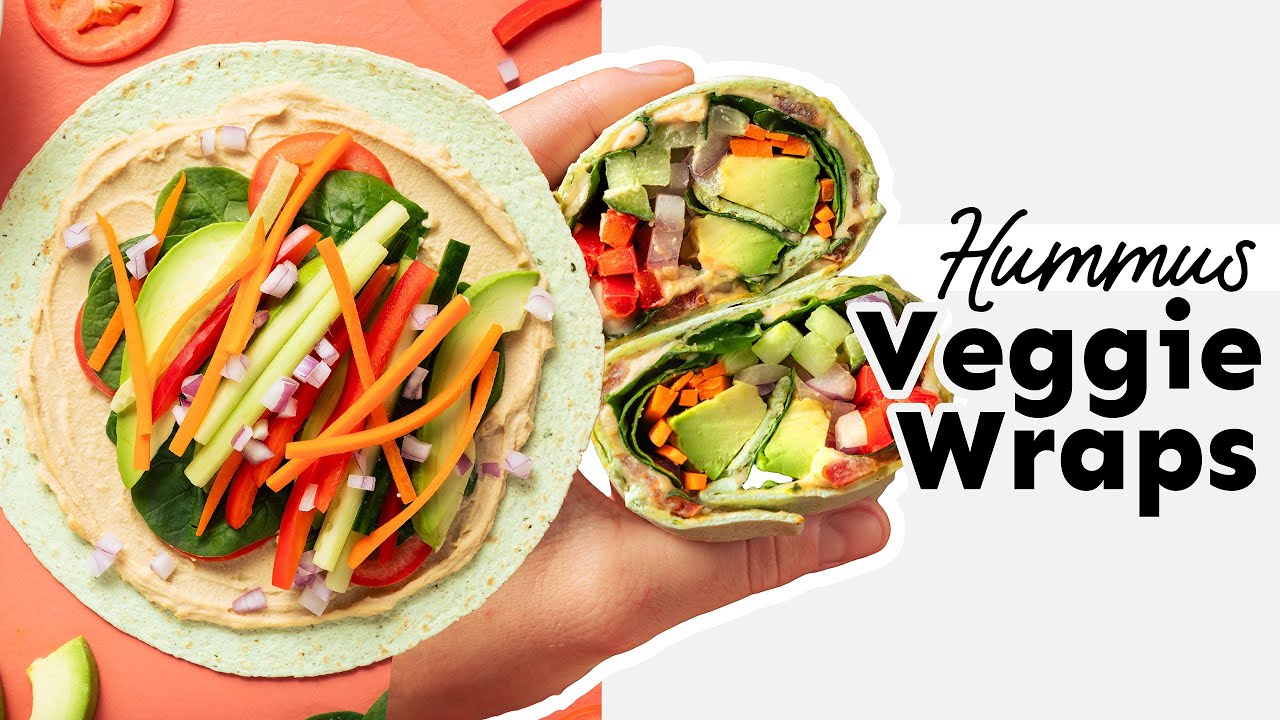
“A hummus wrap sounds like a cop-out lunch. Spread something beige on a tortilla, throw in some vegetables, done. The problem is that most people make the hummus too thick, underfill on vegetables, and then roll it so loosely it falls apart on the third bite. Solve those three things and you have one of the most satisfying 20-minute meals in the rotation.”
Why This Recipe Works
The hummus wrap has a perception problem. It sits at the bottom of the lunch prestige ladder — below the grain bowl, below the composed salad, well below anything that required turning on the stove. This reputation is earned by the version most people make: chalky store-bought hummus spread thin across a cold flour tortilla, topped with whatever vegetables looked acceptable in the fridge, rolled into a cylinder that immediately unfurls at first contact with gravity.
That version fails because of three specific, fixable problems. Solve them and the hummus wrap becomes one of the better things you can eat in under 20 minutes.
The Hummus Is the Whole Point
Store-bought hummus is a compromise product. It's formulated to sit on a shelf for weeks without separating, which means excess citric acid, minimal fresh garlic, and a gummy preservative texture that coats your mouth rather than brightening it. Fine as a dip. Wrong as the structural and flavor foundation of a wrap where it's the loudest ingredient.
Homemade hummus from canned chickpeas takes 5 minutes in a food processor. The technique difference that separates good from great is the cold water emulsification. After blending the chickpeas, tahini, garlic, lemon, and oil until smooth, you add cold water one tablespoon at a time while the processor runs. The water breaks the surface tension between the oil and starch, creating an airy, cohesive paste that spreads like buttercream instead of spackling compound.
The other technique worth the 5 minutes: peel the chickpea skins before blending. Rub drained chickpeas between two kitchen towels and most skins slide off. Those skins are the reason hummus has that slightly gritty, fibrous finish. Without them, the texture is visibly different — the kind of smooth that makes people ask what brand it is.
The Roll Is a Structural Problem
Most wraps unravel because the rolling technique is sloppy and the tortilla is cold. A cold tortilla has the flexibility of a cracker. It looks fine until you apply lateral pressure to roll it, and then it cracks in two or three places, creating weak seams that open under the weight of the filling.
Ten seconds per side over a gas flame, or 30 seconds in a damp paper towel in the microwave, converts the tortilla from rigid to fully elastic. You can feel the difference immediately — a warm tortilla will fold without resistance.
Fold in one inch on the near edge before rolling. This is the sealed end that prevents filling from pushing out the bottom. Then roll firmly away from you, keeping constant tension on the tortilla as you go, tucking the sides in with your thumbs. Firm, consistent pressure the whole way. If you feel the tortilla going slack, stop and re-tension before continuing.
The Vegetable Architecture
Organizing vegetables in rows sounds fussier than it is — it takes ten extra seconds and directly determines whether the wrap has even structural integrity or chaotic lumps that create pressure points and tears. Bell pepper strips, cucumber matchsticks, and carrot julienne laid in parallel rows distribute their mass evenly across the tortilla. Scattered randomly, they create a wrap that's thick in some places and thin in others, which rolls unevenly and falls apart when cut.
The avocado goes on last, above the cheese, pressed gently into a single layer. It acts as a final binding layer — the fat clings lightly to the other ingredients and holds the cross-section together when you slice the wrap in half. Don't skip it unless you have to.
The result is a wrap that holds its shape, tastes like something someone made intentionally, and is faster to assemble than anything that requires a burner. Which is the whole point.
Where Beginners Mess This Up
Before we start, read this. These are the 4 reasons your the ultimate hummus wrap (faster than takeout, better than a sandwich) will fail:
- 1
Using cold hummus straight from the fridge: Cold hummus is stiff and tears the tortilla as you spread it. Either make it fresh and use it immediately, or let it sit at room temperature for 10 minutes before assembling. Warm tortilla plus cold, stiff hummus is how wraps fall apart.
- 2
Skipping the cold water when blending hummus: The water emulsifies the tahini and chickpea starch into a smooth, airy paste. Without it, the hummus is dense and gummy. Add it one tablespoon at a time while the processor is running — stop when it ribbons off a spoon.
- 3
Overstuffing the wrap: More is not better here. The wrap needs to roll without cracking the tortilla, which means the filling depth cannot exceed the tortilla's flexibility. Stop at the point where you could still close a fist around the roll. If the tortilla whitens and looks stressed, you've gone too far.
- 4
Skipping the tortilla warm-up: A cold tortilla has no elasticity and cracks during the roll. Ten seconds over a gas flame per side, or 30 seconds in a damp towel in the microwave, transforms a rigid disk into something pliable enough to roll tightly without tearing.
The Video Reference Library
Want to see it in action? Here are the exact videos we analyzed and combined to build this foolproof recipe translation:
The source video for this recipe. Clear walkthrough of hummus consistency, vegetable prep, and the rolling technique that keeps everything sealed.
🛠️ Core Equipment
- Food processorA blender works in a pinch but cannot produce the same airy, smooth hummus texture. The wide blade of a food processor incorporates more air while shearing the chickpea skins into the paste evenly. Minimum 7-cup capacity for this batch.
- Citrus juicerFresh lemon juice is the spine of good hummus. A hand juicer lets you extract maximum juice without seeds. Bottled lemon juice has a cooked, flat flavor that stands out in a dish with this few ingredients.
- Sharp chef's knife and cutting boardJulienned cucumber and carrot need uniform cuts so they layer flat and don't create awkward lumps that force the wrap open. Thin, even matchsticks roll cleanly. Thick, uneven chunks do not.
The Ultimate Hummus Wrap (Faster Than Takeout, Better Than a Sandwich)
🛒 Ingredients
- ✦2 cups canned chickpeas, drained and rinsed
- ✦3 tablespoons tahini
- ✦2 large garlic cloves, minced
- ✦3 tablespoons fresh lemon juice
- ✦2 tablespoons extra virgin olive oil
- ✦1 teaspoon ground cumin
- ✦1/4 teaspoon cayenne pepper
- ✦2 tablespoons cold water
- ✦Sea salt to taste
- ✦4 large whole wheat tortillas or wraps
- ✦2 cups fresh spinach leaves
- ✦1 large red or yellow bell pepper, thinly sliced
- ✦1 medium cucumber, julienned
- ✦2 medium carrots, grated or julienned
- ✦1/2 red onion, very thinly sliced
- ✦1 cup cherry tomatoes, halved
- ✦1/4 cup fresh parsley, chopped
- ✦4 oz crumbled feta cheese or vegan cheese alternative
- ✦1 ripe avocado, sliced
👨🍳 Instructions
01Step 1
Place drained chickpeas, tahini, minced garlic, lemon juice, and olive oil into a food processor. Blend for 2 full minutes until very smooth.
02Step 2
Add ground cumin and cayenne. Pulse several times to distribute evenly.
03Step 3
With the processor running, add cold water one tablespoon at a time until the hummus is creamy and spreadable — it should ribbon off a spoon without clumping.
04Step 4
Taste and adjust with sea salt and additional lemon juice. Set aside at room temperature.
05Step 5
Warm each tortilla directly over a gas flame for 10-15 seconds per side, or wrap all four in a damp paper towel and microwave for 30 seconds.
06Step 6
Lay the first tortilla flat. Spread 3-4 tablespoons of hummus across the center, leaving a 1-inch border around all edges.
07Step 7
Layer spinach leaves first as a base, then arrange bell pepper, cucumber, and carrot in organized rows across the hummus.
08Step 8
Scatter red onion and cherry tomatoes over the vegetables. Sprinkle parsley and feta across the top.
09Step 9
Lay avocado slices in a single layer over the cheese. Do not add more filling than you can comfortably close your hand around once rolled.
10Step 10
Fold in one inch of the near edge, then roll the wrap firmly away from you, tucking the sides in as you go to seal the filling.
11Step 11
Wrap tightly in parchment paper or foil, twisting the ends closed. Repeat with remaining tortillas.
12Step 12
Serve immediately, or refrigerate for up to 2 hours before eating.
Nutrition Per Serving
Estimates based on standard preparation. Adjustments alter macros.
🔄 Substitutions
Instead of Store-bought hummus...
Use Homemade chickpea hummus (this recipe)
Lower sodium, no preservatives, noticeably brighter flavor from fresh garlic and lemon. Takes 5 minutes with a food processor.
Instead of White flour tortillas...
Use Whole grain or sprouted grain wraps
Nuttier flavor, firmer texture, meaningfully more fiber. Blood sugar stability is significantly better with whole grain. The wrap tolerates the same rolling technique.
Instead of Feta cheese...
Use Nutritional yeast or cashew cream cheese
Fully vegan, lower in saturated fat. Nutritional yeast adds umami without the briny saltiness of feta. Cashew cream cheese adds richness and stays spreadable.
Instead of Raw red onion...
Use Quick-pickled red onion
Slice onion thin, submerge in 1/4 cup red wine vinegar with a pinch of sugar and salt for 20 minutes. Mellower flavor, adds brightness, and pickled onion cuts the richness of the avocado and hummus.
🧊 Storage & Reheating
In the Fridge
Store assembled wraps wrapped in parchment or foil for up to 2 hours before quality degrades. For longer storage, keep components separated and assemble fresh. Hummus keeps refrigerated in an airtight container for up to 5 days.
In the Freezer
Hummus freezes well for up to 3 months. Thaw overnight in the fridge and stir before using. Assembled wraps do not freeze — the vegetables weep water and the tortilla becomes soggy.
Reheating Rules
This recipe is served at room temperature and does not require reheating. If the hummus has been refrigerated, let it sit out for 10 minutes before spreading for best texture.
❓ Frequently Asked Questions
Why is my homemade hummus grainy instead of smooth?
Two likely causes: you didn't blend long enough, or you skipped the cold water. Blend for a full 2 minutes minimum, and add cold water one tablespoon at a time while the processor runs. For the smoothest result, peel the skins off the drained chickpeas before blending — it takes 5 minutes and the texture difference is significant.
Can I make these wraps ahead of time for meal prep?
Yes, but don't assemble them. Store hummus, cut vegetables, and tortillas in separate containers in the fridge. The morning you plan to eat, assemble and wrap in parchment. Pre-assembled wraps held more than 2-3 hours become soggy from cucumber and tomato moisture.
How do I keep the wrap from unrolling when I cut it?
Roll firmly and wrap tightly in parchment before cutting. Let the parchment-wrapped roll sit seam-side down for a minute before slicing — this helps the tortilla set in the rolled position. Use a sharp knife and cut in one clean motion rather than sawing.
Is this recipe actually vegan?
The wrap itself is vegan except for the feta cheese. Swap feta for nutritional yeast, vegan cheese, or simply omit it and the recipe is fully vegan. All other components — chickpeas, tahini, vegetables, avocado, whole wheat tortilla — are plant-based.
Can I add a protein like chicken or tuna?
Yes. Sliced grilled chicken, canned tuna mixed with lemon and olive oil, or hard-boiled eggs all work well. Add protein on top of the spinach layer, under the other vegetables, so it doesn't disrupt the roll. Adjust salt accordingly since many prepared proteins are already seasoned.
Why does my tortilla keep tearing when I roll it?
The tortilla is either too cold or overfilled. Warm it for 10-15 seconds over a flame or 30 seconds in a damp paper towel in the microwave until it's fully pliable. Then check your fill quantity — if the tortilla shows white stress marks as you roll, you have too much filling. Remove a few spoonfuls before continuing.
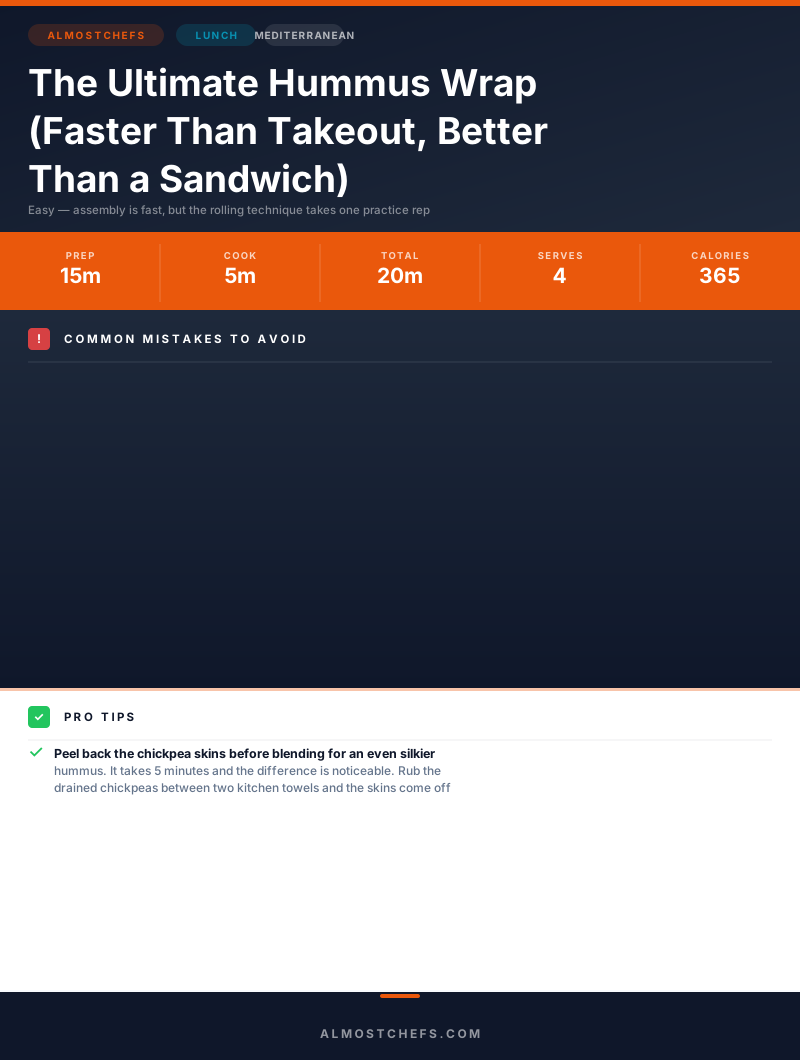
The Science of
The Ultimate Hummus Wrap (Faster Than Takeout, Better Than a Sandwich)
We turned everything on this page into a beautiful, flour-proof PDF cheat sheet. Print it out, stick it to your fridge, and never mess up your the ultimate hummus wrap (faster than takeout, better than a sandwich) again.
*We'll email you the high-res PDF instantly. No spam, just perfectly cooked meals.
AlmostChefs Editorial Team
We translate the internet's most popular cooking videos into foolproof, beginner-friendly written recipes. We analyze multiple methods, test them in our kitchen, and engineer a single "Master Recipe" that gives you the best possible result with the least possible stress.