Crispy Garlic Butter Noodles (The TikTok Recipe That Actually Deserves the Hype)
Viral TikTok crispy garlic butter noodles with golden garlic chips, fresh herbs, and a rich umami sauce. We broke down why this 35-minute pasta works and how to nail the garlic every single time without burning it.

“TikTok has a graveyard of viral recipes that collapse the moment you try them at home. This one doesn't. Crispy garlic butter noodles work because the technique is actually sound: slow-rendered garlic chips in butter and olive oil create an infused fat that coats every strand of pasta with layered, savory depth. The dish has three million views because it delivers. This is how to do it without burning the garlic.”
Why This Recipe Works
TikTok recipes fail for a predictable reason: they're optimized for a 15-second dopamine hit, not for someone standing in their kitchen at 7pm trying to produce an actual dinner. Most of them collapse under scrutiny because the technique was never sound to begin with — it just looked good at 1.5x speed with a trending audio track.
This one is different. Crispy garlic butter noodles work because they're built on aglio e olio — one of the oldest and most technically coherent pasta traditions in Italian cooking. The viral version didn't invent anything. It discovered something that's been producing results for centuries and pointed a camera at it.
The Garlic Chip Problem
The entire dish depends on one decision: not burning the garlic. This sounds simple. It is not simple. Garlic contains allicin and a range of sulfur compounds that transform dramatically with heat. At moderate temperature, those compounds caramelize into something sweet, nutty, and complex. At high temperature — or for ten seconds too long — they convert into acrid, bitter compounds that cannot be cooked out of the finished dish.
The solution is temperature control and physical presence. You start on medium heat, you do not walk away, and you treat the garlic like a living thing that requires monitoring. Thin, even slices — no thicker than 1-2mm — are non-negotiable because uneven slices cook at different rates. By the time your thick pieces are golden, your thin pieces are already charred.
The two-stage technique in this recipe — starting medium, then raising heat to finish with more butter and oil — exists to build complexity without risk. The first stage slowly renders the garlic. The second stage deepens the color and creates the crunchy texture. Pull the chips into a bowl the moment they're done. They keep cooking from residual heat even off the burner.
The Emulsion Architecture
What most people call "sauce" in this dish is actually an emulsion — butter fat, olive oil, and pasta water suspended together in a stable, glossy coat. Without the starchy pasta water acting as an emulsifier, the fat just pools at the bottom of the bowl and the pasta sits dry on top.
This is why you reserve pasta water before draining, not after. And why the pasta water should come from the pot it actually cooked in, not the tap. The starch concentration in well-salted pasta water — especially toward the end of the cook — is what gives it binding power. Tap water has none.
A large heavy-bottomed skillet matters here too. Wide surface area allows the pasta to toss freely and the emulsion to form evenly. In a small pan, the pasta stacks up and the bottom gets sauced while the top stays dry.
The Herb Timing Rule
Fresh herbs have two states: alive and dead. The transition happens in about 45 seconds over direct heat. Parsley and basil go into this dish after the pan is removed from heat — folded gently, not stirred aggressively — and they should wilt slightly from residual warmth. Green, fragrant, contributing brightness. That's the target.
Add them while the burner is still on and they turn dark, slimy, and faintly bitter. They also lose the volatile aromatic compounds that make them worth using in the first place. The whole point of fresh herbs over dried is those volatile compounds. Destroy them with heat and you've wasted both the herbs and the effort of buying them fresh.
Why Whole Wheat Pasta Works Here
Whole grain pasta has a reputation for being the sad, worthy substitute. In this dish, it's actually the better technical choice. The slightly nutty flavor of whole wheat complements the garlic and butter without competing with the lemon. The denser texture holds up to tossing and recoating better than delicate refined pasta. And the higher fiber content slows glucose absorption — relevant if you're eating a dish that's 62 grams of carbohydrate per serving.
Chickpea pasta goes further still: 20 grams of protein per serving versus 18, and a lower glycemic response. The flavor is more assertive, which some people love and others find odd. Start with whole wheat if you're new to the substitution.
This is a 35-minute dinner built on techniques that predate social media by several hundred years. TikTok just reminded everyone they existed.
Where Beginners Mess This Up
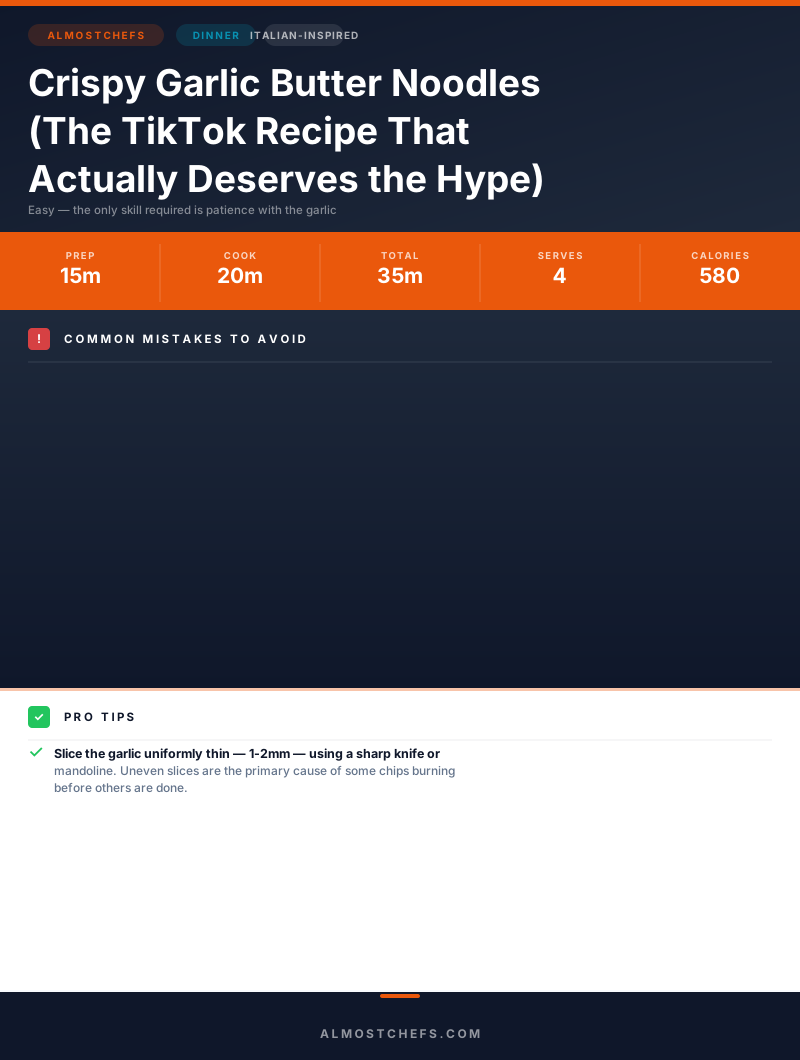
Before we start, read this. These are the 4 reasons your crispy garlic butter noodles (the tiktok recipe that actually deserves the hype) will fail:
- 1
Burning the garlic: Garlic goes from golden to bitter and acrid in under 30 seconds at high heat. You must start on medium heat and treat the garlic like an investment — patience here is what separates crispy chips from carbon. The moment the edges turn light gold, your attention needs to be total.
- 2
Not reserving pasta water: Starchy pasta water is the emulsifier that binds the butter and olive oil into a cohesive sauce instead of a greasy puddle. Skip it and the sauce breaks, coating the pasta unevenly. Reserve at least half a cup before you drain — even if the recipe only calls for two tablespoons.
- 3
Overcooking the pasta: Al dente is not a suggestion. The pasta finishes cooking a second time when it hits the hot skillet with the garlic oil and pasta water. If it's already fully soft when you drain it, the final toss turns it to mush. Pull it 60 seconds before the package says it's done.
- 4
Adding herbs too early: Fresh parsley and basil are heat-sensitive. Add them to a screaming hot pan and they turn dark, slimy, and bitter. The herbs go in off-heat, folded gently at the very end. They should wilt slightly from residual heat, not cook.
The Video Reference Library
Want to see it in action? Here are the exact videos we analyzed and combined to build this foolproof recipe translation:

The source video that launched a thousand pasta nights. Watch specifically for the color cues on the garlic — the host narrates exactly what to look for as the chips transition from raw to golden to dangerous.
2. Garlic Butter Pasta Techniques
A technique-focused breakdown of how butter and olive oil emulsify with pasta water to create a stable sauce. Useful context for understanding why the pasta water step is non-negotiable.
3. Quick Weeknight Pasta MethodsCovers the broader category of aglio e olio-style pastas and why the Italian technique behind this viral dish has been producing perfect results for centuries before TikTok discovered it.
🛠️ Core Equipment
- Large heavy-bottomed skillet or sauté pan ↗Even heat distribution is critical for getting all the garlic chips to the same golden color simultaneously. A thin pan creates hot spots that burn some chips while others stay pale. A [cast iron skillet](/kitchen-gear/review/cast-iron-skillet) or heavy stainless pan is ideal.
- Large pasta pot ↗Pasta needs room to move in heavily salted, rolling-boil water. A cramped pot drops temperature when you add the pasta and produces uneven cooking. Six quarts minimum for 12 ounces of pasta.
- Fine-mesh sieve or colander ↗You need to drain fast and get the pasta into the skillet while it's hot. A colander works but a fine-mesh sieve drains completely without losing any pasta.
- Heat-safe bowl for the garlic ↗You'll transfer the crispy garlic out of the pan mid-cook to prevent it from burning while you finish the spinach and pasta. Have the bowl ready before the garlic goes in.
Crispy Garlic Butter Noodles (The TikTok Recipe That Actually Deserves the Hype)
🛒 Ingredients
- ✦12 ounces whole wheat pasta or linguine
- ✦8 tablespoons unsalted butter, divided
- ✦6 tablespoons extra virgin olive oil
- ✦10 medium cloves garlic, thinly sliced
- ✦1 teaspoon red pepper flakes
- ✦4 cups fresh baby spinach, roughly chopped
- ✦3 tablespoons fresh Italian parsley, finely minced
- ✦2 tablespoons fresh basil, torn into pieces
- ✦1/4 cup grated Parmigiano-Reggiano cheese
- ✦3 tablespoons fresh lemon juice
- ✦1/2 teaspoon kosher salt, plus more to taste
- ✦1/4 teaspoon freshly ground black pepper
- ✦1/4 teaspoon garlic powder
- ✦2 tablespoons reserved pasta water
- ✦1/4 cup toasted pine nuts or walnuts
- ✦Zest of 1 medium lemon
👨🍳 Instructions
01Step 1
Bring a large pot of heavily salted water to a rolling boil over high heat. Add the whole wheat pasta and cook until al dente, about 9-11 minutes.
02Step 2
While the pasta cooks, melt 4 tablespoons of butter with 3 tablespoons of olive oil in a large skillet over medium heat.
03Step 3
Add the thinly sliced garlic and red pepper flakes. Cook gently, stirring occasionally, until the garlic turns light golden and fragrant, about 4-5 minutes.
04Step 4
Increase heat to medium-high and add the remaining 4 tablespoons of butter and 3 tablespoons of olive oil. Cook another 2-3 minutes until the garlic reaches a deep caramel tone.
05Step 5
Remove the skillet from heat. Transfer the crispy garlic and most of the infused oil to a heat-safe bowl, leaving about 2 tablespoons of oil in the pan.
06Step 6
Return the skillet to medium-high heat. Add the chopped spinach and sauté for about 2 minutes until fully wilted.
07Step 7
Reserve 1/2 cup of pasta water, then drain the pasta.
08Step 8
Add the drained pasta to the skillet with the wilted spinach. Pour in 2 tablespoons of the reserved pasta water and toss to combine.
09Step 9
Return the crispy garlic and its infused oil to the skillet. Toss everything together gently for 1-2 minutes until the pasta is evenly coated.
10Step 10
Squeeze the fresh lemon juice over the pasta. Season with kosher salt, black pepper, and garlic powder. Taste and adjust.
11Step 11
Remove from heat. Fold in the minced parsley and torn basil gently, distributing the herbs throughout without bruising them.
12Step 12
Transfer to serving bowls or a large platter. Top with grated Parmigiano-Reggiano, toasted nuts, and lemon zest. Serve immediately.
Nutrition Per Serving
Estimates based on standard preparation. Adjustments alter macros.
🔄 Substitutions
Instead of All-purpose pasta...
Use Whole wheat or chickpea pasta
Increases fiber significantly. Chickpea pasta adds protein and has a slightly nuttier flavor. Both are more forgiving on blood sugar than refined white pasta.
Instead of 6 tablespoons butter...
Use 4 tablespoons butter plus 2 tablespoons extra olive oil
Reduces saturated fat while maintaining richness. The flavor shifts slightly more herbaceous and less dairy-forward, which pairs well with the lemon.
Instead of Parmigiano-Reggiano...
Use Nutritional yeast or aged Pecorino Romano
Nutritional yeast makes the dish fully vegan and adds B vitamins. Pecorino is sharper and slightly saltier — reduce added salt accordingly.
Instead of Pine nuts...
Use Walnuts or pumpkin seeds
Walnuts bring omega-3s and an earthier flavor. Pumpkin seeds add a subtle mineral quality and stay crunchy longer after plating. Both cost significantly less than pine nuts.
🧊 Storage & Reheating
In the Fridge
Store in an airtight container for up to 2 days. The garlic chips will soften and the herbs will darken — acceptable for a packed lunch, not for guests.
In the Freezer
Not recommended. The butter-olive oil emulsion breaks on freezing and the pasta texture deteriorates completely.
Reheating Rules
Add a tablespoon of water or olive oil, cover, and reheat gently on the stovetop over low heat, tossing frequently. Microwave reheating produces uneven hot spots and steams the pasta into mush.
❓ Frequently Asked Questions
Why does my garlic keep burning?
Heat and impatience. Garlic chips require medium heat and constant attention for the first four minutes. The moment you walk away or turn up the burner to speed things up, they cross from golden to bitter in seconds. Stay at the stove, watch the color, and pull them the instant they reach deep gold.
Can I use pre-minced garlic from a jar?
Technically yes, but the result will not be the same dish. Jarred minced garlic contains citric acid preservatives that alter the flavor during cooking and cannot form crispy chips — it'll go from raw to burnt with nothing in between. Fresh sliced garlic is non-negotiable for this recipe.
Why do I need to reserve the pasta water if the recipe only calls for 2 tablespoons?
Because pasta water is insurance. The exact amount you need depends on your pasta, your pan temperature, and how quickly you work. Having half a cup available lets you loosen the sauce as needed without making a separate trip to the tap with non-starchy water that will break the emulsion.
Can I make this without spinach?
Yes. The spinach adds color, nutrients, and slight bulk, but it's not structural to the dish. Substitute with arugula added off-heat for peppery bite, or skip the greens entirely for a cleaner aglio e olio presentation.
Is this actually healthy or just viral?
Both. The base version is high in healthy fats from olive oil, and whole wheat pasta brings real fiber. The garlic has well-documented anti-inflammatory properties. It's a 580-calorie dinner with 18g protein and 8g fiber — not a diet food, but not junk either. Swap to chickpea pasta and you're at 20g protein.
Why does it taste flat when I make it versus the video?
Salt. Most home cooks dramatically under-salt their pasta water and then try to compensate with salt at the end — which doesn't work the same way. The pasta itself needs to absorb salt during cooking. Taste your pasta water before you add the pasta. It should taste unmistakably salty, not just faintly so.
The Science of
Crispy Garlic Butter Noodles (The TikTok Recipe That Actually Deserves the Hype)
We turned everything on this page into a beautiful, flour-proof PDF cheat sheet. Print it out, stick it to your fridge, and never mess up your crispy garlic butter noodles (the tiktok recipe that actually deserves the hype) again.
*We'll email you the high-res PDF instantly. No spam, just perfectly cooked meals.
AlmostChefs Editorial Team
We translate the internet's most popular cooking videos into foolproof, beginner-friendly written recipes. We analyze multiple methods, test them in our kitchen, and engineer a single "Master Recipe" that gives you the best possible result with the least possible stress.