Homemade Wontons (Restaurant Quality, No Takeout Required)
Seasoned ground pork and mushroom filling wrapped in delicate wheat wrappers, boiled until plump and served with a sharp soy-vinegar dipping sauce. We broke down the folding technique and filling ratios from the most-watched wonton videos to give you one method that works every time.
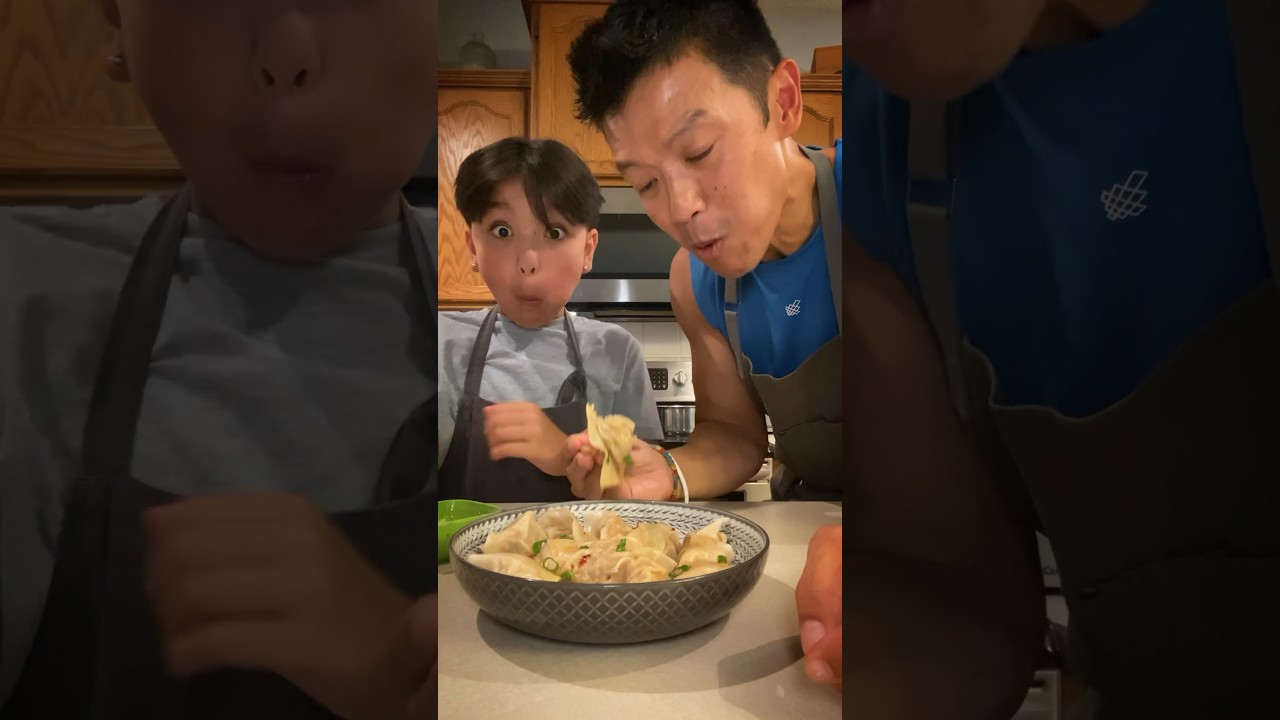
“Wontons have a reputation as restaurant-only food. That reputation is wrong. The wrapper geometry is solved in five minutes of practice, the filling takes one bowl and ten minutes, and the whole thing hits the table in under 40 minutes. What most home cooks get wrong is the filling moisture, the fold seal, and the water temperature. Fix those three things and you're done.”
Why This Recipe Works
Wontons are not complicated food. They are a folded envelope of seasoned meat and a bowl of hot water. The technique is learnable in one batch and the ingredient list is short enough to memorize. The reason most first attempts go wrong has nothing to do with skill and everything to do with three specific decisions: filling moisture, fold mechanics, and water temperature.
The Filling Equation
Ground pork is the traditional base because its fat content keeps the filling moist during boiling. Lean proteins like turkey or chicken cook through fine but exit the wrapper noticeably drier unless you compensate. The mushrooms in this recipe serve two purposes: they add umami depth (mushrooms contain glutamates that amplify the savory quality of the pork), and they contribute moisture that keeps the filling tender even after 6 minutes in boiling water.
The cornstarch is the unsung hero. A single teaspoon, combined with the tablespoon of water, binds the filling into a cohesive mass that holds its shape when scooped and doesn't leak during cooking. Without it, the filling loosens in the boiling water and the texture inside the wrapper turns grainy and separated.
White pepper, not black, is non-negotiable. It has a sharper, more floral heat than black pepper and is a foundational flavor in Cantonese cooking. Black pepper tastes foreign in this context. Use white.
The Fold
The classic wonton shape is a triangle fold followed by a corner tuck. The geometry serves a structural purpose: by pulling the two base corners of the triangle beneath the filling and bonding them, you create a double-sealed pocket that resists opening under boiling pressure. A simple triangle — just fold and seal — works but is more vulnerable.
The seal depends entirely on moisture. Wonton wrappers are dusted with starch to prevent sticking in the package. That starch absorbs ambient moisture quickly, and in a dry kitchen, wrapper edges can dry out within minutes of being opened. Wet every edge before every fold, every time, without exception.
Air pockets are the other enemy. Any air trapped inside the fold expands during boiling and pushes outward against the seal. Press from the filling center outward to the edges when sealing — this evacuates trapped air and creates a tighter bond between wrapper layers.
The Water
A rolling boil is too aggressive. The turbulence tears at delicate seals and bounces the wontons against each other and the pot walls. Once your wontons are in, reduce to a steady moderate boil — bubbles rising consistently but not violently. They should float freely and rotate slowly, not slam around.
The floating test is a good indicator but not a definitive one. Wontons float when the air inside the wrapper expands enough to become buoyant. That happens before the filling is fully cooked. Wait an additional 60-90 seconds after floating before pulling them out. Press one gently with the back of a slotted spoon — it should feel firm, not yielding.
Batch cooking matters more than most people want to admit. Dropping 24 wontons into four quarts of water drops the temperature by 15-20 degrees. They clump together, the cook time becomes unpredictable, and you end up with half-raw wontons stuck in a mass. Eight to ten at a time, with a full return to boil between batches. The extra minutes are not optional.
The Sauce
The dipping sauce is three ingredients and a variable: soy sauce, rice vinegar, sesame oil, and optional heat. The ratio matters. Too much vinegar makes it sharp and thin; too little and it's flat and salty. Three parts soy to one part vinegar is the balance point where acid brightens without dominating. Make it before you start folding. Ten minutes of rest integrates the flavors in a way that freshly mixed sauce never achieves.
That's the entire recipe. There is no secret technique being withheld by restaurants. There is no exotic equipment required. There is just filling moisture, seal integrity, and water temperature — and now you know all three.
Where Beginners Mess This Up
Before we start, read this. These are the 4 reasons your homemade wontons (restaurant quality, no takeout required) will fail:
- 1
Overstuffing the wrappers: One teaspoon of filling per wrapper sounds stingy until you try to seal one with two. The wrapper edges need clean, dry contact to bond. Too much filling pushes moisture to the edge, the seal breaks in the boiling water, and you end up with pork debris floating in your pot. One teaspoon. Not one heaping teaspoon.
- 2
Skipping the water seal on the edges: Dry wrapper edges do not stick to each other. Even slightly dried-out wrappers from sitting open for ten minutes will fail to seal without moisture. Wet your fingertip before every fold. This is not optional.
- 3
Boiling at too aggressive a heat: A violent rolling boil beats the wontons against each other and tears delicate seals open. Bring the water to a boil, drop in the wontons, then reduce to a steady but gentle boil. They should float freely and bob — not thrash.
- 4
Crowding the pot: Dropping all 24 wontons in at once drops the water temperature dramatically and causes them to clump. Cook in batches of 8-10. The extra four minutes is worth it.
The Video Reference Library
Want to see it in action? Here are the exact videos we analyzed and combined to build this foolproof recipe translation:
The clearest folding walkthrough available — shows the triangle fold and side-point tuck in real time with both hands visible. Best resource for getting the classic shape right on the first try.
🛠️ Core Equipment
- Large heavy-bottomed potMaintains water temperature when you drop in the wontons. A thin pot loses heat fast, extends cook time unevenly, and produces gummy wrappers.
- Slotted spoonEssential for lifting wontons cleanly without tearing. A spider strainer is even better — it cradles multiple wontons at once and drains efficiently.
- Small prep bowlsOne for water (to seal the wrappers), one for the dipping sauce. Keeping wet and dry stations separate prevents soggy wrappers before they hit the pot.
- Wooden spoonFor mixing the filling until it becomes cohesive, and for gently stirring the wontons in the first 60 seconds of boiling to prevent floor-sticking.
Homemade Wontons (Restaurant Quality, No Takeout Required)
🛒 Ingredients
- ✦24 round wonton wrappers
- ✦1/2 pound ground pork
- ✦1 cup finely diced mushrooms (about 4 ounces)
- ✦3 medium green onions, finely minced
- ✦2 tablespoons soy sauce
- ✦1 tablespoon sesame oil
- ✦1 tablespoon fresh ginger, grated (about 1-inch piece)
- ✦2 cloves garlic, very finely minced
- ✦1 teaspoon cornstarch
- ✦1/4 teaspoon white pepper
- ✦1 tablespoon water
- ✦1 teaspoon salt (for boiling water)
- ✦3 tablespoons soy sauce (for dipping sauce)
- ✦1 tablespoon rice vinegar (for dipping sauce)
- ✦1 teaspoon sesame oil (for dipping sauce)
- ✦1/2 teaspoon sriracha or chili oil (optional, for dipping sauce)
- ✦1 tablespoon vegetable oil (optional, for pan-frying)
👨🍳 Instructions
01Step 1
Combine ground pork, diced mushrooms, green onions, soy sauce, sesame oil, grated ginger, minced garlic, cornstarch, and white pepper in a medium mixing bowl.
02Step 2
Stir filling with a wooden spoon until evenly mixed, then add 1 tablespoon water and mix thoroughly until the mixture is cohesive and slightly tacky.
03Step 3
Place a wonton wrapper on a clean work surface in a diamond orientation — one corner pointing toward you.
04Step 4
Spoon exactly 1 teaspoon of filling into the center of the wrapper. Do not overfill.
05Step 5
Wet the edges of the wrapper with a damp fingertip, running moisture around all four sides.
06Step 6
Fold the bottom corner up to meet the top corner, forming a triangle. Press firmly from the center outward to push out any air pockets before sealing the edges.
07Step 7
Bring the two side points of the triangle together beneath the filling mound, overlapping them slightly, and press to seal. This forms the classic wonton shape.
08Step 8
Set finished wontons on a lightly floured surface or parchment paper in a single layer. Do not stack.
09Step 9
Bring a large pot of water to a boil over high heat. Add 1 teaspoon salt.
10Step 10
Working in batches of 8-10, gently drop wontons into the boiling water. Immediately reduce to a steady, moderate boil. Stir gently for the first 60 seconds to prevent sticking.
11Step 11
Cook for 5-7 minutes until wontons float and appear plump and translucent. Once floating, cook 1 additional minute.
12Step 12
Remove wontons with a slotted spoon, draining well, and transfer to a serving platter.
13Step 13
Whisk together soy sauce, rice vinegar, sesame oil, and sriracha in a small bowl. Serve immediately alongside the wontons.
Nutrition Per Serving
Estimates based on standard preparation. Adjustments alter macros.
🔄 Substitutions
Instead of Ground pork...
Use Ground turkey or ground chicken
Lighter and leaner with less richness. Compensate by adding a few extra drops of sesame oil to the filling — pork fat carries flavor that turkey doesn't have.
Instead of Regular wonton wrappers...
Use Whole wheat wonton wrappers
Slightly nuttier, more textured, and better for blood sugar stability. Handles identically to regular wrappers. Look for them at Asian grocery stores.
Instead of Soy sauce...
Use Coconut aminos or tamari
Coconut aminos is noticeably sweeter and lower in sodium — reduce by about a third and taste. Tamari is the cleanest 1:1 swap and is gluten-free.
Instead of Pan-frying in vegetable oil...
Use Bake at 400°F for 12-15 minutes or air-fry at 380°F for 10 minutes
Dramatically reduces fat and makes cleanup trivial. Brush the wontons lightly with oil before cooking to achieve browning. The texture is slightly different from pan-fried but still excellent.
🧊 Storage & Reheating
In the Fridge
Store cooked wontons in an airtight container for up to 3 days. They will stick together — layer with parchment paper or toss lightly in sesame oil before storing.
In the Freezer
Freeze uncooked wontons in a single layer on a parchment sheet for 2 hours, then transfer to a freezer bag for up to 3 months. Cook directly from frozen.
Reheating Rules
Reheat cooked wontons in a shallow pan with a splash of water, covered, over medium-low heat for 3-4 minutes. Microwaving makes the wrappers rubbery and the filling dry.
❓ Frequently Asked Questions
Why do my wontons keep opening in the water?
The seal is failing. Two causes: dry wrapper edges (always wet with a damp fingertip before folding) or overstuffing (stick to 1 teaspoon of filling maximum). Also check that you're pressing from the center outward to remove all air pockets before sealing.
Can I make the filling ahead of time?
Yes. The filling keeps covered in the fridge for up to 24 hours before folding. In fact, a rested filling is slightly more cohesive and easier to work with. Do not fold ahead of time unless freezing.
Boiled or pan-fried — which is better?
Different applications. Boiled wontons have a silky, tender wrapper that showcases the filling. Pan-fried wontons have a crispy, blistered bottom and chewier wrapper. Neither is objectively better. Boil when serving in soup. Pan-fry when serving as a standalone appetizer.
My wontons are sticking to the pot. What am I doing wrong?
Two fixes: stir them gently with a wooden spoon for the first 60 seconds before they set, and make sure the water is at a full boil before you add them. Adding wontons to water that isn't boiling causes immediate sticking.
Can I use shrimp instead of pork?
Absolutely. Use peeled, deveined shrimp roughly chopped into small pieces — not ground. Keep about a third of the shrimp in slightly larger pieces for texture contrast. Reduce cooking time by 1 minute; shrimp overcooks fast.
Do I need a special pot or equipment to make wontons?
No. Any large pot with enough water to let the wontons float freely works. The key is volume — at least 4 quarts so the wontons have room to move without crowding.
The Science of
Homemade Wontons (Restaurant Quality, No Takeout Required)
We turned everything on this page into a beautiful, flour-proof PDF cheat sheet. Print it out, stick it to your fridge, and never mess up your homemade wontons (restaurant quality, no takeout required) again.
*We'll email you the high-res PDF instantly. No spam, just perfectly cooked meals.
AlmostChefs Editorial Team
We translate the internet's most popular cooking videos into foolproof, beginner-friendly written recipes. We analyze multiple methods, test them in our kitchen, and engineer a single "Master Recipe" that gives you the best possible result with the least possible stress.