The Best Winter Dishes (Hearty Braised Short Ribs That Actually Deliver)
A roundup built around the king of cold-weather cooking: braised beef short ribs slow-cooked in red wine with root vegetables and aromatic herbs until the collagen melts into silk. We broke down the techniques most home cooks skip to give you a foolproof method for the most satisfying cold-weather meal you can make at home.
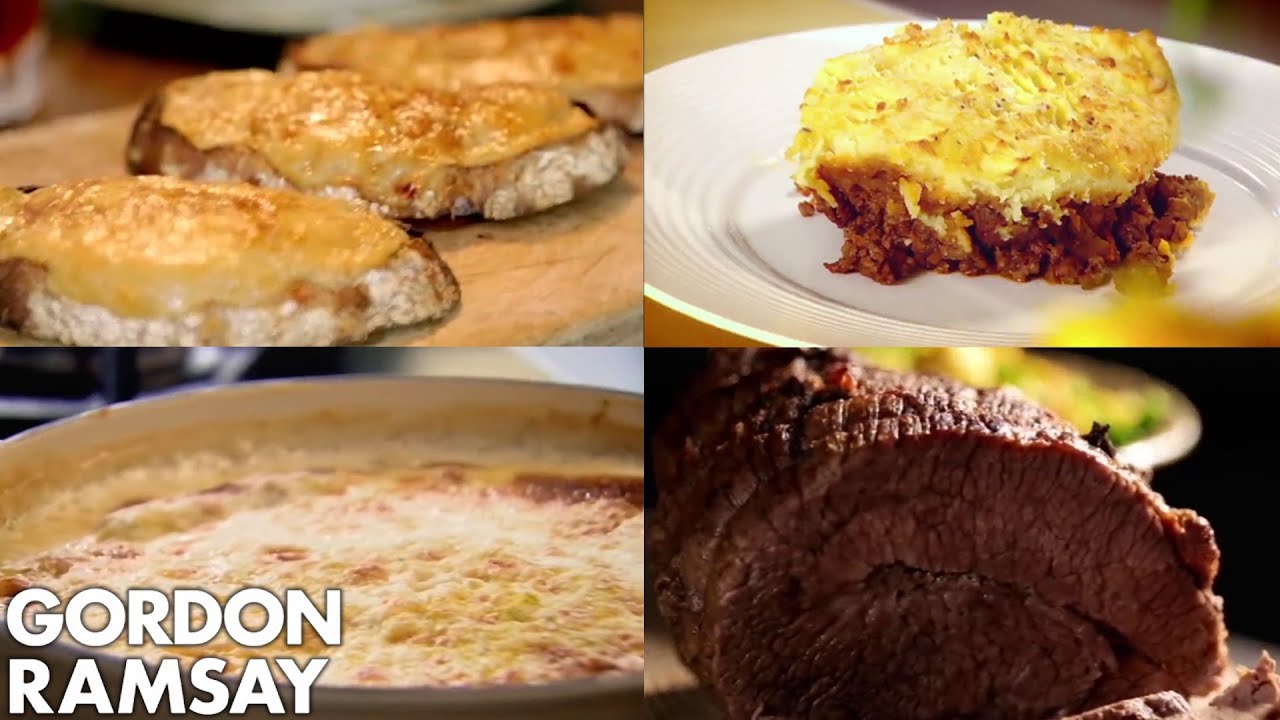
“Winter cooking is not about complexity. It is about understanding one fundamental truth: connective tissue needs time. Short ribs, braised low and slow in wine and aromatics, produce a depth of flavor that no quick-cook method can approximate. Most people fail this dish in the first ten minutes — before the meat ever hits the liquid. The sear is where it starts, and most home cooks do it wrong.”
Why This Recipe Works
Winter cooking operates on a different logic than every other season. Summer food is about restraint — bright acids, fast heat, ingredients that speak for themselves. Winter food is about transformation. You take a tough, cheap, collagen-packed cut of meat and you subject it to four hours of moist, low heat until the biology of the thing changes completely. Connective tissue that would be rubber at medium-rare dissolves into gelatin. Lean muscle that would be chalk at high heat becomes silk. The Dutch oven is not just a pot — it is a controlled environment, a steam chamber, a machine for turning time into flavor.
The Cut is the Point
Short ribs are not a compromise cut. They are not what you buy when you cannot afford ribeye. They are the correct choice for braising specifically because of their fat content, their collagen density, and the way the bone leeches flavor into the surrounding liquid over a long cook. A ribeye braised for three hours is a tragedy — you have taken an expensive, tender cut and destroyed what made it special. Short ribs braised for three hours are reaching their full potential.
The key is buying thick, well-marbled English-cut short ribs — the bone runs parallel to the meat, giving you a substantial slab on top of a collagen-rich bone. Flanken-cut (bone perpendicular, thin slices) works but yields less surface area for the sear and produces a thinner result overall. Ask your butcher specifically. Most will know immediately what you mean.
The Sear Is Not About Flavor Alone
Every cooking resource tells you to sear meat for flavor, citing the Maillard reaction. This is true but incomplete. The sear also creates a physical barrier — a crust — that slows the rate of moisture loss from the meat's interior during the long braise. Unsealed, porous meat braised for three hours loses its internal moisture into the surrounding liquid, which does concentrate flavor but also produces stringy, dry results. A proper crust traps moisture inside while still allowing the collagen to dissolve outward. You want both.
To get both, the surface must be completely dry and the pan must be smoking hot. The instant cold, wet meat hits even a very hot pan, it drops the surface temperature by 50 degrees and triggers a steam response. By the time the surface recovers its heat, three minutes have passed and you are already behind. Pat the meat dry. Season it. Let it rest. Then sear in smoking-hot oil, in batches, without touching it, for a full three to four minutes per side.
Building the Aromatic Base
The mirepoix — onion, carrot, celery — is not decoration. It is flavoring infrastructure. As the vegetables break down over ninety minutes in the oven, they release their sugars and volatile aromatics into the braising liquid, contributing a sweetness and depth that straight stock cannot approximate. The tomato paste, cooked dry in the pot before any liquid arrives, adds glutamate — the same compound responsible for the savory depth in aged cheese and soy sauce. This technique, called pinçage in classical French cooking, is the difference between a one-dimensional braise and one with true complexity.
The wine matters too, and not just for flavor. Red wine contains tannins and acids that denature proteins on the surface of the meat, contributing to the textural transformation. More importantly, the alcohol itself is a solvent for fat-soluble aromatic compounds that water cannot extract. As the wine reduces and the alcohol cooks off, those compounds remain in the sauce. Use something drinkable — not something labeled for cooking. The longer the braise, the more the wine's character concentrates, and bad wine produces bad sauce.
The Sauce Is the Finish Line
After four hours, the real work begins. You strain the braising liquid, discard the spent aromatics, and reduce what remains over high heat until it coats a spoon with a glossy, lacquer-like sheen. This is where the gelatin from the dissolved collagen reveals itself — the sauce should have visible body, pulling away from a tilted spoon in slow, thick sheets rather than running off immediately. If it runs thin, keep reducing. Nothing is wrong with it; it simply needs more time on the stove.
The finishing butter, swirled in cold off heat, is not optional affectation. Butter emulsification creates a stable, glossy sauce with rounded flavor. Without it, even a well-reduced braise can taste slightly harsh. Two tablespoons, cold, off heat, swirled vigorously until the sauce turns opaque and clingy. That is the move that takes it from good to memorable.
Where Beginners Mess This Up
Before we start, read this. These are the 4 reasons your the best winter dishes (hearty braised short ribs that actually deliver) will fail:
- 1
Searing wet meat: Moisture is the enemy of the Maillard reaction. If you pull the short ribs straight from the package and drop them in a hot pan, the surface steam prevents browning and you get pale, grey meat with no crust. Pat every surface completely dry with paper towels, season aggressively, and let the meat sit uncovered at room temperature for 20 minutes before it touches the pan.
- 2
Using a thin pan: Thin skillets and lightweight pots create catastrophic hot spots during the long braise. The bottom layer scorches while the center stays underdone. A heavy Dutch oven distributes heat evenly across the entire base and up the sides, creating a gentle, enveloping heat that coaxes collagen into gelatin without burning anything.
- 3
Adding cold liquid to a hot braise: Cold stock added to a blazing-hot Dutch oven causes thermal shock, uneven temperature drops, and can even crack ceramic cookware. Warm your stock and wine before adding — or at minimum, bring them to room temperature. The braise should maintain a consistent, low simmer from the moment it goes into the oven.
- 4
Braising at too high a temperature: Above 325°F, the muscle fibers tighten and expel moisture before the collagen has time to dissolve. The result is dry, stringy meat swimming in thin liquid. The sweet spot is 300-310°F. Low enough to keep the liquid barely quivering. Patience, not heat, is the tool.
The Video Reference Library
Want to see it in action? Here are the exact videos we analyzed and combined to build this foolproof recipe translation:
A comprehensive walkthrough of the braising technique from sear to sauce reduction. Excellent for understanding what the meat should look and feel like at each stage of the cook.
Deep dive into the collagen-to-gelatin conversion that makes braised meat so tender. Explains exactly why low temperature and long time produces better results than high heat shortcuts.
Strips the technique down to fundamentals without sacrificing the result. Best starting point if this is your first braise — clear instructions on building the aromatic base and balancing the wine.
🛠️ Core Equipment
- Heavy enameled Dutch oven (at least 5.5 quarts)The workhorse of winter cooking. Enameled cast iron holds heat exceptionally well, distributes it evenly, and transitions seamlessly from stovetop sear to oven braise without any adjustment. The tight-fitting lid traps steam and bastes the meat continuously.
- Instant-read thermometerBraised meat is done by texture, not temperature — but an instant-read thermometer lets you monitor your oven's actual temperature, which often differs from the dial by 25 degrees or more. Buy an oven thermometer and trust it over the knob.
- Fine-mesh sieve or fat separatorShort ribs release significant fat into the braising liquid. Straining and defatting the sauce before serving transforms a greasy broth into a glossy, restaurant-worthy reduction. Essential for the final plating.
- Tongs with firm gripProperly braised short ribs are so tender they will fall apart if you try to flip them with a spatula or fork. Wide, firm tongs let you turn the meat during searing and retrieve it from the pot without it disintegrating.
The Best Winter Dishes (Hearty Braised Short Ribs That Actually Deliver)
🛒 Ingredients
- ✦3.5 pounds bone-in beef short ribs (4-6 pieces)
- ✦2 tablespoons neutral oil (avocado or canola)
- ✦1 large yellow onion, roughly chopped
- ✦3 medium carrots, cut into 1-inch pieces
- ✦3 stalks celery, roughly chopped
- ✦6 garlic cloves, smashed
- ✦2 tablespoons tomato paste
- ✦1.5 cups dry red wine (Cabernet Sauvignon or Côtes du Rhône)
- ✦2 cups beef stock, warmed
- ✦3 sprigs fresh thyme
- ✦2 sprigs fresh rosemary
- ✦2 bay leaves
- ✦1 tablespoon Worcestershire sauce
- ✦1 tablespoon apple cider vinegar
- ✦1.5 pounds baby Yukon Gold potatoes, halved
- ✦2 medium parsnips, cut into 1-inch pieces
- ✦1 small turnip, cubed
- ✦2 tablespoons unsalted butter
- ✦Fresh flat-leaf parsley, chopped, for garnish
- ✦Kosher salt and freshly cracked black pepper
👨🍳 Instructions
01Step 1
Preheat your oven to 305°F. Pat the short ribs completely dry on all surfaces with paper towels. Season aggressively with kosher salt and cracked black pepper — do not be shy here. Let them sit uncovered at room temperature for 20 minutes.
02Step 2
Heat 2 tablespoons of neutral oil in a heavy enameled Dutch oven over high heat until shimmering and just beginning to smoke. Sear the short ribs in batches — do not crowd the pan — for 3-4 minutes per side until deeply browned on all surfaces. Transfer to a plate and set aside.
03Step 3
Reduce heat to medium. Add onion, carrots, and celery to the rendered fat in the pot. Cook for 6-8 minutes, stirring occasionally, until softened and beginning to caramelize at the edges. Add the smashed garlic and cook for another 2 minutes.
04Step 4
Push the vegetables to the sides and add tomato paste to the center of the pot. Cook the paste in the hot spot for 2 minutes, stirring, until it turns from bright red to brick-red and begins to smell slightly sweet. This step removes the raw, metallic edge.
05Step 5
Pour in the red wine, scraping up every browned bit from the bottom of the pot with a wooden spoon. These bits are called fond and they contain more flavor than anything else in the dish. Let the wine reduce by half, about 5 minutes.
06Step 6
Add the warmed beef stock, Worcestershire sauce, apple cider vinegar, thyme, rosemary, and bay leaves. Return the short ribs to the pot — they should be about two-thirds submerged. Bring to a gentle simmer.
07Step 7
Cover the Dutch oven with its lid and transfer to the preheated 305°F oven. Braise undisturbed for 2 hours.
08Step 8
After 2 hours, nestle the halved potatoes, parsnip pieces, and turnip cubes around the short ribs. Replace the lid and continue braising for another 45-60 minutes until the vegetables are completely tender and the meat is falling from the bone.
09Step 9
Remove the pot from the oven. Carefully lift the short ribs and vegetables onto a platter and cover loosely with foil to keep warm.
10Step 10
Strain the braising liquid through a fine-mesh sieve into a wide saucepan, pressing on the solids to extract every drop. Skim the fat from the surface, or use a fat separator. Bring to a boil over medium-high heat and reduce by one-third until glossy and slightly thickened, about 10 minutes.
11Step 11
Return the short ribs and vegetables to the pot or serve directly from the platter. Spoon the reduced sauce generously over everything. Finish with fresh chopped parsley.
Nutrition Per Serving
Estimates based on standard preparation. Adjustments alter macros.
🔄 Substitutions
Instead of Beef short ribs...
Use Bone-in lamb shoulder chops or oxtail
Both are collagen-rich cuts that braise beautifully. Lamb pairs especially well with rosemary and works with the same time and temperature. Oxtail needs an extra hour due to denser connective tissue.
Instead of Red wine...
Use Pomegranate juice plus extra beef stock
For an alcohol-free version, use 3/4 cup pomegranate juice and 3/4 cup additional stock. The tannins and acidity from pomegranate approximate what wine brings to the braise.
Instead of Parsnips and turnip...
Use Celeriac, sweet potato, or rutabaga
Any firm root vegetable works. Sweet potato breaks down faster — add it in the last 30 minutes only. Celeriac is the most elegant substitute and holds its shape well.
Instead of Beef stock...
Use Mushroom stock
For a richer umami base without additional beef flavor. Use dried porcini mushrooms steeped in hot water, then strained — the resulting liquid is deep and intensely savory.
🧊 Storage & Reheating
In the Fridge
Store cooled short ribs and vegetables submerged in the braising liquid in an airtight container for up to 4 days. The solidified fat cap on top acts as a natural preservative seal — leave it intact until you reheat.
In the Freezer
Freeze portions with sauce for up to 3 months. The sauce gels completely when frozen, which is a sign of proper collagen extraction — that gelatin is what makes the texture so luxurious.
Reheating Rules
Reheat covered in a 300°F oven for 25-30 minutes with a splash of beef stock added to the container. Stovetop works too — very low heat, covered, for 15 minutes. Microwave is workable but will toughen the edges of the meat.
❓ Frequently Asked Questions
Can I make this in a slow cooker instead of a Dutch oven?
Yes, but sear the meat in a separate pan first — do not skip this step. Transfer everything to the slow cooker and cook on LOW for 7-8 hours. You will lose the even heat distribution and the ability to reduce the sauce in the same vessel, but the result is still excellent. Reduce the strained sauce separately on the stovetop before serving.
My braising liquid is too thin. How do I fix it?
Reduce it. Strain the liquid into a saucepan and boil it over medium-high heat until it coats a spoon and has a glossy appearance. Alternatively, whisk a tablespoon of cold butter into the warm sauce off heat — this emulsifies the fat and creates body without changing the flavor.
Do I have to use bone-in short ribs?
Boneless ribs work but produce a noticeably thinner sauce. The bones release collagen into the braising liquid, which is what gives the sauce its body and glossy finish. Bone-in is always the better choice for braising.
What wine should I use?
Use any dry, full-bodied red you would actually drink — Cabernet Sauvignon, Merlot, or a Côtes du Rhône. Avoid 'cooking wine' from the grocery aisle. It contains added salt and preservatives that produce an off flavor in long braises. The rule is simple: if you wouldn't drink it, don't cook with it.
Why does my meat taste dry even though it braised for 3 hours?
Two possible causes. First, your oven temperature was too high — above 325°F the muscle fibers tighten and expel moisture before collagen softens. Second, there was not enough liquid. The short ribs should be at least two-thirds submerged throughout the braise. Check liquid levels at the two-hour mark and add warm stock if needed.
Can I make this with chicken instead of beef?
You can, but chicken thighs and drumsticks need only 1 to 1.5 hours at the same temperature. Chicken braises are excellent winter food but the collagen yield is lower, so your sauce will be thinner. Add a Parmesan rind to the braising liquid to compensate — it contributes body and a subtle savory depth.

The Science of
The Best Winter Dishes (Hearty Braised Short Ribs That Actually Deliver)
We turned everything on this page into a beautiful, flour-proof PDF cheat sheet. Print it out, stick it to your fridge, and never mess up your the best winter dishes (hearty braised short ribs that actually deliver) again.
*We'll email you the high-res PDF instantly. No spam, just perfectly cooked meals.
AlmostChefs Editorial Team
We translate the internet's most popular cooking videos into foolproof, beginner-friendly written recipes. We analyze multiple methods, test them in our kitchen, and engineer a single "Master Recipe" that gives you the best possible result with the least possible stress.