The 5-to-1 Grocery Method (Your Weekly Meal Prep, Finally Solved)
A viral budgeting framework turned into a real, repeatable one-pot meal prep system: five core whole foods cooked together in a single Dutch oven, portioned into five ready-to-eat bowls that cover your entire week. We built the foolproof version so you stop starting from scratch every night.

“Most meal prep fails because people pick five different recipes, buy twenty-three ingredients, spend three hours cooking, and burn out by Wednesday. The 5-to-1 method fixes this at the source: one pot, five ingredients, five portions, zero decisions after Sunday. We took the viral TikTok concept and turned it into an actual recipe with real quantities, proper technique, and the nutritional architecture to keep you full and stable all week.”
Why This Recipe Works
The 5-to-1 grocery method is not really about saving money. It's about removing decisions. Every behavioral study on dietary adherence arrives at the same finding: people don't fail their eating goals because they lack willpower. They fail because they run out of energy to make good decisions when tired, rushed, or stressed. The method solves this by front-loading every decision to Sunday and eliminating the question entirely for the rest of the week.
Why One Pot
The single-pot format is load-bearing, not lazy. When you cook a whole grain, lean protein, starchy vegetable, and leafy green in the same liquid, each component contributes to a shared broth that ties everything together texturally and nutritionally. The chicken releases collagen and fond into the vegetable broth. The potatoes leach starch that slightly thickens the liquid. The brown rice absorbs all of it during the long covered simmer. By the time you portion into five containers, each bowl is a complete, integrated meal — not five separate components that happen to share a container.
The Brown Rice Question
Brown rice is the right base for this method for three specific reasons. First, it's caloric anchor — three cups uncooked yields approximately fifteen cups cooked, which gives you a proper carbohydrate foundation across five servings. Second, its bran layer slows starch digestion, which produces a flatter blood glucose curve than white rice and sustains satiety for three to four hours. Third, it's shelf-stable, inexpensive, and available everywhere.
The trade-off is cook time. Brown rice needs 35-40 minutes of covered simmering to fully hydrate, which is why the method works as a batch system rather than a quick weeknight dinner. You make the time investment once. You collect the return five times.
If you use a Dutch oven, you also get even bottom heat distribution that prevents the rice from scorching during the long simmer — something thin stainless pots genuinely cannot guarantee.
The Nutritional Architecture
Each portion of this recipe delivers approximately 38 grams of protein, 8 grams of fiber, and 580 calories. That ratio — high protein, high fiber, moderate fat, complex carbohydrates — is specifically what keeps blood sugar stable between meals. The fiber from the brown rice, potato skins, bell pepper, and greens slows gastric emptying. The protein triggers sustained satiety signaling. Together they reduce the mid-afternoon energy crash that drives most poor food decisions.
This is also why the substitutions in this recipe are structurally constrained. You can swap chicken for tofu and russet for sweet potato because the category function remains the same. You cannot remove the starchy vegetable entirely to cut carbs — the caloric density drops below what most people need for a complete meal, and you'll be hungry by mid-morning.
The Acid Finish
The balsamic vinegar and lemon juice added at the end are not garnish. Acid brightens every flavor compound in the pot — it's doing the same work a pinch of salt does, but at the molecular level it's a different mechanism. Acetic acid in the balsamic interacts with volatile aromatic compounds from the garlic, paprika, and oregano, making them more perceptible to your palate. The lemon adds a sharp high note that cuts through the richness of the olive oil and the earthiness of the brown rice.
When you reheat from the fridge on day three, add a fresh squeeze of lemon. It costs nothing and makes the meal taste cooked today instead of cooked last Sunday.
The Real System
Five portions in five containers, labeled Monday through Friday, stacked in the fridge. You open the door in the morning, grab the right container, and the question of lunch or dinner is already answered. No app, no plan, no willpower required.
That's the method. The recipe is just the implementation.
Where Beginners Mess This Up
Before we start, read this. These are the 4 reasons your the 5-to-1 grocery method (your weekly meal prep, finally solved) will fail:
- 1
Buying five expensive or highly perishable ingredients: The entire point of this method is low-cost, long shelf-life staples. If you pick salmon, arugula, and heirloom tomatoes as your five, you've missed the point. The five must be a whole grain, a lean protein, a starchy vegetable, a leafy green, and a liquid base. Anything outside that structure breaks the caloric and textural balance across the week.
- 2
Not rinsing the brown rice: Brown rice has a bran layer coated in surface starch that turns the cooking liquid into paste if you skip the rinse. Run it under cold water for 60 seconds until the runoff goes from cloudy to clear. This one step is the difference between fluffy, distinct grains and a gummy mass.
- 3
Adding the greens too early: Spinach and kale added at the start of the cook turn into dark, slimy threads with no textural contribution. They go in at the very end, stirred into the hot mixture just before portioning. Residual heat wilts them perfectly in under two minutes without destroying their color or nutrients.
- 4
Skipping the rest period after cooking: Brown rice needs five minutes off-heat, lid on, after the simmer ends. The residual steam finishes the center of each grain without overcooking the outside. Lift the lid early and you get a wet top layer with chalky centers underneath.
The Video Reference Library
Want to see it in action? Here are the exact videos we analyzed and combined to build this foolproof recipe translation:
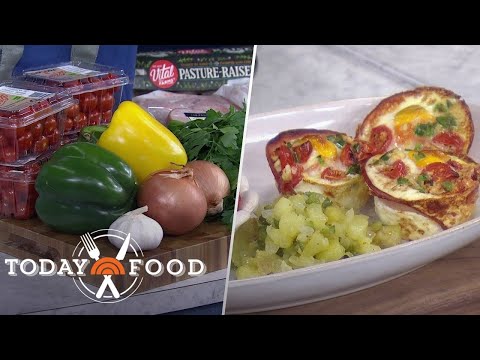
The original TikTok concept explained with practical grocery shopping context. Good foundation for understanding the five-category framework before you cook.
2. Budget Meal Prep for the Week
A structured walkthrough of batch-cooking whole grains and proteins for the week, with portioning and storage guidance that pairs well with this method.
3. How to Meal Prep Like a ProCovers the logistics of Sunday batch cooking — containers, labeling, reheating — that make the 5-to-1 method sustainable beyond a single week.
🛠️ Core Equipment
- Dutch oven or heavy-bottomed pot (6-quart minimum) ↗You need even heat distribution to prevent the bottom rice layer from scorching during the 40-minute covered simmer. Thin pots create hot spots. A [Dutch oven](/kitchen-gear/review/dutch-oven) is the single most important piece of equipment in this recipe.
- Fine-mesh sieve or colander ↗For rinsing the brown rice properly. A large-hole colander lets grains fall through. The mesh size matters — rice grains are small.
- Five airtight meal prep containers (glass preferred) ↗You're portioning five identical servings at the end of one cook session. Glass containers reheat evenly without leaching chemicals into warm food. Label with the day of the week so the decision is already made.
- Sharp chef's knife and cutting board ↗Uniform two-inch chicken chunks and half-inch potato cubes matter here — mismatched sizes mean some pieces are overcooked while others are undercooked by the time the rice finishes. Consistent cuts equal consistent results.
The 5-to-1 Grocery Method (Your Weekly Meal Prep, Finally Solved)
🛒 Ingredients
- ✦2 pounds boneless, skinless chicken breasts, cut into 2-inch chunks
- ✦3 cups long-grain brown rice, uncooked
- ✦4 medium orange bell peppers, stemmed, seeded, and diced
- ✦6 cups fresh spinach or kale, roughly chopped
- ✦2 pounds russet potatoes, medium-sized, cubed into half-inch pieces (skin on)
- ✦3 tablespoons extra virgin olive oil, divided
- ✦1 large yellow onion, finely diced
- ✦6 cloves fresh garlic, minced
- ✦2 teaspoons sea salt
- ✦1 teaspoon freshly cracked black pepper
- ✦1 teaspoon dried oregano
- ✦1 teaspoon smoked paprika
- ✦4 cups low-sodium vegetable broth
- ✦2 tablespoons balsamic vinegar
- ✦1 lemon, halved
👨🍳 Instructions
01Step 1
Rinse the brown rice under cold water in a fine-mesh sieve for 60 seconds, until the water runs clear. Set aside to drain.
02Step 2
Cube the potatoes into half-inch pieces, leaving the skin on. Cut the chicken breasts into uniform 2-inch chunks and season generously with sea salt and black pepper. Dice the bell peppers and mince the garlic.
03Step 3
Heat 2 tablespoons olive oil in a large Dutch oven over medium-high heat. Add the diced onion and sauté for 3 minutes, stirring occasionally, until softened at the edges.
04Step 4
Add the minced garlic and cook for 1 minute until fragrant. Stir in the smoked paprika and dried oregano and toast for 30 seconds.
05Step 5
Add the seasoned chicken chunks to the pot and cook for 5-7 minutes, stirring occasionally, until the outside is opaque and lightly golden. You are not cooking it through — just building color.
06Step 6
Pour in the vegetable broth, scraping up any browned bits from the bottom of the pot. Bring to a gentle boil, then reduce to a simmer and cook for 10 minutes.
07Step 7
Add the cubed potatoes and diced bell peppers. Stir to combine. Add the rinsed brown rice, reduce heat to medium-low, cover with a tight-fitting lid, and simmer for 35-40 minutes.
08Step 8
Remove from heat. Leave the lid on and rest for 5 minutes.
09Step 9
Stir in the chopped greens and drizzle with balsamic vinegar. The residual heat will wilt the greens within 90 seconds.
10Step 10
Squeeze fresh lemon juice over the entire pot. Taste and adjust salt and pepper.
11Step 11
Divide the mixture into five equal portions and transfer to labeled, airtight containers. Refrigerate immediately.
Nutrition Per Serving
Estimates based on standard preparation. Adjustments alter macros.
🔄 Substitutions
Instead of Boneless, skinless chicken breasts...
Use Firm tofu or tempeh, cubed
Complete plant-based protein that holds its structure during the long simmer. Press the tofu for 20 minutes before cutting to remove excess water, or it dilutes the broth.
Instead of Long-grain brown rice...
Use Wild rice blend or quinoa
Wild rice adds a nuttier, chewier texture and higher fiber content. Quinoa cooks faster — reduce the covered simmer to 20-25 minutes if substituting quinoa and watch the liquid level.
Instead of Russet potatoes...
Use Sweet potatoes or cauliflower florets
Sweet potatoes add beta-carotene and subtle sweetness that pairs well with the smoked paprika. Cauliflower reduces overall carb density significantly — good if you're tracking macros.
Instead of Extra virgin olive oil...
Use Avocado oil or ghee
Avocado oil has a higher smoke point and neutral flavor. Ghee adds a nutty richness that deepens the onion and chicken sauté noticeably.
🧊 Storage & Reheating
In the Fridge
Store in airtight containers for up to 4 days. The brown rice continues to absorb moisture overnight — add a tablespoon of broth or water before reheating.
In the Freezer
Freeze individual portions for up to 2 months. Thaw overnight in the refrigerator. Add fresh lemon juice after reheating to restore brightness.
Reheating Rules
Add 1-2 tablespoons of water or broth to the container, cover loosely, and microwave for 2-3 minutes on medium power, stirring halfway through. Stovetop in a small pan with a lid works equally well.
❓ Frequently Asked Questions
Why is my brown rice still crunchy after 40 minutes?
Either the heat was too low, the lid wasn't sealing properly, or you didn't have enough liquid. Brown rice needs a genuine simmer — not just warmth — to fully hydrate the bran layer. If the broth absorbs before the rice is done, add a quarter cup of hot water and continue simmering with the lid on.
Can I use white rice instead of brown?
Yes, but reduce the covered simmer to 18-20 minutes. White rice cooks significantly faster. If you run the full 40-minute cook time with white rice, you'll have a thick porridge instead of distinct grains.
Do all five meals taste the same?
Yes — and that's a feature, not a bug. The 5-to-1 method is a consistency system, not a variety system. If you want variety week-to-week, rotate your five ingredients. Within a single week, the goal is zero daily decisions about what to eat.
Can I add more than five ingredients?
You can add pantry staples (salt, oil, spices, acid) freely — they don't count as your five. What you can't do is add a sixth primary ingredient category without breaking the proportional balance. More primary ingredients means smaller portions of each, which undermines the nutritional completeness of every bowl.
Is this method actually cheaper than regular grocery shopping?
In most US markets, this full recipe (five servings) comes to $12-18 depending on where you shop. That's $2.40-$3.60 per meal. By comparison, a fast-casual bowl averages $12-16 per serving. The method pays for itself on day two.
What if I don't like one of the five ingredients by Thursday?
This is a known failure mode. The fix is to add a different finishing sauce to each day's portion before refrigerating — one gets tahini, one gets hot sauce, one gets a soy-ginger drizzle. The base stays the same, the daily eating experience changes enough to hold interest.
The Science of
The 5-to-1 Grocery Method (Your Weekly Meal Prep, Finally Solved)
We turned everything on this page into a beautiful, flour-proof PDF cheat sheet. Print it out, stick it to your fridge, and never mess up your the 5-to-1 grocery method (your weekly meal prep, finally solved) again.
*We'll email you the high-res PDF instantly. No spam, just perfectly cooked meals.
AlmostChefs Editorial Team
We translate the internet's most popular cooking videos into foolproof, beginner-friendly written recipes. We analyze multiple methods, test them in our kitchen, and engineer a single "Master Recipe" that gives you the best possible result with the least possible stress.