Foolproof Sheet Pan Chicken and Vegetables (The 30-Minute Weeknight Formula)
One pan, four burners off, dinner on the table in 30 minutes. This sheet pan chicken and roasted vegetable method eliminates the weeknight decision fatigue spiral by giving you a single technique that works with whatever protein and produce you have on hand. We reverse-engineered the most-watched weeknight dinner videos to distill the method down to five variables that actually matter.
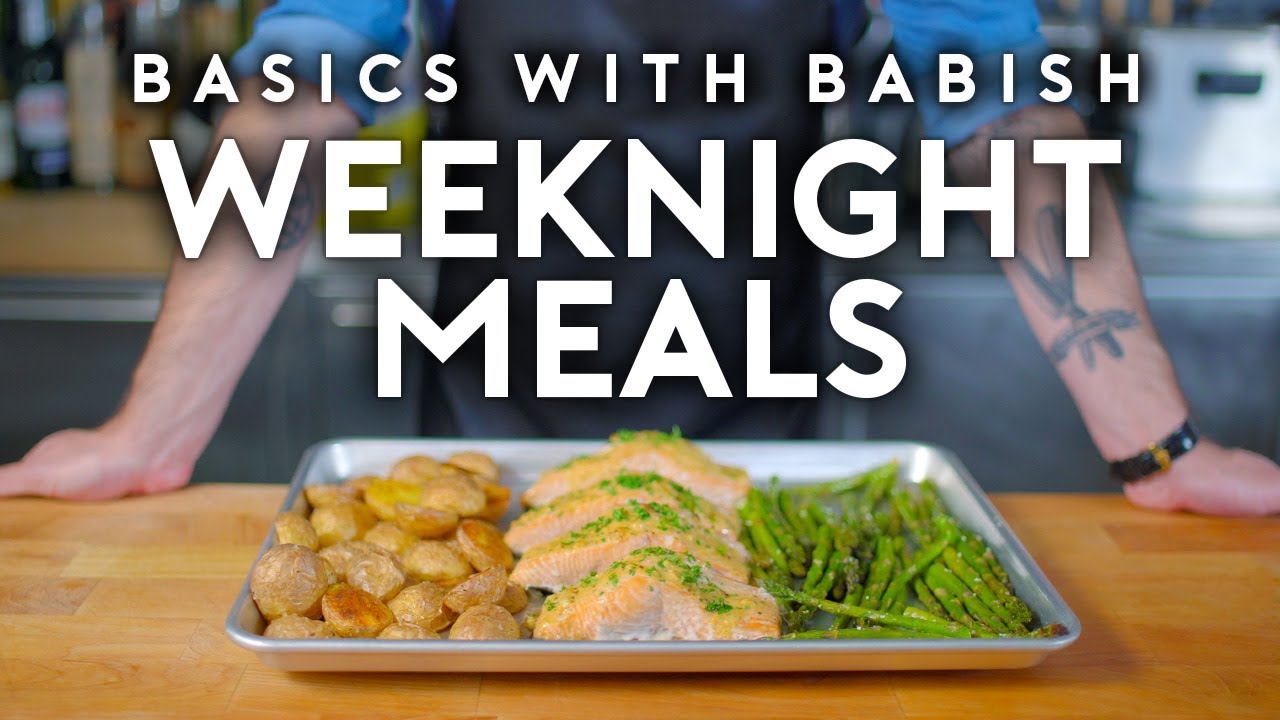
“The average American household makes the same seven dinners on rotation. Not because they lack ambition — because weeknight cooking has a time budget, a cleanup budget, and an energy budget, and most recipes respect none of them. This sheet pan formula respects all three. One pan, one temperature, one rule: everything on the pan must finish cooking at the same time. Once you understand how to make that happen, weeknight dinner stops being a problem.”
Why This Recipe Works
Weeknight cooking fails not because people are bad cooks, but because most weeknight recipes are designed by people who cooked them once, under ideal conditions, on a Saturday afternoon. The real weeknight equation is this: you have 30 minutes, one functioning brain cell left after work, a refrigerator that contains approximately what you remember buying three days ago, and zero tolerance for dishes that require more than one pan. This recipe was built around that equation rather than around the fantasy of a well-rested home cook with a full pantry and nowhere to be.
The Sheet Pan Is a Heat Management System
The reason sheet pan dinners work — when they work — is not because dumping everything on a pan is inherently brilliant. It's because a correctly loaded sheet pan creates three distinct heat zones that cook different components at different rates simultaneously. The base of the pan conducts dry, direct heat upward. The circulating oven air delivers convective heat from all sides. And the residual radiant heat from the oven walls provides an ambient envelope that keeps the overall temperature uniform. The sheet pan is not a passive container. It's an active cooking system, and the way you load it determines whether that system produces excellent dinner or expensive compost.
Understanding the heat architecture explains every decision in this recipe. The potatoes go in first because starch requires prolonged conductive heat to gelatinize properly — you can't shortcut that with more intense heat without burning the exterior before the interior softens. The chicken goes on a wire rack because the skin needs circulating air underneath to render and crisp, not a pool of its own fat to stew in. The cherry tomatoes go on last because their thin skins burst immediately at 425°F, and you want them collapsing into jammy, concentrated sweetness rather than disintegrating into nothing.
Why Bone-In Thighs Win Every Time
Chicken thighs are the correct cut for weeknight cooking, and the bone-in specification is not aesthetic — it's thermal. Bone tissue conducts heat more slowly than muscle, which means a bone-in thigh cooks from the outside in at a slower, more controlled rate than a boneless cutlet. This gives you a wider margin of error. A boneless chicken breast goes from perfectly cooked to dry and chalky in about four minutes at this temperature. A bone-in thigh gives you a ten-minute window. When you're also monitoring vegetables, answering a text, and helping someone with homework, that margin is the difference between dinner success and dinner apology.
The skin is the other argument. Chicken thigh skin contains a substantial fat layer that, when rendered at high heat, essentially self-bastes the meat below it while crisping into a savory, crackled shell. No butter needed. No basting needed. The fat is already there — your job is simply to give it the conditions to render. Dry skin, high heat, elevated position on the rack. The chicken handles the rest.
Seasoning That Works Through the Dish
The spice paste in this recipe — paprika, oregano, garlic powder, onion powder, red pepper flakes — is not a surface coating. It's a flavor transfer mechanism. When that paste goes under the skin and into direct contact with the meat, the fat-soluble compounds in the spices dissolve into the rendering chicken fat during roasting and permeate the entire thigh from inside out. At the same time, the spices on the outside of the skin caramelize in the oven heat, building a second flavor layer with a different chemical profile — roasted rather than raw.
This is why the spice mix contains both fresh garlic (which goes under the skin where it won't burn) and garlic powder (which sits on the skin surface where it handles high heat better than fresh). Each form of garlic delivers a different flavor note. Fresh garlic contributes sharp, volatile aromatics that bloom early. Garlic powder contributes deeper, slightly sweet roasted notes that develop over the full cook time. Together they produce a layered garlic flavor that neither form achieves alone.
The Finishing Logic
Lemon juice and fresh parsley added after the oven does something that no amount of pre-seasoning can replicate: they contribute brightness. Everything that comes out of a 425°F oven has been hit by sustained dry heat for 30 minutes. The flavor profile shifts toward rich, deep, and savory. Lemon juice cuts through that richness with acidity; parsley adds chlorophyll-driven freshness that the heat has cooked out of everything else on the pan. This is why the finishing step exists — not as garnish, but as flavor correction. A squeeze of lemon and a handful of fresh herbs is the fastest way to make a roasted pan dinner taste like it was made with intention.
Where Beginners Mess This Up
Before we start, read this. These are the 4 reasons your foolproof sheet pan chicken and vegetables (the 30-minute weeknight formula) will fail:
- 1
Overcrowding the sheet pan: This is the number one weeknight dinner killer. When vegetables are packed edge-to-edge, they steam instead of roast. Steam produces limp, waterlogged produce with no caramelization. Everything on the pan needs at least a half-inch of clearance on all sides so hot air can circulate freely. If your pan is too small, use two.
- 2
Cooking everything at the same size: Dense vegetables like carrots and potatoes take longer to cook than zucchini or cherry tomatoes. If you cut everything into uniform chunks without accounting for density, you'll have chalky potatoes next to mushy squash. Cut dense vegetables smaller and delicate vegetables larger so they all finish at the same time.
- 3
Under-seasoning before it goes in the oven: Seasoning after roasting is a patch job. Salt draws moisture out of vegetables during cooking, which accelerates caramelization and concentrates flavor. If you season at the table, you get salty surface flavor without the depth that comes from salt working through the cooking process. Season aggressively before the pan goes in.
- 4
Pulling the chicken before it rests: Chicken thighs sliced immediately after leaving the oven lose a significant portion of their accumulated juices onto the cutting board. A five-minute rest lets those juices redistribute back into the muscle fibers. This is the difference between chicken that eats dry and chicken that eats juicy.
The Video Reference Library
Want to see it in action? Here are the exact videos we analyzed and combined to build this foolproof recipe translation:
A clear, methodical walkthrough of the sheet pan technique that covers vegetable sizing, seasoning ratios, and how to read the pan for doneness cues. Best entry point for understanding why this method works at a physical level.
Focuses on the timing strategy for weeknight cooking — how to set up your mise en place in under 10 minutes and build a reliable dinner routine around a handful of repeatable techniques.
Deep dive into the science of high-heat roasting, including why pan material matters and how to adjust oven temperature when cooking from frozen or refrigerator-cold protein.
🛠️ Core Equipment
- Heavy rimmed sheet pan (half-sheet size)The rim keeps juices from running into the oven floor. Half-sheet pans (18x13 inches) provide enough surface area for four servings without crowding. Thin, cheap pans warp at high heat and create uneven hot spots that burn one corner while leaving another pale.
- Instant-read thermometerChicken thighs are done at 165°F internal temperature, not when they look done. Color is unreliable — you can have fully cooked thighs that still look pink at the bone. A thermometer removes all guesswork and prevents both undercooking and the dry, overcooked result that comes from hedging your bets.
- Wire cooling rack set inside the sheet panElevating the chicken above the pan surface allows hot air to circulate underneath, crisping the skin on all sides simultaneously. Without the rack, the underside of the chicken sits in its own rendered fat and steams rather than crisps.
- Sharp chef's knifeConsistent vegetable cuts are the foundation of even cooking. A dull knife crushes and tears instead of slicing cleanly, which damages cell walls, increases moisture release, and makes even cooking harder to achieve.
Foolproof Sheet Pan Chicken and Vegetables (The 30-Minute Weeknight Formula)
🛒 Ingredients
- ✦4 bone-in, skin-on chicken thighs (about 2 pounds)
- ✦1 pound baby potatoes, halved
- ✦2 medium zucchini, cut into 1-inch half-moons
- ✦1 red bell pepper, cut into 1-inch strips
- ✦1 cup cherry tomatoes
- ✦1 medium red onion, cut into wedges
- ✦3 tablespoons olive oil, divided
- ✦4 garlic cloves, minced
- ✦1 teaspoon smoked paprika
- ✦1 teaspoon dried oregano
- ✦1/2 teaspoon garlic powder
- ✦1/2 teaspoon onion powder
- ✦1/4 teaspoon crushed red pepper flakes
- ✦1 tablespoon fresh lemon juice
- ✦1 teaspoon lemon zest
- ✦2 tablespoons fresh flat-leaf parsley, chopped
- ✦Kosher salt and freshly ground black pepper
👨🍳 Instructions
01Step 1
Preheat oven to 425°F with the rack positioned in the upper-middle position. Pat the chicken thighs completely dry with paper towels on all sides including underneath.
02Step 2
In a large bowl, toss the baby potatoes with 1 tablespoon of olive oil, 1/2 teaspoon smoked paprika, a generous pinch of salt, and black pepper. Spread them in a single layer on one half of the sheet pan.
03Step 3
Place the sheet pan with just the potatoes in the oven for 10 minutes while you prep the remaining ingredients. This gives the denser vegetables a head start.
04Step 4
Mix together the remaining smoked paprika, oregano, garlic powder, onion powder, red pepper flakes, 1 tablespoon olive oil, half the minced garlic, lemon zest, a heavy pinch of salt, and black pepper. Rub this mixture all over the chicken thighs, getting under the skin where possible.
05Step 5
Toss the zucchini, bell pepper, cherry tomatoes, and red onion with the remaining tablespoon of olive oil, the remaining minced garlic, salt, and pepper in the same bowl (no need to wash it).
06Step 6
Remove the sheet pan from the oven. Set a wire rack over the potatoes or beside them, and place the seasoned chicken thighs on the rack skin-side up. Scatter the remaining seasoned vegetables in any open spaces around the chicken and potatoes.
07Step 7
Return the pan to the oven and roast for 28-32 minutes, until the chicken skin is deeply golden and an instant-read thermometer inserted into the thickest part of a thigh reads 165°F.
08Step 8
Transfer the chicken to a cutting board and let it rest for 5 minutes. While it rests, toss the vegetables on the pan with the lemon juice and taste for seasoning.
09Step 9
Scatter fresh parsley over the vegetables. Serve the chicken thighs directly alongside the pan vegetables.
Nutrition Per Serving
Estimates based on standard preparation. Adjustments alter macros.
🔄 Substitutions
Instead of Chicken thighs...
Use Salmon fillets or skin-on chicken drumsticks
Salmon reduces cook time to 12-15 minutes total. Drumsticks need 5-8 additional minutes and benefit from a brief broil at the end to crisp the skin. Adjust vegetable sizing accordingly.
Instead of Baby potatoes...
Use Cubed sweet potato or butternut squash
Sweet potato and squash caramelize slightly sweeter due to higher sugar content. Cut them slightly smaller than you would baby potatoes since they tend to soften faster.
Instead of Olive oil...
Use Avocado oil
Avocado oil has a higher smoke point (520°F vs 375°F for olive oil), making it slightly more appropriate for 425°F roasting. Flavor is more neutral — the pan drippings and spices become more prominent.
Instead of Fresh parsley...
Use Fresh basil, fresh dill, or microgreens
Each herb shifts the flavor profile slightly. Dill reads as Mediterranean, basil as Italian, microgreens as contemporary-neutral. All work. Use what you have.
🧊 Storage & Reheating
In the Fridge
Store chicken and vegetables separately in airtight containers for up to 4 days. The skin loses its crispiness but the flavor holds and improves.
In the Freezer
Freeze cooked chicken thighs for up to 3 months. Vegetables do not freeze well after roasting — they turn mushy on thaw. Freeze chicken only.
Reheating Rules
Reheat chicken in a 375°F oven on a sheet pan for 12-15 minutes uncovered to restore some exterior texture. Microwave reheating is faster but softens the skin completely. Reheat vegetables in a hot skillet with a drizzle of olive oil for 3-4 minutes.
❓ Frequently Asked Questions
Can I use frozen vegetables instead of fresh?
You can, but you must thaw and thoroughly dry them first. Frozen vegetables release enormous amounts of water as they heat, which will steam everything on the pan and prevent caramelization entirely. Spread thawed frozen vegetables on a clean kitchen towel, press firmly, and pat dry before tossing with oil.
Why does my chicken skin come out rubbery?
Three possible causes: the skin was wet before going in the oven, the oven temperature was too low, or the chicken was covered or too close to other vegetables. Crispy skin requires dry surface, high heat, and circulating hot air. Address all three and the problem disappears.
Can I use boneless skinless chicken breasts instead of thighs?
Yes, but they require significant adjustments. Pound them to an even 3/4-inch thickness, reduce the oven to 400°F, and pull them at 155°F internal temperature (they'll carry-over to 165°F during resting). Breasts are far less forgiving — even two minutes over the target temperature produces dry, chalky meat.
How do I know when the vegetables are done if I'm not using a thermometer?
Roasted vegetables are done when they're golden-brown at the edges, fork-tender through the center, and slightly shrunken from their raw size. Cherry tomatoes should be blistered and starting to collapse. Potatoes should offer no resistance when pierced. If any of those conditions aren't met, give it another five minutes.
My garlic is burning before the chicken is cooked. What am I doing wrong?
Minced garlic burns fast at 425°F, especially if it's sitting on the pan surface unprotected. Toss it thoroughly with the vegetables so it stays coated in oil, or push it underneath a layer of vegetables rather than leaving it exposed on top. Alternatively, use garlic powder instead of fresh — it handles sustained high heat without burning.
Can I make this dairy-free and gluten-free?
This recipe is already both. There are no dairy or gluten-containing ingredients in the base formula. Check your smoked paprika and any additional spice blends for hidden additives, but the core method is naturally allergen-light.

The Science of
Foolproof Sheet Pan Chicken and Vegetables (The 30-Minute Weeknight Formula)
We turned everything on this page into a beautiful, flour-proof PDF cheat sheet. Print it out, stick it to your fridge, and never mess up your foolproof sheet pan chicken and vegetables (the 30-minute weeknight formula) again.
*We'll email you the high-res PDF instantly. No spam, just perfectly cooked meals.
AlmostChefs Editorial Team
We translate the internet's most popular cooking videos into foolproof, beginner-friendly written recipes. We analyze multiple methods, test them in our kitchen, and engineer a single "Master Recipe" that gives you the best possible result with the least possible stress.