The Weekly Meal Prep Formula (Cook Once, Eat Well All Week)
A modular meal prep system that produces four days of balanced, satisfying lunches from a single 90-minute Sunday session. Built around interchangeable components — a grain base, a roasted protein, two vegetables, and a bold sauce — so nothing feels repetitive by Thursday.
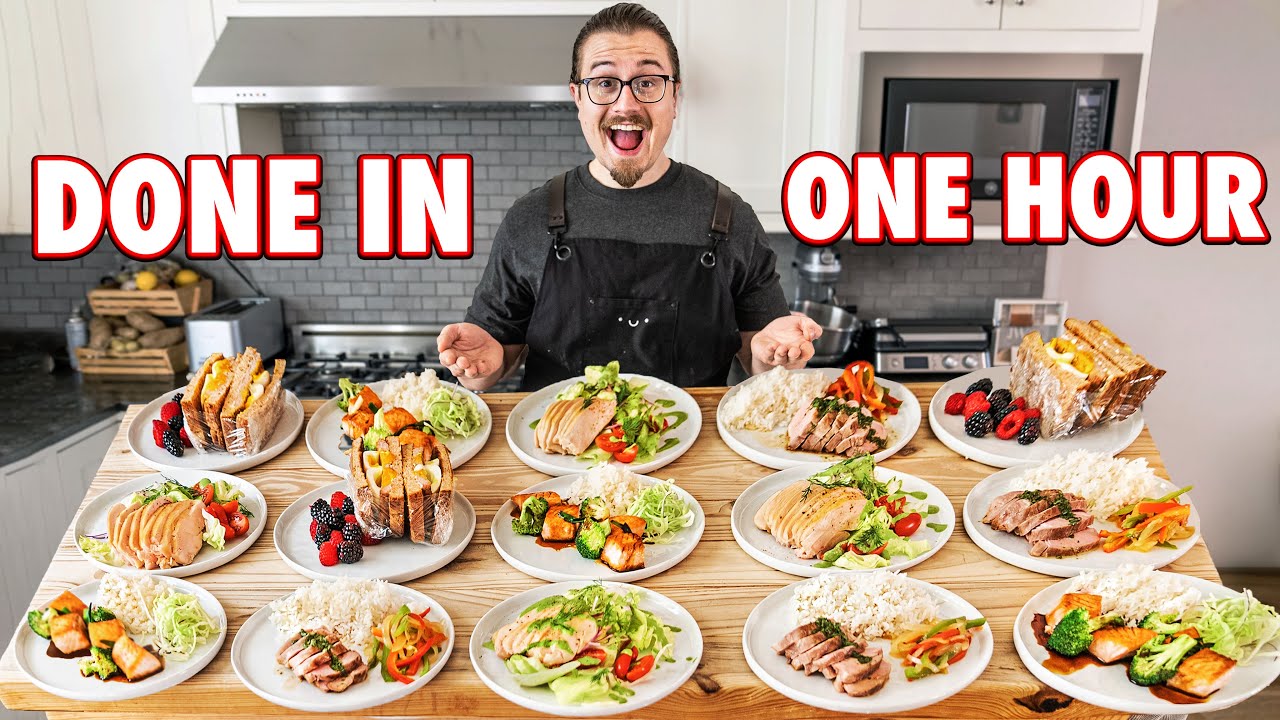
“Most people abandon meal prep by Tuesday because everything tastes the same and nothing reheats well. The fix isn't a better recipe — it's a better system. This formula gives you four interchangeable components that combine into twelve distinct lunch configurations, so you're never eating the same thing twice even when you cooked everything at once. Sunday afternoon in, Thursday handled.”
Why This Recipe Works
Meal prep fails not because people lack discipline, but because most meal prep advice is designed by people who think eating the same thing four days in a row is a personality trait rather than a design flaw. This formula is built differently. It treats Sunday cooking not as batch production of a single recipe, but as component manufacturing — producing interchangeable building blocks that assemble into distinct meals rather than identical ones.
The Component Logic
The system has four layers: a grain base, a seasoned protein, two roasted vegetables, and a bold sauce. Every component is stored separately and assembled at mealtime. This single architectural decision separates functional meal prep from the kind that ends with you eating cereal by Wednesday because you can't face another identical container.
Brown rice is the default grain because it has the most neutral flavor profile of any whole grain and the best texture after refrigeration. Quinoa is faster and higher in protein. Farro adds a nutty chewiness that works particularly well with root vegetables. Whichever you choose, cook it in seasoned broth instead of water — the grain absorbs liquid flavor as it cooks, and that foundational seasoning is the difference between a grain that tastes like a vehicle and one that tastes like an ingredient. A large saucepan with a properly fitting lid ensures even steam distribution throughout the cooking process.
Why Chicken Thighs Survive the Week
Breast meat is unforgiving. Cook it to the wrong temperature or store it two days too long and it turns chalky and dry — fine fresh, miserable reheated. Thighs have enough intramuscular fat and connective tissue to stay moist and flavorful through four days of refrigeration and microwave reheating. The target internal temperature is 185°F, not the standard 165°F food-safety threshold. At 185°F, the collagen in the thigh meat converts to gelatin, giving you tender, yielding protein that improves with resting rather than stiffening as it cools. An instant-read thermometer removes all guesswork from this critical window.
The soy sauce marinade is doing double duty as both flavor and brine. Salt from the soy penetrates the muscle fibers and restructures them to retain more moisture during cooking — the same principle behind dry-brining a steak before searing. A minimum 10-minute marinade does something. An overnight marinade in the refrigerator does noticeably more. If you're serious about day-four lunch quality, prep the marinade Saturday night.
The Parallel Roasting Principle
This is where most meal prep sessions go wrong: everything ends up on one pan. A half-sheet pan measures 18 by 13 inches, which sounds generous until you're trying to fit two pounds of sweet potatoes, a head of broccoli, and a can of chickpeas on it simultaneously. The crowded pan drops the oven temperature, traps moisture, and the vegetables steam instead of roast. You get soft, gray, flavorless vegetables instead of caramelized, deeply browned, intensely flavored ones. Use two pans. Rotate them halfway through. The caramelization you achieve in a properly spaced oven is the single biggest flavor upgrade available in this entire system.
The Sauce Is the System
A bowl of grain, protein, and vegetables without sauce is not a meal — it's components waiting to become one. The tahini sauce in this formula is designed specifically for meal prep longevity: tahini is shelf-stable, acid from lemon juice keeps the sauce bright over multiple days, and garlic mellows rather than sharpens as it sits in the refrigerator. The result is a sauce that tastes as good on day four as day one, which almost nothing else achieves.
The technique matters too. Tahini seizes dramatically when first combined with liquid, a behavior that panics first-time makers into thinking they've ruined the batch. They haven't. The tahini-water emulsion requires patient, continuous whisking and the addition of warm water in small increments. The paste will loosen progressively into a smooth, glossy sauce that clings to grain and protein without pooling at the bottom of the container.
Store the sauce in a jar completely separate from the other components. This is the hill worth dying on. Dressed grain is a time bomb. Undressed grain stored with unsauced protein is Tuesday's lunch waiting to happen.
Where Beginners Mess This Up
Before we start, read this. These are the 4 reasons your the weekly meal prep formula (cook once, eat well all week) will fail:
- 1
Cooking everything in one roasting pan: Crowding vegetables and protein into a single pan drops the oven temperature and causes steaming instead of roasting. Everything turns soft and gray instead of caramelized and flavorful. Use separate sheet pans and rotate them halfway through for even browning on all surfaces.
- 2
Storing everything assembled: Pre-assembled bowls with sauce on top turn to mush by day two. Grain absorbs sauce, protein loses its texture, and the whole thing tastes like sad leftovers. Store each component separately in stackable containers and assemble at mealtime. Two extra minutes, completely different experience.
- 3
Skipping the sauce: Dry meal prep is the primary reason people order takeout instead of eating what they made. A bold, acid-forward sauce does three things: it adds moisture when reheating, creates the illusion of freshness, and masks the inevitable texture decline of day-four protein. The sauce is not optional.
- 4
Under-seasoning at every stage: Meal prep is eaten cold or reheated, and both conditions mute flavor. Season aggressively at every step — salt the grain water, season the vegetables before and after roasting, marinate the protein rather than just salting it. Food that tastes perfectly seasoned hot will taste bland cold.
The Video Reference Library
Want to see it in action? Here are the exact videos we analyzed and combined to build this foolproof recipe translation:
The source video for this formula. Covers the component-based approach to batch cooking that makes four different lunches from one 90-minute session, with strong technique on parallel roasting.
A foundational breakdown of how to build a modular meal prep system from scratch, covering storage strategy, reheating technique, and why component-based cooking beats recipe-based cooking for weekly prep.
Focused on maximizing protein across four lunches without repeating the same dish. Strong section on marinating chicken thighs for extended storage and building sauces that hold up through the week.
🛠️ Core Equipment
- Two half-sheet pansOne for protein, one for vegetables. Crowding a single pan causes steaming instead of roasting. The extra pan is non-negotiable for proper caramelization and browning.
- Large saucepan with lidFor cooking the grain base. A heavy-bottomed pan distributes heat evenly and prevents the bottom layer from scorching during the low-heat rest phase.
- Four airtight glass containers (divided or stackable)Glass reheats more evenly than plastic and doesn't absorb odors. Divided containers keep components separate without requiring extra storage space. Invest once and the system runs indefinitely.
- Instant-read thermometerChicken thighs at 165°F are safe. At 185°F they're tender. Cooking to feel when meal prepping in bulk leads to inconsistent results across the batch. A thermometer removes all guesswork.
The Weekly Meal Prep Formula (Cook Once, Eat Well All Week)
🛒 Ingredients
- ✦2 cups dry brown rice or quinoa
- ✦3.5 cups water or low-sodium chicken broth
- ✦1.5 pounds boneless skinless chicken thighs
- ✦3 tablespoons olive oil, divided
- ✦2 tablespoons soy sauce
- ✦1 tablespoon rice vinegar
- ✦1 teaspoon smoked paprika
- ✦1 teaspoon garlic powder
- ✦1 medium head broccoli, cut into florets
- ✦2 medium sweet potatoes, peeled and cubed
- ✦1 can (15 oz) chickpeas, drained and rinsed
- ✦1/2 teaspoon cumin
- ✦1/2 teaspoon coriander
- ✦Sea salt and freshly ground black pepper to taste
- ✦4 cups mixed greens or shredded kale (for serving)
- ✦1/2 cup tahini
- ✦3 tablespoons fresh lemon juice
- ✦1 garlic clove, minced
- ✦3-4 tablespoons warm water (to thin sauce)
- ✦1 tablespoon honey or maple syrup
- ✦Sesame seeds and red pepper flakes (optional, for garnish)
👨🍳 Instructions
01Step 1
Preheat oven to 425°F. Bring water or broth to a boil in a large saucepan. Add the dry grain, stir once, reduce heat to low, cover, and cook — 45 minutes for brown rice, 15 minutes for quinoa.
02Step 2
While the grain cooks, marinate the chicken thighs. Combine soy sauce, rice vinegar, smoked paprika, garlic powder, 1 tablespoon olive oil, and a generous pinch of black pepper in a bowl. Add chicken and toss to coat. Let sit for at least 10 minutes.
03Step 3
Toss the broccoli florets with 1 tablespoon olive oil, salt, and pepper on one half-sheet pan. On a second half-sheet pan, toss the sweet potato cubes and drained chickpeas with the remaining olive oil, cumin, coriander, salt, and pepper.
04Step 4
Place the chicken thighs directly on the sheet pan with the sweet potatoes and chickpeas (or on their own pan if you have a third). Place both vegetable pans in the oven. Roast for 25-30 minutes, rotating pans once halfway through, until vegetables are caramelized at the edges and chicken reads 185°F internal.
05Step 5
While everything roasts, make the tahini sauce. Whisk together tahini, lemon juice, minced garlic, and honey. Add warm water one tablespoon at a time until the sauce is pourable but still thick enough to coat a spoon. Season with salt.
06Step 6
Remove everything from the oven. Let the chicken rest for 5 minutes, then slice against the grain into strips.
07Step 7
Fluff the cooked grain with a fork and spread it out on a sheet pan or large plate for 3-4 minutes to release excess steam. This prevents condensation buildup in the storage containers, which turns grain mushy overnight.
08Step 8
Divide the grain, sliced chicken, roasted vegetables, and chickpeas into four equal portions in separate airtight containers. Store the tahini sauce in a small jar. Store mixed greens separately. Refrigerate all components for up to 4 days.
09Step 9
To serve: reheat grain, chicken, and roasted vegetables briefly (60-90 seconds in the microwave with a damp paper towel on top to prevent drying). Add fresh greens, drizzle tahini sauce generously, and garnish with sesame seeds and red pepper flakes.
Nutrition Per Serving
Estimates based on standard preparation. Adjustments alter macros.
🔄 Substitutions
Instead of Chicken thighs...
Use Canned or dried lentils
Full plant-based swap. Cook 1.5 cups dry lentils separately in seasoned broth. Season the same way as the chicken marinade. Lentils hold well through day four with no texture degradation.
Instead of Brown rice...
Use Cauliflower rice
Dramatically reduces carb load. Roast cauliflower rice on a sheet pan at 425°F for 15 minutes until edges are golden. Texture is best day one and two — it softens considerably by day four.
Instead of Tahini sauce...
Use Greek yogurt herb dressing
Whisk 1 cup Greek yogurt with lemon juice, garlic, dill, and salt. Lighter than tahini with more protein. Does not hold as well — best consumed within 3 days.
Instead of Sweet potatoes...
Use Butternut squash or beets
Butternut squash roasts identically to sweet potato and swaps in without any adjustment. Beets add dramatic color and earthiness but require 45-50 minutes at 425°F — start them first.
🧊 Storage & Reheating
In the Fridge
Store all components separately in airtight containers for up to 4 days. Do not store assembled bowls with sauce — they turn mushy within 24 hours.
In the Freezer
The cooked grain and roasted chicken freeze well for up to 2 months. Vegetables lose texture after freezing and are best consumed fresh. Freeze in individual portions for easy thawing.
Reheating Rules
Reheat grain, protein, and vegetables together with a damp paper towel over the container in the microwave for 60-90 seconds. Add fresh greens and sauce after reheating, never before.
❓ Frequently Asked Questions
How do I prevent my meal prep from tasting boring by Wednesday?
Component storage is the primary fix. If you store everything separately and assemble at mealtime, you can vary the combinations — different ratios of grain to protein, different greens, different sauce amounts — so each day feels intentionally different rather than identical. Varying your sauce between two options (tahini one day, hot sauce or vinaigrette the next) also does significant work.
Why do my roasted vegetables turn soggy in the fridge?
Two causes: overcrowding the pan during roasting (which steams instead of roasts and produces soft vegetables to begin with), and sealing hot vegetables in containers before they've cooled and released their steam. Let everything cool on the pan for 5-10 minutes before containerizing.
Can I use chicken breast instead of thighs?
You can, but thighs are significantly more forgiving. Breast meat dries out during storage and reheating — it's at its best the day it's cooked. If you prefer breast, slice it thinner before marinating and shorten roasting time to 18-20 minutes. Check at 160°F and pull immediately.
Is it worth prepping fresh vegetables on top of the roasted ones?
Yes. Keeping a container of raw cucumbers, cherry tomatoes, or shredded cabbage alongside the roasted components gives you a textural contrast element that makes the assembled bowl feel less like reheated food. The raw element also provides freshness that masks any day-four staleness.
How do I scale this for two people without wasting half a batch?
Cook the full grain and sauce quantities — they scale down poorly and store well. Halve the protein and keep one vegetable at full quantity while halving the other. This gives two people four proper lunches while minimizing any waste at the end of the week.
My tahini sauce seized up and turned into paste. What happened?
Tahini is high in fat and reacts to liquid by initially seizing — it's not broken, it's just mid-emulsification. Keep whisking and add warm water slowly, one tablespoon at a time. The paste will loosen into a smooth, pourable sauce. Cold water can cause it to seize harder; always use warm water.

The Science of
The Weekly Meal Prep Formula (Cook Once, Eat Well All Week)
We turned everything on this page into a beautiful, flour-proof PDF cheat sheet. Print it out, stick it to your fridge, and never mess up your the weekly meal prep formula (cook once, eat well all week) again.
*We'll email you the high-res PDF instantly. No spam, just perfectly cooked meals.
AlmostChefs Editorial Team
We translate the internet's most popular cooking videos into foolproof, beginner-friendly written recipes. We analyze multiple methods, test them in our kitchen, and engineer a single "Master Recipe" that gives you the best possible result with the least possible stress.