Fiery Goan Vindaloo (The Tangy Heat Formula That Actually Works)
A deeply spiced, vinegar-laced Goan curry with tender braised beef, caramelized onions, and a sauce built on toasted whole spices and dried chilies. We broke down what makes authentic vindaloo different from every other Indian curry so you can replicate the heat-acid balance at home.
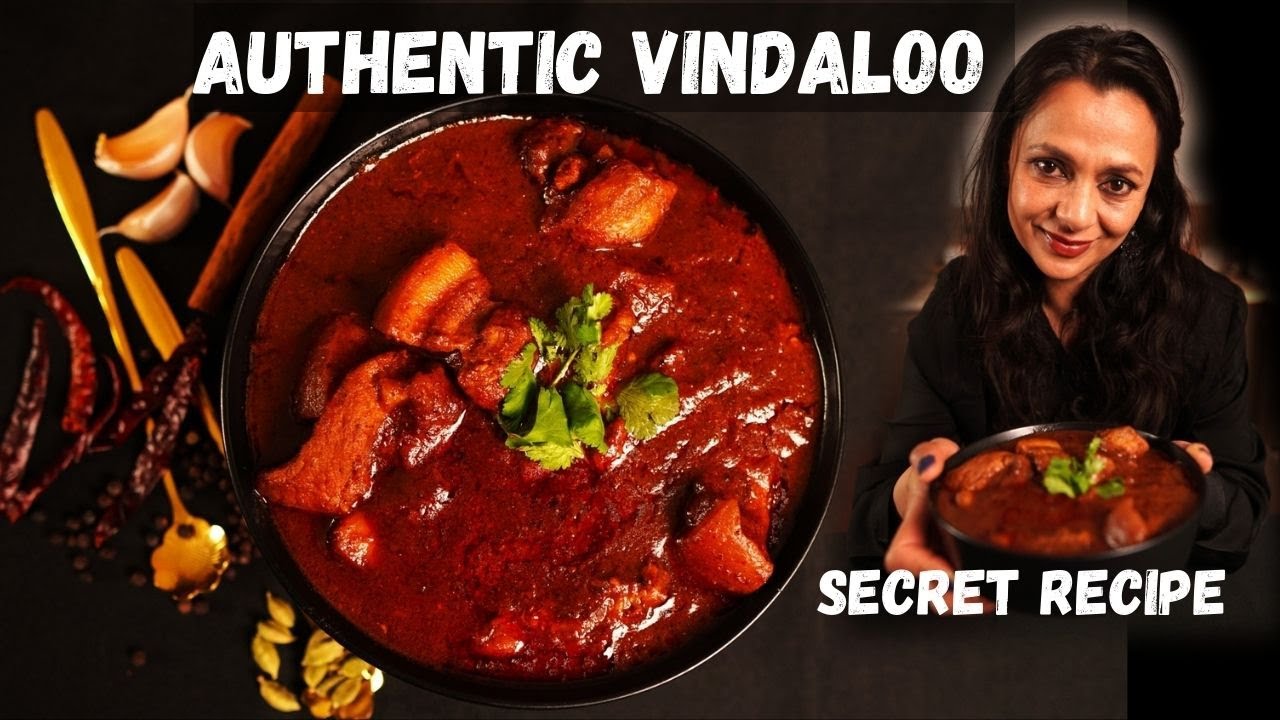
“Most vindaloo outside Goa is just a hot curry with vinegar dumped in at the end. Real vindaloo is a precision balance of dried chili heat, aromatic spice depth, and vinegar acidity — and the sequence in which you build those layers determines whether the dish tastes complex or just aggressively hot. The secret is in the sear, the spice toast, and the simmer. In that order. Every time.”
Why This Recipe Works
Vindaloo is not India's hottest curry. That's a myth perpetuated by British restaurant menus in the 1970s, when vindaloo became shorthand for a dare rather than a dish. What vindaloo actually is — in its original Goan form — is a precisely balanced interplay of dry chili heat, vinegar acidity, and deep spice aroma. The heat is real. But it's the acid that makes it vindaloo.
The Portuguese Problem
Goa was a Portuguese colony for over 400 years, and vindaloo is the culinary artifact of that occupation. The dish descends from carne de vinha d'alhos — pork marinated in wine and garlic — which Portuguese sailors preserved with vinegar during long voyages. Goan cooks replaced the wine with palm vinegar, added a battery of Indian spices, and created something entirely new. The vinegar was never a garnish. It's structural.
This history explains why vindaloo tastes different from every other Indian curry: the acid is load-bearing. It tenderizes the meat during the braise, preserves the brightness of the spices against the long cook time, and creates a sauce with a distinctly sharp finish that no amount of cream or coconut milk can replicate. If your vindaloo tastes dull, it needs more vinegar. If it tastes harsh, it needs more time.
Browning Is Not Optional
The beef chuck builds the sauce. When you brown it in batches in a hot Dutch oven, you deposit a layer of caramelized meat proteins on the pan surface — the fond. When the tomatoes hit the pan later and you scrape that layer up, it dissolves into the sauce, adding concentrated savory depth that no amount of extra spice can produce. Skip the sear, add the raw meat directly to the pot, and you get boiled beef in spiced liquid. Same ingredients, fundamentally lesser result.
Batch browning matters because of temperature. A single-layer pan of beef cubes is surrounded by hot air and hot metal — temperatures stay high, moisture evaporates fast, and the Maillard reaction runs correctly. Crowd the pan and the meat releases water faster than it evaporates. The pan temperature drops, the beef steams instead of sears, and you get grey, flaccid cubes going into a curry that never recovers.
The Spice Toast Window
Ninety seconds. That's how long the vindaloo paste and ground spices need in direct contact with hot fat before any liquid enters the pot. Fat-soluble aromatic compounds — the ones responsible for the complex, layered smell of cumin, coriander, and turmeric — only become available when heated in fat. Water can't carry them. This is why oil-bloomed spices taste dramatically more complex than spices stirred directly into a sauce.
The visual cue: the oil begins to separate slightly at the edges of the spice paste and the kitchen smells intensely fragrant rather than raw and powdery. If you add the tomatoes before this happens, you've essentially made spiced tomato sauce, not vindaloo paste cooked into a base. The distinction is significant.
Controlling the Heat Axis
Vindaloo heat comes from dried red chilies, not fresh green chilies or chili powder. Dried chilies have lost most of their water content, concentrating both the capsaicin and the flavor compounds. Deseeding them removes roughly 80% of the heat while preserving the complex fruity-smoky flavor. This is the correct lever to pull when adjusting for heat tolerance — not reducing the number of chilies, which reduces flavor, but removing seeds, which removes burn while keeping depth.
The vinegar doesn't neutralize capsaicin, but it does something equally useful: it creates acid contrast that makes the heat more interesting and less punishing. A hot curry with no acid just burns. A hot curry with the right vinegar balance tastes complex, layered, and intentionally fiery.
The Braise Window
Forty-five minutes at a gentle simmer. Not 20, not 30. Beef chuck contains significant connective tissue — primarily collagen — that takes sustained low heat to convert into gelatin. That gelatin is what gives the sauce its glossy, coat-the-spoon body. Cut the simmer short and you have tough beef in thin liquid. Run it the full time with the lid slightly ajar and you have tender, yielding meat in a sauce with actual structure.
Partial coverage is the finishing mechanic. A fully covered pot traps steam and keeps the sauce loose. No lid concentrates too aggressively and can scorch. Slightly ajar lets the sauce reduce at a controlled rate while keeping the meat moist. It's not a complicated adjustment, but it's the one that determines final sauce consistency.
Vindaloo rewards patience and punishes shortcuts. Give it the sear, the toast, and the time — and it will be the most interesting curry you've made.
Where Beginners Mess This Up
Before we start, read this. These are the 4 reasons your fiery goan vindaloo (the tangy heat formula that actually works) will fail:
- 1
Crowding the pan when browning the meat: Browning the beef in batches is not optional. Crowding drops the pan temperature and the meat steams instead of sears. You lose the Maillard crust that contributes deep savory notes to the sauce. Work in two batches minimum, and don't move the pieces until they release naturally from the pan.
- 2
Adding vinegar too early: Vinegar added before the sauce reduces becomes sharp, raw, and one-dimensional. It should go in at the end as a finishing adjustment — after the sauce has thickened and the meat is tender. You're seasoning with acid, not cooking with it.
- 3
Under-toasting the spice paste: The vindaloo paste and ground spices need at least 90 seconds of direct contact with the hot fat before any liquid enters the pot. This blooms the fat-soluble flavor compounds. Skip this step and the spices taste dusty and flat instead of integrated and rich.
- 4
Simmering at too high a heat: Vindaloo needs a gentle, partial-covered simmer for 45-50 minutes. High heat seizes the beef fibers and produces a tough, chewy result. The sauce should barely bubble — occasional plops, not a rolling boil.
The Video Reference Library
Want to see it in action? Here are the exact videos we analyzed and combined to build this foolproof recipe translation:
The primary reference video covering the full vindaloo method, spice layering, and the correct vinegar balance. Demonstrates what the sauce should look like at each stage.
🛠️ Core Equipment
- Heavy-bottomed pot or Dutch ovenEven heat retention for the long braise. A thin-walled pot scorches the spice paste and creates hot spots that dry out the sauce unevenly. A [Dutch oven](/kitchen-gear/review/dutch-oven) is the correct tool here.
- Wooden spoon or flat-edged spatulaYou need to scrape the fond (the browned bits) off the bottom when the tomatoes go in. That layer is concentrated flavor. A wooden spoon gets into the corners without scratching.
- Spice grinder or mortar and pestleFor crushing dried chilies and blooming whole spices. Pre-ground chili loses its volatile oils rapidly — freshly crushed has noticeably more aroma and heat depth.
Fiery Goan Vindaloo (The Tangy Heat Formula That Actually Works)
🛒 Ingredients
- ✦2 tablespoons coconut oil
- ✦1.5 pounds beef chuck or pork shoulder, cut into 1.5-inch cubes
- ✦2 large yellow onions, finely diced
- ✦6 cloves garlic, minced
- ✦1 tablespoon fresh ginger, minced
- ✦2 tablespoons vindaloo paste (or 3 tablespoons red curry powder mixed with 1 tablespoon apple cider vinegar)
- ✦1 tablespoon ground cumin
- ✦1 teaspoon ground coriander
- ✦1/2 teaspoon turmeric powder
- ✦3-4 dried red chilies, deseeded and crushed
- ✦1 can (14 oz) diced tomatoes
- ✦1 cup beef or vegetable broth
- ✦2 tablespoons apple cider vinegar
- ✦1 teaspoon salt, or to taste
- ✦1/2 teaspoon black pepper
- ✦1/4 cup fresh cilantro, chopped
- ✦1 tablespoon fenugreek leaves (optional)
👨🍳 Instructions
01Step 1
Heat coconut oil in a large heavy-bottomed pot over medium-high heat until shimmering, about 2 minutes.
02Step 2
Working in batches to avoid crowding, brown the beef cubes on all sides until deeply caramelized, about 8-10 minutes total. Transfer to a plate.
03Step 3
Add the diced onions to the same pot and sauté until softened and just beginning to turn golden, about 5-6 minutes.
04Step 4
Stir in the minced garlic and ginger and cook over medium heat until fragrant, about 1-2 minutes.
05Step 5
Add the vindaloo paste (or curry powder and vinegar mixture) along with cumin, coriander, and turmeric. Stir constantly to coat all ingredients and toast the spices for about 90 seconds.
06Step 6
Add the crushed dried chilies and cook for another 30 seconds to release their oils.
07Step 7
Pour in the diced tomatoes with their juice and the broth, scraping up all browned bits from the bottom of the pot.
08Step 8
Return the browned meat to the pot along with any accumulated juices. Stir well to combine.
09Step 9
Reduce heat to medium-low, partially cover with a lid, and simmer gently for 45-50 minutes until the meat is completely tender and the sauce has thickened.
10Step 10
Add apple cider vinegar, salt, and pepper to taste. The dish should have a distinct tangy note balanced against the heat.
11Step 11
Stir in most of the cilantro, reserving some for garnish. Adjust consistency with additional broth if the sauce is too thick.
12Step 12
Simmer uncovered for an additional 3-4 minutes. Transfer to a serving dish and top with remaining cilantro and fenugreek leaves if using.
Nutrition Per Serving
Estimates based on standard preparation. Adjustments alter macros.
🔄 Substitutions
Instead of Beef chuck...
Use Boneless chicken thighs or firm tofu
Chicken thighs need only 25-30 minutes of simmering. Tofu works well if pressed thoroughly first — it absorbs the sauce beautifully. Both options are leaner.
Instead of Coconut oil...
Use Ghee or avocado oil
Ghee adds authentic richness and a higher smoke point. Avocado oil is neutral and heart-healthy. Either works without changing the dish structure.
Instead of Canned diced tomatoes...
Use Fresh tomato puree or crushed San Marzano tomatoes
Fresh tomato puree gives a cleaner, brighter flavor with less sodium. San Marzano tomatoes are lower in acidity and add natural sweetness.
Instead of Apple cider vinegar...
Use White wine vinegar or fresh lime juice
White wine vinegar gives more depth; lime juice adds brightness and vitamin C. Both maintain the signature tangy balance. Do not use balsamic — too sweet.
🧊 Storage & Reheating
In the Fridge
Store in an airtight container for up to 4 days. The heat level mellows slightly and the flavors deepen significantly by day two.
In the Freezer
Freeze in portions for up to 3 months. Thaw overnight in the fridge. The sauce freezes better than most curries because of the vinegar and tomato base.
Reheating Rules
Reheat gently on the stovetop over low heat with a splash of broth or water to loosen the sauce. Stir occasionally. Microwave works in a pinch but dries the meat out.
❓ Frequently Asked Questions
Why is my vindaloo too hot to eat?
The heat comes from the dried red chilies. Next time, deseed them completely or reduce to 1-2 pods. To fix an already-cooked vindaloo that's too hot, stir in a tablespoon of coconut milk or plain yogurt — the fat binds to the capsaicin and cuts the perceived heat without changing the flavor profile much.
What's the difference between vindaloo and regular curry?
Vindaloo is specifically Goan, with Portuguese culinary influence. The defining characteristics are the vinegar-based marinade, the high chili load, and the use of fenugreek. Most Indian curries use cream, yogurt, or coconut milk to balance heat. Vindaloo uses acid. That's the structural difference.
Can I make this in an Instant Pot?
Yes. Brown the meat and build the spice base using the sauté function, then pressure cook on high for 25 minutes with a natural release. The sauce will be thinner — simmer uncovered with the sauté function for 5-10 minutes after pressure cooking to reduce it.
Do I need vindaloo paste or can I skip it?
Vindaloo paste is a pre-made spice concentrate that includes Kashmiri chilies, cloves, and other aromatics specific to the dish. If you can't find it, the curry powder and apple cider vinegar substitute works well — it won't be identical but it delivers the same flavor direction. Don't skip both.
Why does my sauce taste sour but not complex?
Raw vinegar tastes sour. Integrated vinegar tastes tangy. If you added the vinegar too early in the cook — before the sauce reduced — it didn't have time to mellow and marry with the spices. Add it only in the final 5 minutes, as a finishing seasoning.
What should I serve with vindaloo?
Plain basmati rice is the standard. Naan or roti work as scoops. A simple raita (yogurt, cucumber, cumin) on the side cuts the heat between bites without dulling the curry's impact. Avoid serving with another aggressively spiced dish — vindaloo deserves the spotlight.
The Science of
Fiery Goan Vindaloo (The Tangy Heat Formula That Actually Works)
We turned everything on this page into a beautiful, flour-proof PDF cheat sheet. Print it out, stick it to your fridge, and never mess up your fiery goan vindaloo (the tangy heat formula that actually works) again.
*We'll email you the high-res PDF instantly. No spam, just perfectly cooked meals.
AlmostChefs Editorial Team
We translate the internet's most popular cooking videos into foolproof, beginner-friendly written recipes. We analyze multiple methods, test them in our kitchen, and engineer a single "Master Recipe" that gives you the best possible result with the least possible stress.