Vietnamese Vermicelli Salad (The Noodle Bowl You'll Make Every Week)
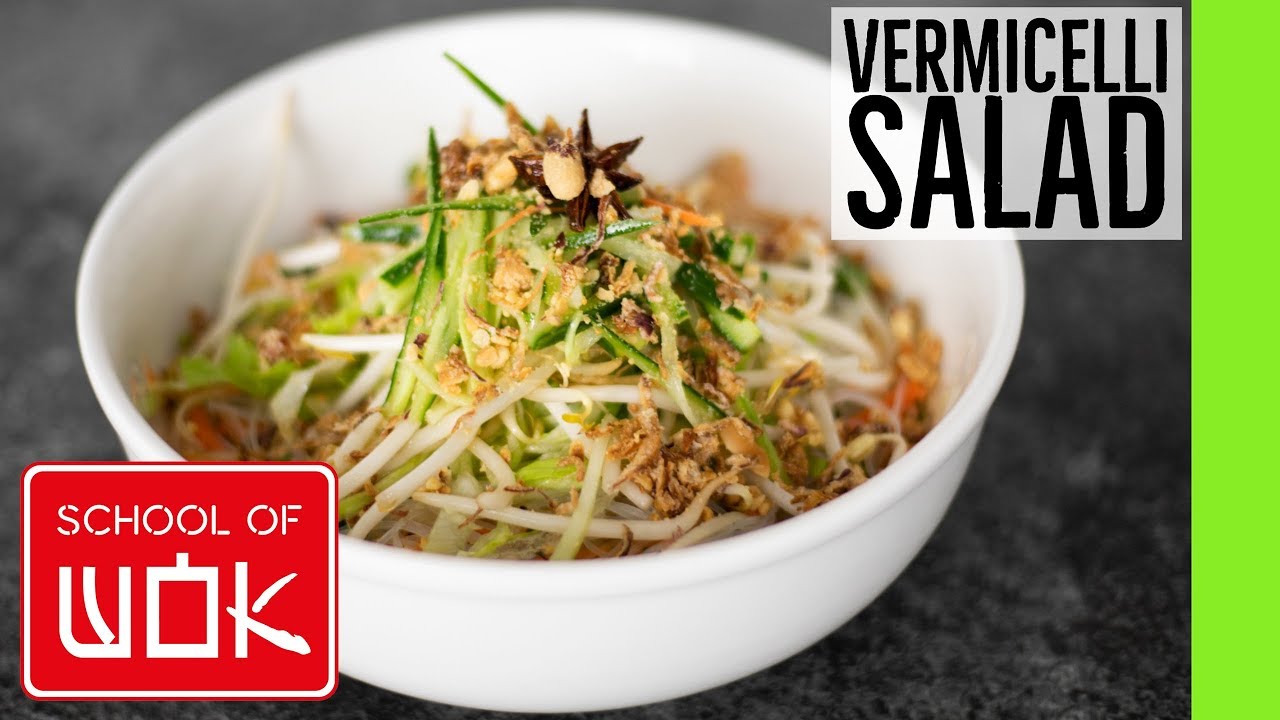
A bright, herb-loaded Vietnamese rice noodle bowl with caramelized lemongrass pork, pickled daikon and carrots, fresh cucumber, bean sprouts, and the tangy fish sauce dressing that ties everything together. We broke down the most-watched YouTube methods to deliver one foolproof assembly that nails the balance of sweet, sour, salty, and fresh.
“Most people who make this at home get a bowl of bland noodles with wilted lettuce and wonder what they did wrong. The answer is almost always the dressing. Nước chấm is not a dipping sauce you can eyeball — it's a precisely calibrated emulsion of sweet, sour, salty, and funky that has to hit every receptor at once. Get that right and the entire bowl snaps into focus. We reverse-engineered the ratio from the most-watched YouTube versions so you don't have to.”
Why This Recipe Works
Vietnamese bún thịt nướng is a dish that looks effortless and is deceptively technical. Five components — marinated pork, rice noodles, pickled vegetables, fresh herbs, and fish sauce dressing — have to work in precise harmonic balance or the whole thing collapses into a bowl of wet noodles with toppings. Every element has a job. When one fails, the failure is obvious and immediate.
The Dressing Is the Architecture
Nước chấm is not a condiment. It is the structural element around which every other component is designed. The ratio — three parts fish sauce, three parts lime juice, two parts sugar, four parts water — sounds simple until you try to fix it when it goes wrong. Too much fish sauce and the whole bowl tastes like a dock. Too much lime and your mouth is puckered before the second bite. The warm water is not filler; it tempers the intensity of both the salt and the acid while dissolving the sugar completely so the sweetness integrates rather than pooling at the bottom of the bowl.
The garlic and chilies go in raw and uncooked, which means they continue to steep and grow stronger over time. Make the dressing fresh each day you use it, or accept that a day-old batch will taste significantly hotter and more pungent. This is not a flaw — it's just the chemistry of raw aromatics in acid.
The Char on the Pork Is Non-Negotiable
Lemongrass pork without caramelized edges is just seasoned pork. The entire flavor profile of this dish depends on the Maillard reaction converting the sugars in the marinade into complex, slightly bitter caramelized compounds that contrast with the sweet dressing and bright herbs. This requires a ripping-hot surface — a cast iron skillet preheated for at least two minutes before the meat hits it, or a grill running at maximum temperature.
Crowding the pan is the most common mistake. Cold pork on a pan that's trying to accommodate too much surface area drops the temperature below the Maillard threshold almost instantly. The meat steams in its own released moisture instead of searing, and you get gray, soft pork with none of the lacquered edges that make this dish sing. Work in batches. Leave space. Accept that it takes slightly longer — the result is not comparable.
The Pickle Is Structural Acidity
Raw daikon tastes sharp, slightly sulfurous, and flat. Carrots taste sweet and vegetal. Neither of those flavor profiles has a useful role in this bowl. Twenty minutes in rice vinegar with sugar and salt transforms both into something entirely different: bright, tangy, lightly sweet ribbons with a satisfying crunch that cuts through the fatty richness of the pork and the starchy neutrality of the noodles. This is not garnish. It is the acidity layer that makes the bowl feel light instead of heavy.
A mandoline produces uniform matchsticks that pickle at an identical rate — critical because thin pieces in an uneven batch go mushy while thick pieces stay raw. Uniform cuts mean a uniform pickle, and a uniform pickle means every bite has the same bright snap of acid.
The Herb Layer Is Not Optional
One herb is a garnish. Three herbs is a Vietnamese flavor system. Mint provides cool, clean menthol top notes. Thai basil adds anise and clove undertones that round out the fish sauce. Cilantro brings grassy, citrus-adjacent freshness that bridges the gap between the dressing and the herbs. Together, they create the sensation of freshness that makes this bowl feel like it was assembled two minutes ago even when the components were prepped hours in advance.
The herbs go on last, never underneath. Buried herbs wilt immediately under the weight of noodles and pork. Placed on top, they stay crisp until the chopsticks hit the bowl. This is not aesthetics — it's texture management.
The Noodle Foundation
Rice vermicelli is neutral by design. Its function is to carry the dressing, absorb the pork juices, and provide textural bulk without competing with the flavors above it. A light seasoning of fish sauce and sesame oil after rinsing gives the noodle its own baseline flavor so it contributes rather than dilutes. Without that step, every bite tastes progressively more watered-down as the dressing gets absorbed and spread thin across unstated noodles.
This is a bowl built on restraint and precision. Every component is simple. The complexity emerges from how they interact — and that interaction only works when each piece is executed without shortcuts.
Where Beginners Mess This Up
Before we start, read this. These are the 4 reasons your vietnamese vermicelli salad (the noodle bowl you'll make every week) will fail:
- 1
Under-seasoning the noodles: Cooked rice vermicelli is a blank canvas that actively dilutes flavors around it. If you don't season the noodles themselves — a quick toss in a few drops of fish sauce and sesame oil after rinsing — every bite tastes washed out no matter how good your dressing is. Season the base, not just the top.
- 2
Skipping the quick pickle: Raw daikon and carrots taste sharp and vegetal. A 20-minute pickle in rice vinegar, sugar, and salt transforms them into bright, tangy ribbons that cut through the richness of the pork. Skipping this step leaves the bowl flat and one-dimensional. The vinegar is structural, not optional.
- 3
Overcooking the pork without a char: Lemongrass pork needs direct high heat to caramelize the sugar in the marinade. Cooking it on medium in a non-stick pan produces gray, steamed meat. You want dark caramelized edges — almost burnt-looking — with a juicy interior. Use a cast iron pan or grill at maximum heat.
- 4
Adding the dressing too early: Nước chấm breaks down rice noodles and wilts fresh herbs within minutes. Dress individual bowls right before serving, never the full batch. If you're meal-prepping, keep the dressing in a separate container and add it at the last moment.
The Video Reference Library
Want to see it in action? Here are the exact videos we analyzed and combined to build this foolproof recipe translation:
The source video for this recipe — detailed breakdown of the lemongrass pork marinade and nước chấm ratios. Pay close attention to the charring technique and how they layer the bowl components for maximum visual and textural contrast.
Deep dive into the science of balancing fish sauce, lime, sugar, and garlic. Essential viewing if your dressing tastes flat or one-note — covers how water temperature affects sugar dissolution and why the lime goes in last.
Practical breakdown of how to batch this dish for four days of lunches. Covers component storage order, which herbs hold up versus which wilt overnight, and how to keep the noodles from clumping in the fridge.
🛠️ Core Equipment
- Cast iron skillet or grill panEssential for developing the caramelized char on the lemongrass pork. The Maillard reaction requires sustained high surface heat — a non-stick pan cannot maintain the temperature once cold meat hits it, so you steam instead of sear.
- Mandoline or sharp box graterFor julienning the daikon and carrots into uniform matchsticks. Even strips pickle at the same rate and create a consistent texture in the bowl. Uneven hand-cut pieces produce mushy thin pieces and crunchy thick ones in the same pickle.
- Large mixing bowlFor rinsing and cooling the cooked vermicelli. Rice noodles clump aggressively as they cool — a wide bowl gives you room to toss them under cold running water and separate every strand before they fuse into a brick.
- Small jar with lidFor shaking and storing the nước chấm. The dressing needs to be stirred thoroughly each time since the sugar settles. A jar with a tight lid means you can shake it immediately before pouring.
Vietnamese Vermicelli Salad (The Noodle Bowl You'll Make Every Week)
🛒 Ingredients
- ✦8 oz rice vermicelli noodles
- ✦1 pound pork shoulder or pork tenderloin, thinly sliced
- ✦2 stalks lemongrass, white part only, finely minced
- ✦3 cloves garlic, minced
- ✦2 tablespoons fish sauce
- ✦1.5 tablespoons sugar
- ✦1 tablespoon neutral oil (avocado or grapeseed)
- ✦1 teaspoon sesame oil
- ✦1 medium daikon radish, julienned (about 1.5 cups)
- ✦2 medium carrots, julienned
- ✦3 tablespoons rice vinegar
- ✦1 tablespoon sugar (for pickle)
- ✦1 teaspoon sea salt (for pickle)
- ✦1 head butter lettuce, leaves torn
- ✦1 English cucumber, thinly sliced
- ✦2 cups bean sprouts
- ✦1 cup fresh mint leaves
- ✦1 cup fresh Thai basil leaves
- ✦1/2 cup fresh cilantro
- ✦1/4 cup roasted unsalted peanuts, roughly chopped
- ✦3 tablespoons crispy fried shallots
- ✦3 tablespoons fish sauce (for dressing)
- ✦3 tablespoons fresh lime juice
- ✦2 tablespoons sugar (for dressing)
- ✦4 tablespoons warm water
- ✦2 cloves garlic, finely minced (for dressing)
- ✦1-2 Thai bird's eye chilies, thinly sliced (for dressing)
👨🍳 Instructions
01Step 1
Combine pork slices with minced lemongrass, garlic, fish sauce, sugar, and neutral oil. Toss thoroughly to coat every piece. Marinate at room temperature for 30 minutes or refrigerate up to 4 hours.
02Step 2
Combine daikon and carrots with rice vinegar, 1 tablespoon sugar, and 1 teaspoon salt in a bowl. Toss well and let sit for at least 20 minutes. Drain and gently squeeze out excess liquid before serving.
03Step 3
Cook rice vermicelli according to package instructions — typically 4-5 minutes in boiling water. Drain immediately and rinse thoroughly under cold running water, tossing constantly to prevent clumping.
04Step 4
Toss the cooled noodles with a few drops of fish sauce and a small drizzle of sesame oil to season the base.
05Step 5
Make the nước chấm: dissolve 2 tablespoons sugar in 4 tablespoons warm water. Add fish sauce and lime juice, stir to combine. Fold in minced garlic and sliced chilies. Taste — it should be salty, sweet, sour, and slightly funky in equal measure.
06Step 6
Heat a [cast iron skillet](/kitchen-gear/review/cast-iron-skillet) or grill pan over high heat until smoking. Add pork in a single layer — work in batches to avoid crowding. Cook 2-3 minutes per side without moving until deeply caramelized and slightly charred at the edges.
07Step 7
Assemble each bowl: start with a bed of torn butter lettuce, then a portion of rice vermicelli, then cucumber slices, bean sprouts, and pickled daikon-carrot. Arrange sliced pork on top.
08Step 8
Scatter fresh mint, Thai basil, and cilantro generously over the pork. Top with crushed roasted peanuts and crispy fried shallots.
09Step 9
Spoon 3-4 tablespoons of nước chấm over each bowl immediately before serving. Do not dress in advance.
Nutrition Per Serving
Estimates based on standard preparation. Adjustments alter macros.
🔄 Substitutions
Instead of Pork shoulder...
Use Chicken thighs or shrimp
Chicken thighs work almost identically — same marinade, same high-heat char method. Shrimp cook in 2 minutes per side. Both are authentic regional variations.
Instead of Fish sauce...
Use Soy sauce plus a tiny drop of lime juice
For a vegan version, use tamari or light soy sauce. It loses the fermented funk but maintains the salty-umami backbone. Add a pinch of seaweed flakes if you have them.
Instead of Daikon radish...
Use Jicama or kohlrabi
Both have a similar crisp, mild crunch that pickles well. Jicama is slightly sweeter. Kohlrabi has a faint brassica bitterness that works surprisingly well against the lime dressing.
Instead of Rice vermicelli...
Use Kelp noodles or zucchini noodles
For a low-carb version. Kelp noodles need a 20-minute soak in warm water with a splash of lemon juice to soften. Zucchini noodles wilt quickly — dress and eat immediately.
🧊 Storage & Reheating
In the Fridge
Store all components separately for up to 3 days. The pickled vegetables actually improve after 24 hours. Keep the nước chấm in a sealed jar and shake before each use.
In the Freezer
The marinated raw pork freezes well for up to 1 month. Freeze flat in a zip-lock bag and thaw overnight in the fridge before cooking. Do not freeze assembled bowls or cooked noodles.
Reheating Rules
Cold vermicelli that has clumped can be loosened by pouring a small amount of boiling water over it in a colander, then rinsing immediately with cold water. Reheat pork in a dry hot skillet for 60 seconds per side to restore the char.
❓ Frequently Asked Questions
Why does my nước chấm taste too salty or too sour?
The ratio is 3-3-2-4 by tablespoon: fish sauce, lime juice, sugar, water. If it's too salty, add more water and a touch more sugar. If it's too sour, add sugar in half-teaspoon increments. Always dissolve the sugar in warm water first — undissolved crystals make the balance impossible to calibrate accurately.
Can I make this vegetarian?
Yes. Replace the pork with firm tofu sliced thick and marinated in the same lemongrass mixture using tamari instead of fish sauce. Use soy sauce or tamari in the nước chấm as well. The texture and char behave similarly. Add extra garlic to compensate for the lost complexity from the pork fat.
What does bún thịt nướng mean?
Bún means rice vermicelli. Thịt means meat. Nướng means grilled or charred. So literally: rice noodles with grilled meat. It's the specific Vietnamese name for this dish and the regional variations are vast — some include egg rolls (chả giò) on top, some add grilled shrimp, some use beef instead of pork.
Why do my noodles turn into a clump the second they cool down?
You didn't rinse them long enough or thoroughly enough. Rice starch gelatinizes on the noodle surface as it cooks, and if you don't rinse that starch off with cold water immediately after draining, it acts like glue as the noodles cool. Rinse for at least 60-90 seconds, tossing constantly.
Do I need lemongrass or can I use a paste?
Fresh lemongrass is strongly preferred. The volatile citrus oils in fresh lemongrass evaporate almost entirely when dried or jarred. Lemongrass paste (from a tube) is an acceptable substitute at about 1 teaspoon per stalk, but the marinade will be noticeably flatter. Fresh stalks are widely available at Asian grocery stores.
How do I eat this without making a mess?
Use chopsticks to gather a bundle of noodles, fold in a piece of pork and a leaf or two of herb, then dip into additional nước chấm on the side. Alternatively, toss everything together in the bowl with the dressing and eat with a fork. There is no wrong method. The bowl is meant to be interactive.

The Science of
Vietnamese Vermicelli Salad (The Noodle Bowl You'll Make Every Week)
We turned everything on this page into a beautiful, flour-proof PDF cheat sheet. Print it out, stick it to your fridge, and never mess up your vietnamese vermicelli salad (the noodle bowl you'll make every week) again.
*We'll email you the high-res PDF instantly. No spam, just perfectly cooked meals.
AlmostChefs Editorial Team
We translate the internet's most popular cooking videos into foolproof, beginner-friendly written recipes. We analyze multiple methods, test them in our kitchen, and engineer a single "Master Recipe" that gives you the best possible result with the least possible stress.