The No-Fuss Veggie Wrap (Lunch in Under 20 Minutes)
A fresh, fiber-packed vegetarian wrap built on whole wheat tortillas, crisp garden vegetables, and a creamy hummus-tahini spread. We pulled together the most popular methods to create one repeatable technique that holds together, travels well, and actually keeps you full.
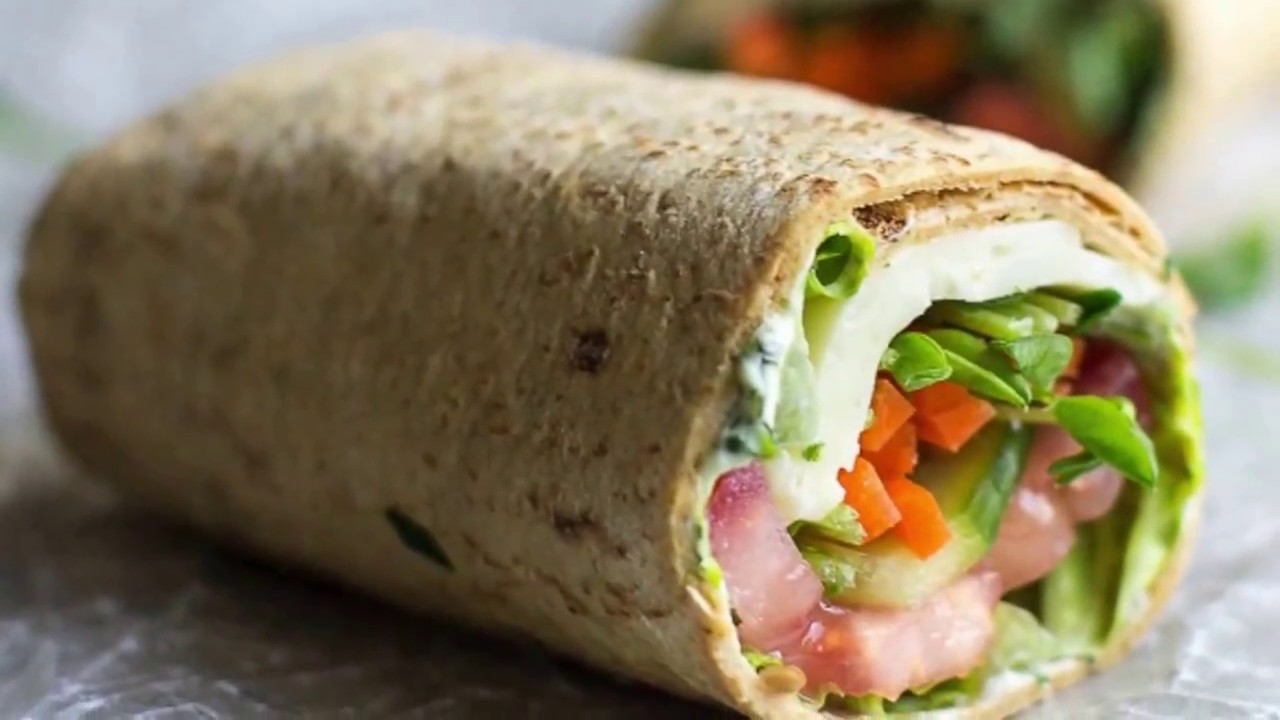
“A veggie wrap sounds simple until it falls apart on the first bite, soaks through the tortilla before lunch, or fills you up for exactly forty minutes. Getting a wrap right means solving three problems at once: structural integrity, moisture control, and protein density. This version handles all three without asking you to do anything complicated.”
Why This Recipe Works
A veggie wrap is one of those recipes that sounds like it doesn't need a recipe. You have vegetables. You have a tortilla. You fold. How hard can it be?
Hard enough that most people either underfill and get a sad, rolling tube of air, or overfill and end up wearing their lunch. The gap between a bad wrap and a genuinely good one comes down to three decisions: the spread architecture, the layering order, and the roll technique. Get those right and everything else is just ingredient selection.
The Spread Is the Foundation
Most recipes treat the spread as a condiment — something you smear on and forget. In a wrap, it's structural. The hummus-tahini-lemon-mustard combination does four things simultaneously: it acts as a flavor base, it anchors the first layer of vegetables so they don't slide, it creates a moisture seal between the tortilla and the wet vegetables above it, and the acid from the lemon brightens every other ingredient it touches.
The Dijon mustard is not optional, and it doesn't taste like mustard in the finished wrap. A teaspoon of Dijon in a hummus mixture does what Dijon always does: it emulsifies the fat-and-water combination, producing a smoother, more cohesive spread that doesn't separate or pool. It also deepens the savory baseline. You will not be able to identify it as mustard. You will notice its absence.
The Spinach Layer Is Not Decoration
Spinach goes directly on top of the spread — not on top of the vegetables — for one reason: moisture management. Cucumber and bell pepper are approximately 95% water by weight. That water has to go somewhere. Placing them directly on hummus turns the base into a paste and the tortilla into a wet napkin within the hour.
The spinach layer absorbs and redistributes that moisture rather than letting it pool. By the time the water migrates through the spinach, it's diluted enough that the tortilla stays intact. This is the same principle that makes a lettuce barrier effective in burgers — a physical material that interrupts the moisture transfer chain.
Why the Chickpeas Need Preparation
Canned chickpeas are one of the best pantry proteins available: cheap, high in fiber, shelf-stable, and neutral enough to take on any seasoning. They are also, straight from the can, completely flavorless and coated in starchy liquid that makes everything around them taste washed out.
The solution takes thirty seconds. Drain, rinse, pat dry with a paper towel, toss with olive oil, cumin, salt, and pepper. The oil creates a thin coating that carries the fat-soluble flavor compounds from the cumin into direct contact with your taste receptors. The drying prevents the starchy water from diluting the spread and making the tortilla damp. Two minutes of work, material improvement in flavor and texture.
The Roll Is a Technique, Not an Instinct
People assume rolling a wrap is intuitive. It isn't. The specific sequence — bottom edge up, sides in, roll forward — exists because it creates interlocking folds that hold each other in place under tension. Skipping the side folds first means the filling has an open exit on both sides. Starting with the side folds instead of the bottom creates a gap at the base that lets the fillings settle downward and fall out from below.
Keep the filling in the center third of the tortilla. This is the most common mistake in wrap assembly: filling that reaches the edges has nowhere to go when you fold, so it pushes outward and breaks the seal. One inch of bare tortilla on every edge gives you the material you need to make the folds work.
A chef's knife cut on the diagonal is the finishing move — it compresses the wrap slightly as it cuts, tightening the roll, and exposes the cross-section of vegetables that makes the whole thing look like it was made with intention rather than assembled in a rush.
Where Beginners Mess This Up
Before we start, read this. These are the 4 reasons your the no-fuss veggie wrap (lunch in under 20 minutes) will fail:
- 1
Cold tortillas that crack and split: A tortilla pulled straight from the bag will crack the moment you fold it under the weight of a full filling. Twenty seconds over a low flame or in a dry skillet makes it pliable enough to roll without splitting. This is not optional — it's the difference between a wrap and a pile of vegetables on a broken flatbread.
- 2
Watery vegetables soaking through the base: Cucumber and bell pepper release moisture the moment they're sliced. If you lay them directly on the hummus, the bottom of the wrap turns soggy within minutes. The spinach layer between the hummus and the wet vegetables acts as a moisture buffer. Do not skip it.
- 3
A loose roll that opens mid-bite: Most wrap failures happen at the rolling stage. The fold sequence matters: bottom edge up first, then both sides in, then roll forward with gentle but firm pressure. A loose first fold creates a gap at the bottom that lets everything slide out.
- 4
Chickpeas that are wet and bland: Canned chickpeas dumped straight into the wrap are flavorless and waterlogged. Drain them thoroughly, pat dry, then toss with olive oil and cumin before adding. Even without roasting, the fat-and-spice coating makes them taste intentional.
The Video Reference Library
Want to see it in action? Here are the exact videos we analyzed and combined to build this foolproof recipe translation:
The source video that demonstrates filling layering order and rolling technique. Clear close-ups of the fold sequence and the moisture-buffering spinach layer.
🛠️ Core Equipment
- Cast iron or stainless skilletFor warming the tortillas evenly. A [cast iron skillet](/kitchen-gear/review/cast-iron-skillet) holds heat steadily without scorching, giving you consistent pliability across every tortilla.
- Sharp chef's knifeClean diagonal cuts require a sharp blade. A dull knife drags through the wrap and compresses the filling, collapsing the structure you just built. A [chef's knife](/kitchen-gear/review/chefs-knife) is the right tool.
- Wide, flat cutting boardYou need surface area for assembly. A cramped cutting board forces you to overfill toward the center, which creates rolling problems. A [large cutting board](/kitchen-gear/review/cutting-board) gives you room to work properly.
- Small mixing bowlFor emulsifying the hummus-tahini spread. Whisking the components together in a bowl instead of spreading them separately produces a more cohesive, flavor-consistent layer.
The No-Fuss Veggie Wrap (Lunch in Under 20 Minutes)
🛒 Ingredients
- ✦4 whole wheat tortillas, 8-inch
- ✦1 cup fresh spinach, loosely packed
- ✦1 medium cucumber, sliced lengthwise into thin strips
- ✦1 large bell pepper, red or yellow, sliced into strips
- ✦1 medium avocado, sliced
- ✦1 cup shredded carrots
- ✦3/4 cup canned chickpeas, drained, rinsed, and patted dry
- ✦1/2 cup crumbled feta cheese or vegan alternative
- ✦1/4 cup fresh cilantro leaves
- ✦2 medium green onions, thinly sliced
- ✦1/4 cup diced red onion
- ✦1/2 cup hummus, plain
- ✦2 tablespoons lemon juice, freshly squeezed
- ✦1 tablespoon tahini
- ✦1 teaspoon Dijon mustard
- ✦2 tablespoons extra virgin olive oil
- ✦1/2 teaspoon cumin
- ✦1/4 teaspoon sea salt
- ✦1/8 teaspoon black pepper
👨🍳 Instructions
01Step 1
Warm each tortilla over a low flame or in a dry skillet for 20-30 seconds per side until soft and pliable.
02Step 2
Combine the hummus, tahini, lemon juice, and Dijon mustard in a small bowl. Stir until smooth and fully emulsified.
03Step 3
Drain and rinse the chickpeas, then pat them dry with a paper towel. Toss with olive oil, cumin, sea salt, and black pepper until evenly coated.
04Step 4
Lay a warm tortilla flat on a clean surface. Spread 2-3 tablespoons of the hummus mixture across the center, leaving a 1-inch border on all sides.
05Step 5
Layer the spinach leaves directly over the hummus, covering it completely. This is your moisture barrier.
06Step 6
Arrange the seasoned chickpeas down the center, followed by the bell pepper strips, cucumber strips, and shredded carrots in parallel rows.
07Step 7
Add the avocado slices, red onion, green onions, and crumbled feta on top of the vegetables.
08Step 8
Scatter the fresh cilantro leaves evenly across the filling.
09Step 9
Fold the bottom edge of the tortilla up and over the filling. Then fold in both sides firmly. Roll forward away from you, applying gentle but consistent pressure until the seam is sealed underneath.
10Step 10
Slice diagonally across the center and serve immediately, or wrap tightly in parchment paper for transport.
11Step 11
Repeat with the remaining three tortillas.
Nutrition Per Serving
Estimates based on standard preparation. Adjustments alter macros.
🔄 Substitutions
Instead of Whole wheat tortillas...
Use Sprouted grain tortillas or large butter lettuce leaves
Sprouted grain tortillas have better nutrient bioavailability. Lettuce wraps cut carbs significantly but require less filling — they hold about half the volume of a tortilla wrap.
Instead of Hummus and tahini spread...
Use Mashed avocado with lemon juice and garlic
Creamier texture with a milder flavor. Add a pinch of flake salt on top. Does not hold as well in meal prep — use same-day only.
Instead of Canned chickpeas...
Use Cooked lentils or white beans
Lentils have a lower glycemic index and a softer texture that blends into the wrap rather than staying distinct. White beans are creamier and milder. Both work well with the cumin seasoning.
Instead of Feta cheese...
Use Hemp seeds or nutritional yeast
Hemp seeds add complete protein and a subtle nutty note. Nutritional yeast provides a savory, cheese-adjacent flavor with no dairy. Either option drops the sodium count meaningfully.
🧊 Storage & Reheating
In the Fridge
Roll assembled wraps in parchment paper, then foil. Store for up to 2 days. Keep avocado out if making more than a day ahead — add it fresh when serving.
In the Freezer
Not recommended. The fresh vegetables release water during freezing and thawing, which destroys the texture of both the tortilla and the fillings.
Reheating Rules
These are designed to be eaten cold or at room temperature. If you want a warm wrap, toast it seam-side down in a dry skillet for 1-2 minutes per side before slicing.
❓ Frequently Asked Questions
Why does my wrap always fall apart?
The rolling sequence is the culprit in most cases. Bottom edge up first, then both sides in tight, then roll forward with consistent pressure. If the filling extends to the edges or is piled too high in the center, no fold technique will save it. Keep the filling in the center third and don't overfill.
Can I make these ahead for meal prep?
Yes, with one adjustment: leave the avocado out until serving. Everything else holds well for up to two days when wrapped tightly in parchment and then foil. Add fresh avocado slices when you're ready to eat.
How do I stop the tortilla from getting soggy?
Two things: the spinach layer between the hummus and the wet vegetables acts as a moisture barrier, and patting the chickpeas completely dry prevents them from releasing water into the base. Both steps matter. Skipping either shortens the window before the tortilla softens.
Is this recipe actually filling?
Yes — the chickpeas and feta provide 14 grams of protein per wrap, and the 10 grams of fiber slow digestion significantly. The avocado's monounsaturated fats also extend satiety. Most people find one wrap sufficient for lunch without snacking before dinner.
Can I add a protein like grilled chicken or tofu?
Absolutely. Sliced grilled chicken, baked tofu, or hard-boiled eggs all integrate cleanly. Add them directly above the chickpea layer. If using tofu, press and dry it thoroughly first — wet tofu is the same problem as wet chickpeas.
What's the best tortilla size?
Eight-inch tortillas are the correct size for this filling volume. Smaller tortillas require you to reduce every ingredient, which compromises the flavor balance. Larger burrito-size tortillas produce a wrap where the outer layers are mostly bread with filling only in the center.
The Science of
The No-Fuss Veggie Wrap (Lunch in Under 20 Minutes)
We turned everything on this page into a beautiful, flour-proof PDF cheat sheet. Print it out, stick it to your fridge, and never mess up your the no-fuss veggie wrap (lunch in under 20 minutes) again.
*We'll email you the high-res PDF instantly. No spam, just perfectly cooked meals.
AlmostChefs Editorial Team
We translate the internet's most popular cooking videos into foolproof, beginner-friendly written recipes. We analyze multiple methods, test them in our kitchen, and engineer a single "Master Recipe" that gives you the best possible result with the least possible stress.