Easy Veggie Stir Fry (20-Minute Weeknight Weapon)
A fast, colorful vegetable stir fry with a savory ginger-garlic sauce ready in 20 minutes. We broke down the most common home cook mistakes to build one foolproof technique that delivers crisp-tender vegetables and a glossy sauce every single time.
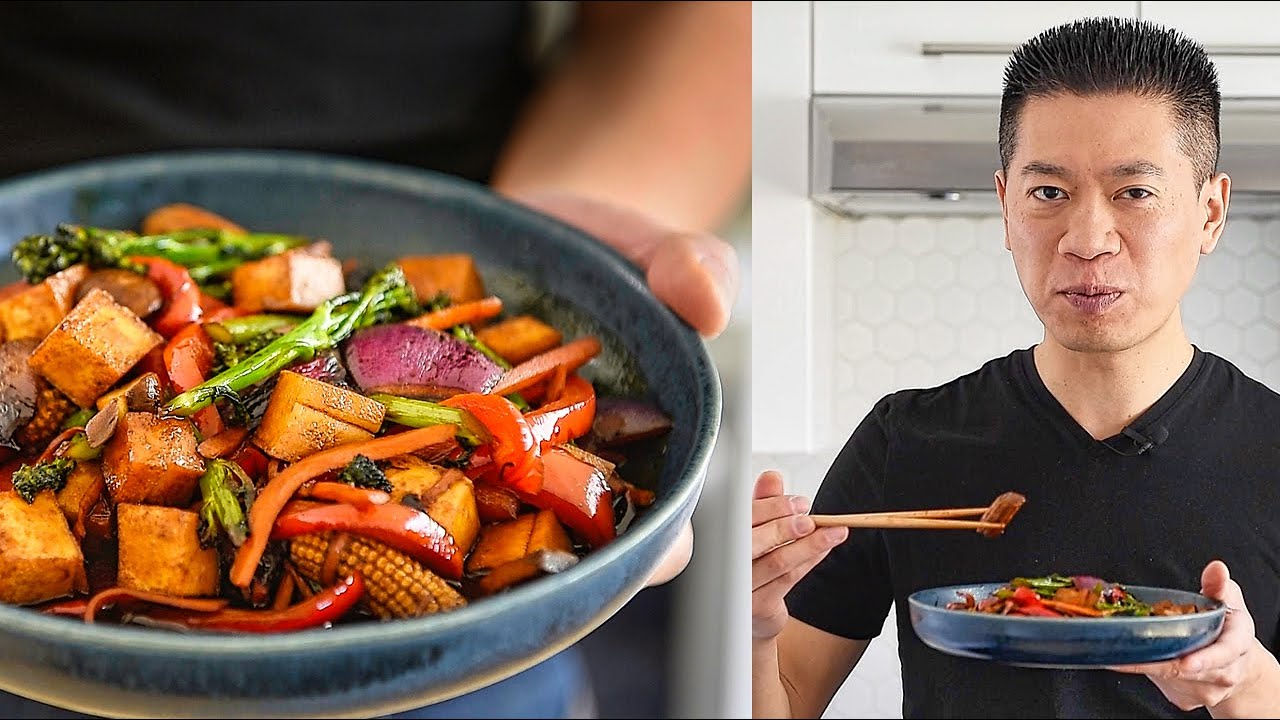
“Every stir fry failure comes from the same two mistakes: wet vegetables and a pan that isn't hot enough. Fix those two things and you've solved 90% of the problem. The other 10% is sauce timing. This recipe addresses all three.”
Why This Recipe Works
Stir fry is the most misunderstood technique in home cooking. Everyone thinks they know how to do it — heat some oil, throw in vegetables, pour over sauce, done. And then they wonder why their version tastes like steamed cafeteria vegetables drowning in a thin, watery glaze instead of the glossy, crisp-tender takeout they were trying to replicate.
The gap isn't ingredients. It's physics.
Heat Is the Entire Technique
A restaurant wok burner produces 150,000 BTUs. A home range maxes out at around 15,000. That ten-to-one gap means home cooks are working with a fundamental handicap — and the only way to compensate is to respect it, not ignore it.
The compensation strategy is simple: never add more food than the pan can keep hot. Every vegetable you drop into a hot pan carries cold thermal mass that temporarily drops the pan temperature. Add too much at once and you cross a threshold where the pan can't recover. The surface temperature drops below the threshold for the Maillard reaction, moisture starts accumulating instead of evaporating, and your stir fry becomes a braise. The vegetables go soft and grey. The sauce turns thin and watery.
Batch cooking isn't a suggestion. On a home range, it's the only way to get proper sear on a full serving of vegetables.
The Vegetable Sequencing Logic
The staggered addition order — hard vegetables first, tender vegetables second — isn't tradition. It's applied thermodynamics. Broccoli, carrots, and mushrooms have dense cell structures that require 4-5 minutes of high heat to cook through. Snap peas and bok choy have thinner walls and cook in 2-3 minutes. Add them at the same time and you get either raw broccoli or collapsed snap peas. Sequence them properly and everything finishes simultaneously.
Mushrooms deserve a special note. They're roughly 90% water by weight. Added to a crowded pan, they release that water and the pan temperature collapses. Give them direct contact with the hot oiled surface for the first two minutes and they sear instead of steam — a completely different textural and flavor result.
Sauce Architecture
The tamari-arrowroot-broth sauce formula follows a specific ratio for a reason. Tamari provides the umami baseline. Rice vinegar cuts through the richness and brightens the entire dish. Arrowroot, dissolved cold, activates at heat to create a glossy coating that clings to each vegetable without being gluey.
The cold dissolution step is not optional. Starch granules must be suspended in cold liquid before hitting heat. If you add dry arrowroot powder to a hot pan, the outer layer of each granule gelatinizes instantly on contact and forms a sealed coating — trapping the rest of the starch inside in raw form. You get lumps. Pre-dissolving in cold broth ensures every granule hydrates evenly and thickens the sauce uniformly.
A sharp chef's knife is the piece of equipment this recipe lives or dies by. Uniform cuts aren't about aesthetics — they're about ensuring every piece of carrot finishes cooking at the same time. Ragged julienne means some pieces are mushy and some are still raw, and no amount of sauce technique fixes uneven cuts.
The Finishing Layer
The recipe calls for sesame seeds, scallions, and cilantro added off the heat — and this garnish layer is doing real work, not just visual work. The scallions add a sharp allium brightness that the cooked onion lost during sautéing. The cilantro contributes a volatile aromatic note that evaporates above 150°F, which is why it must go on after the heat is off. The sesame seeds add textural contrast and a toasted nuttiness.
One optional finishing move that improves the dish significantly: a few drops of toasted sesame oil added after plating. The cooking oil loses most of its fragrance under sustained high heat. A small drizzle of uncooked toasted sesame oil at the end restores the aromatic layer that makes stir fry smell like stir fry.
Twenty minutes, one pan, maximum nutrition. The technique is the recipe.
Where Beginners Mess This Up
Before we start, read this. These are the 4 reasons your easy veggie stir fry (20-minute weeknight weapon) will fail:
- 1
Crowding the pan: A wok with too many vegetables stops frying and starts steaming. Steam is the enemy of texture. You want rapid moisture evaporation and direct heat contact. Cook in batches if necessary — two properly seared rounds beat one soggy dump.
- 2
Adding garlic and ginger too early: Both burn in under 90 seconds at stir fry temperatures. Add them after the onion softens, not at the beginning. Burnt garlic turns the entire dish bitter and there's no recovering from it.
- 3
Mixing the sauce in too early: If you add the sauce before the vegetables are almost fully cooked, the liquid drops the pan temperature and you're stewing, not stir frying. Add the sauce in the final 90 seconds and toss fast.
- 4
Skipping the mise en place: Stir frying moves at a pace that doesn't allow for mid-cook chopping. Everything must be prepped and ready before the oil hits the pan. Once you start, there's no pausing.
The Video Reference Library
Want to see it in action? Here are the exact videos we analyzed and combined to build this foolproof recipe translation:
The source video for this recipe. Covers the vegetable sequencing and sauce technique that makes this method reliable for weeknights.
🛠️ Core Equipment
- Wok or large carbon steel skilletHigh, sloped sides allow you to toss vegetables without launching them across the kitchen. Carbon steel holds and distributes intense heat better than nonstick. A flat skillet works but you lose the toss ability.
- Sharp chef's knifeUniform vegetable cuts are not aesthetic — they're functional. Pieces that vary in thickness cook at different rates. A [sharp chef's knife](/kitchen-gear/review/chefs-knife) is the only way to julienne carrots consistently in under five minutes.
- Small mixing bowl for sauceThe arrowroot powder must be dissolved in cold liquid before the sauce hits the hot pan. If it hits heat dry, it clumps instantly and you get lumpy paste instead of a glossy glaze.
- High-heat cooking oilSesame oil or [avocado oil](/kitchen-gear/review/avocado-oil) both handle the heat required for proper stir frying. Butter and most olive oils smoke and degrade before the pan reaches optimal temperature.
Easy Veggie Stir Fry (20-Minute Weeknight Weapon)
🛒 Ingredients
- ✦3 tablespoons sesame oil or avocado oil
- ✦1 medium yellow onion, thinly sliced
- ✦4 cloves garlic, minced
- ✦1 tablespoon fresh ginger, grated
- ✦2 cups broccoli florets
- ✦2 cups snap peas, halved diagonally
- ✦1 large red bell pepper, cut into strips
- ✦1 cup mushrooms, sliced
- ✦2 medium carrots, julienned
- ✦1 cup baby bok choy, chopped
- ✦3 tablespoons tamari or coconut aminos
- ✦1 tablespoon rice vinegar
- ✦1 teaspoon sesame seeds
- ✦2 scallions, sliced on the bias
- ✦1 tablespoon arrowroot powder or cornstarch
- ✦1/4 cup low-sodium vegetable broth
- ✦1/2 teaspoon red pepper flakes (optional)
- ✦2 tablespoons fresh cilantro, chopped
👨🍳 Instructions
01Step 1
Prepare all vegetables before you begin cooking — slice, dice, and cut everything into uniform, bite-sized pieces so they cook evenly.
02Step 2
Whisk together the tamari, rice vinegar, arrowroot powder, and vegetable broth in a small bowl until the powder dissolves completely. Set aside.
03Step 3
Heat the sesame oil in a large wok or skillet over medium-high heat until it shimmers and just begins to smoke, about 1 minute.
04Step 4
Add the sliced onion to the hot oil and sauté, stirring frequently, until softened and translucent, about 3 minutes.
05Step 5
Stir in the minced garlic and grated ginger, cooking until fragrant, about 30 seconds to 1 minute.
06Step 6
Add the harder vegetables first — broccoli, carrots, and mushrooms — and toss continuously to coat with oil, cooking for about 2 minutes.
07Step 7
Add the snap peas, bell pepper, and bok choy. Continue to stir and toss until all vegetables begin to soften slightly but remain crisp, about 3 to 4 minutes.
08Step 8
Pour the sauce mixture into the center of the wok and immediately toss all vegetables to coat evenly. Allow the sauce to thicken as it heats, about 1 to 2 minutes.
09Step 9
Taste and adjust seasonings with additional tamari or rice vinegar as needed for balance.
10Step 10
Remove from heat and garnish with sesame seeds, sliced scallions, and fresh cilantro.
11Step 11
Serve immediately over cauliflower rice, brown rice, or quinoa while vegetables maintain their crisp-tender texture.
Nutrition Per Serving
Estimates based on standard preparation. Adjustments alter macros.
🔄 Substitutions
Instead of Sesame oil...
Use Extra virgin olive oil or avocado oil
Loses the nutty sesame character but handles the heat well. Avocado oil is the closer match for smoke point. Olive oil adds subtle bitterness that actually complements ginger.
Instead of Tamari...
Use Coconut aminos
Slightly sweeter, lower sodium. Works well if you want a soy-free version. Reduce any added salt elsewhere in the recipe since the sweetness can amplify perceived saltiness.
Instead of Arrowroot powder...
Use Tapioca starch or cornstarch
All three produce a glossy sauce. Cornstarch is the most widely available. Tapioca starch stays clear and glossy even after cooling; cornstarch can turn cloudy.
Instead of Vegetable broth...
Use Mushroom broth or bone broth
Mushroom broth deepens the umami significantly without adding animal products. Bone broth adds a richer, more savory base and additional collagen.
🧊 Storage & Reheating
In the Fridge
Store in an airtight container for up to 3 days. The vegetables soften further as they sit — this is normal and still delicious for leftovers.
In the Freezer
Not recommended. The vegetables lose all their texture when frozen and thawed. Make only what you'll eat within three days.
Reheating Rules
Reheat in a hot skillet for 2-3 minutes, not the microwave. The microwave steams and further softens everything. A hot pan restores some of the original sear.
❓ Frequently Asked Questions
Why are my stir fry vegetables soggy?
Two causes: the pan wasn't hot enough when the vegetables went in, or you crowded the pan. Both create the same result — steam instead of sear. The vegetables need direct contact with high heat to shed moisture fast. Work in batches if necessary.
Can I add protein to this?
Yes. Tofu, shrimp, or thinly sliced chicken all work. Cook the protein first, remove it from the pan, then proceed with the vegetables. Add the protein back in when you add the sauce so it reheats without overcooking.
What's the difference between tamari and regular soy sauce?
Tamari is traditionally brewed without wheat, making it gluten-free. It also has a slightly richer, less sharp flavor than standard soy sauce. For most recipes the swap is 1:1. If you're not gluten-sensitive, regular soy sauce works fine here.
My sauce isn't thickening. What went wrong?
Either the arrowroot wasn't fully dissolved before adding, or you added too much liquid. Make sure the sauce mixture is fully integrated before it hits the pan, and keep the heat at medium-high so the starch activates quickly.
Can I make this ahead of time?
You can prep all the vegetables up to 24 hours ahead and store them dry in separate containers. The sauce can be whisked together and refrigerated. But the actual cooking should happen right before serving — stir fry doesn't hold.
What vegetables can I swap in or out?
Almost anything works. Zucchini, baby corn, water chestnuts, edamame, and napa cabbage are all excellent. Avoid high-water vegetables like tomatoes or cucumbers — they release too much liquid and collapse the sauce. Stick to firm vegetables with low moisture content.
The Science of
Easy Veggie Stir Fry (20-Minute Weeknight Weapon)
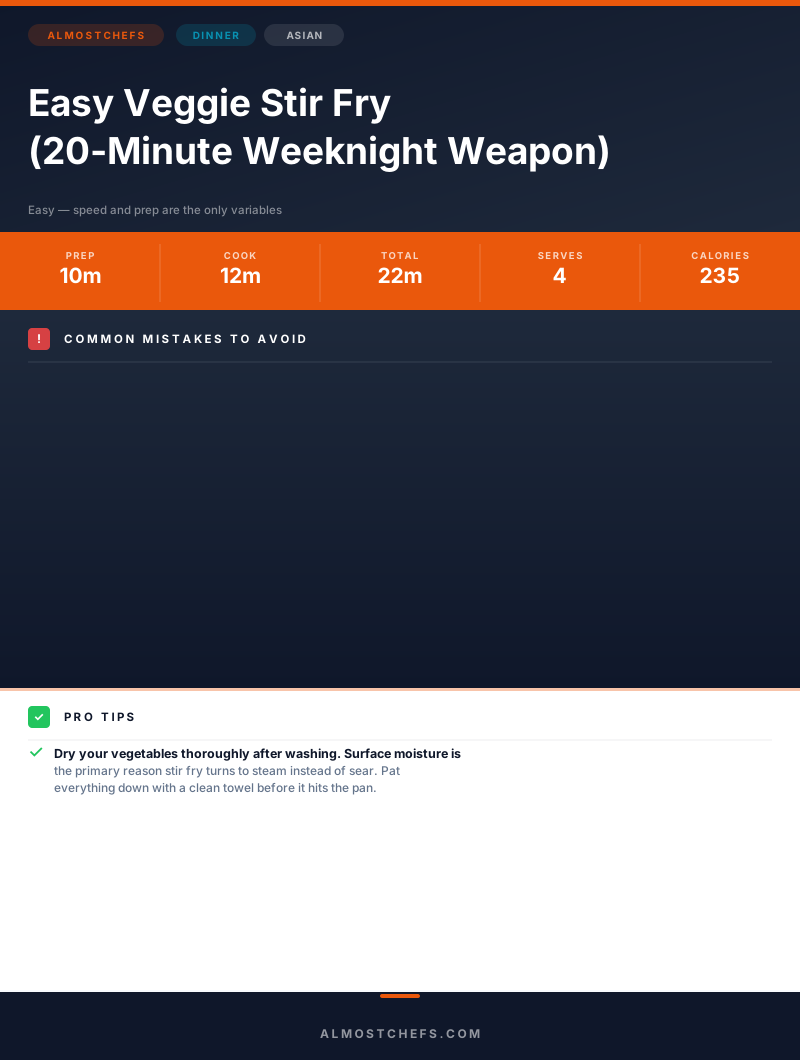
We turned everything on this page into a beautiful, flour-proof PDF cheat sheet. Print it out, stick it to your fridge, and never mess up your easy veggie stir fry (20-minute weeknight weapon) again.
*We'll email you the high-res PDF instantly. No spam, just perfectly cooked meals.
AlmostChefs Editorial Team
We translate the internet's most popular cooking videos into foolproof, beginner-friendly written recipes. We analyze multiple methods, test them in our kitchen, and engineer a single "Master Recipe" that gives you the best possible result with the least possible stress.