The Only Vegetable Salad Worth Making (Stop Drowning It in Dressing)
A crisp, composed salad built on seasonal vegetables, a balanced acid-oil vinaigrette, and the kind of textural contrast most recipes ignore entirely. We broke down the core techniques — cutting method, salt timing, and emulsification ratio — so this stops being a side dish and starts being the reason people come back for seconds.
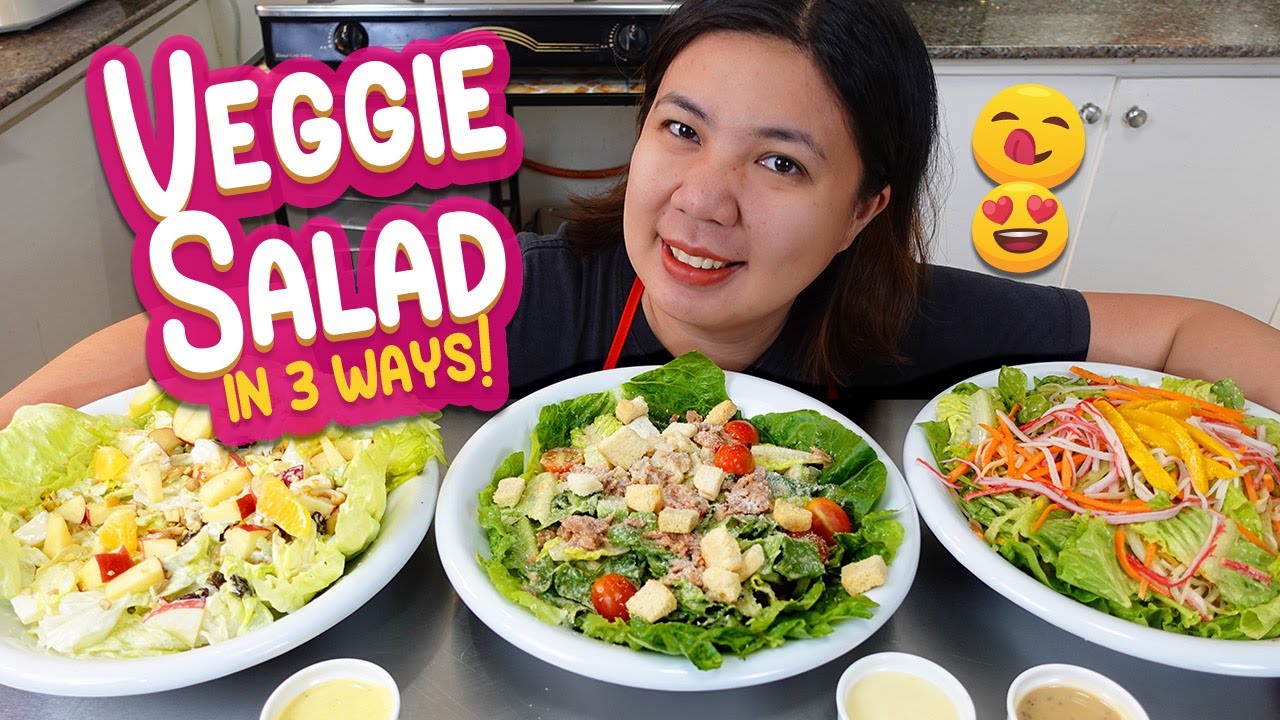
“Most vegetable salads are an afterthought — a pile of underdressed greens that nobody asked for. The ones that actually get eaten share three things: vegetables cut to the right size, salt applied at the right moment, and a vinaigrette that's been properly emulsified instead of just shaken and poured. None of this is complicated. All of it is ignored by most recipes. We fixed that.”
Why This Recipe Works
A vegetable salad is the most frequently made and most frequently mediocre dish in the home kitchen. The problem isn't the vegetables. It's the assumption that salad doesn't require technique — that you can just chop, pour, and serve and call it food. That assumption produces the limp, underdressed, uniformly cut pile of vegetables that people eat reluctantly while waiting for the actual meal. This recipe rejects that assumption entirely.
The Knife Work Is the Recipe
Before a single ingredient is dressed, the cutting determines whether the salad is interesting or forgettable. The fundamental principle is contrast: never cut two vegetables the same way. Paper-thin radish slices alongside rough-cut tomato wedges. Carrot ribbons draped over chunky cucumber pieces. The visual variation signals complexity before the first bite, and the textural contrast delivers on that promise — each forkful contains multiple textures, multiple resistances, multiple experiences in a single mouthful.
This is why we split-cut the cucumber: half thin-sliced for dressing absorption, half chunked for structural presence. The thin slices become flavor sponges, picking up acid and oil and garlic in every crevice. The chunks stay crisp through the entirety of the meal and give the salad body. One vegetable, two functions, zero extra work.
The red onion deserves special attention. Raw red onion is divisive precisely because most people add it without the 5-minute cold water soak that neutralizes the harsh sulfurous bite. The soak — which costs nothing but a small bowl and minimal patience — transforms sharp, acrid raw onion into something sweet-savory and mild that enhances rather than dominates. Skip it and the onion bullies every other flavor. Do it and the onion becomes a quiet background note that ties the whole composition together.
The Vinaigrette Is Engineering
Most home vinaigrettes fail because they're shaken rather than emulsified. The physics are simple: oil and water don't mix without an emulsifier — a molecule that bonds to both simultaneously. Dijon mustard contains lecithin, which does exactly that. When you whisk the oil slowly into the acid with mustard present, the lecithin molecules arrange themselves at the oil-water interface and create a stable, creamy suspension. This emulsified dressing clings to leaf surfaces and vegetable cuts. A shaken vinaigrette separates in under a minute and pools at the bottom of the bowl, leaving the top underdressed and the bottom drowning.
The ratio is 3 parts oil to 1 part acid. Deviate sharply in either direction and you lose the balance — too much oil and the dressing tastes flat and greasy; too much acid and it becomes harsh and astringent. The honey in this recipe adds a small amount of sweetness that rounds the vinegar's edges without making anything taste sweet. The grated garlic provides allium depth that complements the raw vegetables without the aggressive punch of sliced garlic.
Use a sharp chef's knife for all the cutting. This sounds obvious until you realize that most household knives are catastrophically dull and are crushing rather than cutting the vegetables. A crushing action ruptures cell walls and releases moisture. That moisture dilutes the vinaigrette, turns leafy greens limp almost immediately, and creates the waterlogged texture that makes people think they don't like salad. A sharp blade makes a clean incision that preserves cellular integrity and keeps each vegetable piece firm and dry at the cut surface.
The Sequence of Assembly
The layering order in the bowl is not aesthetic preference — it's structural logic. Greens first, then the heaviest, most robust vegetables, then the delicate items, then the herbs on top. Heavy vegetables placed directly on greens would compress and bruise the leaves before you've even started tossing. Herbs placed at the bottom get crushed and matted. The layering sequence protects each component until the moment of tossing.
Toss with your hands. This is non-negotiable for a properly dressed salad. Tongs grip and tear; spoons push without mixing; hands allow you to lift vegetables from the bottom up, feeling exactly how coated everything is and applying only as much pressure as each component requires. Delicate greens need a gentle lift-and-fold. Heavier vegetables need actual movement through the dressing. A large salad bowl gives you the room to work — cramped bowls force everything to compress into a pile instead of tumbling freely.
Dress at the last possible moment. The acid in vinaigrette begins breaking down chlorophyll in green vegetables within 3-4 minutes, which is why restaurant salads served immediately taste nothing like the same salad left on a table for 10 minutes. The vegetable prep can happen hours in advance. The dressing can sit in a jar for a week. The assembly takes 90 seconds. Do it right before the food hits the table.
This is not a complicated dish. But it is a precise one. The margin between an excellent vegetable salad and a disappointing one is measured in minutes, knife angles, and whether you bothered to emulsify the dressing. None of it requires skill. All of it requires intention.
Where Beginners Mess This Up
Before we start, read this. These are the 4 reasons your the only vegetable salad worth making (stop drowning it in dressing) will fail:
- 1
Cutting everything the same size: When every vegetable is chopped to identical 1-inch cubes, every bite is the same. Salad texture is built through contrast — paper-thin radish slices against thick-cut cucumber, torn greens alongside julienned carrot. Uniform cutting is the single fastest way to make a salad boring before it's dressed.
- 2
Dressing the salad too early: Acid from vinaigrette begins breaking down cell walls in leafy greens within 3-4 minutes. Dressed salad left to sit turns limp and waterlogged. Dress immediately before serving, toss quickly, and plate fast. This is not a dish you prep and leave to marinate.
- 3
Under-salting the vegetables: Salt does two things in a salad: it seasons, and it draws out water. For crisp vegetables you want to season just before serving. For cucumbers or tomatoes that release too much liquid, salt them separately for 10 minutes and pat dry before adding — otherwise they drown the rest of the salad.
- 4
Shaking instead of emulsifying the vinaigrette: A shaken vinaigrette separates in 60 seconds. An emulsified one — made by whisking the oil into the acid slowly, or using a blender with a tiny bit of Dijon as an emulsifier — clings to every leaf and vegetable surface. The ratio matters too: 3 parts oil to 1 part acid is the baseline.
The Video Reference Library
Want to see it in action? Here are the exact videos we analyzed and combined to build this foolproof recipe translation:
A clear, technique-forward walkthrough covering knife cuts, vinaigrette ratios, and the proper order to add components for maximum textural contrast.
Deep dive into emulsification, acid-oil ratios, and how to build a balanced vinaigrette that clings to vegetables rather than pooling at the bottom of the bowl.
Covers component storage, which vegetables hold best when prepped in advance, and how to keep salads crisp through a 4-day meal prep window.
🛠️ Core Equipment
- Sharp chef's knifeA dull knife crushes cell walls instead of cutting cleanly, releasing moisture that makes vegetables limp before they're even dressed. A sharp blade gives you clean cuts that hold their texture.
- Large salad bowlTossing requires room. In an undersized bowl, vegetables pile up and you get uneven dressing distribution — the bottom half is overdressed and the top half is dry. The bowl should be at least twice the volume of the undressed salad.
- Small mason jar or whiskFor the vinaigrette. A mason jar with a tight lid works for a basic shake-and-pour, but if you want a properly emulsified dressing that clings rather than pools, use a small bowl and a whisk. Slow, steady whisking while drizzling in the oil is the technique.
- Salad spinnerWet greens repel oil-based dressings. A salad spinner removes surface water after washing so the vinaigrette actually coats the leaves. Blotting with paper towels works in a pinch but takes three times as long.
The Only Vegetable Salad Worth Making (Stop Drowning It in Dressing)
🛒 Ingredients
- ✦4 cups mixed salad greens (romaine, arugula, or spinach)
- ✦1 large English cucumber, half thinly sliced, half cut into chunks
- ✦2 medium ripe tomatoes, cut into wedges
- ✦1 cup cherry tomatoes, halved
- ✦3 radishes, paper-thin sliced
- ✦2 medium carrots, julienned or ribboned with a peeler
- ✦1 red bell pepper, thinly sliced
- ✦1 yellow bell pepper, thinly sliced
- ✦1/2 small red onion, very thinly sliced
- ✦1/2 cup Kalamata olives, pitted
- ✦1/4 cup fresh flat-leaf parsley, roughly torn
- ✦3 tablespoons extra-virgin olive oil
- ✦1 tablespoon red wine vinegar
- ✦1 teaspoon fresh lemon juice
- ✦1/2 teaspoon Dijon mustard
- ✦1/2 teaspoon honey
- ✦1 small garlic clove, finely grated
- ✦Flaky sea salt and freshly cracked black pepper
👨🍳 Instructions
01Step 1
Wash and dry the salad greens thoroughly in a salad spinner. Spread on a clean kitchen towel and pat completely dry if any surface moisture remains.
02Step 2
Slice the cucumber: half into paper-thin rounds using a mandoline or sharp knife, half into rough half-inch chunks. This split-cut technique creates two different textures from one ingredient.
03Step 3
Julienne the carrots into thin matchsticks, or run a vegetable peeler along the length of each carrot to create long, delicate ribbons. Both techniques work — ribbons are more dramatic, matchsticks are more substantial.
04Step 4
Slice the red onion as thin as possible. Place slices in a small bowl of cold water for 5 minutes, then drain and pat dry. This removes the harsh sulfurous bite while preserving the onion flavor and crunch.
05Step 5
Make the vinaigrette: in a small bowl, whisk together the Dijon mustard, honey, grated garlic, red wine vinegar, and lemon juice until combined. Then slowly drizzle in the olive oil while whisking constantly to create an emulsion. Season with salt and pepper.
06Step 6
Arrange the salad greens in a large bowl as the base layer. Add the carrots and bell peppers first — the heaviest, most robust vegetables go in next so they don't crush the delicate greens.
07Step 7
Add the cucumber (both cuts), tomatoes, radishes, and olives. Scatter the red onion slices across the top. Finish with the torn parsley leaves.
08Step 8
Drizzle two-thirds of the vinaigrette over the salad. Using clean hands or two large spoons, toss gently from the bottom up, lifting vegetables through the dressing rather than stirring aggressively.
09Step 9
Taste a leaf and a piece of cucumber. Add remaining vinaigrette if needed, plus additional salt and a few cracks of black pepper. Serve immediately.
Nutrition Per Serving
Estimates based on standard preparation. Adjustments alter macros.
🔄 Substitutions
Instead of Red wine vinegar...
Use Sherry vinegar or apple cider vinegar
Sherry vinegar is deeper and more complex, excellent if you want a more savory vinaigrette. Apple cider vinegar is milder and slightly sweet — works well with honey-forward dressings.
Instead of Dijon mustard...
Use Whole grain mustard
Same emulsifying function, slightly different texture and visual effect. Whole grain mustard adds subtle crunch and a more rustic appearance to the finished dressing.
Instead of Kalamata olives...
Use Castelvetrano olives or capers
Castelvetrano olives are buttery and mild — better for people who find Kalamata too briny. Capers deliver intense salinity in a much smaller package; use 2 tablespoons instead of half a cup.
Instead of English cucumber...
Use Persian cucumbers or regular field cucumber (seeded)
Persian cucumbers are nearly identical to English — thinner skin, fewer seeds, same crunch. Regular field cucumber has larger seeds and more moisture; scoop them out with a spoon and salt the flesh briefly before adding.
🧊 Storage & Reheating
In the Fridge
Store undressed components in an airtight container for up to 3 days. Once dressed, the salad should be eaten immediately — it deteriorates within 30 minutes as the acid breaks down the greens.
In the Freezer
Not suitable for freezing. Raw vegetables lose all texture after thawing.
Reheating Rules
No reheating needed or recommended. If making ahead, store vinaigrette in a sealed jar in the fridge for up to 7 days. Shake vigorously before using — it will re-emulsify with agitation.
❓ Frequently Asked Questions
Why does my salad always go soggy?
Three likely causes: greens weren't fully dried before dressing, the salad was dressed too early and the acid broke down the leaves, or high-moisture vegetables like tomatoes and cucumber weren't managed properly. Salt tomatoes separately for 10 minutes and pat dry. Always dress right before serving.
What's the correct oil-to-vinegar ratio for vinaigrette?
The classic ratio is 3 parts oil to 1 part acid. For a more assertive, tangy dressing, go 2:1. Never go below 2:1 or the acid will be overwhelming. Taste and adjust — your palate is the final judge, not the formula.
Can I make this salad ahead of time?
Yes, with components stored separately. Chop and refrigerate the vegetables (minus the greens) up to 24 hours in advance. Store greens dry and wrapped in paper towel. Make the vinaigrette in a jar. Assemble and dress only when ready to eat.
What proteins pair well with this salad?
Grilled or poached chicken, oil-packed tuna, hard-boiled eggs, chickpeas, or crumbled feta. For a more substantial lunch, add both chickpeas and feta — the protein and fat combination makes this genuinely filling without adding complexity to the prep.
Why do I need Dijon in the dressing?
Dijon mustard contains lecithin, a natural emulsifier that binds oil and acid into a stable, creamy mixture. Without it, your vinaigrette separates within minutes of mixing. With it, the dressing stays emulsified long enough to coat every surface in the bowl evenly.
How do I keep red onion from being too sharp?
Soak sliced red onion in cold water for 5 minutes, then drain and pat dry. This leaches out the harsh sulfurous compounds responsible for that eye-watering raw bite while preserving the onion's flavor and crunch. It's a 5-minute step that makes a dramatic difference.

The Science of
The Only Vegetable Salad Worth Making (Stop Drowning It in Dressing)
We turned everything on this page into a beautiful, flour-proof PDF cheat sheet. Print it out, stick it to your fridge, and never mess up your the only vegetable salad worth making (stop drowning it in dressing) again.
*We'll email you the high-res PDF instantly. No spam, just perfectly cooked meals.
AlmostChefs Editorial Team
We translate the internet's most popular cooking videos into foolproof, beginner-friendly written recipes. We analyze multiple methods, test them in our kitchen, and engineer a single "Master Recipe" that gives you the best possible result with the least possible stress.