Easy Vegetable Curry (One-Pot, 45 Minutes, Actually Flavorful)
A creamy, aromatic vegetable curry with chickpeas, coconut milk, and toasted whole spices that comes together in under 45 minutes. We broke down why most home curry tastes flat and built a method that fixes it — starting with how you treat the spices.
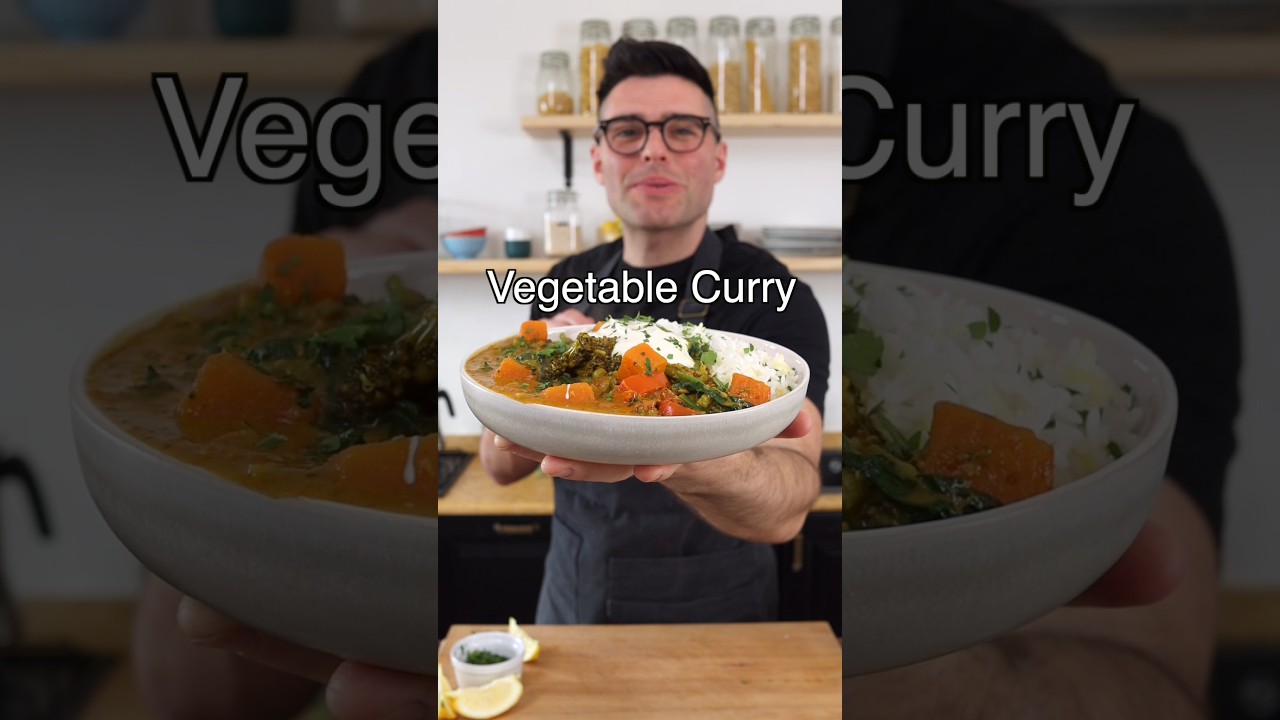
“Most homemade vegetable curry tastes like mild tomato soup with yellow food coloring. The problem is almost never the spices — it's what you do with them. Toasting curry powder in fat before adding any liquid is the single step that separates a flat, muddy curry from one that layers and blooms. We tested the most popular YouTube methods and identified exactly where home cooks lose the flavor before the dish even gets started.”
Why This Recipe Works
Vegetable curry is one of the most forgiving dishes in global cooking and simultaneously one of the most frequently botched. The ingredients are cheap, the technique is minimal, and the margin for error seems wide — which is exactly why home cooks stop paying attention at the wrong moments. The result is a pot of mildly spiced tomato broth with soft vegetables floating in it, which technically qualifies as curry but delivers none of what makes curry worth eating.
The problem is almost always the spices.
The Fat-Soluble Problem Nobody Talks About
Curry powder is a blend of fat-soluble aromatic compounds. Turmeric, coriander, cumin — their flavor molecules do not dissolve in water. They dissolve in fat. When you add curry powder directly to liquid, you're essentially adding yellow pigment. You get color. You don't get the bloomed, rounded, three-dimensional flavor that makes restaurant curry taste like it came from a place with a tandoor in the back.
The fix is two minutes of toasting in hot coconut oil before any liquid touches the pot. Stir constantly. The spices will stick briefly, the kitchen will smell dramatically more intense, and the paste that forms on the bottom of the pan will look like it's about to burn. That's the moment. That's what you want. Add the tomatoes right then to deglaze, and every bit of that toasted spice paste lifts into the sauce.
Aromatics Are Not Interchangeable With Spices
Garlic and ginger are not interchangeable with curry powder — they're a separate layer of the flavor architecture. They need their own dedicated 60-90 seconds in hot fat before the dried spices go in. Raw garlic added to liquid turns sharp and acrid. Properly sautéed garlic turns sweet and mellow and contributes depth that no amount of extra curry powder can replicate.
Grate the ginger. Don't mince it. Minced ginger in a quick curry produces uneven heat pockets — some bites are too sharp, others taste of nothing. A fine grate turns fresh ginger into a paste that distributes evenly through the oil and melts invisibly into the finished sauce.
The Vegetable Sequencing Problem
This is a staggered-cook dish. Carrots and cauliflower need 15 minutes of simmering to become properly tender. Spinach needs 3 minutes or it dissolves into a muddy green slick. Chickpeas need 5 minutes to absorb the surrounding sauce and stop tasting like they came straight from the can.
Adding everything simultaneously — the single most common shortcut — means you're optimizing for exactly one vegetable. Everything else is either underdone or obliterated. The solution is simple: add by density, in sequence, with enough time between additions that each ingredient reaches its correct texture independently.
Acid at the End
Every finished curry needs acid. Not more spice, not more salt — acid. A squeeze of lime at the end brightens the coconut fat, sharpens the spice profile, and makes the whole bowl taste cleaner. Without it, even a perfectly executed curry tastes slightly muted, slightly heavy. This is why every Southeast Asian and South Asian curry tradition serves citrus alongside — it's not garnish, it's a functional ingredient applied at the last moment when heat can't cook it off.
This is a 45-minute weeknight dinner that genuinely tastes like you spent longer on it. The technique is not complex. The attention required is just higher than most recipes suggest.
Where Beginners Mess This Up
Before we start, read this. These are the 4 reasons your easy vegetable curry (one-pot, 45 minutes, actually flavorful) will fail:
- 1
Adding spices to liquid instead of fat: Curry powder and ground spices are fat-soluble, not water-soluble. Adding them directly to broth or tomatoes means their volatile aromatic compounds never fully activate. You get color but not depth. Toast them in hot oil or coconut oil for a full 2 minutes — you'll smell the difference before you taste it.
- 2
Undercooking the aromatics: Garlic and ginger added raw to the liquid produces a sharp, harsh edge that never fully cooks out. They need 60-90 seconds in hot fat to mellow and develop their sweeter, more complex notes. If they haven't turned fragrant before the liquid goes in, you're already behind.
- 3
Overcrowding with vegetables all at once: Carrots and cauliflower need significantly more time than spinach and chickpeas. Dumping everything in together means you get either crunchy carrots or obliterated spinach. Stagger the additions by density and you get every vegetable at the right texture at the same time.
- 4
Skipping the final simmer after adding chickpeas: Chickpeas need time to absorb the surrounding curry — not just to heat through. A rushed 1-minute stir means the beans taste like they were added as an afterthought. Five minutes of low simmering lets the chickpeas soak up the sauce and contributes starch that thickens everything.
The Video Reference Library
Want to see it in action? Here are the exact videos we analyzed and combined to build this foolproof recipe translation:
The primary reference for this recipe. Clear technique on spice toasting and vegetable staging that informed the sequencing here.
🛠️ Core Equipment
- Large heavy-bottomed pot or Dutch ovenEven heat distribution prevents the spice paste from scorching during the critical toasting phase. A thin pan creates hot spots that burn ground spices in seconds.
- Wooden spoon or silicone spatulaFor constant stirring during the spice-toasting step. Ground spices go from perfectly toasted to burnt in under 30 seconds if left alone — you need to keep them moving.
- Box grater or MicroplaneFresh ginger must be grated, not minced. Chunks of ginger create uneven flavor distribution and harsh bite. A fine grate turns it into a paste that melts into the sauce.
- Fine-mesh sieve or colanderFor draining and rinsing canned chickpeas. The starchy canning liquid muddies the curry's color and adds metallic off-notes if you skip the rinse.
Easy Vegetable Curry (One-Pot, 45 Minutes, Actually Flavorful)
🛒 Ingredients
- ✦2 tablespoons coconut oil
- ✦1 large yellow onion, finely diced
- ✦3 cloves garlic, minced
- ✦1 tablespoon fresh ginger, grated
- ✦2 tablespoons curry powder
- ✦1 teaspoon ground cumin
- ✦1 teaspoon turmeric
- ✦1 can (14 ounces) diced tomatoes
- ✦1 can (13.5 ounces) light coconut milk
- ✦2 cups vegetable broth
- ✦3 medium carrots, cut into 1-inch pieces
- ✦2 cups cauliflower florets
- ✦1 medium red bell pepper, chopped
- ✦1 can (15 ounces) chickpeas, drained and rinsed
- ✦2 cups fresh spinach
- ✦1 teaspoon sea salt
- ✦1/2 teaspoon black pepper
- ✦2 tablespoons fresh cilantro, chopped
- ✦1 lime, cut into wedges
👨🍳 Instructions
01Step 1
Warm coconut oil in a large heavy-bottomed pot over medium-high heat until it shimmers, about 1 minute.
02Step 2
Add diced onion and sauté, stirring frequently, until translucent and soft, approximately 5 minutes.
03Step 3
Stir in minced garlic and grated ginger and cook for 60-90 seconds until fragrant.
04Step 4
Sprinkle curry powder, cumin, and turmeric over the aromatics and cook, stirring constantly, for 2 full minutes.
05Step 5
Pour in diced tomatoes with their juice, light coconut milk, and vegetable broth, stirring well to lift any spiced bits from the bottom of the pot.
06Step 6
Add carrots, cauliflower, and red bell pepper. Bring to a gentle boil.
07Step 7
Reduce heat to medium-low and simmer uncovered for 15 minutes until the vegetables are nearly tender but still have slight resistance.
08Step 8
Add drained and rinsed chickpeas and fresh spinach. Stir until the spinach wilts completely, about 3 minutes.
09Step 9
Season with sea salt and black pepper. Taste and adjust spice intensity if desired.
10Step 10
Simmer for an additional 5 minutes to allow the chickpeas to absorb the curry and the sauce to thicken slightly.
11Step 11
Remove from heat and stir in fresh cilantro.
12Step 12
Ladle into bowls and serve with lime wedges. Squeeze generously — the acid brightens the entire dish.
Nutrition Per Serving
Estimates based on standard preparation. Adjustments alter macros.
🔄 Substitutions
Instead of Coconut oil...
Use Extra virgin olive oil
Lighter mouthfeel with a slightly herbaceous note. Reduces saturated fat significantly. Still performs well for the spice-toasting step.
Instead of Canned light coconut milk...
Use Full-fat coconut milk diluted 1:1 with vegetable broth
Richer flavor with slightly lower calorie count than undiluted full-fat. More authentic coconut presence than light coconut milk alone.
Instead of Curry powder blend...
Use 1 tablespoon coriander, 1 teaspoon fenugreek, 1 teaspoon mustard seed, 1/2 teaspoon red pepper flakes
More complex, vibrant spice profile with lower sodium. No fillers or added salt. Requires the same toasting technique — whole seeds go in first, then ground spices.
Instead of Canned chickpeas...
Use Cooked dried chickpeas or white beans
Firmer texture, cleaner flavor, approximately 300mg less sodium per serving. Requires planning ahead but the difference in texture is noticeable.
🧊 Storage & Reheating
In the Fridge
Store in an airtight container for up to 4 days. The flavor improves significantly by day two as the spices continue to bloom.
In the Freezer
Freeze in portions for up to 3 months. Thaw overnight in the refrigerator. The vegetables soften slightly after freezing but the flavor holds well.
Reheating Rules
Reheat on the stovetop over medium-low heat with a splash of vegetable broth or water to restore consistency. Microwave works but the coconut milk can separate — stir vigorously if it does.
❓ Frequently Asked Questions
Why does my curry taste bitter?
Burnt spices. Ground curry powder and turmeric go from toasted to bitter in under 30 seconds if the heat is too high or you stop stirring. If this happens, there's no fixing it — the bitterness permeates everything. Start over with fresh spices and lower your heat.
Can I use frozen vegetables instead of fresh?
Yes, with timing adjustments. Frozen cauliflower and carrots need about half the simmering time since they're already partially cooked. Add them 8 minutes before the end rather than 15. Frozen spinach works well — squeeze out excess water before adding.
How do I make this curry thicker?
Three options: simmer uncovered for an extra 5-10 minutes to reduce the liquid, mash a portion of the chickpeas against the side of the pot with your spoon, or stir in a tablespoon of coconut cream at the end. The chickpea method adds body without changing the flavor.
Is curry powder the same as garam masala?
No. Curry powder is a British-colonial blend that typically includes turmeric, coriander, cumin, and chili. Garam masala is a finishing spice added at the end of cooking — it's warmer and more aromatic, with cardamom, cloves, and cinnamon. They're not interchangeable in this recipe.
Can I add protein beyond chickpeas?
Absolutely. Cubed firm tofu added with the chickpeas works well — press it first so it absorbs the curry rather than diluting it. Paneer (Indian cheese) is traditional and holds its shape beautifully. For a non-vegan version, shrimp cooks in about 3 minutes and works with the spice profile.
Why does my coconut milk look curdled in the curry?
High heat breaks the emulsion in coconut milk, causing the fat to separate from the liquid. Always add coconut milk after reducing to medium-low heat, and never let the curry boil after it goes in. If it has already separated, whisk vigorously — it often re-emulsifies with agitation and slightly lower heat.

The Science of
Easy Vegetable Curry (One-Pot, 45 Minutes, Actually Flavorful)
We turned everything on this page into a beautiful, flour-proof PDF cheat sheet. Print it out, stick it to your fridge, and never mess up your easy vegetable curry (one-pot, 45 minutes, actually flavorful) again.
*We'll email you the high-res PDF instantly. No spam, just perfectly cooked meals.
AlmostChefs Editorial Team
We translate the internet's most popular cooking videos into foolproof, beginner-friendly written recipes. We analyze multiple methods, test them in our kitchen, and engineer a single "Master Recipe" that gives you the best possible result with the least possible stress.