One-Pot Veg Pulao (The Weeknight Rice Dish You'll Actually Make)
A fragrant, one-pot Indian rice dish with basmati, caramelized onions, tender vegetables, and whole spices bloomed in ghee. We broke down the most-cooked pulao method on YouTube to build a foolproof technique that keeps every grain separate and every vegetable perfectly cooked.
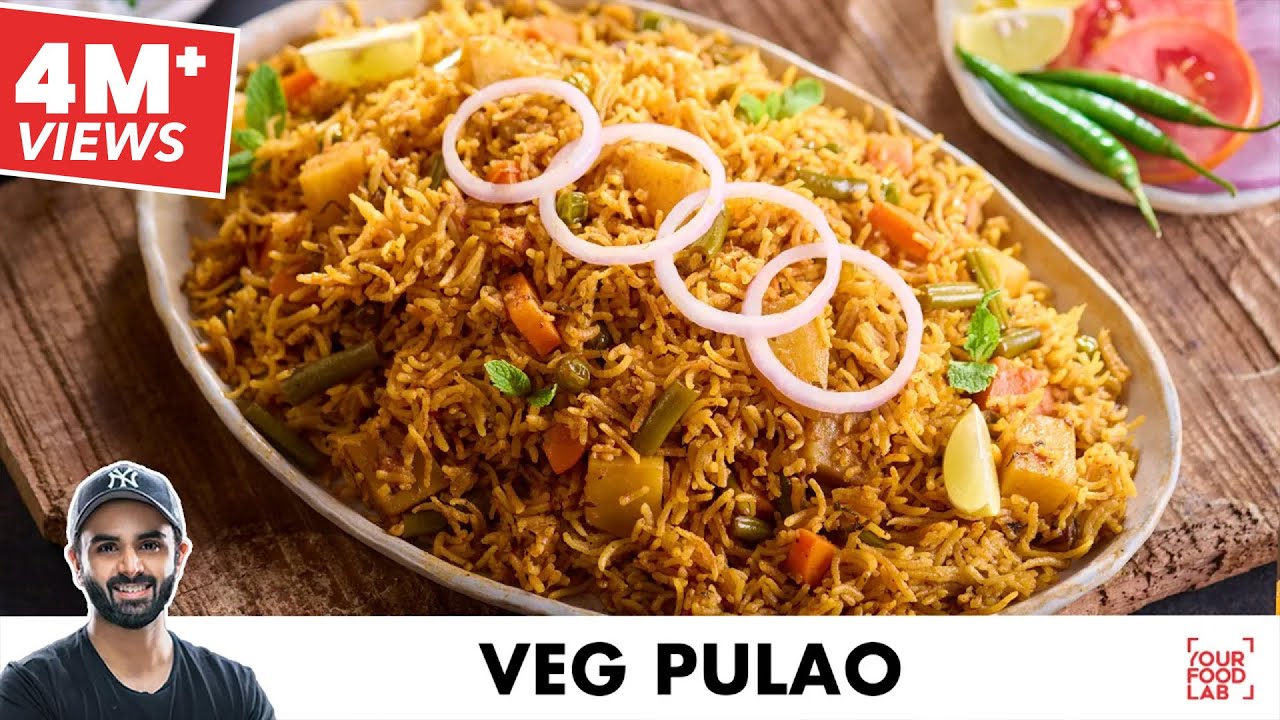
“Most pulao recipes fail in exactly the same way: mushy rice, undercooked vegetables, or a pot that smells great but tastes flat. The fix isn't more spices — it's a faster onion, a soaked grain, and knowing when to stop touching things. We tested the highest-viewed pulao methods on YouTube and distilled the technique down to its irreducible core.”
Why This Recipe Works
Pulao has a reputation as the easy version of biryani — simpler, faster, less prestigious. That reputation is mostly accurate. But easy doesn't mean thoughtless, and the gap between good pulao and mediocre pulao is exactly as wide as the gap between caramelized onions and pale, slightly softened ones.
The Grain Architecture
Basmati rice contains two types of starch: amylose and amylopectin. The ratio between them determines whether your cooked rice stays separate or clumps together. Aged basmati has a high amylose content, which is why the grains stay firm and elongated after cooking. Fresh or poorly stored basmati behaves more like short-grain rice — sticky, soft, and prone to fusing.
The rinse strips surface starch that would otherwise act like paste between grains. Three rinses until the water runs clear is the standard. The soak that follows is about internal hydration: each grain absorbs cold water evenly so that when it hits hot liquid, the exterior and interior are starting from the same moisture level. Skip the soak and you get a lottery — some grains fully cooked, others still chalky in the center.
The 2:1 liquid-to-rice ratio is the cook's most important number. Too much liquid and you get porridge. Too little and the bottom burns before the top finishes. The ratio assumes properly soaked rice — if you're skipping the soak, add an extra ¼ cup of liquid to compensate for slower absorption.
The Spice Sequence
Whole spices in hot fat is one of the oldest techniques in Indian cooking, and the physics behind it are straightforward. The aromatic compounds in cardamom, cloves, and cinnamon are fat-soluble — they release into oil at high heat but barely dissolve in water. Dropping them into shimmering ghee extracts and distributes those compounds throughout every grain of rice.
The sequence matters: cumin seeds first because they're small and burn quickly, then the larger whole spices that need more time to open up. You're listening for sizzle and watching for color change. If nothing sizzles when the cumin hits the fat, the fat isn't hot enough. Start over.
The Onion Foundation
Six to eight minutes over medium-high heat with actual stirring. Not three minutes of mostly watching. Not golden. Deep amber with darkened edges that look almost overdone from a distance. Onions contain about 5 grams of natural sugar per medium bulb — at sustained heat, that sugar caramelizes into hundreds of new flavor compounds that don't exist in a raw or lightly cooked onion.
This is the flavor base the rice cooks in. Pale onions produce a flat, vaguely spiced pulao that tastes like weeknight compromise. Properly caramelized onions produce a pulao that tastes like you understood something.
The Vegetable Problem
Basmati rice in liquid at a simmer takes 18-20 minutes. A ½-inch cube of raw potato takes 25 minutes. These two timelines don't resolve without intervention, and the intervention is parboiling. Three to four minutes in boiling salted water gets the potatoes and carrots to about 60% done before they ever touch the rice pot. They finish the remaining 40% during the main cook alongside the rice, landing at the same destination at the same time.
Soft vegetables like peas and green beans go in raw — they only need 15-18 minutes and can share the rice's cook time without a head start.
The Lid Rule
Once the liquid hits a boil and you drop to low heat, the pot becomes a sealed steam environment. The rice cooks in three ways simultaneously: direct liquid absorption at the bottom, steam convection in the middle, and radiant heat from the lid above. The system only works when it's sealed.
Lifting the lid releases steam, drops the temperature by 15-20 degrees, and forces the top layer into a holding pattern while the bottom continues cooking. The result is dried-out top grains and overcooked bottom grains — a problem people usually blame on their stove rather than their hands.
A heavy-bottomed pot protects the bottom layer from burning while the sealed interior does its work. Thin pots create concentrated hot spots. Even heat distribution is what gives you the option to run on low for a full 20 minutes without scorching.
The five-minute off-heat rest at the end is not optional. The residual steam finishes the top layer and the grains firm up slightly as they cool. Cut it short and the rice will be gummy when you fluff it. Wait the five minutes, fluff with a fork, finish with lemon and herbs. That's the whole recipe.
Where Beginners Mess This Up
Before we start, read this. These are the 4 reasons your one-pot veg pulao (the weeknight rice dish you'll actually make) will fail:
- 1
Not soaking the rice: Basmati rice needs 20-30 minutes in cold water before cooking. Without soaking, the outer layer of each grain gelatinizes faster than the interior — you get a gummy exterior and a crunchy center. The soak equalizes hydration so every part of the grain cooks at the same rate.
- 2
Undercooking the onions: Golden is not done. You want deep amber with caramelized edges — 6 to 8 minutes over medium-high heat with actual stirring. Pale onions taste sharp and acrid. Mahogany onions taste sweet and savory and form the flavor foundation the entire dish rests on.
- 3
Rushing the spice bloom: Whole spices dropped into cold or insufficiently hot ghee do almost nothing. The fat must be shimmering before you add cumin seeds. You're looking for a 30-second sizzle that releases the essential oils — that aroma hitting your face when you lean over the pot is the flavor going into your rice.
- 4
Lifting the lid mid-cook: Once the liquid comes to a boil and you reduce to low, the lid stays on. The rice is cooking in its own steam. Every time you peek, you drop the internal temperature and extend the cook time unevenly. Set a 20-minute timer. Walk away.
The Video Reference Library
Want to see it in action? Here are the exact videos we analyzed and combined to build this foolproof recipe translation:
The source video for this technique. Clear demonstration of the spice bloom, onion color target, and how the finished rice should look when fluffed — every grain separate.
🛠️ Core Equipment
- Heavy-bottomed pot with tight-fitting lidEven heat distribution prevents hot spots that scorch the bottom while leaving the center undercooked. A [Dutch oven](/kitchen-gear/review/dutch-oven) or thick aluminum pot is ideal — thin pots will burn the bottom layer.
- Fine-mesh sieveFor rinsing the basmati until the water runs clear, and for draining the parboiled vegetables quickly. Slow draining means vegetables keep cooking in residual heat.
- Small saucepanFor parboiling the potatoes and carrots separately before they go into the main pot. This step ensures dense vegetables finish at the same time as the rice.
One-Pot Veg Pulao (The Weeknight Rice Dish You'll Actually Make)
🛒 Ingredients
- ✦2 cups basmati rice
- ✦4 cups vegetable broth or water
- ✦3.5 tablespoons ghee or neutral oil
- ✦2 medium yellow onions, thinly sliced
- ✦1 tablespoon ginger-garlic paste
- ✦2-3 green chilies, minced
- ✦1 cup fresh garden peas
- ✦1 cup carrots, diced into ¼-inch cubes
- ✦1 cup potatoes, cubed into ½-inch pieces
- ✦½ cup fresh green beans, cut into 1-inch pieces
- ✦1 teaspoon cumin seeds
- ✦1 inch cinnamon stick
- ✦4-5 whole cloves
- ✦2-3 black cardamom pods
- ✦4-5 green cardamom pods, lightly crushed
- ✦½ teaspoon black peppercorns
- ✦2-3 bay leaves
- ✦Salt to taste
- ✦2 tablespoons fresh cilantro, chopped
- ✦1 tablespoon fresh mint leaves, chopped
- ✦1 tablespoon fresh lemon juice
👨🍳 Instructions
01Step 1
Rinse the basmati rice under cool running water until the water runs clear. Soak in fresh cold water for 20-30 minutes, then drain completely.
02Step 2
Cut potatoes into ½-inch cubes and carrots into ¼-inch cubes. Trim green beans into 1-inch lengths. Mince the green chilies finely.
03Step 3
Bring a small pot of salted water to a boil. Parboil the potato cubes and carrot pieces together for 3-4 minutes until slightly tender but still firm. Drain and set aside.
04Step 4
Heat the ghee in a heavy-bottomed pot over medium-high heat until shimmering. Add the cumin seeds and let them sizzle for 30 seconds until fragrant.
05Step 5
Add the cinnamon stick, cloves, black cardamom, green cardamom pods, peppercorns, and bay leaves. Toast for 30-45 seconds until aromatic.
06Step 6
Add the sliced onions and sauté over medium-high heat for 6-8 minutes, stirring frequently, until deep golden brown with caramelized edges.
07Step 7
Reduce heat to medium. Add the ginger-garlic paste and minced green chilies. Stir constantly for 1-2 minutes until the raw aroma is gone.
08Step 8
Drain the soaked rice completely and add it to the pot. Stir gently for 1-2 minutes to coat each grain with ghee and toast lightly.
09Step 9
Pour in the vegetable broth or water and bring to a boil over medium-high heat, stirring once to settle the rice evenly.
10Step 10
Add the parboiled potatoes and carrots, green beans, and peas. Gently fold them into the rice without breaking grains. Season with salt.
11Step 11
Cover with a tight-fitting lid, reduce heat to low, and cook undisturbed for 18-20 minutes until all liquid is absorbed.
12Step 12
Remove from heat and let rest, still covered, for 5 minutes.
13Step 13
Uncover and fluff gently with a fork. Break up any clumps without crushing the grains.
14Step 14
Add the fresh cilantro, mint, and lemon juice. Toss lightly and serve immediately.
Nutrition Per Serving
Estimates based on standard preparation. Adjustments alter macros.
🔄 Substitutions
Instead of Ghee...
Use Extra virgin olive oil or coconut oil
Loses the nutty dairy richness but maintains sufficient fat for proper spice tempering. Coconut oil adds subtle sweetness that works well with the whole spices.
Instead of Basmati rice...
Use Brown basmati or wild rice blend
Nuttier, chewier, more fiber. Requires about 25-30 minutes of cooking time and an extra ½ cup of liquid. Adjust accordingly.
Instead of Potatoes...
Use Cauliflower florets or sliced mushrooms
Cauliflower stays mild and absorbs spices well. Mushrooms add deep savory umami. Neither needs parboiling — add them directly with the peas and green beans.
Instead of Vegetable broth...
Use Low-sodium vegetable broth or homemade stock
Store-bought broth varies wildly in sodium. Low-sodium gives you control over the final seasoning. Taste before adding salt if using standard broth.
🧊 Storage & Reheating
In the Fridge
Store in an airtight container for up to 3 days. The spice flavors deepen overnight — day-two pulao is often better than day-one.
In the Freezer
Freeze in individual portions for up to 2 months. Spread on a sheet pan to cool completely before portioning to prevent clumping.
Reheating Rules
Add 2 tablespoons of water to the pot or container, cover tightly, and reheat on low heat for 8-10 minutes. Microwave dries out the grains — use stovetop or a covered microwave-safe dish with a damp paper towel on top.
❓ Frequently Asked Questions
Why is my pulao rice sticky and clumped?
Two likely causes: you didn't soak the rice long enough, or you didn't rinse it thoroughly. The rinse removes surface starch that acts like glue. The soak ensures even hydration so grains cook individually rather than fusing together.
What's the difference between pulao and biryani?
Pulao cooks the rice and vegetables together in the same pot from the beginning. Biryani layers parboiled rice over separately cooked meat, then steams them together under a sealed lid. Pulao is simpler and faster. Biryani has a more complex layered flavor but requires twice the technique.
Can I make this vegan?
It already is vegan if you use neutral oil instead of ghee. Ghee is clarified butter, so substituting olive or coconut oil keeps it fully plant-based with no other changes needed.
My vegetables turned mushy. What happened?
The dense vegetables — potatoes and carrots — need to be parboiled before they go into the pot. If they go in raw, they need more time than the rice to cook through, so you end up overcooking the rice trying to finish the vegetables. Three to four minutes of parboiling fixes this completely.
Can I use a rice cooker for this?
For the spice bloom and onion caramelization, no — you need a pan on direct heat. But once you've sautéed everything through step 10, you can transfer the contents to a rice cooker and use the standard white rice setting. You lose some control over the bottom crust but the main grain texture will be fine.
Do I have to use whole spices, or can I use ground?
Whole spices are strongly preferred. Ground spices release their volatile oils immediately and can turn harsh or bitter during the 20-minute cook. Whole cardamom, cloves, and cinnamon release flavor slowly, building complexity. If you only have ground, add half the quantity and add them with the ginger-garlic paste rather than in the fat.
The Science of
One-Pot Veg Pulao (The Weeknight Rice Dish You'll Actually Make)
We turned everything on this page into a beautiful, flour-proof PDF cheat sheet. Print it out, stick it to your fridge, and never mess up your one-pot veg pulao (the weeknight rice dish you'll actually make) again.
*We'll email you the high-res PDF instantly. No spam, just perfectly cooked meals.
AlmostChefs Editorial Team
We translate the internet's most popular cooking videos into foolproof, beginner-friendly written recipes. We analyze multiple methods, test them in our kitchen, and engineer a single "Master Recipe" that gives you the best possible result with the least possible stress.