Instant Pot Chicken and Vegetable Bowl (The Beginner's Pressure Cooking Blueprint)
A one-pot pressure cooker meal built for beginners — tender chicken breast, nutrient-dense vegetables, and a deeply savory broth, ready in 30 minutes. We broke down the most common Instant Pot mistakes so your first attempt comes out exactly right.
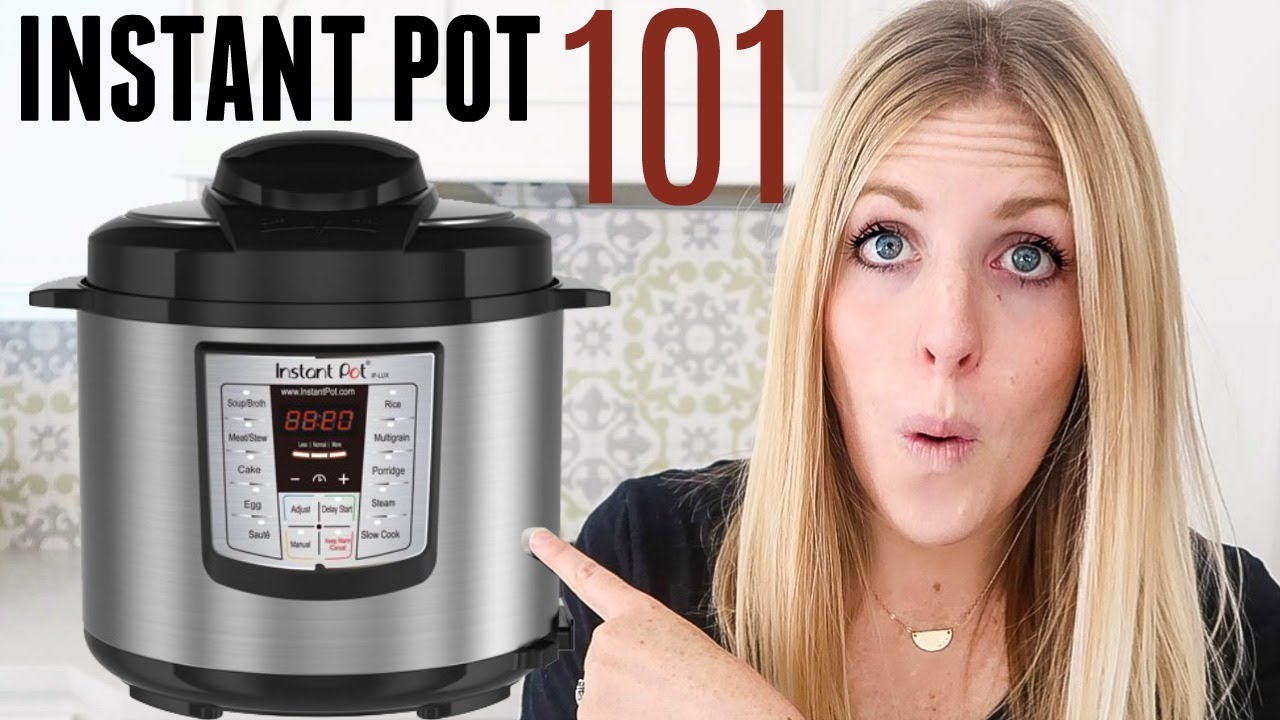
“Most people buy an Instant Pot, use it twice, and shove it in a cabinet. Not because pressure cooking is hard — because nobody told them the three things that go wrong every single time. The seal fails. The chicken turns rubbery. The vegetables disappear into mush. This recipe is built around avoiding all three. Once you cook this, you'll understand how the machine thinks — and every other Instant Pot recipe becomes obvious.”
Why This Recipe Works
The Instant Pot has been sitting in more kitchen cabinets than it has been sitting on countertops since 2016. Not because it's a bad tool — it's an exceptional one — but because nobody walks beginners through the actual mechanics. Every recipe says "add ingredients, set to high pressure, done." Nobody explains why the burn warning appears, why the broth tastes flat, or why the chicken is somehow both overcooked and undercooked at the same time.
This recipe fixes that by teaching you how the machine thinks.
Pressure Is Not Magic — It's Physics
An Instant Pot is a sealed vessel that traps steam until the internal pressure reaches roughly 12 PSI above atmospheric pressure. At that pressure, water boils at 250°F instead of 212°F. Higher boiling point means food cooks faster — collagen breaks down in minutes instead of hours, chicken breast cooks through in 8 minutes instead of 20. The machine isn't doing anything exotic. It's just physics.
The implication: everything that goes wrong with pressure cooking is a failure to respect the physics. The burn warning happens because food stuck to the pot base overheats faster than the liquid above it, and the sensor stops the program to prevent scorching. The chicken turns rubbery because small cubes of breast meat cannot survive extra pressure time the way thighs can. The broth tastes flat because you skipped the step that builds flavor before the lid goes on.
The Sauté Phase Is Load-Bearing
Pressure cookers are famous for being fast. What that reputation obscures is that the speed comes entirely from the pressure phase — and the flavor has to be built before the lid closes. Once you seal the pot, you cannot add complexity. Whatever Maillard reactions, caramelization, and aromatics you've developed in the sauté phase are exactly what the finished dish will taste like, amplified by a small amount from the broth cooking under pressure.
This means the 4 minutes you spend softening onion, carrot, and celery in olive oil are disproportionately important. Don't rush them. And the 30 seconds of garlic — taken seriously, with your nose paying attention — contributes more flavor per second than any other step in this recipe.
Deglazing Is Non-Negotiable
The layer of browned fond on the bottom of the pot after sautéing is flavor. It's also the thing that triggers the burn warning if left in contact with a dry hot surface under pressure. Adding the broth and scraping the bottom with a wooden spoon accomplishes two things simultaneously: it dissolves those flavor compounds into the liquid (making the broth taste developed rather than watery), and it removes the stuck material that would otherwise cause the machine to fault mid-cook.
It takes 20 seconds. It is the difference between a recipe that works and one that doesn't.
Why 8 Minutes Works
Eight minutes at high pressure is enough to fully cook 2-inch chicken breast cubes and soften potatoes and root vegetables simultaneously. The math was worked out by testing. If you cut your chicken smaller, reduce to 6 minutes. If you're using bone-in thighs, increase to 10. The pressure cooking time is a function of the densest ingredient in the pot — in this case, the chicken and potatoes, which finish at approximately the same rate when cut to this size.
The spinach goes in after. Always. Pressure cooking destroys leafy greens so thoroughly that there's nothing left to eat. Stir them in raw after the lid comes off and let residual heat wilt them in about a minute. Same result, intact texture, no gray slick.
This dish is a blueprint. Once you understand the sauté-deglaze-seal-release-finish sequence, every Instant Pot recipe you ever encounter will make immediate, obvious sense. That's worth more than any single meal.
Where Beginners Mess This Up
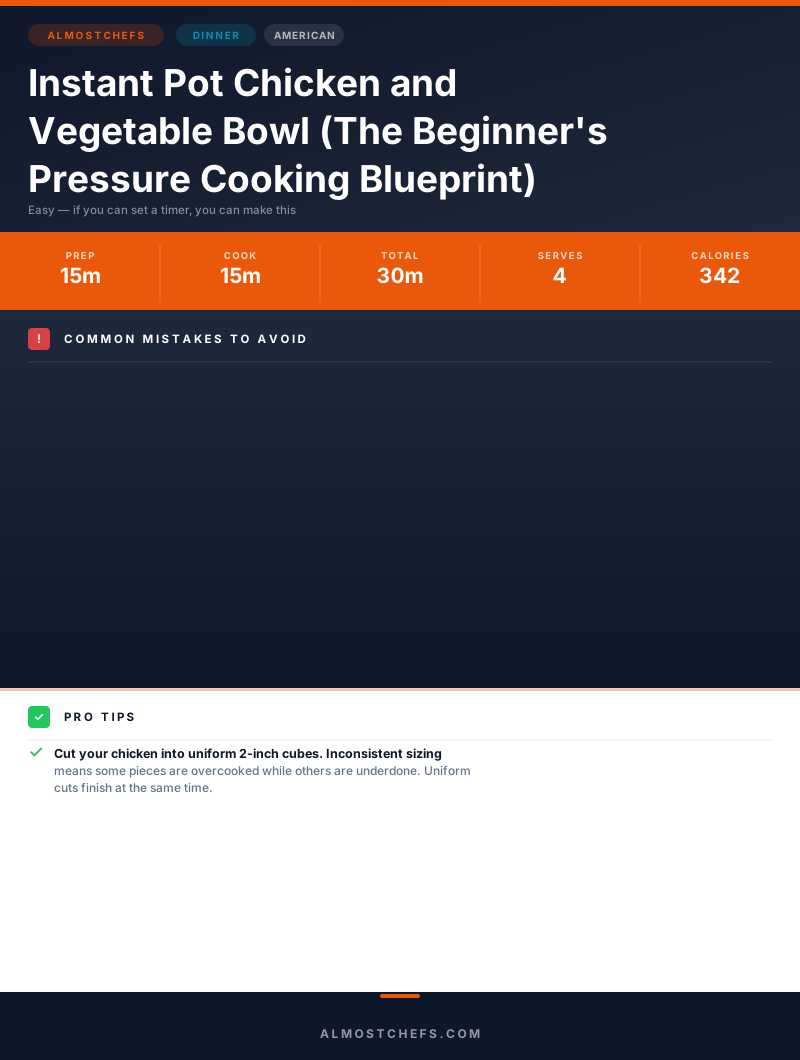
Before we start, read this. These are the 4 reasons your instant pot chicken and vegetable bowl (the beginner's pressure cooking blueprint) will fail:
- 1
Skipping the sauté step: The sauté mode exists for a reason. Browning the aromatics — onion, carrot, celery, garlic — before sealing the lid builds the Maillard flavor compounds that make the broth taste complex. If you dump everything in raw and hit pressure, you get a pale, flat broth that tastes like boiled water with a little chicken in it.
- 2
Not deglazing before sealing: Any browned bits stuck to the bottom of the pot will trigger the burn warning and halt the cooking cycle. After you add the broth, scrape the bottom thoroughly with a wooden spoon. This is the single most common reason beginner Instant Pot recipes fail mid-cook.
- 3
Opening the lid to check on things: The Instant Pot needs to build internal pressure before the timer starts. If you open the lid — or if the seal isn't fully locked — the pressure never builds and nothing cooks properly. Lock the lid, set the valve to sealing, and walk away. The machine will beep when it's done.
- 4
Adding leafy greens before pressure cooking: Spinach and other delicate greens cannot survive 8 minutes at high pressure. They dissolve into a gray, textureless slick. Always add them after the lid comes off, stirring until just wilted. One minute. That's all they need.
The Video Reference Library
Want to see it in action? Here are the exact videos we analyzed and combined to build this foolproof recipe translation:
The foundational walkthrough for first-time Instant Pot users. Covers pressure building, valve positioning, and the sauté function with clear demonstrations of what each step should look like.
🛠️ Core Equipment
- Instant Pot (6-quart or larger)The 6-quart is the standard beginner size — large enough for a 4-serving meal without overcrowding the pot, which can affect pressure build time. The 8-quart works too, but takes longer to come to pressure with smaller batches.
- Wooden spoon or silicone spatulaEssential for deglazing. Metal utensils can scratch the inner pot coating. You need something firm enough to scrape browned bits off the bottom — this step prevents the burn warning.
- LadleThe broth-to-solid ratio in this dish is intentional. A ladle lets you serve equal portions of liquid, protein, and vegetables. Serving with a fork or tongs leaves half the meal in the pot.
Instant Pot Chicken and Vegetable Bowl (The Beginner's Pressure Cooking Blueprint)
🛒 Ingredients
- ✦2 tablespoons extra virgin olive oil
- ✦1 large yellow onion, finely diced
- ✦4 medium carrots, cut into 1-inch rounds
- ✦3 stalks celery, sliced into 1-inch pieces
- ✦4 cloves garlic, minced
- ✦1 pound boneless, skinless chicken breast, cut into 2-inch cubes
- ✦3 cups low-sodium chicken broth
- ✦1 cup diced russet potatoes (about 2 medium)
- ✦2 bay leaves
- ✦1 teaspoon dried thyme
- ✦1 teaspoon dried oregano
- ✦1/2 teaspoon black pepper
- ✦1 teaspoon sea salt
- ✦2 cups fresh spinach, loosely packed
- ✦1 tablespoon fresh lemon juice
- ✦2 tablespoons fresh flat-leaf parsley, chopped
👨🍳 Instructions
01Step 1
Set your Instant Pot to sauté mode and warm the olive oil until it shimmers, about 1 minute.
02Step 2
Add the diced onion, carrots, and celery. Stir occasionally until the onion becomes translucent and fragrant, about 4 minutes.
03Step 3
Stir in the minced garlic and cook for 30 seconds until aromatic.
04Step 4
Add the chicken cubes and stir gently to coat with the oil, cooking until the outside turns opaque, about 3 minutes.
05Step 5
Pour in the chicken broth and scrape the bottom of the pot thoroughly with a wooden spoon to release any browned bits.
06Step 6
Add the diced potatoes, bay leaves, dried thyme, dried oregano, black pepper, and sea salt. Stir gently to combine.
07Step 7
Press cancel to exit sauté mode. Secure the lid and set the valve to the sealing position.
08Step 8
Select the manual or pressure cook setting and set to 8 minutes at high pressure.
09Step 9
Allow the pot to come to pressure naturally — this takes 5 to 7 minutes. The float valve will rise when full pressure is reached and the timer will begin.
10Step 10
When the timer sounds, carefully switch the valve to the venting position to quick-release the pressure. Stand back as steam escapes.
11Step 11
Remove the lid by tilting it away from your face. Stir in the fresh spinach and lemon juice until the greens just wilt, about 1 minute.
12Step 12
Taste and adjust seasoning with additional salt or pepper.
13Step 13
Ladle into bowls, ensuring each portion includes broth, chicken, and vegetables. Garnish with fresh parsley and serve hot.
Nutrition Per Serving
Estimates based on standard preparation. Adjustments alter macros.
🔄 Substitutions
Instead of Boneless, skinless chicken breast...
Use Bone-in chicken thighs with skin removed
Richer flavor and more forgiving under pressure — thighs are harder to overcook than breast. Increase pressure time by 2 minutes.
Instead of Low-sodium chicken broth...
Use Homemade or store-bought bone broth
Adds collagen, gelatin, and a deeper flavor profile. Watch the sodium — bone broth varies widely by brand. Taste before adding extra salt.
Instead of Russet potatoes...
Use Cauliflower florets or celery root chunks
Roughly 60% fewer carbs with similar satisfying bulk. Cauliflower softens faster than potato — it'll be slightly more tender, which works well in a broth-based bowl.
Instead of Spinach...
Use Kale, arugula, or a mix of bitter greens
Add raw after pressure release, same as spinach. Kale holds its texture slightly better than spinach and doesn't disappear into the broth.
🧊 Storage & Reheating
In the Fridge
Store in an airtight container for up to 4 days. The broth keeps everything moist — this is one of those dishes that actually reheats well.
In the Freezer
Freeze in individual portions for up to 3 months. The potatoes will soften slightly after freezing but the broth and chicken hold up well. Thaw overnight in the fridge.
Reheating Rules
Reheat on the stovetop over medium-low heat with the lid on, adding a splash of broth or water if needed. Microwave works in a pinch — cover loosely and use 50% power to avoid rubbery chicken.
❓ Frequently Asked Questions
Why is my Instant Pot showing a burn warning?
You have food stuck to the bottom of the pot. This usually happens when you skip the deglazing step after sautéing. Cancel the program, release pressure carefully, open the lid, scrape the bottom clean with a wooden spoon, add a splash of broth, reseal, and restart. It doesn't ruin the food — it's just a safety pause.
Why didn't my Instant Pot come to pressure?
Two likely causes: the sealing ring isn't properly seated in the lid, or the valve is set to venting instead of sealing. Check both before restarting. The float valve in the lid should rise visibly when the pot reaches full pressure.
Can I double this recipe?
Yes, but don't exceed the maximum fill line (two-thirds full for most Instant Pot models). Doubling will increase the time it takes to come to pressure by several minutes, but the actual cooking time stays the same.
Why is my chicken rubbery?
Overcooked chicken breast is the most common pressure cooker mistake. Eight minutes at high pressure is the correct time for 2-inch cubes. If your pieces were smaller, they may have overcooked. Try bone-in thighs, which are far more forgiving under pressure and stay juicy even if you go a minute or two long.
Can I use frozen chicken?
Yes. Add 5 minutes to the pressure cooking time and make sure the chicken pieces aren't frozen together in a solid block — break them apart as much as possible before adding to the pot. Expect the pot to take longer to come to pressure.
Do I need to brown the chicken before pressure cooking?
For this recipe, you're just searing the outside until opaque — not fully browning it. It's a texture step, not a flavor step. The aromatics (onion, carrot, celery, garlic) carry the flavor load in the sauté phase. If you skip the chicken sear entirely, the cubes may fall apart a bit more in the bowl, which is fine.
The Science of
Instant Pot Chicken and Vegetable Bowl (The Beginner's Pressure Cooking Blueprint)
We turned everything on this page into a beautiful, flour-proof PDF cheat sheet. Print it out, stick it to your fridge, and never mess up your instant pot chicken and vegetable bowl (the beginner's pressure cooking blueprint) again.
*We'll email you the high-res PDF instantly. No spam, just perfectly cooked meals.
AlmostChefs Editorial Team
We translate the internet's most popular cooking videos into foolproof, beginner-friendly written recipes. We analyze multiple methods, test them in our kitchen, and engineer a single "Master Recipe" that gives you the best possible result with the least possible stress.