Midwestern Beef Noodle Casserole (The Comfort Food That Actually Delivers)
A hearty ground beef and egg noodle casserole with cremini mushrooms, a tangy Greek yogurt cream sauce, and crispy fried onions baked until golden. We broke down the classic American potluck dish to find exactly what makes it worth making from scratch instead of opening a can.
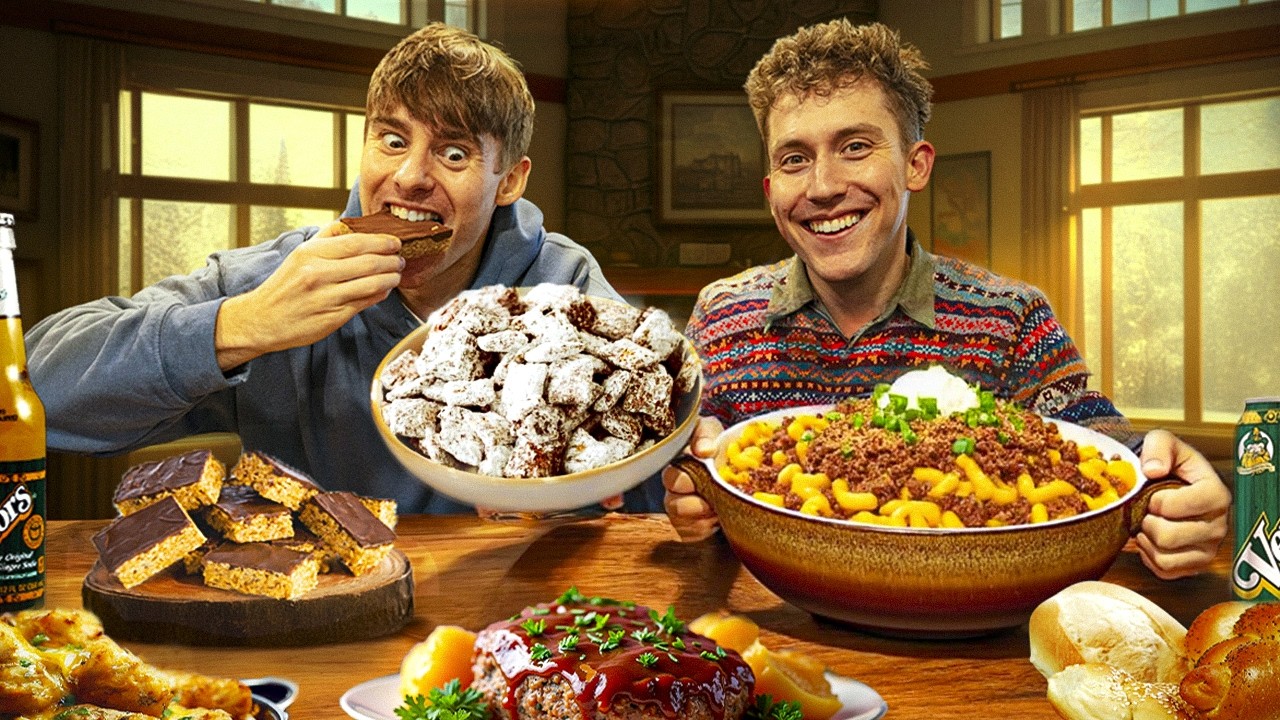
“Midwestern casserole gets dismissed as lazy cooking. A can of cream of mushroom soup, some noodles, some beef, done. The version worth making is different: real mushrooms that actually brown, a yogurt-based sauce that stays creamy without breaking, and fried onions applied in two stages so you get crunch on the bottom and crunch on top. The technique is simple. The result doesn't taste simple.”
Why This Recipe Works
The Midwestern casserole is one of the most misunderstood categories in American cooking. It gets dismissed as peasant food — a Depression-era compromise of canned soup and whatever's in the pantry, assembled by people who stopped caring. That reading is both accurate and completely wrong. The canned-soup version exists because it works fast and tastes fine. This version works because it tastes like something you made with intention.
The Sauce Architecture
Most beef noodle casseroles use cream of mushroom soup as the binding agent. Cream of mushroom soup is a thickened, stabilized, heavily salted paste. It doesn't break, it doesn't curdle, and it doesn't require any technique. It also doesn't taste like anything except salt and a distant memory of mushrooms.
The from-scratch version builds a proper velouté: butter, flour, and stock, finished with Greek yogurt and Dijon mustard. The yogurt replaces heavy cream with something that's tangier, slightly lighter, and better at absorbing the savory umami from the beef drippings and mushrooms. The Dijon is not a flavor choice — it's structural. Mustard contains lecithin, a natural emulsifier that helps the yogurt bind into the fat-based sauce instead of pooling on top of it.
The critical rule: yogurt breaks under direct heat. Pull the large oven-safe skillet completely off the burner before the yogurt goes in. Sixty seconds of residual heat is enough to melt the cheese and integrate the sauce without curdling the dairy. This is the step that separates a silky casserole from a grainy one.
The Mushroom Question
Cremini mushrooms have roughly three times the flavor concentration of white button mushrooms — lower water content, more developed glutamates, darker flesh. Sliced thin and cooked hard over medium-high heat, they reduce to intensely savory pieces that distribute through every bite of the casserole. The key phrase is "until the moisture evaporates." Mushrooms release a substantial amount of liquid when they hit a hot pan. If you move to the next step before that liquid burns off, you've just added a cup of unseasoned mushroom water to your sauce. Wait for the pan to go dry again. You'll hear the sound change from simmering to sizzling. That's your signal.
The Two-Stage Onion Method
Fried onions are the defining textural element of this dish, and the standard method — dump them all on top before baking — destroys them. Thirty minutes in a 350°F oven turns crispy fried onions into soft, oily rings indistinguishable from the noodles below.
The solution is staged application. Half the onions go on before the oven. During baking, they absorb moisture from the casserole and soften into the top layer of sauce, adding savory allium depth throughout. The second half goes on five minutes before pulling the dish — just long enough to re-crisp in the dry oven heat without time to absorb moisture. Two distinct textures from the same ingredient, applied at different moments.
The Noodle Math
This is a baked pasta dish, which means the noodles cook twice: once in the boiling water, once in the oven. If they reach full doneness in the first cook, they have nowhere to go in the second except mushy. Pull them at least one minute early — there should be a faint white core when you bite through a noodle. That core absorbs the yogurt-beef sauce during baking, thickening from the inside out and making the whole casserole taste richer without any additional fat.
The baking dish shape matters here too. A 9-by-13 gives you maximum surface area for the same volume, which means more of the noodles contact the hot dish edges and develop a slightly crispy crust on the sides. A deeper, narrower dish insulates the interior and you lose that textural contrast between the center and the edges.
This is comfort food. But comfort food built on purpose, not accident.
Where Beginners Mess This Up
Before we start, read this. These are the 4 reasons your midwestern beef noodle casserole (the comfort food that actually delivers) will fail:
- 1
Overcooking the noodles before baking: The noodles go into the oven still slightly underdone. If you cook them to full tenderness on the stovetop, they'll absorb the sauce and turn into a starchy paste after 30 minutes of baking. Pull them just before al dente — there should still be a faint bite in the center.
- 2
Adding yogurt to a hot pan: Greek yogurt curdles when it hits direct high heat. Remove the skillet from the burner entirely before folding in the yogurt-mustard mixture. Residual heat is enough to melt the cheese and warm the sauce without splitting it into grainy clumps.
- 3
Putting all the fried onions on at once: Half the crispy onions go on before baking, half go on five minutes before the end. The first batch absorbs moisture from the casserole and softens into the sauce, adding savory depth. The second batch stays crispy. Using all of them at the start produces a uniformly soggy topping.
- 4
Skipping the resting period: Five minutes off the heat lets the sauce thicken back up after baking. Cut into it immediately and the liquid runs across the plate. Wait five minutes and each portion holds its shape on the fork.
The Video Reference Library
Want to see it in action? Here are the exact videos we analyzed and combined to build this foolproof recipe translation:
The source video that inspired this recipe — a genuine outside perspective on what makes American casserole culture tick, and why this dish earns its place at any potluck table.
🛠️ Core Equipment
- 9-by-13-inch baking dishThe wide, shallow footprint ensures even heat distribution across the casserole. A deeper dish traps steam and produces a soggy top layer instead of the browned crust you're after.
- Large oven-safe skillet or sauté panYou need enough surface area to brown the beef and mushrooms without steaming them. Crowding a small pan causes everything to sweat and turn gray instead of developing any color.
- WhiskFor incorporating the yogurt and mustard smoothly before folding into the beef mixture. A spoon leaves streaks. A whisk creates a uniform sauce that distributes evenly through the noodles.
Midwestern Beef Noodle Casserole (The Comfort Food That Actually Delivers)
🛒 Ingredients
- ✦12 ounces wide egg noodles or whole grain pasta
- ✦1 pound lean ground beef, 90% lean
- ✦2 medium yellow onions, finely diced
- ✦8 ounces cremini mushrooms, sliced thin
- ✦3 cloves garlic, minced
- ✦2 tablespoons unsalted butter
- ✦2 tablespoons all-purpose flour
- ✦1.5 cups low-sodium beef broth
- ✦0.75 cup plain Greek yogurt
- ✦0.5 cup sharp cheddar cheese, shredded
- ✦1 teaspoon Dijon mustard
- ✦1 teaspoon fresh thyme leaves
- ✦0.5 teaspoon black pepper
- ✦0.5 teaspoon sea salt
- ✦1 cup crispy fried onions, divided
- ✦2 tablespoons fresh green onions, sliced thin
- ✦1 tablespoon olive oil
👨🍳 Instructions
01Step 1
Preheat your oven to 350°F and lightly coat a 9-by-13-inch baking dish with cooking spray.
02Step 2
Bring a large pot of salted water to a boil and cook the egg noodles until just barely tender — about 1 minute less than the package directions. Drain and set aside.
03Step 3
Heat olive oil in a large skillet over medium-high heat. Add the ground beef, breaking it apart with a wooden spoon, and cook until no pink remains, about 6 minutes. Season with a pinch of salt.
04Step 4
Push the beef to one side of the skillet. Add the diced onions to the empty space and sauté until softened and beginning to turn golden, about 4 minutes.
05Step 5
Add the sliced mushrooms and minced garlic. Stir everything together and cook until the mushrooms release their liquid and that liquid evaporates, about 5 minutes.
06Step 6
Reduce heat to medium. Add the butter, then sprinkle the flour over the beef mixture. Stir constantly for 1 minute to cook out the raw flour taste.
07Step 7
Pour in the beef broth slowly while stirring, scraping up any browned bits from the bottom. Simmer for 3 minutes until the sauce thickens slightly.
08Step 8
Remove the skillet from heat entirely. In a small bowl, whisk together the Greek yogurt and Dijon mustard, then fold this mixture into the beef sauce.
09Step 9
Stir in the shredded cheddar, thyme, salt, and black pepper. Taste and adjust seasoning.
10Step 10
Add the cooked noodles to the skillet and fold gently until the noodles are evenly coated. Transfer everything to the prepared baking dish.
11Step 11
Scatter half of the crispy fried onions evenly over the top.
12Step 12
Bake uncovered for 25 minutes until the edges bubble and the top begins to brown.
13Step 13
Remove from the oven, scatter the remaining fried onions over the top, and return to the oven for 5 more minutes until the onions are golden and crispy.
14Step 14
Let the casserole rest for 5 minutes before serving. Garnish each portion with sliced green onions.
Nutrition Per Serving
Estimates based on standard preparation. Adjustments alter macros.
🔄 Substitutions
Instead of Egg noodles...
Use Whole grain or chickpea pasta
Slightly nuttier, firmer texture. Chickpea pasta adds significant protein and fiber but absorbs sauce faster — check the casserole at 20 minutes instead of 25.
Instead of Ground beef...
Use Ground bison or grass-fed beef
Leaner with a slightly sweeter, cleaner flavor. Less greasy mouthfeel. Works as a 1:1 swap with no technique changes needed.
Instead of Sharp cheddar...
Use Aged Gruyère
More complex, nutty flavor that elevates the sauce from weeknight to dinner-party territory. Melts identically to cheddar.
Instead of Crispy fried onions...
Use Toasted panko breadcrumbs mixed with crispy fried sage leaves
More herbaceous and less processed. Toast panko in a dry skillet with a little butter until golden, add fried sage, and use in exactly the same two-stage topping method.
🧊 Storage & Reheating
In the Fridge
Store covered in the baking dish or in an airtight container for up to 4 days. The sauce thickens considerably after refrigeration — that's normal.
In the Freezer
Freeze in individual portions for up to 2 months. Freeze before adding the fried onion topping and add fresh topping when reheating.
Reheating Rules
Cover with foil and reheat at 325°F for 20 minutes, or until the center reaches 165°F. Add a splash of beef broth before covering if the sauce looks dry. Avoid the microwave — it steams the noodles into a gummy mass.
❓ Frequently Asked Questions
Can I make this ahead of time?
Yes, and it's actually better for it. Assemble the casserole through the noodle-folding step, cover tightly, and refrigerate for up to 24 hours. Add the first layer of fried onions just before baking — don't add them ahead of time or they'll go soggy in the fridge.
Why did my yogurt sauce turn grainy?
The pan was still too hot when you added the yogurt. Protein in dairy curdles rapidly above 180°F. Remove the skillet completely from the heat source and let it sit for 60 seconds before folding in the yogurt mixture. Once it's curdled, there's no fixing it — the texture is permanent.
My casserole came out watery. What went wrong?
Two likely causes: the mushrooms weren't cooked long enough to expel and evaporate their liquid before you added the broth, or the noodles were cooked too far on the stovetop and released excess starch into the sauce. Both issues thin the sauce beyond recovery.
Can I use cream of mushroom soup instead of making the sauce from scratch?
You can. The result will be saltier, softer in texture, and notably less complex in flavor. The from-scratch sauce takes about 10 extra minutes and produces a noticeably better casserole. Whether that trade-off is worth it on a Tuesday night is your call.
Is this freezer-friendly for meal prep?
Extremely. Portion into individual containers before freezing and you have six grab-and-reheat meals ready. The sauce actually binds tighter after freezing and reheating, which some people prefer to the fresh-baked texture.
What can I serve alongside this?
The casserole is a complete one-dish meal, but a simple green salad with sharp vinaigrette cuts through the richness well. Roasted broccoli or green beans with garlic work for the same reason — something acidic or bitter to balance the savory, creamy base.
The Science of
Midwestern Beef Noodle Casserole (The Comfort Food That Actually Delivers)
We turned everything on this page into a beautiful, flour-proof PDF cheat sheet. Print it out, stick it to your fridge, and never mess up your midwestern beef noodle casserole (the comfort food that actually delivers) again.
*We'll email you the high-res PDF instantly. No spam, just perfectly cooked meals.
AlmostChefs Editorial Team
We translate the internet's most popular cooking videos into foolproof, beginner-friendly written recipes. We analyze multiple methods, test them in our kitchen, and engineer a single "Master Recipe" that gives you the best possible result with the least possible stress.