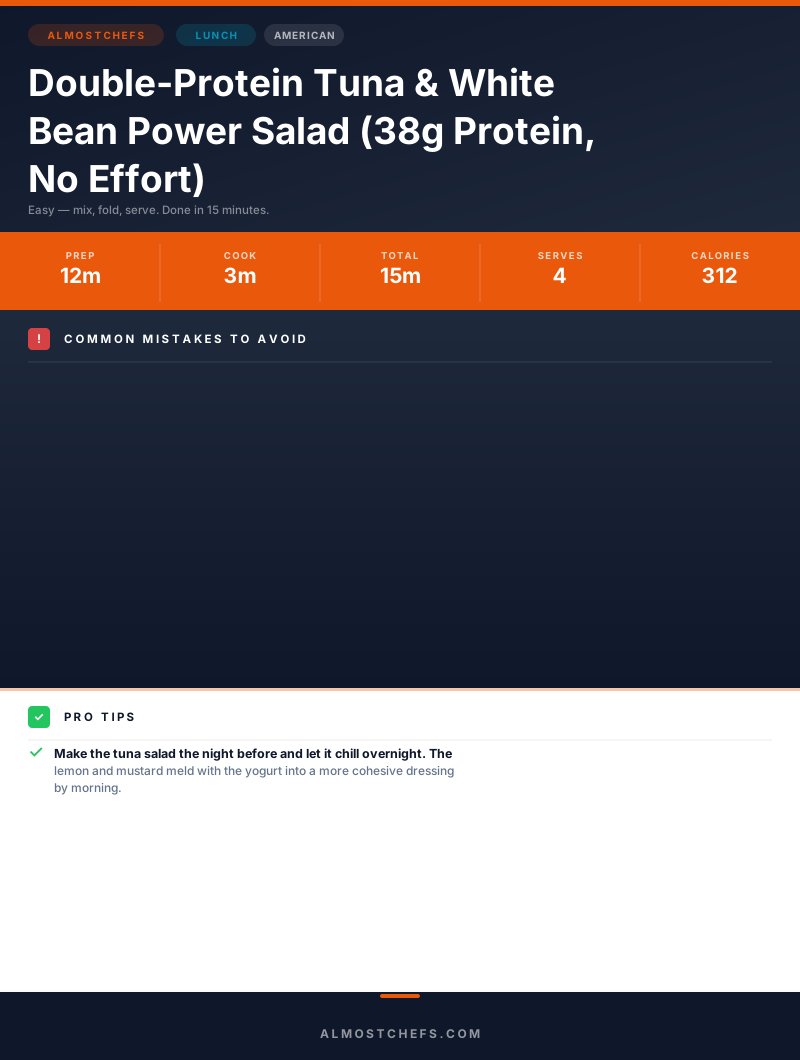
Double-Protein Tuna & White Bean Power Salad (38g Protein, No Effort)
High-protein tuna salad stacks canned tuna and white beans for 38g of protein per serving. Greek yogurt replaces most of the mayo for a creamy, probiotic-rich base that keeps you full through the afternoon. We analyzed the best meal-prep lunch techniques to build one foolproof method.

“Most tuna salad is an afterthought — a can of fish drowned in mayonnaise, eaten without joy. This version treats lunch like the most important meal it is. Two protein sources, a yogurt base that actually earns its place, and a lemon-mustard dressing that wakes everything up. 38 grams of protein. 15 minutes. No excuses.”
Why This Recipe Works
Tuna salad has a reputation problem. It smells aggressive, it looks monotonous, and the standard version — fish, mayo, maybe some celery if someone was feeling ambitious — delivers protein but absolutely no reason to be excited. This version fixes all of that without introducing complexity you don't have time for at noon on a Tuesday.
The Double-Protein Architecture
The central idea is simple: one can of tuna gives you roughly 22g of protein. Two cans gets you to 44g. Add a full can of white beans and you're looking at an additional 17g of plant protein and 7g of fiber in a single meal. The nutrition math alone makes this worth making — but math doesn't make food taste good, so the execution has to earn those numbers.
White beans pull double duty. They add protein, yes, but they also provide a creamy, buttery texture that tuna alone can't deliver. Where tuna flakes are lean and slightly fibrous, white beans are dense and smooth. Together they create a salad that feels substantial in your mouth, not like you're eating compressed air with protein powder mixed in.
The Yogurt Decision
Greek yogurt replacing most of the mayo is not a health compromise disguised as cooking advice. It's a genuinely better ingredient in this context. Mayo contributes fat, emulsification, and richness — but Greek yogurt does all three while also adding protein and lactic acid, which brightens the overall flavor in a way that mayonnaise cannot.
The two tablespoons of avocado oil mayonnaise that remain are intentional. Pure yogurt bases can taste slightly chalky and clinical. The small amount of mayo rounds out the texture and keeps the dressing from feeling like you made a mistake. Think of it as seasoning the base, not defining it.
The Lemon-Mustard Dressing
Dijon mustard is an emulsifier. When whisked with lemon juice, it creates a dressing that clings to tuna flakes and bean surfaces rather than pooling at the bottom of the bowl. This is why the dressing is built separately before being folded in — premixing ensures every component gets coated evenly, rather than the yogurt base absorbing most of the acid while the beans sit in a flavorless pocket.
Lemon juice is the most adjustable variable in the recipe. More acid and the salad tastes bright and almost ceviche-like. Less and it tastes rounder, more classically American. Start with the full two tablespoons, taste, and calibrate from there.
Why Texture Management Matters
A large mixing bowl and a silicone spatula are not optional upgrades. They are the difference between a tuna salad with distinct flakes and creamy beans versus a gray, homogenous paste. White beans are structurally fragile when canned. Three extra stirs and they're gone — absorbed into the background. The folding technique exists to preserve them.
Celery is doing structural work that no other vegetable can replicate in cold salads. It provides a clean crunch that survives four days in the refrigerator, unlike cucumber (releases water, turns soft) or bell pepper (softens and turns sweet). Don't swap it out. Don't skip it. The textural contrast between soft beans, flaked tuna, and crisp celery is what makes this salad interesting past the first bite.
The Meal-Prep Argument
This recipe scales to eight servings without any additional effort. The salad holds beautifully for four days in the refrigerator, and the flavors genuinely improve overnight as the lemon and mustard work their way through the beans. Make it Sunday. Eat well all week. The only rule: keep the bread separate until the moment you sit down.
Where Beginners Mess This Up
Before we start, read this. These are the 4 reasons your double-protein tuna & white bean power salad (38g protein, no effort) will fail:
- 1
Not drying the tuna and beans: Excess moisture is the enemy of good tuna salad. Undrained tuna dilutes the dressing, makes the mixture watery, and turns the bread soggy within minutes. Press the tuna firmly with a fork after draining and pat the beans dry with paper towels. This single step separates a good tuna salad from a wet, disappointing one.
- 2
Using too much mayo and not enough yogurt: Traditional mayo-heavy tuna salad is calorie-dense and nutritionally hollow. Greek yogurt provides the same creaminess with far more protein and gut-friendly probiotics. The ratio here — 3/4 cup yogurt to 2 tablespoons mayo — is calibrated. Don't reverse it. The mayo exists only for richness; the yogurt does the structural work.
- 3
Overmixing and breaking down the beans: White beans are tender. Stir too aggressively and they turn to paste, muddying the texture and losing the distinct creamy bite that makes them worth including. Fold gently with a spatula — you want whole beans and identifiable tuna flakes, not a homogenous mash.
- 4
Under-seasoning before tasting: Canned tuna and beans have variable sodium levels depending on the brand. Always taste and adjust after adding the dressing. The lemon juice is the live variable — more acid brightens everything, and a flat tuna salad almost always needs more of it.
🛠️ Core Equipment
- Large mixing bowlYou need room to fold without spilling. A cramped bowl forces aggressive stirring, which breaks down the beans. Use the biggest bowl you own.
- Fine-mesh sieve or colanderFor draining and rinsing the beans quickly and thoroughly. Residual canning liquid affects both flavor and texture.
- SpatulaA silicone spatula lets you fold the salad gently without compressing the ingredients. A spoon or fork encourages over-mixing.
- Toaster or toaster ovenProperly toasted whole grain bread adds structural integrity and a nutty flavor that raw bread can't match. It also slows sogginess when the salad is spread directly on it.
Double-Protein Tuna & White Bean Power Salad (38g Protein, No Effort)
🛒 Ingredients
- ✦2 cans (5 oz each) albacore tuna in water, drained and flaked
- ✦1 can (15 oz) white beans, drained and rinsed
- ✦3/4 cup plain nonfat Greek yogurt
- ✦2 tablespoons avocado oil mayonnaise
- ✦1 medium red onion, finely diced
- ✦1 cup celery, finely chopped
- ✦1/4 cup fresh flat-leaf parsley, minced
- ✦2 tablespoons fresh lemon juice
- ✦1 tablespoon Dijon mustard
- ✦1/2 teaspoon sea salt
- ✦1/4 teaspoon black pepper
- ✦1/4 teaspoon garlic powder
- ✦8 slices whole grain bread, toasted
- ✦2 cups mixed green salad (optional, for serving)
👨🍳 Instructions
01Step 1
Drain the canned tuna thoroughly, pressing gently with a fork to remove excess water.
02Step 2
Rinse the white beans under cool running water for 30 seconds, then pat dry with paper towels.
03Step 3
Combine Greek yogurt and mayonnaise in a large mixing bowl, whisking until smooth and fully blended.
04Step 4
Add the flaked tuna and white beans to the yogurt mixture, folding gently with a spatula until just combined, about 1 minute.
05Step 5
Stir in the diced red onion, chopped celery, and minced parsley until evenly distributed.
06Step 6
Whisk together the lemon juice, Dijon mustard, sea salt, black pepper, and garlic powder in a small bowl until the mustard fully dissolves.
07Step 7
Pour the lemon-mustard dressing over the tuna mixture and fold gently until all ingredients are coated, about 2 minutes.
08Step 8
Taste and adjust seasoning with additional salt, pepper, or lemon juice as needed.
09Step 9
Toast the whole grain bread slices until golden and crispy, about 2-3 minutes.
10Step 10
Serve each portion (about 1 1/4 cups) alongside 2 slices of toasted bread, or spread directly onto the toast for open-faced sandwiches.
11Step 11
For a grain-free option, serve the tuna salad over a bed of mixed greens instead of bread.
Nutrition Per Serving
Estimates based on standard preparation. Adjustments alter macros.
🔄 Substitutions
Instead of Canned albacore tuna...
Use Canned wild salmon or fresh grilled tuna steak (6 oz, flaked)
Wild salmon adds 8g additional protein and astaxanthin for anti-inflammatory benefits. Fresh tuna elevates the dish considerably but requires 3-4 minutes of actual cooking.
Instead of Plain nonfat Greek yogurt...
Use Blended cottage cheese or 0% Icelandic skyr
Cottage cheese (blended smooth) provides casein protein for slower digestion and greater satiety. Skyr offers even higher protein density (20g per 100g) with minimal added ingredients.
Instead of White beans...
Use Chickpeas or cooked lentils
Chickpeas add 15g protein and 12g fiber per cup with a firmer texture. Lentils break down slightly for a creamier consistency and offer superior iron content for muscle recovery.
Instead of Fresh flat-leaf parsley...
Use Fresh dill or tarragon
Dill complements seafood with a brighter, more aromatic profile and a distinctly Mediterranean feel. Tarragon adds subtle anise notes that elevate the overall sophistication of the salad.
🧊 Storage & Reheating
In the Fridge
Store the tuna salad (without bread) in an airtight container for up to 4 days. The flavor improves after the first night.
In the Freezer
Not recommended. The yogurt base breaks on freezing and the beans turn mealy when thawed.
Reheating Rules
This dish is served cold — no reheating needed. Remove from the fridge 5 minutes before serving if you prefer it closer to room temperature.
❓ Frequently Asked Questions
Why use white beans instead of just more tuna?
White beans add 7g of fiber and 8g of plant protein per half-cup, plus a creamy texture that breaks up the uniformity of flaked tuna. They also absorb the lemon-mustard dressing beautifully, giving you flavor in every bite rather than clumping in the mayo-heavy pockets you get with straight tuna salad.
Can I use flavored or oil-packed tuna?
Oil-packed tuna is richer and more flavorful, but it significantly increases the fat content and makes it harder to control moisture. If you use it, skip the mayonnaise entirely. Flavored canned tuna (lemon-pepper, herb) works but can clash with the Dijon-lemon dressing — taste before adding the full dressing amount.
Is this actually filling enough for lunch?
38g of protein and 7g of fiber per serving is more than enough for most people. The combination of fast-digesting whey protein from the Greek yogurt and slow-digesting plant protein from the beans gives you a multi-hour satiety effect that a standard tuna sandwich cannot match.
How do I keep the bread from getting soggy?
Always store the tuna salad and bread separately. Toast the bread immediately before serving. If you're packing this for lunch, put the tuna salad in a container and the toast in a separate bag. Assemble at the table, not at the counter.
Can I make this without bread for a lower-carb version?
Yes. Serve over mixed greens, romaine hearts, or stuff it into halved avocados. The salad itself is only 12g of net carbs per serving before the bread. It holds its own as a standalone bowl.
What's the difference between albacore and chunk light tuna?
Albacore (white tuna) is firmer, meatier, and higher in omega-3s, but also slightly higher in mercury. Chunk light is softer, milder, and lower in mercury — a better choice if you're eating this multiple times a week. Both work in this recipe; the texture difference is minor once mixed with the dressing.
The Science of
Double-Protein Tuna & White Bean Power Salad (38g Protein, No Effort)
We turned everything on this page into a beautiful, flour-proof PDF cheat sheet. Print it out, stick it to your fridge, and never mess up your double-protein tuna & white bean power salad (38g protein, no effort) again.
*We'll email you the high-res PDF instantly. No spam, just perfectly cooked meals.
AlmostChefs Editorial Team
We translate the internet's most popular cooking videos into foolproof, beginner-friendly written recipes. We analyze multiple methods, test them in our kitchen, and engineer a single "Master Recipe" that gives you the best possible result with the least possible stress.