High-Protein Tuna Stuffed Sweet Potato (38g Per Serving)
Flaky albacore tuna folded into a Greek yogurt and cottage cheese base, loaded into a roasted sweet potato over a bed of greens. We swapped mayo for a two-protein binder that nearly doubles the protein count without killing the comfort food feeling.

“Tuna salad stuffed into a sweet potato sounds like something a personal trainer invented at midnight. And yet this is a genuinely good lunch — sweet, tangy, herbaceous, filling — that happens to deliver 38 grams of protein per plate. The trick is ditching mayo for a Greek yogurt and cottage cheese combination that's creamier, tangier, and actually has protein in it. One swap. That's the difference between a decent recipe and one you actually want to eat every week.”
Why This Recipe Works
Tuna salad is not a complicated dish. But it is a dish that most people have been making with the wrong binder for thirty years, and the wrong binder has consequences. Mayo delivers exactly zero grams of protein, about 90 calories per tablespoon, and a flavor that flattens everything it touches into something indistinct and slightly oily. Greek yogurt and cottage cheese deliver 34 grams of protein per cup combined, fewer calories, and a tangy brightness that makes the tuna taste like tuna instead of a white spread.
The Binder Problem
The standard defense of mayo is texture: it's creamy, it coats evenly, it doesn't separate. All true. But Greek yogurt and cottage cheese together solve all three of those problems simultaneously while adding actual nutritional value. Greek yogurt provides the acid and creaminess. Cottage cheese provides the body and bulk. The combination is thicker and more stable than mayo, which means it holds its shape in the sweet potato instead of running to the edges.
The ratio matters. Equal parts yogurt and cottage cheese tilts the salad toward cheesy and dense — it starts tasting like a dip. The 2:1 ratio in this recipe keeps it light and creamy with just enough structure to stay in a mound on the potato. Don't adjust it without tasting first.
The Tuna
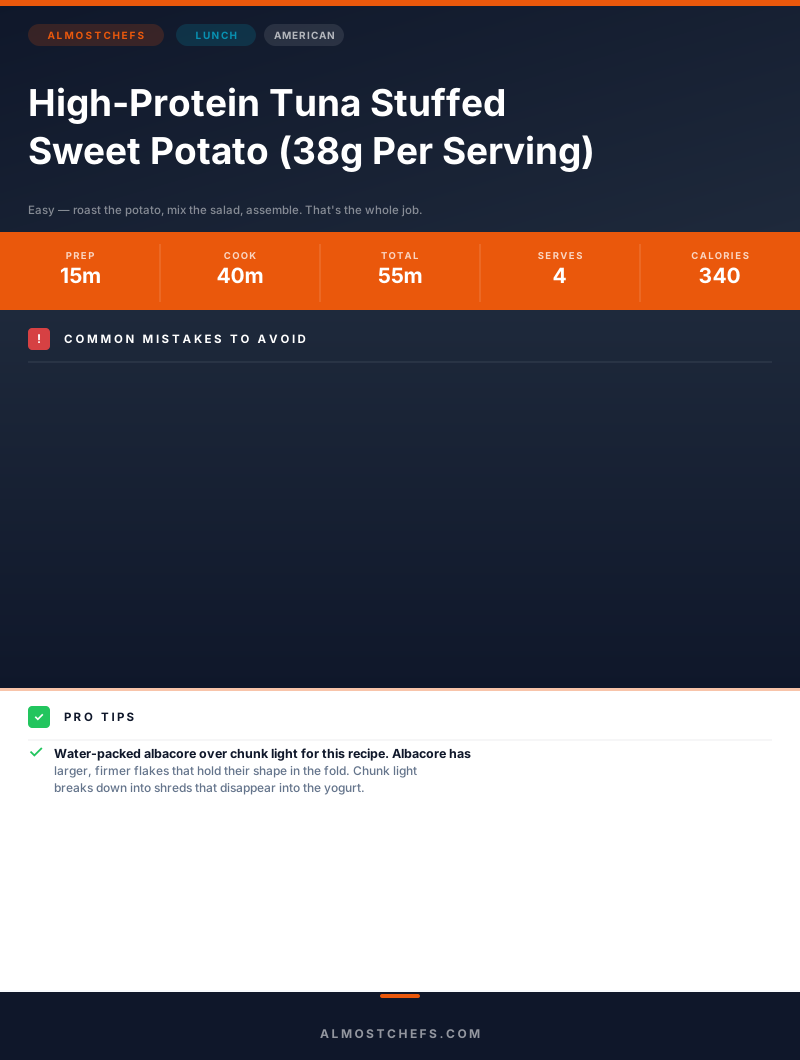
Use albacore in water, not chunk light, not oil-packed. Albacore has firm, large flakes that stay visible after folding — you want to see the tuna in the salad, not just sense it. Chunk light breaks down into fine shreds that homogenize into the yogurt and disappear. Oil-packed tuna adds calories and a slippery mouthfeel that fights the Greek yogurt's natural tang.
Drain aggressively. Water-packed tuna is wetter than it looks when it comes out of the can. Press it in a fine-mesh sieve or squeeze it in a paper towel until no more liquid comes out. Wet tuna makes watery tuna salad, and watery tuna salad soaks through the sweet potato skin and puddles on the plate.
The Sweet Potato
The sweet potato is not a vehicle. It is half the dish — the complex carb, the fiber source, the flavor counterpart to the tangy salad on top. A properly roasted sweet potato has soft, fluffy flesh with a slightly caramelized skin and a natural sweetness that contrasts intelligently with the Dijon and lemon in the tuna salad. An undercooked sweet potato has none of those things. It has resistance and starch and disappointment.
Use the knife test, not the timer. At 400°F, a medium potato usually needs the full 40 minutes — but ovens vary, potato sizes vary, and the difference between 80% done and fully done is the difference between a potato you can fluff and one that tears. Slide a thin knife through the thickest part. Zero resistance means it's ready.
Scoring a shallow grid into the flesh before you fluff it is a small technique with a real payoff: it increases surface area, prevents the flesh from compressing into a gummy mass when you fork it, and creates natural pockets that catch and hold the tuna salad instead of letting it slide off the sides.
The Crunch Question
Sunflower seeds are listed as a garnish in most recipes that use them, which undersells their function. In this dish, the sweet potato is soft, the tuna salad is creamy, and the greens are tender. Without the seeds, every bite is the same texture from start to finish. The seeds interrupt that monotony — they add something to chew against, and that friction makes the whole dish feel more substantial and interesting. Don't skip them. Don't swap them for something equally soft. The crunch is structural.
Why This Works as Meal Prep
Most meal-prep tuna salads degrade fast. Mayo oxidizes and separates, the acid from the lemon turns the onion sharp, and by day three it tastes like something you found rather than made. The yogurt-based version doesn't have those problems. Lactic acid is already part of the yogurt's flavor profile, so the lemon doesn't seem aggressive by comparison. The cottage cheese stabilizes the mixture so it doesn't separate or weep. Store the components separately and you have four genuinely good lunches across four days without any quality loss.
That's the case for this recipe in one sentence: same comfort food energy, none of the protein deficit, all four lunches still good on Friday.
Where Beginners Mess This Up
Before we start, read this. These are the 4 reasons your high-protein tuna stuffed sweet potato (38g per serving) will fail:
- 1
Not draining the tuna thoroughly: Water-packed tuna holds a surprising amount of liquid inside the can even after you pop the lid. If you dump it straight into the bowl without pressing it dry, the excess moisture turns your tuna salad into a watery slurry that soaks through the sweet potato and puddles on the plate. Press the drained tuna firmly in the sieve or squeeze it in a clean paper towel before it touches the yogurt mixture.
- 2
Overmixing the tuna salad: Greek yogurt and cottage cheese are already soft. If you stir aggressively, you pulverize the tuna flakes into a paste instead of a salad. Fold — don't stir. You want visible chunks of tuna surrounded by a creamy binder, not a homogeneous spread.
- 3
Undercooking the sweet potato: A sweet potato that's 80% cooked feels firm in the center and doesn't fluff properly when you fork it. The knife test is non-negotiable: it should slide through the thickest part with zero resistance, like going through warm butter. At 400°F, most medium potatoes need the full 40 minutes. Start checking at 35 but commit to the extra time if there's any resistance.
- 4
Assembling too far in advance: The warm sweet potato wilts the greens and draws moisture out of the tuna salad if you plate everything an hour before eating. For meal prep, store the tuna salad and roasted potatoes separately in the fridge and assemble cold when you're ready. The potato reheats in the microwave in 90 seconds while the tuna stays cold.
The Video Reference Library
Want to see it in action? Here are the exact videos we analyzed and combined to build this foolproof recipe translation:

The source video for this recipe. Clear walkthrough of the tuna salad assembly and sweet potato roasting technique, with useful tips on the Greek yogurt substitution and how to get the potato flesh fluffy without tearing the skin.
2. How to Make Tuna Salad Without Mayo
Covers the Greek yogurt and cottage cheese combination in detail, including texture differences and how to balance acidity with lemon and Dijon.
3. Meal Prep Sweet Potatoes for the WeekEfficient batch-roasting technique for four to six sweet potatoes at once. Shows how to store them for the week and reheat without drying out the flesh.
🛠️ Core Equipment
- Rimmed baking sheet with parchment ↗The parchment prevents the potato skin from sticking and makes cleanup instant. A rimmed sheet stops any caramelized juices from running into the oven.
- Fine-mesh sieve or colander ↗Essential for draining the tuna properly. A fork balanced over a bowl is not the same — you need something that lets you press the fish and remove all the liquid.
- Medium mixing bowl ↗Large enough to fold the tuna salad without it spilling over the edge. Tuna salad made in a bowl that's too small always ends up on the counter.
- Instant-read thermometer or thin knife ↗The knife-slide test is the most reliable way to check sweet potato doneness. Visual cues lie — the skin wrinkles before the center is actually done.
High-Protein Tuna Stuffed Sweet Potato (38g Per Serving)
🛒 Ingredients
- ✦4 medium sweet potatoes (about 8 oz each)
- ✦2 cans (5 oz each) albacore tuna in water, drained thoroughly
- ✦1 cup plain nonfat Greek yogurt
- ✦1/2 cup low-fat cottage cheese
- ✦1/4 cup diced red onion
- ✦1/2 cup diced celery
- ✦2 tablespoons fresh dill, finely chopped
- ✦1 tablespoon Dijon mustard
- ✦1 tablespoon fresh lemon juice
- ✦1/2 teaspoon garlic powder
- ✦1/4 teaspoon black pepper
- ✦1/4 teaspoon sea salt
- ✦2 cups mixed greens or spinach
- ✦1/4 cup sliced green onions
- ✦2 tablespoons sunflower seeds
- ✦Olive oil spray
👨🍳 Instructions
01Step 1
Preheat your oven to 400°F and line a rimmed baking sheet with parchment paper.
02Step 2
Pierce each sweet potato 8-10 times with a fork, distributing the holes evenly around the potato.
03Step 3
Lightly coat each potato with olive oil spray, place on the prepared baking sheet, and roast for 35-40 minutes until a thin knife slides through the center with zero resistance.
04Step 4
While the potatoes roast, combine Greek yogurt, cottage cheese, Dijon mustard, and lemon juice in a medium bowl. Stir until smooth.
05Step 5
Press the drained tuna firmly in a sieve or squeeze it in a paper towel to remove all excess liquid, then add to the yogurt mixture along with the red onion, celery, fresh dill, garlic powder, black pepper, and sea salt.
06Step 6
Taste the tuna salad and adjust: more lemon juice for brightness, more salt for depth, more Dijon if you want a sharper edge.
07Step 7
Remove the roasted sweet potatoes from the oven and rest for 2-3 minutes, then slice each one in half lengthwise and fluff the flesh gently with a fork without tearing through the skin.
08Step 8
Divide the mixed greens between four plates as a base layer.
09Step 9
Set two sweet potato halves on the greens on each plate.
10Step 10
Spoon the tuna salad generously into the center of each potato half, mounding it slightly above the skin.
11Step 11
Top each plate with sliced green onions and sunflower seeds. Serve immediately while the potato is still warm.
Nutrition Per Serving
Estimates based on standard preparation. Adjustments alter macros.
🔄 Substitutions
Instead of Greek yogurt + cottage cheese...
Use Full-fat Greek yogurt only (no cottage cheese)
Loses some creaminess and about 7g protein per serving, but still significantly better than mayo. Use 3/4 cup instead of 1 cup to prevent the salad from getting too loose.
Instead of Albacore tuna in water...
Use Canned salmon or cooked shredded chicken
Salmon adds more omega-3s and a richer flavor. Chicken makes it milder. Both work with the same ratios — just ensure salmon is well-drained and chicken is shredded finely enough to mix evenly.
Instead of Fresh dill...
Use Fresh parsley or fresh tarragon
Parsley keeps it neutral and bright. Tarragon goes more anise-forward than even dill — use half the amount. Avoid dried herbs here; the texture is wrong and the flavor is flat.
Instead of Sunflower seeds...
Use Toasted pepitas or chopped walnuts
Pepitas stay crunchy longer and have a slightly nuttier flavor. Walnuts add richness but soften faster. All three work. All three are better than omitting the crunch entirely.
🧊 Storage & Reheating
In the Fridge
Store tuna salad and roasted sweet potatoes in separate airtight containers for up to 3 days. Assembled plates don't store well — the potato moisture migrates into the salad.
In the Freezer
The tuna salad does not freeze well — yogurt and cottage cheese separate on thaw. Sweet potatoes freeze fine on their own for up to 2 months; thaw overnight in the fridge.
Reheating Rules
Reheat the sweet potato halves in the microwave for 60-90 seconds covered with a damp paper towel. Top with cold tuna salad straight from the fridge. The contrast works.
❓ Frequently Asked Questions
Can I use mayo instead of Greek yogurt?
You can, but you'll drop the protein count significantly and gain saturated fat without any flavor benefit. The Greek yogurt and cottage cheese combination is actually creamier than mayo in this application — not a compromise, a genuine upgrade.
Why is my tuna salad watery?
The tuna wasn't drained well enough. Canned tuna in water retains liquid that doesn't drain passively — you need to press it out. Squeeze it firmly in the sieve or wrap it in a paper towel and press. Also check your cottage cheese; some brands are looser than others. If it's very wet, drain the cottage cheese through a fine-mesh sieve for 10 minutes before using.
Can I make this ahead for meal prep?
Yes, and it holds up better than most tuna salads because yogurt doesn't separate or oxidize the way mayo does. Prep on Sunday, store components separately, and you have four ready-to-assemble lunches through Wednesday with zero quality loss.
Can I eat this cold?
Absolutely. A cold roasted sweet potato with cold tuna salad is genuinely good — slightly firmer potato flesh, colder tuna salad. If anything it's more refreshing in summer than the warm version.
What can I use instead of a sweet potato?
A large russet baked potato works structurally. You lose the natural sweetness that contrasts with the tangy tuna salad, and you drop the micronutrient density. A halved roasted butternut squash is a better substitute if you want to stay in the sweet-savory lane.
Is albacore tuna really better than chunk light here?
For this recipe, yes. Albacore has larger, firmer flakes that stay distinct after folding. Chunk light breaks into fine shreds that blend into the yogurt mixture and disappear. If chunk light is what you have, it'll still work — the flavor difference is minor. The texture difference is real.
The Science of
High-Protein Tuna Stuffed Sweet Potato (38g Per Serving)
We turned everything on this page into a beautiful, flour-proof PDF cheat sheet. Print it out, stick it to your fridge, and never mess up your high-protein tuna stuffed sweet potato (38g per serving) again.
*We'll email you the high-res PDF instantly. No spam, just perfectly cooked meals.
AlmostChefs Editorial Team
We translate the internet's most popular cooking videos into foolproof, beginner-friendly written recipes. We analyze multiple methods, test them in our kitchen, and engineer a single "Master Recipe" that gives you the best possible result with the least possible stress.