38g Protein Tuna Stuffed Avocado (The Lunch That Actually Keeps You Full)
A high-protein tuna salad stuffed into ripe avocado halves, built on Greek yogurt and cottage cheese instead of mayo. We reverse-engineered the classic to deliver 38g of protein per serving without sacrificing the creamy, satisfying texture that makes this lunch worth repeating.
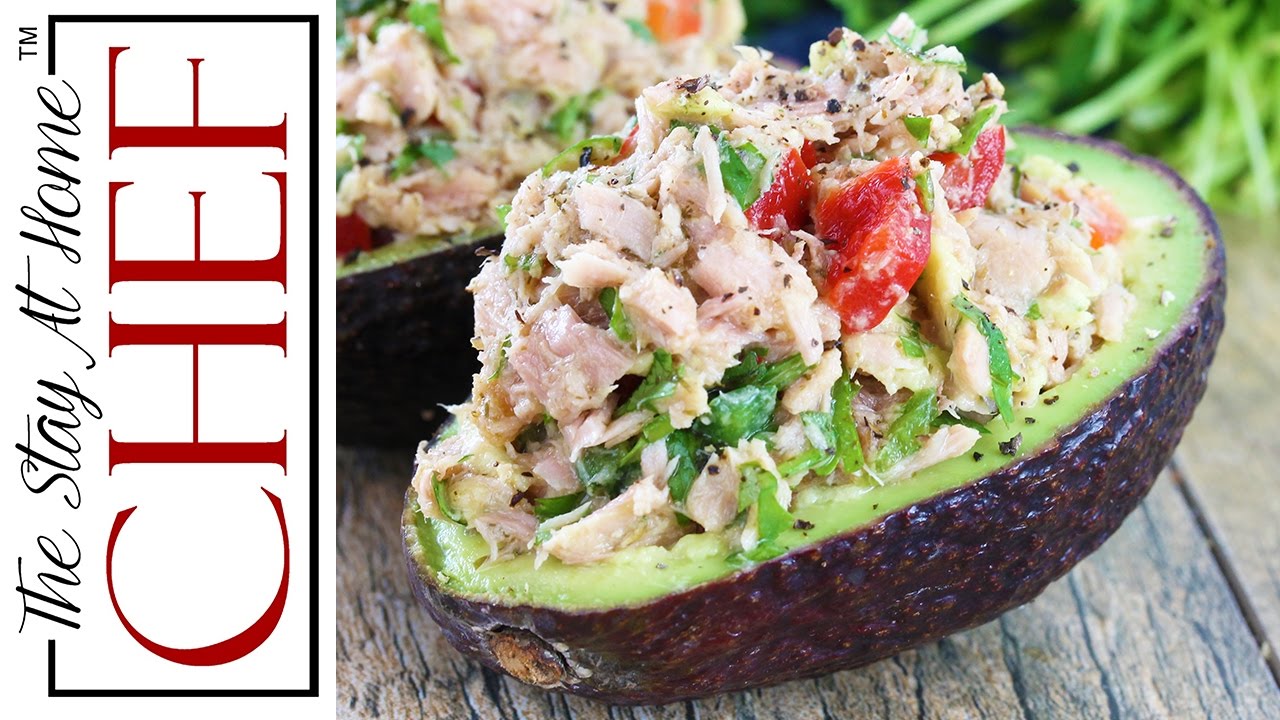
“Most tuna salad lunches top out at 22g of protein and leave you hungry by 2pm. This version hits 38g by swapping mayo for Greek yogurt and cottage cheese, and doubling down with hard-boiled eggs. The result is a lunch that's denser in nutrients, lighter in calories, and somehow creamier than the original. If you're meal prepping, make a double batch of the filling on Sunday and it handles four lunches in under 10 minutes each.”
Why This Recipe Works
The original tuna salad stuffed avocado is a fine lunch. Tuna, mayo, celery, avocado — simple, fast, legitimately good. The problem is that it tops out at 22g of protein and 320 calories before running out of ideas. For a meal that's supposed to hold you through the afternoon, that's a ceiling worth blowing through.
The Mayo Swap That Actually Works
Most high-protein recipe modifications are exercises in self-punishment. You swap out something that tastes good for something that tastes like a compromise, and you eat it anyway because it hits a macro number on a spreadsheet. This one is different.
Greek yogurt and cottage cheese together produce a base that is genuinely creamier than mayonnaise — not a reasonable facsimile, but actually more lush — because cottage cheese's casein proteins blend into the yogurt to create a thicker, denser emulsion. The yogurt's lactic acid adds brightness where mayo adds fat-induced heaviness. Combined with lemon juice and Dijon, the dressing becomes tart and forward-tasting in a way that makes the whole dish feel lighter and more alive.
The trade: 15 additional grams of protein per serving and a significant reduction in saturated fat. The payoff: a lunch that takes 15 minutes to assemble and holds you until dinner.
Two Proteins, One Bowl
Hard-boiled eggs in tuna salad is not a new idea. It's a practical one. Eggs add 6g of protein per serving here, but the bigger contribution is textural — distinct, creamy chunks distributed throughout the filling that make each bite varied. Without them, you're eating a uniform paste. With them, you're eating a salad.
The key is folding, not stirring. The eggs go in last and get incorporated with three or four gentle passes of a silicone spatula. Anything more aggressive mashes them into the base and you lose the contrast entirely.
The Avocado as Architecture
Avocado halves are a structurally sound serving vessel — the pit cavity holds filling, the skin holds shape, and the flesh itself contributes 3g of additional protein and 7g of fiber to the nutritional total. But the avocado is not passive. Its fat content changes how the flavors of the filling land on your palate. Fats carry fat-soluble flavor compounds; the monounsaturated fat in avocado extends the finish of the lemon and dill in ways that a plate or a bowl simply doesn't.
This is why the greens underneath matter. A sharp chef's knife makes the halving clean and the presentation intentional — two stuffed avocado halves on a bed of spinach, with bell pepper scattered on top for color and crunch. You're building something that looks worth eating, because the visual primes the experience before the first bite.
The Meal Prep Math
The filling keeps for three days refrigerated. Make it Sunday, eat it Monday, Tuesday, and Wednesday without touching an avocado until 5 minutes before lunch. That's the entire value proposition. You're not cooking during the week — you're assembling. And assembly at that level takes less time than waiting for a microwave.
The only rule: never pre-cut the avocados. Halve them right before serving, squeeze lemon, fill, eat. Everything else can wait. The avocado cannot.
Where Beginners Mess This Up
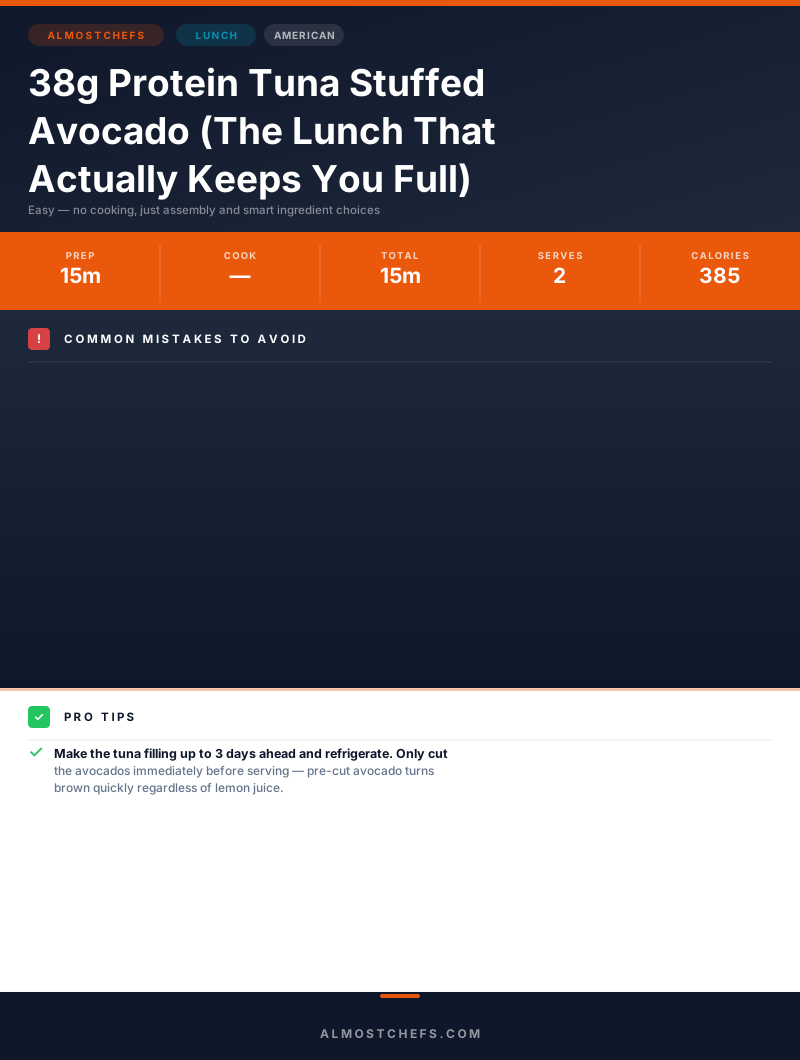
Before we start, read this. These are the 4 reasons your 38g protein tuna stuffed avocado (the lunch that actually keeps you full) will fail:
- 1
Using wet tuna: Canned tuna in water needs to be drained aggressively, not just tipped through a strainer. Press the tuna firmly against the can with a fork before adding it to the bowl. Wet tuna dilutes the yogurt dressing into a soupy mess and ruins the texture of the filling.
- 2
Buying underripe avocados: An underripe avocado is hard, bitter, and holds its shape like a bowl — which sounds useful until you realize you can't scoop it and the flavor actively fights the filling. The avocado should yield to gentle thumb pressure. If yours are rock-hard, leave them at room temperature for 24-48 hours.
- 3
Assembling too far ahead: Avocado oxidizes fast. Once you halve and pit them, the clock is running. Make the tuna filling up to 3 days ahead, refrigerate it, and only cut the avocados right before serving. Squeezing lemon juice over the exposed flesh buys you maybe 20 extra minutes — not hours.
- 4
Over-mixing the filling: The hard-boiled eggs should remain in distinct chunks throughout the filling, not get mashed into the yogurt. Fold everything together with a light hand. The textural contrast between the creamy yogurt base and the egg pieces is what makes this more interesting than a standard tuna mash.
The Video Reference Library
Want to see it in action? Here are the exact videos we analyzed and combined to build this foolproof recipe translation:
The source video for this technique. Watch for the tuna-draining method and how the yogurt-cottage cheese base comes together.
🛠️ Core Equipment
- Medium mixing bowlYou need enough surface area to fold the eggs and vegetables in without compressing them. A bowl that's too small forces you to stir aggressively, which destroys the egg texture.
- Fine-mesh sieve or can strainerStandard can lids leave too much liquid behind. A fine-mesh sieve lets you press the tuna firmly and completely, removing the excess water that dilutes the dressing.
- Sharp chef's knifeHalving avocados cleanly requires a single confident cut straight through to the pit. A dull knife drags and bruises the flesh. You're also mincing red onion fine enough that it disappears into the filling rather than dominating any single bite.
- Small whisk or forkThe lemon-mustard mixture needs to be fully emulsified before folding into the tuna. If you add them separately, the mustard clumps and the lemon pools at the bottom.
38g Protein Tuna Stuffed Avocado (The Lunch That Actually Keeps You Full)
🛒 Ingredients
- ✦2 cans (5 oz each) solid white albacore tuna in water, drained
- ✦1/2 cup non-fat Greek yogurt
- ✦1/4 cup low-fat cottage cheese
- ✦2 medium ripe avocados, halved and pitted
- ✦1/4 cup red onion, finely minced
- ✦1/4 cup celery, finely diced
- ✦2 tablespoons fresh dill, chopped
- ✦1 tablespoon fresh lemon juice
- ✦1 tablespoon Dijon mustard
- ✦2 hard-boiled eggs, chopped
- ✦1/4 cup diced bell pepper (red or yellow)
- ✦1/4 teaspoon sea salt
- ✦1/4 teaspoon black pepper
- ✦2 cups mixed greens or spinach
- ✦Lemon wedges for serving
👨🍳 Instructions
01Step 1
Drain the two cans of tuna thoroughly by pressing firmly with a fork against the can to remove as much liquid as possible.
02Step 2
Combine the drained tuna, Greek yogurt, and cottage cheese in a medium mixing bowl. Stir until fully incorporated.
03Step 3
Fold in the minced red onion, diced celery, fresh dill, and chopped hard-boiled eggs until evenly distributed.
04Step 4
Whisk the fresh lemon juice and Dijon mustard together in a small bowl until emulsified. Drizzle over the tuna mixture and fold gently to combine.
05Step 5
Season with sea salt and black pepper to taste.
06Step 6
Arrange the mixed greens or spinach on a serving plate.
07Step 7
Scoop approximately one-quarter of the tuna mixture into each avocado half, mounding it slightly above the pit cavity.
08Step 8
Place the stuffed avocado halves on top of the bed of greens.
09Step 9
Garnish with the diced bell pepper and additional fresh dill.
10Step 10
Serve immediately with lemon wedges for squeezing over the top.
Nutrition Per Serving
Estimates based on standard preparation. Adjustments alter macros.
🔄 Substitutions
Instead of Greek yogurt + cottage cheese...
Use Full-fat mayonnaise
The classic base. Drops protein by roughly 15g per serving. Richer mouthfeel, no tanginess. If you go this route, skip the Dijon — it gets overpowering with mayo.
Instead of Hard-boiled eggs...
Use Diced extra-firm tofu
Keeps the chunky texture if you're avoiding eggs. Press the tofu dry first or it waters down the filling. Protein contribution is similar.
Instead of Fresh dill...
Use Fresh flat-leaf parsley or chives
Dill is the better call with tuna, but parsley is milder if you find dill medicinal. Chives add an onion note without doubling up on the red onion.
Instead of Mixed greens...
Use Sliced cucumber rounds or endive leaves
For a fully grain-free, cracker-free presentation. Endive leaves work particularly well as scoops if you're serving this at room temperature for more than a few minutes.
🧊 Storage & Reheating
In the Fridge
Store the tuna filling in an airtight container for up to 3 days. Do not store pre-cut avocado — it browns within hours. Halve the avocados fresh each time you serve.
In the Freezer
Not recommended. Both avocado and Greek yogurt change texture significantly after freezing. The filling becomes watery and the avocado turns gray.
Reheating Rules
This dish is served cold. No reheating needed. If the filling has been in the fridge, let it sit at room temperature for 5 minutes before serving to take the chill off.
❓ Frequently Asked Questions
Why does my avocado turn brown so fast?
Avocado flesh oxidizes on contact with air — a reaction catalyzed by an enzyme called polyphenol oxidase. Lemon juice slows it by lowering pH, but doesn't stop it entirely. The real answer is to cut the avocado as late as possible. If you're meal prepping, store the pit cavity side face-down on a plate in the fridge — the reduced air contact buys you an extra hour.
Can I use light tuna instead of albacore?
Yes. Light tuna (skipjack) has a stronger, fishier flavor and softer texture than albacore. It works fine in this recipe — the yogurt and mustard dressing holds up regardless. Some people prefer the softer texture. Protein content is nearly identical.
Is the cottage cheese noticeable in the filling?
No. Once you stir the cottage cheese into the Greek yogurt, the curds break down and disappear into the base. What you're left with is a creamier, slightly denser texture than yogurt alone — and a meaningful boost in protein. Nobody will identify it if you don't mention it.
How do I hard-boil eggs without the gray ring?
Cold start, cold finish. Place eggs in cold water, bring to a boil, remove from heat, cover for 10-11 minutes, then immediately transfer to an ice bath for 5 minutes. The gray ring forms when eggs overcook and hydrogen sulfide reacts with the iron in the yolk. The ice bath stops cooking instantly.
Can I make this dairy-free?
Replace the Greek yogurt with unsweetened coconut yogurt and omit the cottage cheese. Add an extra tablespoon of Dijon mustard and a teaspoon of apple cider vinegar to compensate for the lost tang. Protein per serving drops to roughly 26g.
What's the best way to pit an avocado safely?
Skip the knife-in-the-pit trick — it's sent more people to the ER than any other kitchen maneuver. Instead, halve the avocado, then firmly press the pit with your thumb and twist. Or use a spoon to lever it out from the side. Both methods are slower and completely safe.
The Science of
38g Protein Tuna Stuffed Avocado (The Lunch That Actually Keeps You Full)
We turned everything on this page into a beautiful, flour-proof PDF cheat sheet. Print it out, stick it to your fridge, and never mess up your 38g protein tuna stuffed avocado (the lunch that actually keeps you full) again.
*We'll email you the high-res PDF instantly. No spam, just perfectly cooked meals.
AlmostChefs Editorial Team
We translate the internet's most popular cooking videos into foolproof, beginner-friendly written recipes. We analyze multiple methods, test them in our kitchen, and engineer a single "Master Recipe" that gives you the best possible result with the least possible stress.