The Perfect Tuna Melt (Why Yours Is Probably Soggy)
A classic American grilled sandwich with flaked albacore tuna, creamy mayo-yogurt blend, crisp celery, and melted Swiss cheese on golden whole grain bread. We broke down every step that separates a crispy, melty tuna melt from the sad, soggy cafeteria version.
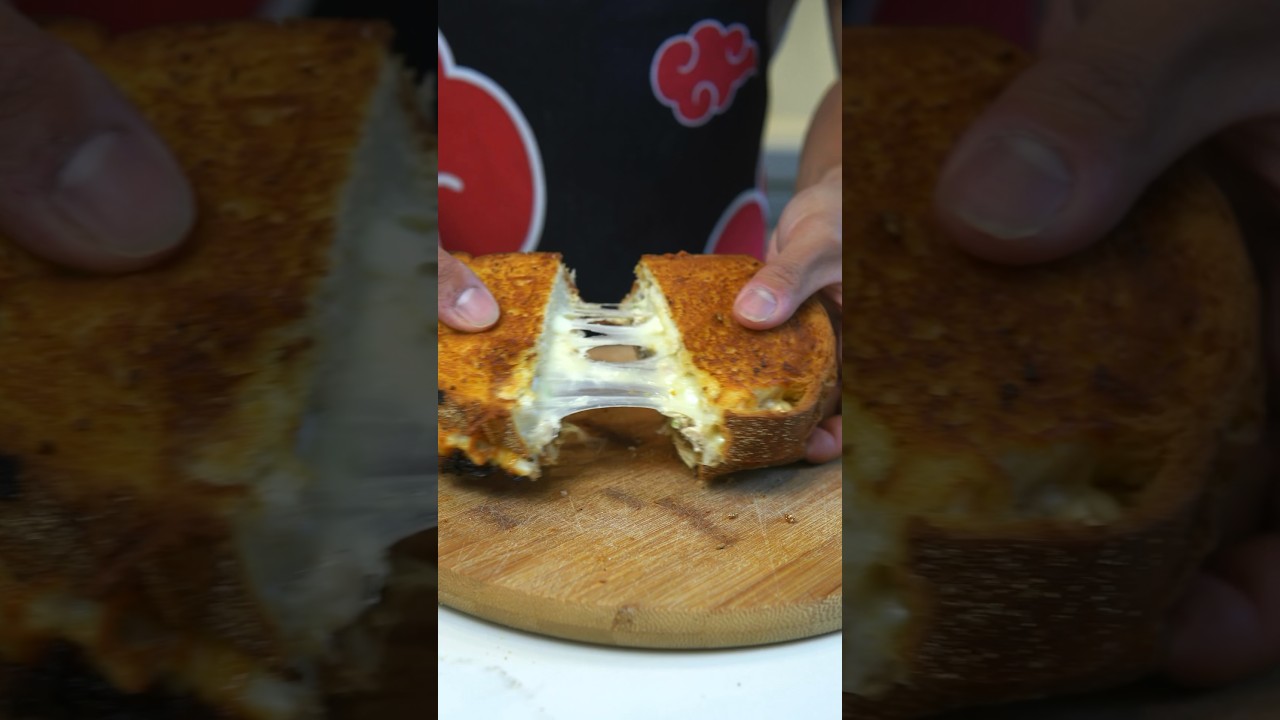
“The tuna melt is America's most underestimated sandwich. It's also one of the most commonly butchered. The problems are always the same: wet tuna that soaks through the bread, cheese that slides off instead of melting into the filling, and a golden exterior that's actually just pale and soft. Three technique adjustments fix all of it.”
Why This Recipe Works
The tuna melt has a reputation problem. It's perceived as a lazy lunch — the thing you make when you can't be bothered to cook. That perception is reinforced by every diner version that arrives at the table on pale, limp bread with cheese that looks like it was gestured at by a heat lamp rather than actually melted. The tragedy is that a properly executed tuna melt is an excellent sandwich: crispy, savory, rich without being heavy, and done in under 20 minutes.
The Moisture Problem
Tuna is a wet fish. Canned albacore in water contains significantly more residual moisture than most people account for, and that moisture has one destination: your bread. The moment the tuna mixture contacts the bread surface, water migration begins. By the time a poorly drained sandwich hits the skillet, the inner bread face is already compromised — it steams from the inside instead of crisping from the outside.
The fix is aggressive draining. Tip the can, then press the tuna firmly against the colander with the back of a spoon, working methodically from one side to the other. Do this until no more liquid runs out. The tuna should look almost dry, which will seem wrong. It isn't. The mayonnaise and Greek yogurt reintroduce moisture in a controlled, emulsified form that binds to the tuna rather than soaking into the bread.
The mayo-yogurt split matters more than most recipes acknowledge. Three tablespoons of straight mayo produces a filling that's rich to the point of heaviness. Two tablespoons of straight yogurt produces something that reads more like diet food than lunch. The 3:2 ratio gets you creamy, slightly tangy, and cohesive — a filling that tastes intentional rather than functional.
The Heat Equation
The tuna melt's central engineering challenge is simultaneous completion: the bread needs to be deeply golden and the cheese needs to be fully melted at the exact same moment. These two outcomes require different amounts of heat. High heat prioritizes the bread and leaves the cheese behind. Low heat melts the cheese but produces pale, soft bread that has no structural integrity.
Medium heat, timed correctly, solves both. Three to four minutes per side on a properly preheated cast iron skillet gives the bread time to develop a genuine crust while the interior heats through and the cheese liquefies. A cast iron skillet is specifically useful here because its heat retention stays stable through the flip — the second side browns just as well as the first, which doesn't happen reliably on thin stainless or non-stick pans that lose temperature quickly.
Pressing lightly with the spatula after the flip improves bread-to-cheese contact and accelerates the final melt. Not hard — a gentle press. You're promoting contact, not compressing the sandwich into a flat disc.
The Cheese Question
Pre-shredded cheese is coated in cellulose or potato starch to prevent clumping in the bag. That coating is also a melting inhibitor. Instead of flowing into a clean, cohesive layer, pre-shredded cheese turns slightly rubbery under heat. Deli-sliced Swiss, cut thin, melts completely and evenly in the time it takes the bread to brown. This is a small detail with a large impact on the finished sandwich.
Swiss is traditional because its mild, slightly nutty flavor doesn't compete with the tuna. It melts clean. If you want more complexity, gruyere performs identically but tastes more sophisticated — deeper, nuttier, slightly more assertive. Either works. What doesn't work is anything pre-shredded or sliced too thick to melt in three minutes.
The Resting Rule
One minute off the heat. That's all it takes for molten cheese to set from liquid to properly melty — still soft, still flowing, but cohesive enough to hold its position when you cut the sandwich. Skip the rest and you cut into a sandwich that bleeds cheese onto the cutting board, leaving the interior dry and the outside of your cutting board a mess. Set a timer. Let the sandwich finish its job.
This is a lunch that rewards patience — not much of it, but exactly the right amount.
Where Beginners Mess This Up
Before we start, read this. These are the 4 reasons your the perfect tuna melt (why yours is probably soggy) will fail:
- 1
Not draining the tuna aggressively enough: Canned tuna holds far more water than it appears. If you just tip the can and shake, you're leaving 20-30% of that water in the fish. It migrates into your bread the moment the filling touches it, and by the time the sandwich hits the skillet, the bread is already compromised. Press the tuna firmly against the colander with the back of a spoon until no more liquid runs out.
- 2
Using cheese that won't melt properly: Pre-shredded cheese is coated in cellulose to prevent clumping. That coating also prevents clean melting — it turns rubbery instead of gooey. Slice your own Swiss or buy it from the deli counter. Thin slices melt faster and more evenly than thick ones. The cheese should be fully liquefied before the second side goes golden.
- 3
Cooking on heat that's too high: High heat browns the bread before the cheese melts. You get a crispy exterior and cold, solid cheese in the middle. Medium heat gives the interior time to heat through and the cheese time to melt while the bread develops its crust. If your skillet is screaming hot, the sandwich is already ruined.
- 4
Skipping the resting minute: Molten cheese needs 60 seconds off the heat to set slightly. Cut the sandwich immediately and the cheese runs out onto the cutting board. Wait a minute and it holds its structure while staying perfectly melty inside. This is the difference between a sandwich and a mess.
The Video Reference Library
Want to see it in action? Here are the exact videos we analyzed and combined to build this foolproof recipe translation:
The primary reference video for this recipe. Walks through draining technique and the medium-heat method that gets both a golden crust and fully melted cheese.
🛠️ Core Equipment
- Large skillet or cast iron griddleEven heat distribution is critical for browning both sides uniformly. A [cast iron skillet](/kitchen-gear/review/cast-iron-skillet) retains heat through the flip so the second side browns just as well as the first.
- Fine-mesh colanderFor pressing the tuna dry. A standard strainer has gaps too large to support the tuna while you press — you'll lose half the fish through the holes.
- Thin flexible spatulaThe flip is the highest-risk moment. A thin spatula slides cleanly under the sandwich without tearing the bread or dislodging the top layer. A thick silicone spatula will wreck it.
- Mixing bowl and forkUse a fork, not a spoon. The tines break up clumps while keeping some texture in the flakes. A spoon turns tuna salad into paste.
The Perfect Tuna Melt (Why Yours Is Probably Soggy)
🛒 Ingredients
- ✦2 cans (5 ounces each) albacore tuna in water, drained thoroughly
- ✦3 tablespoons mayonnaise
- ✦2 tablespoons plain Greek yogurt
- ✦1 medium celery stalk, finely diced
- ✦2 tablespoons diced red onion
- ✦1 tablespoon fresh dill, finely chopped
- ✦1 teaspoon Dijon mustard
- ✦1/2 teaspoon fresh lemon juice
- ✦1/4 teaspoon kosher salt
- ✦1/8 teaspoon black pepper
- ✦8 slices whole grain bread or sourdough
- ✦4 ounces Swiss cheese, thinly sliced from the deli counter
- ✦2 tablespoons unsalted butter, softened
- ✦4 leaves fresh lettuce (optional)
- ✦4 thin tomato slices (optional)
- ✦2 tablespoons capers, drained (optional)
👨🍳 Instructions
01Step 1
Drain the canned tuna thoroughly by pressing it firmly against the colander with the back of a spoon, working in sections until no more liquid runs out.
02Step 2
Combine the drained tuna, mayonnaise, Greek yogurt, diced celery, red onion, fresh dill, Dijon mustard, and lemon juice in a medium mixing bowl.
03Step 3
Fold the ingredients together gently with a fork until evenly combined and creamy, keeping some texture in the tuna flakes.
04Step 4
Season with kosher salt and black pepper. Taste and adjust — tuna varies significantly in saltiness between brands.
05Step 5
Spread softened butter evenly on one side of each bread slice, coating edge to edge. Unbuttered edges go pale and dry in the skillet.
06Step 6
Lay four bread slices butter-side down on a clean surface. Divide the tuna mixture evenly among them and spread in a uniform layer.
07Step 7
Layer Swiss cheese slices directly over the tuna filling on each open-face sandwich bottom.
08Step 8
Top each with a second bread slice, butter-side up. Press gently so the layers hold together.
09Step 9
Heat a large skillet or [cast iron griddle](/kitchen-gear/review/cast-iron-skillet) over medium heat until a drop of water sizzles on contact.
10Step 10
Place the assembled sandwiches in the skillet. Work in batches if needed — crowding lowers the pan temperature and causes steaming instead of browning.
11Step 11
Cook for 3 to 4 minutes until the bottom is deeply golden brown and the cheese begins to soften visibly at the edges.
12Step 12
Flip carefully with a thin spatula and cook the second side for 2 to 3 minutes until golden brown and the cheese is fully melted.
13Step 13
Transfer to a cutting board and let rest for 1 minute. The cheese needs to set slightly or it will run when you cut.
14Step 14
Cut diagonally if desired. Serve immediately while the cheese is still warm.
Nutrition Per Serving
Estimates based on standard preparation. Adjustments alter macros.
🔄 Substitutions
Instead of Canned tuna in water...
Use Fresh cooked tuna or sustainable pole-caught albacore
Richer, more delicate flavor with firmer texture. Worth the upgrade for a weekend lunch. Flake it coarsely — you want texture, not paste.
Instead of Mayonnaise...
Use 1/2 ripe avocado, mashed
Creamier mouthfeel with a buttery flavor. Reduces calories by roughly 40 per serving. The avocado oxidizes within a few hours, so only use this substitution if you're eating immediately.
Instead of Swiss cheese...
Use Aged white cheddar or gruyere
Deeper, more complex flavor. Use slightly less — sharp cheese goes further. Gruyere melts exceptionally clean and gives you a more refined result.
Instead of Unsalted butter...
Use Ghee or extra virgin olive oil
[Ghee](/kitchen-gear/review/ghee) has a higher smoke point and creates a crispier exterior without any dairy concerns. Olive oil adds fruity notes and is the better choice if you're watching saturated fat.
🧊 Storage & Reheating
In the Fridge
Store the tuna mixture (unfilled) in an airtight container for up to 2 days. Do not store assembled sandwiches — they turn soggy within an hour.
In the Freezer
Not recommended. Mayonnaise-based mixtures break when frozen and thawed, separating into an oily, watery mess.
Reheating Rules
Reheat finished sandwiches in a dry skillet over medium-low heat for 2 minutes per side. The microwave softens the bread irreversibly. The skillet restores the crust.
❓ Frequently Asked Questions
Why is my tuna melt soggy?
The tuna wasn't drained enough. Canned tuna holds significant residual water that migrates into bread on contact. Press the tuna firmly against the colander until no more liquid runs out. The filling should look almost too dry before you add the mayo.
What's the best cheese for a tuna melt?
Swiss is traditional because it melts cleanly without overpowering the tuna. Gruyere is the upgrade — same melt behavior, deeper flavor. Avoid pre-shredded cheese in bags; the cellulose coating prevents proper melting and turns the cheese rubbery.
Can I make the tuna mixture ahead of time?
Yes. The mixture keeps in the fridge for up to 2 days. Assemble and cook the sandwiches fresh — pre-built sandwiches go soggy quickly once the filling contacts the bread.
Why medium heat and not higher?
High heat browns the bread before the cheese melts. You end up with a crispy exterior and solid, cold cheese inside. Medium heat gives both elements time to finish simultaneously. If the bread is browning in under 2 minutes, your heat is too high.
Do I need to use both mayo and Greek yogurt?
The split matters. Full mayo is heavy and one-note. Full yogurt is lean but slightly sour and doesn't bind as well. The 3:2 ratio (mayo to yogurt) gets you creamy, bright, and cohesive. If you only have one, use mayo — but the yogurt improves the final dish noticeably.
Can I make this open-faced instead?
Yes — and it's actually easier to get the cheese fully melted this way. Place the tuna-topped bread slices under a broiler for 2-3 minutes until the cheese bubbles and browns. Watch it closely; broilers vary wildly. The tradeoff is you lose the crispy second side.
The Science of
The Perfect Tuna Melt (Why Yours Is Probably Soggy)
We turned everything on this page into a beautiful, flour-proof PDF cheat sheet. Print it out, stick it to your fridge, and never mess up your the perfect tuna melt (why yours is probably soggy) again.
*We'll email you the high-res PDF instantly. No spam, just perfectly cooked meals.
AlmostChefs Editorial Team
We translate the internet's most popular cooking videos into foolproof, beginner-friendly written recipes. We analyze multiple methods, test them in our kitchen, and engineer a single "Master Recipe" that gives you the best possible result with the least possible stress.