High-Protein Tuna Melt (38g Per Sandwich, Zero Compromise)
A classic tuna melt rebuilt for muscle-building lunches — Greek yogurt replaces mayo, cottage cheese bulks the filling, and whole grain bread holds it all together. 38g of protein per sandwich, ready in under 25 minutes, and it actually tastes like comfort food.
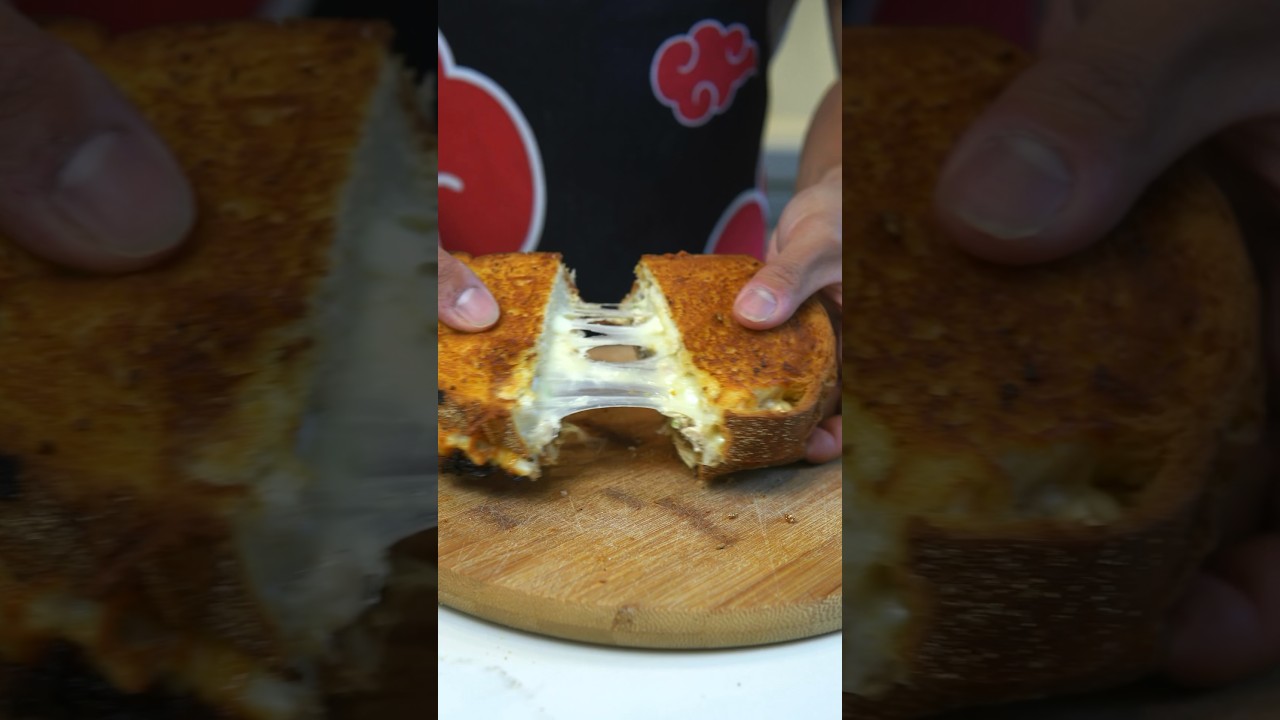
“The standard tuna melt clocks in at 22g of protein and about 420 calories, most of them from mayo and full-fat cheese. Swap two ingredients, add one more, and you get 38g of protein at 385 calories — a sandwich that actually builds something. This isn't a diet compromise. It's a better version of a thing that already works.”
Why This Recipe Works
The tuna melt is one of the most efficient lunch formats in existence: high-satiety protein, fat, and starch in a format that takes ten minutes to build and twelve to cook. The problem is that the classic version spreads its macros inefficiently. Traditional mayo is almost entirely fat. Full-fat cheddar adds more. The tuna carries the protein almost alone, and it can only do so much at five ounces per can.
This version reorganizes the ingredients around a single goal: maximize protein without making the sandwich taste like a corrective measure.
The Swap That Does the Work
Greek yogurt replaces mayo in a 1:1 ratio by volume. The texture difference in a hot sandwich is negligible — both are creamy, both bind the tuna, both distribute flavor evenly. The nutritional difference is not negligible. One cup of Greek yogurt delivers roughly 23g of protein. One cup of full-fat mayo delivers almost none, plus 160 grams of fat. This is not a minor adjustment. It's a complete restructuring of what holds the sandwich together.
The Dijon mustard and lemon juice are what close the flavor gap. Mayo's richness comes from emulsified egg yolk and oil. Greek yogurt's richness comes from milk fat and protein. They taste different in isolation. With Dijon's sharp bite and lemon's acidity, the distinction nearly disappears — especially once heat collapses everything into the cheese and bread.
Cottage cheese in the filling is the less obvious addition. It adds another 14g of protein across the batch, creates a chunkier, more substantial texture that reads as "hearty" rather than "healthy," and contributes casein protein alongside the whey in Greek yogurt — a protein combination that has a longer satiety window than either alone. Some people object to cottage cheese curds in hot applications. The answer is to not overmix: keep the curds slightly intact and they provide texture. Blend them smooth and they disappear entirely into the filling.
The Bread Decision
Whole grain or sprouted grain bread is structural as much as nutritional. Standard white sandwich bread compresses under a dense, moist filling. A sturdy whole grain slice maintains its integrity through the skillet process — firm enough to support the filling, porous enough to brown evenly in butter. The added fiber (4g per serving versus 2g in the original) isn't incidental: it slows digestion of the carbohydrates, stabilizing blood sugar in a way that standard bread can't.
Sprouted grain is even better if you can find it. The sprouting process breaks down phytic acid in the grain, improving mineral absorption and producing a denser crumb that resists sogginess. It costs more. It's worth it if this sandwich is in weekly rotation.
The Skillet Technique
A large cast iron skillet gives you even heat distribution across the entire base of the sandwich. Thin non-stick pans create hot spots that burn corners while leaving centers pale. The goal is consistent medium heat for the full 3-4 minutes per side — steady browning, not rapid crisping.
The butter layer on the bread exterior is thin for a reason. Too much butter and the bread fries instead of toasts, producing a greasy exterior that telegraphs calories without improving flavor. A half-teaspoon per slice is enough to Maillard the surface evenly and give you the color cue that tells you when to flip.
The tent-with-a-lid trick for the final 90 seconds is how you guarantee cheese melt without burning the bread. Steam accelerates heat transfer to the cheese layer. Without it, you're waiting for conduction alone through the bread and filling — slow and unpredictable. With it, the cheese is fully melted, the bread is golden, and the sandwich comes off the heat in a single decisive moment.
Thirty-eight grams of protein. Twenty-two minutes. This is lunch, solved.
Where Beginners Mess This Up
Before we start, read this. These are the 4 reasons your high-protein tuna melt (38g per sandwich, zero compromise) will fail:
- 1
Not draining the tuna enough: Undrained tuna turns the Greek yogurt filling into soup. Press the tuna firmly in a fine-mesh sieve and let it sit for a minute. Wet filling steams the bread instead of crisping it, and you lose the structural integrity that makes this sandwich worth eating.
- 2
Skillet too hot when the sandwich goes in: Medium heat — not medium-high, not high. Too hot and the bread burns before the cheese melts. You want steady, even browning over 3-4 minutes per side, not a rapid char. If you see smoke, pull the pan and lower the heat.
- 3
Overfilling the sandwich: The Greek yogurt and cottage cheese mixture is denser than standard tuna salad. Too thick a layer and the filling squeezes out when you flip, making a mess and leaving you with a dry sandwich. A generous but even spread — about a quarter of the mixture per slice — holds together cleanly.
- 4
Skipping the rest period: One minute off heat before you cut the sandwich lets the melted cheese reset slightly. Cut immediately and everything slides out. Rest it and the cross-section stays clean. This is a 60-second investment with obvious returns.
The Video Reference Library
Want to see it in action? Here are the exact videos we analyzed and combined to build this foolproof recipe translation:
The source video for this recipe's protein-forward approach. Covers the Greek yogurt swap in detail and shows the skillet technique that gets both sides evenly golden without burning the cheese.
🛠️ Core Equipment
- Large skillet or griddleFits multiple sandwiches at once and maintains even surface temperature. Cast iron holds heat better than thin non-stick pans, giving you more consistent browning without cold spots.
- Fine-mesh sieveEssential for draining the tuna properly. A colander has holes too large to catch fine flakes. You need a sieve and a spoon to press out every drop of water from the can.
- Wide spatulaA tuna melt is a thick, loaded sandwich. A narrow spatula bends the sandwich mid-flip and everything shifts. A wide, flat spatula supports the entire base and flips in one clean motion.
- Medium mixing bowlThe filling needs room to mix properly. A too-small bowl means you're folding cottage cheese into tuna awkwardly, leaving pockets of unmixed yogurt. Bowl size is not trivial.
High-Protein Tuna Melt (38g Per Sandwich, Zero Compromise)
🛒 Ingredients
- ✦2 cans (5 oz each) albacore tuna in water, drained
- ✦1 cup plain nonfat Greek yogurt
- ✦1/2 cup low-fat cottage cheese
- ✦1/4 cup diced red onion
- ✦2 tablespoons fresh dill, chopped
- ✦1 tablespoon fresh lemon juice
- ✦1 teaspoon Dijon mustard
- ✦1/4 teaspoon black pepper
- ✦1/4 teaspoon sea salt
- ✦8 slices whole grain or sprouted grain bread
- ✦4 slices low-fat cheddar cheese
- ✦2 tablespoons unsalted butter, softened
- ✦1 cup fresh spinach, packed
- ✦4 tomato slices (about 1 medium tomato)
👨🍳 Instructions
01Step 1
Drain the two cans of tuna thoroughly in a fine-mesh sieve, pressing gently with the back of a spoon to remove excess water.
02Step 2
Combine the drained tuna, Greek yogurt, cottage cheese, red onion, fresh dill, lemon juice, Dijon mustard, black pepper, and sea salt in a medium bowl. Stir until evenly blended.
03Step 3
Taste the filling and adjust seasoning with additional lemon juice or salt. It should taste bright and savory, not flat.
04Step 4
Spread a thin layer of softened butter on one side of each bread slice, using about 1/2 teaspoon per slice.
05Step 5
Heat a large skillet or griddle over medium heat for 2 minutes until evenly warmed.
06Step 6
Place 4 slices of bread butter-side down in the skillet. Toast until golden brown and crispy, about 3-4 minutes.
07Step 7
Divide the tuna mixture evenly among the 4 toasted slices, spreading it on the cooked (top) side.
08Step 8
Layer a small handful of fresh spinach and one tomato slice on top of each portion of tuna filling.
09Step 9
Place one slice of low-fat cheddar on top of the spinach and tomato on each sandwich.
10Step 10
Top each sandwich with a remaining bread slice, butter-side up.
11Step 11
Return the assembled sandwiches to the skillet over medium heat. Cook until the bottom is golden brown and the cheese begins to melt, about 3-4 minutes.
12Step 12
Flip each sandwich carefully with a wide spatula and cook the other side until golden brown and the cheese is fully melted, about 3 minutes more.
13Step 13
Remove from the skillet and rest for 1 minute before slicing diagonally and serving.
Nutrition Per Serving
Estimates based on standard preparation. Adjustments alter macros.
🔄 Substitutions
Instead of Plain nonfat Greek yogurt...
Use Traditional mayonnaise
Reverts to the classic flavor profile. Adds back 90 calories and 10g fat per serving, drops protein by roughly 15g across the batch. Still good, just not the same nutritional architecture.
Instead of Low-fat cottage cheese...
Use Ricotta cheese
Similar creamy texture, slightly less protein but smoother consistency. Works well if cottage cheese curds feel too textured for your preference.
Instead of Low-fat cheddar...
Use Gruyère or Swiss
Both melt beautifully and add complexity. Gruyère in particular pairs exceptionally well with Dijon mustard. Higher fat content, but stronger flavor means you can use less.
Instead of Whole grain bread...
Use Sourdough
Lower glycemic index than regular white, good structural integrity, and the slight tang pairs well with the lemon-dill filling. Not quite as high in fiber, but a legitimate upgrade over standard sandwich bread.
🧊 Storage & Reheating
In the Fridge
The assembled, cooked sandwich does not store well — bread goes soggy. The tuna filling keeps in an airtight container for up to 2 days. Assemble and cook fresh each time.
In the Freezer
Not recommended. Greek yogurt separates on freezing and thawing, and the bread texture is destroyed. Make the filling fresh in 5 minutes — it's not worth freezing.
Reheating Rules
Reheat a cooked sandwich in a dry skillet over medium-low heat for 2 minutes per side. The microwave softens the crust completely — avoid it.
❓ Frequently Asked Questions
Does Greek yogurt actually taste like mayo in this?
Not identical, but close enough that most people don't notice the swap in a hot sandwich. The heat and the Dijon mustard bridge the gap. Cold tuna salad on its own? The tang is more detectable. Inside a hot, cheesy melt? You're not going to miss it.
Why cottage cheese instead of just more Greek yogurt?
Cottage cheese and Greek yogurt have different protein structures. Together they create a thicker, more satisfying filling texture than either alone. Cottage cheese also adds casein protein (slow-digesting) alongside the whey in Greek yogurt, which improves the satiety profile of the meal.
Can I use tuna packed in oil instead of water?
Yes, but drain it even more aggressively. Oil-packed tuna has better flavor and texture, but excess oil makes the Greek yogurt filling greasy and the bread soggy faster. Pat it dry with a paper towel after draining.
How do I keep the sandwich from falling apart when I flip it?
Cold filling and a wide spatula. If the tuna mixture is fridge-cold when it goes on the bread, it holds its shape better under heat. A wide spatula supports the full base of the sandwich so nothing shifts mid-flip. Don't rush — wait until the bottom is fully browned before attempting the flip.
Is this actually 38g of protein per sandwich?
Yes. Two cans of albacore tuna split four ways gives you roughly 14g. One cup of Greek yogurt split four ways adds about 6g. Half a cup of cottage cheese split four ways adds another 3-4g. The whole grain bread and cheese make up the rest. The math checks out.
Can I make this dairy-free?
Swap Greek yogurt for plain coconut yogurt and cottage cheese for silken tofu blended smooth. Use dairy-free cheese. The protein drops significantly — you lose the Greek yogurt and cottage cheese contribution — but the flavor remains solid. It becomes a different sandwich nutritionally.
The Science of
High-Protein Tuna Melt (38g Per Sandwich, Zero Compromise)
We turned everything on this page into a beautiful, flour-proof PDF cheat sheet. Print it out, stick it to your fridge, and never mess up your high-protein tuna melt (38g per sandwich, zero compromise) again.
*We'll email you the high-res PDF instantly. No spam, just perfectly cooked meals.
AlmostChefs Editorial Team
We translate the internet's most popular cooking videos into foolproof, beginner-friendly written recipes. We analyze multiple methods, test them in our kitchen, and engineer a single "Master Recipe" that gives you the best possible result with the least possible stress.