Crispy Tofu Stir Fry (Stop Steaming When You Should Be Searing)
A fast, high-heat weeknight stir fry with golden pan-seared tofu, tender-crisp vegetables, and a savory tamari sauce. We broke down what actually makes tofu crispy at home — and it has nothing to do with your pan and everything to do with moisture.
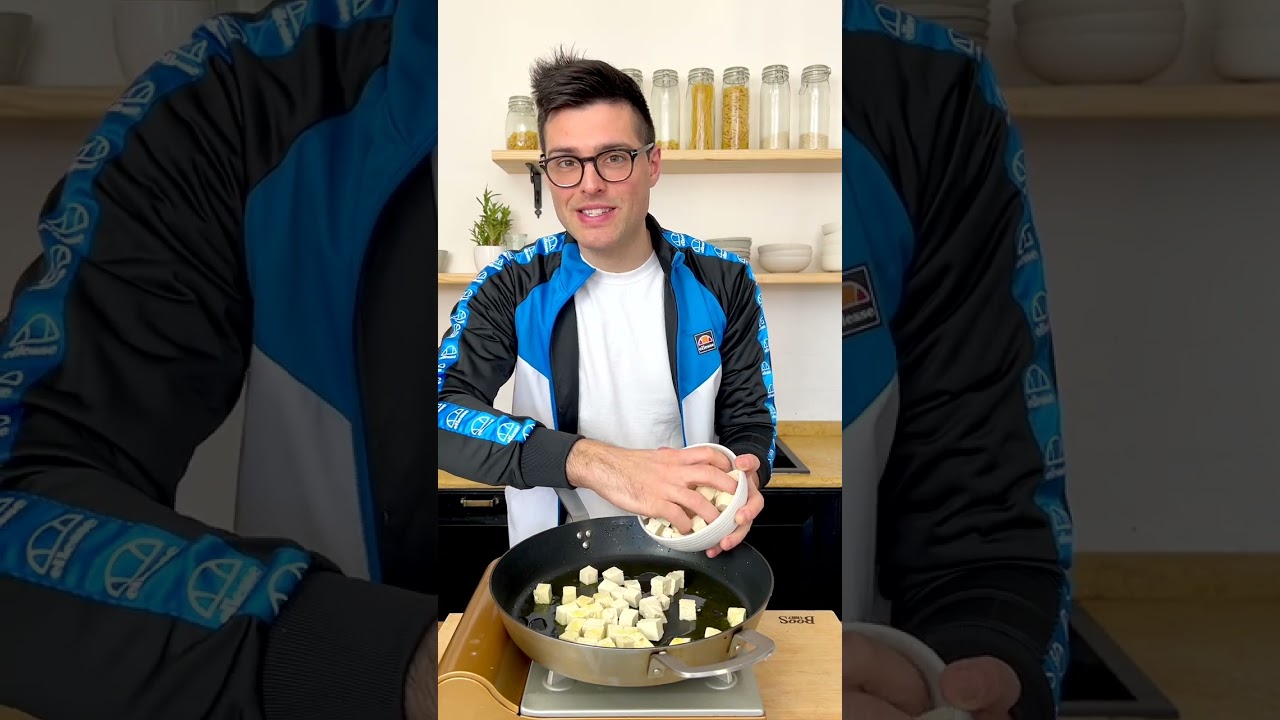
“Tofu has a reputation problem. Not because tofu is bad, but because most people skip the one step that changes everything: pressing out the water. Wet tofu steams in the pan instead of searing. You get pale, rubbery cubes that stick to everything and absorb nothing. Press it properly, get the pan hot enough, and you get golden edges, a tender interior, and a surface that grips the sauce the way it's supposed to.”
Why This Recipe Works
Tofu stir fry is one of those dishes that seems forgiving and isn't. The technique window is narrow: you need enough heat to sear but not enough to burn, vegetables cooked to the exact edge between crisp and tender, and a sauce that reduces to a glaze rather than a puddle. Most home versions fail on one of these three counts, and the failure usually traces back to a single upstream decision: how much effort went into pressing the tofu.
The Water Problem
Tofu is manufactured by coagulating soy milk and pressing the curds into blocks — a process not unlike making cheese. Extra-firm tofu still contains somewhere between 60-70% water by weight when it comes out of the package. That water is the enemy of every good stir fry outcome you're trying to achieve.
When wet tofu hits a hot pan, the surface water flash-vaporizes. That steam drops the pan temperature, creates a barrier between the tofu and the metal surface, and prevents the direct contact required for the Maillard reaction — the same browning chemistry behind seared steak, crusty bread, and roasted coffee. You get steamed tofu instead of seared tofu. No crust. No color. No texture contrast. Just pale, rubbery squares that fall apart when you toss them.
The fix is mechanical and boring: wrap the block, stack weight on top, wait. Ten minutes minimum. Twenty if you have them. The press is the entire foundation of this recipe.
The Heat Problem
Stir fry is a high-heat discipline. Traditional wok cooking uses flames that reach 1,000°F or more — far beyond what any home stove produces. This matters because home cooks often compensate by crowding the pan, thinking that more food means more cooking. It means the opposite. More food lowers the pan temperature, extends cooking time, and turns what should be a fast, aggressive sear into a slow, gentle steam. Your vegetables give up their water. Your tofu never browns. The sauce has nothing to cling to.
The solution is not a hotter stove — it's discipline about volume. Cook the tofu alone in the first pass. Set it aside. Cook the vegetables in order of density, giving hard vegetables like broccoli a head start over delicate ones like snap peas. Reintroduce the tofu at the end when the sauce goes in. Every ingredient in the pan at the same time looks efficient. It produces inferior results.
The Sauce Architecture
This sauce — tamari, rice vinegar, a touch of maple syrup, red pepper flakes — works because each component has a specific job. Tamari provides the umami base. Rice vinegar provides acidity that brightens and lifts the other flavors and cuts the richness of sesame oil. Maple syrup provides the small amount of sugar the sauce needs to caramelize against the hot pan and thicken to a glaze rather than remaining a liquid. Red pepper flakes provide background heat that builds slowly.
The sauce goes in last because it needs to meet a hot, dry pan. Liquid added to a cool or wet pan stays liquid. Added to a hot pan with caramelized aromatics and seared tofu, it reduces fast, concentrates, and coats everything with an intensity that tastes like it took twice as long to make.
The Vegetable Sequence
Bell peppers, broccoli, onion, snap peas: each of these has a different density, water content, and ideal cooking time. Onion goes first because it takes the longest to soften properly and needs to turn translucent before the sharper aromatics go in. Broccoli and bell peppers go in together because they share a similar density. Snap peas go in last because they need only 2 minutes and will turn from bright green to army green if cooked longer.
This sequence is not optional — it's what produces a bowl where every component is at the same stage of doneness simultaneously. Follow the order, trust the timing, and the dish comes together in under 20 minutes with no negotiation required.
A carbon steel wok or a large heavy skillet makes all of this easier. Not because it's magic, but because it holds heat when cold ingredients hit it, which is the entire structural requirement of this cooking method.
Where Beginners Mess This Up
Before we start, read this. These are the 4 reasons your crispy tofu stir fry (stop steaming when you should be searing) will fail:
- 1
Skipping or rushing the press: Extra-firm tofu still contains a significant amount of water by weight. That water turns into steam the moment it hits the pan, dropping the surface temperature and preventing browning. The fix is simple: press the block for at least 10-15 minutes under weight, or use a tofu press. Paper towels alone are not enough — they saturate too quickly.
- 2
Moving the tofu too soon: The most common stir fry mistake. As soon as tofu hits the pan, people start poking and flipping. The crust needs 4 uninterrupted minutes to form and release naturally. If you force it, you tear the surface and get crumbles instead of cubes. Let the pan do the work — if the tofu resists lifting, it's not ready.
- 3
Overcrowding the pan: Too many ingredients in the pan at once traps steam and drops the temperature below the Maillard threshold. The result is braised vegetables instead of stir-fried ones — soft, watery, and lacking any char. Cook the tofu separately, set it aside, then cook the vegetables in batches if needed.
- 4
Adding the sauce too early: The sauce goes in at the end, not the beginning. Adding it while the vegetables are still releasing water dilutes it and prevents it from thickening. Wait until everything is cooked and the tofu is back in the pan — then pour, toss, and give it 90 seconds to reduce and cling.
The Video Reference Library
Want to see it in action? Here are the exact videos we analyzed and combined to build this foolproof recipe translation:
The source video for this recipe. Clear demonstration of the pressing technique and how to tell when the tofu is ready to flip without tearing.
🛠️ Core Equipment
- Large wok or 12-inch carbon steel skilletA wok's sloped sides let you toss without spilling and concentrate heat at the base. Carbon steel heats faster and retains heat better than nonstick. This is the one piece of equipment that most directly affects outcome.
- Tofu press or heavy cast iron skilletConsistent even pressure across the entire block removes water more efficiently than stacking plates. A [cast iron skillet](/kitchen-gear/review/cast-iron-skillet) placed on top of paper-towel-wrapped tofu works if you don't own a dedicated press.
- Small mixing bowl and whiskMix the sauce before you start cooking. Stir fry moves fast — you don't have time to measure tamari mid-cook with a hot pan demanding your attention.
- Wok spatula or fish spatulaA thin, angled blade gets under tofu without tearing it. A standard spatula has too much drag and destroys the crust you just spent 4 minutes building.
Crispy Tofu Stir Fry (Stop Steaming When You Should Be Searing)
🛒 Ingredients
- ✦14 oz extra-firm tofu, pressed and cubed
- ✦3 tablespoons sesame oil, divided
- ✦2 medium bell peppers, thinly sliced
- ✦2 cups broccoli florets
- ✦1 medium yellow onion, thinly sliced
- ✦3 cloves garlic, minced
- ✦1 tablespoon fresh ginger, grated
- ✦1 cup snap peas
- ✦3 tablespoons tamari or low-sodium soy sauce
- ✦1 tablespoon rice vinegar
- ✦1 teaspoon maple syrup
- ✦1/4 teaspoon red pepper flakes
- ✦2 tablespoons water or vegetable broth
- ✦3 scallions, chopped
- ✦2 tablespoons sesame seeds
- ✦2 cups cooked brown rice, for serving
👨🍳 Instructions
01Step 1
Wrap the pressed tofu block in a clean kitchen towel or several layers of paper towels. Place a heavy skillet or book on top and let it press for 10-15 minutes. Cut into 1-inch cubes.
02Step 2
Whisk together the tamari, rice vinegar, maple syrup, red pepper flakes, and water in a small bowl. Set aside.
03Step 3
Heat 1.5 tablespoons sesame oil in a large wok or skillet over medium-high heat until shimmering and just beginning to smoke, about 2 minutes.
04Step 4
Arrange tofu cubes in a single layer across the hot pan. Do not touch them for 4 minutes. Let the crust form and release naturally.
05Step 5
Flip the tofu and cook for another 3-4 minutes, turning occasionally until multiple sides are golden brown. Transfer to a clean plate.
06Step 6
Add the remaining 1.5 tablespoons sesame oil to the same pan over medium-high heat.
07Step 7
Add the sliced onion and sauté for 2 minutes until it softens and turns translucent.
08Step 8
Add the garlic and ginger. Stir constantly for 30 seconds until fragrant. Do not let them burn.
09Step 9
Add the broccoli florets and bell peppers. Toss everything together and cook for 4 minutes, stirring occasionally, until tender-crisp with a little char.
10Step 10
Add the snap peas and cook for 2 more minutes. All vegetables should be bright, cooked through but still with some bite.
11Step 11
Return the tofu to the pan. Pour the sauce over everything and toss gently to coat.
12Step 12
Cook over medium-high heat for 1-2 minutes until the sauce thickens and clings to the tofu and vegetables.
13Step 13
Taste and adjust — more tamari for salt, more vinegar for brightness.
14Step 14
Remove from heat, stir in the scallions, and serve over brown rice garnished with sesame seeds.
Nutrition Per Serving
Estimates based on standard preparation. Adjustments alter macros.
🔄 Substitutions
Instead of Sesame oil...
Use Avocado oil
Higher smoke point and neutral flavor. You lose the nutty aroma sesame brings, but you gain more headroom on heat without burning. Good choice if your stove runs hot.
Instead of Tamari...
Use Coconut aminos with a pinch of sea salt
Slightly sweeter profile and significantly lower sodium. The flavor difference is subtle. Works well for anyone managing sodium intake.
Instead of Maple syrup...
Use Coconut aminos or monk fruit sweetener
Minimal impact on blood sugar compared to maple syrup. Coconut aminos is the cleaner substitute — it doubles as both sweetness and a touch more umami depth.
Instead of Brown rice...
Use Cauliflower rice or quinoa
Cauliflower rice drops the carb count substantially. Quinoa adds complete protein. Both are lower glycemic load options that don't sacrifice the bowl format.
🧊 Storage & Reheating
In the Fridge
Store in an airtight container for up to 4 days. The tofu softens slightly after the first day as it absorbs the sauce — this is not a flaw, it's just different.
In the Freezer
Freeze for up to 2 months. Freeze the stir fry and rice separately. The tofu texture changes when frozen and thawed but holds up better than most vegetables.
Reheating Rules
Reheat in a hot skillet with a splash of water or broth for 3-4 minutes, tossing occasionally. Microwave works in a pinch but steams the tofu back to rubbery — the skillet is worth the extra pan.
❓ Frequently Asked Questions
Why is my tofu not getting crispy?
Almost always a moisture problem. The tofu wasn't pressed long enough, or the pan wasn't hot enough before the tofu went in, or both. The pan should be shimmering and just starting to smoke before any tofu touches it. Cold oil equals steamed tofu.
Can I use silken or soft tofu instead of extra-firm?
No. Silken and soft tofu have too much water content and will fall apart during pressing and searing. Extra-firm is the minimum. Some cooks freeze extra-firm tofu overnight then thaw it — this creates a spongier texture that absorbs sauce even more aggressively.
Is this recipe actually gluten-free?
Yes, as long as you use tamari and not regular soy sauce. Standard soy sauce contains wheat. Tamari is traditionally brewed without wheat, but check the label — some brands include a small amount. Coconut aminos is another fully gluten-free option.
Can I add more protein without meat?
Edamame is the cleanest addition — toss it in with the snap peas. Tempeh, cubed and seared the same way as tofu, adds a nutty, fermented note. Chickpeas pan-fried until crispy work surprisingly well for texture contrast.
How do I keep the vegetables from getting soggy?
High heat and small batches. The moment you add more than the pan can handle, the temperature drops and the vegetables release their water instead of evaporating it. If you're doubling the recipe, cook the vegetables in two separate rounds.
What's the best pan if I don't have a wok?
A 12-inch stainless or carbon steel skillet is the best substitute. Avoid nonstick — it can't handle the sustained high heat a proper stir fry requires without degrading the coating. If you're cooking stir fry more than once a week, a [carbon steel wok](/kitchen-gear/review/carbon-steel-wok) is worth the investment.
The Science of
Crispy Tofu Stir Fry (Stop Steaming When You Should Be Searing)
We turned everything on this page into a beautiful, flour-proof PDF cheat sheet. Print it out, stick it to your fridge, and never mess up your crispy tofu stir fry (stop steaming when you should be searing) again.
*We'll email you the high-res PDF instantly. No spam, just perfectly cooked meals.
AlmostChefs Editorial Team
We translate the internet's most popular cooking videos into foolproof, beginner-friendly written recipes. We analyze multiple methods, test them in our kitchen, and engineer a single "Master Recipe" that gives you the best possible result with the least possible stress.