Crispy Pan-Fried Tofu (The Texture You've Been Missing)
A foolproof method for achieving shatteringly crispy tofu with a custardy center — no deep frying required. We broke down the science of moisture extraction and high-heat searing to build a technique that works every single time, whether you're eating it straight, tossing it in sauce, or building a bowl.
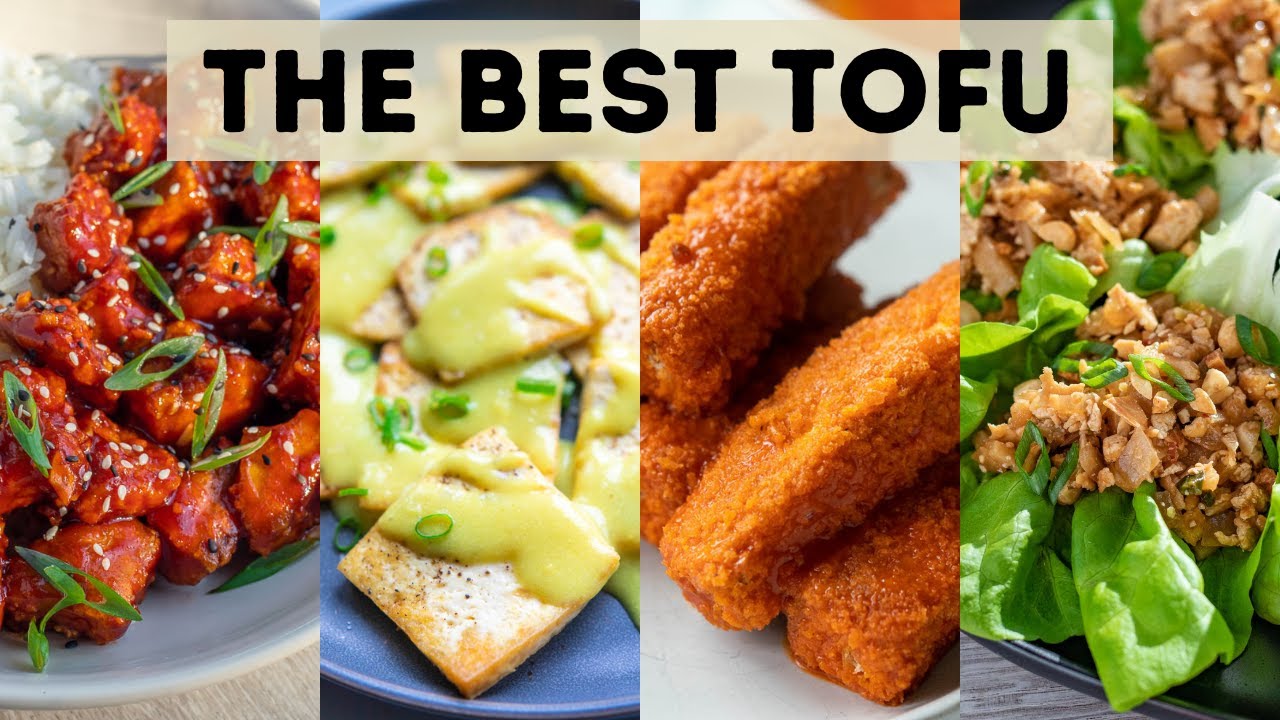
“Most people have had bad tofu. Spongy, waterlogged, falling apart in the pan, absorbing nothing, tasting like damp cardboard wrapped in disappointment. This is not a tofu problem. It is a technique problem. Tofu is almost entirely water — roughly 85% by weight — and that water has to leave before anything interesting can happen to it. Once you solve the moisture problem, every other step clicks into place. The crisp is real. The crust holds. The center stays silky. Here's how to make it happen.”
Why This Recipe Works
Tofu is the most misunderstood ingredient in the Western kitchen. It is not a meat substitute. It is not inherently bland. It is not the consolation prize you eat when you can't have the real thing. Tofu is a precision ingredient — a neutral, high-protein canvas that responds exactly and honestly to technique. Treat it correctly, and it delivers a crisp exterior and silky center that has no equivalent in the animal kingdom. Treat it carelessly, and you get the gray, spongy rectangle that haunts people's memories of bad vegetarian food for decades.
The Moisture Problem Is the Only Problem
Extra-firm tofu is approximately 85% water by weight. That single fact explains every tofu failure you've ever had. You cannot caramelize water. You cannot brown water. You cannot build a crust on a surface that is continuously releasing steam. Before any heat touches this ingredient, the water has to come out — and it has to come out properly, not just a little bit.
Thirty minutes of pressing under a heavy-bottomed pot or dedicated tofu press removes enough surface and interior moisture to make meaningful browning possible. Sixty minutes removes enough to make the result genuinely impressive. The paper towels will be saturated when you're done. That moisture was standing between you and a good dinner. Every gram of it that leaves the block is a gram that can't steam your crust away in the pan.
The freezing method takes this further. When tofu freezes, the water inside forms ice crystals that physically puncture the cell walls of the soy protein matrix. When it thaws, those ruptured cells collapse and drain dramatically more liquid than pressing alone can achieve. The resulting texture is spongier, more porous, and far more receptive to marinades — and the surface, when seared, forms a crust that shatters rather than flexes. If you plan ahead and freeze your tofu overnight before pressing, you will not recognize the results compared to what you've made before.
The Heat Architecture
A cast iron skillet is not optional here — it is the infrastructure of the entire technique. Cast iron has the highest heat capacity of any common cookware, which means it loses almost no temperature when cold tofu cubes land on its surface. A thin nonstick pan drops 50-60 degrees the moment you add food, causing the tofu to steam in a puddle of temperature-shocked oil rather than sear on contact. Cast iron barely flinches. The cubes hit, hiss, and immediately begin forming a crust.
Preheat for a full three minutes. Not two. Not until you see the first wisp of smoke. Three minutes of sustained medium-high heat builds a thermal reserve in the iron that sustains the sear through the full cooking cycle. The test: a single drop of water should evaporate within one second on contact. If it skitters across the surface in a Leidenfrost bubble, the pan is actually too hot — pull back to medium. If it pools and sizzles lazily, give it another 90 seconds.
The Cornstarch Shell
Cornstarch is not a thickener here. It is a structural material. When applied to the dry surface of pressed tofu and hit with high heat, the starch granules undergo rapid gelatinization followed by dehydration — the same chain reaction that makes the exterior of Korean fried chicken so dramatically crisp. The result is a thin, glass-like shell that holds its structure even after the tofu is tossed in a hot, sticky sauce. Flour does not do this. Flour creates a thick, absorptive crust that turns soft the moment it encounters moisture. Cornstarch stays crisp because its gelatinized shell is chemically resistant to rehydration at serving temperatures.
Apply the cornstarch to dry tofu. If the surface is at all wet from the marinade, the starch will absorb the liquid, swell, and form a paste that burns unevenly and sticks to the pan. Spread the marinated cubes on a rack for five minutes if needed. Patience during prep is leverage during cooking.
The Release Signal
The most common mistake after the pan is preheated is moving the tofu too soon. New cooks interpret the initial sticking as a sign that something is wrong. It is a sign that something is working correctly. The tofu sticks because the proteins on its cut surface are bonding to the hot metal as they denature. As the crust fully forms and the protein bonds complete, the tofu will physically release from the pan on its own — cleanly, without tearing. If it resists when you try to flip, it is not done. Wait thirty more seconds. Try again. The tofu will tell you when it's ready, and it is always honest.
This recipe produces tofu that can anchor a full dinner bowl, stand in for protein in any stir-fry, or be eaten straight off the wire rack. The technique scales, adapts, and travels. Learn it once, and bad tofu is no longer a category that exists for you.
Where Beginners Mess This Up
Before we start, read this. These are the 4 reasons your crispy pan-fried tofu (the texture you've been missing) will fail:
- 1
Not pressing the tofu long enough: A 5-minute press does almost nothing. You need a minimum of 30 minutes under significant weight to drive enough moisture out for surface browning to occur. Wet tofu steams in the pan instead of searing — it turns gray and soft rather than golden and crisp. Press for 30 minutes minimum. An hour is better.
- 2
Using the wrong tofu type: Silken and soft tofu are not designed for pan-frying. They disintegrate on contact with high heat. You need extra-firm tofu — specifically the water-packed vacuum-sealed blocks, not the shelf-stable aseptic kind, which has a different texture profile that doesn't sear as cleanly.
- 3
Crowding the pan: Every cube of tofu releases residual steam when it hits the hot pan. If the cubes are touching, that steam has nowhere to go — it pools between pieces and keeps the surface wet. Work in batches with space between each piece. A pan that looks too empty is exactly right.
- 4
Moving the tofu too early: The crust forms through sustained contact with the hot surface. Shaking, stirring, or flipping tofu before the crust has set tears the surface and leaves half the exterior stuck to the pan. The tofu will release naturally when it's ready — if it resists, it's not done yet. Wait.
The Video Reference Library
Want to see it in action? Here are the exact videos we analyzed and combined to build this foolproof recipe translation:
The source video that informed this method. Clear demonstration of the pressing step, heat management, and the exact moment to flip. Watch specifically for the color cue at the 3-minute mark — that's the target before any flip.
Covers the marinade-to-sear pipeline in detail. Good close-up footage of the cornstarch coating technique and how it behaves differently from flour at high heat.
Side-by-side comparison of pressed vs. unpressed tofu searing results. Convincing visual case for why the press step is non-negotiable. Also covers freezing tofu as an alternative moisture-removal technique.
🛠️ Core Equipment
- Cast iron skillet or heavy stainless steel panEven, sustained heat is essential for developing a crust across the entire surface of each cube simultaneously. A thin nonstick pan loses too much heat when you add the tofu, causing the exterior to steam before it sears. Cast iron retains its temperature under load.
- Heavy-bottomed pot or cast iron pressFor pressing the tofu. You need significant, even weight distributed across the entire surface. A stack of canned goods on top of a cutting board works. A dedicated tofu press is ideal if you cook tofu regularly — it provides consistent pressure without improvisation.
- Wire rack set over a sheet panAfter searing, resting tofu on a wire rack keeps the crust crisp from all sides. Setting it directly on a plate traps steam underneath the bottom surface and softens everything you just worked for.
- Sharp chef's knifeClean cuts matter. A dull blade compresses and tears tofu rather than slicing through it cleanly, which damages the cell structure at the cut surface and leads to uneven browning. Sharp knife, decisive cuts, no sawing.
Crispy Pan-Fried Tofu (The Texture You've Been Missing)
🛒 Ingredients
- ✦2 blocks (14 oz each) extra-firm tofu, water-packed
- ✦3 tablespoons low-sodium soy sauce
- ✦1 tablespoon toasted sesame oil
- ✦1 tablespoon rice vinegar
- ✦2 teaspoons fresh ginger, finely grated
- ✦3 cloves garlic, minced
- ✦1 tablespoon maple syrup or honey
- ✦1 teaspoon chili garlic sauce or sriracha
- ✦3 tablespoons cornstarch
- ✦1/2 teaspoon fine sea salt
- ✦1/4 teaspoon white pepper
- ✦3 tablespoons neutral oil (avocado or grapeseed), divided
- ✦2 scallions, thinly sliced (for serving)
- ✦1 teaspoon toasted sesame seeds (for serving)
👨🍳 Instructions
01Step 1
Remove the tofu blocks from their packaging and drain any liquid. Wrap each block tightly in three layers of paper towels or a clean kitchen towel.
02Step 2
Place the wrapped tofu on a flat surface. Set a cutting board on top, then stack several heavy canned goods or a heavy pot on top of the board. Press for at least 30 minutes — 60 minutes produces noticeably better results.
03Step 3
While the tofu presses, whisk together the soy sauce, sesame oil, rice vinegar, grated ginger, minced garlic, maple syrup, and chili garlic sauce in a small bowl. Set aside.
04Step 4
Once pressed, unwrap the tofu and cut each block into 1-inch cubes. Aim for uniform size — inconsistent cuts mean some pieces will be done while others are still raw at the center.
05Step 5
Add the tofu cubes to a large bowl. Pour half the marinade over the tofu and toss gently to coat. Let sit for 10 minutes at room temperature. Do not marinate longer — excessive marinating re-introduces moisture that undoes the pressing work.
06Step 6
Sprinkle the cornstarch, sea salt, and white pepper over the marinated tofu. Toss until each cube has a thin, even coating. The surface should look dry and slightly chalky.
07Step 7
Heat a [cast iron skillet](/kitchen-gear/review/cast-iron-skillet) over medium-high heat for 3 full minutes until thoroughly hot. Add 1.5 tablespoons of neutral oil and swirl to coat. The oil should shimmer immediately.
08Step 8
Add half the tofu cubes in a single layer with space between each piece. Do not touch them for 3-4 minutes. They will stick initially and release naturally once the crust sets.
09Step 9
Once the bottom face is deep golden brown, flip each cube using tongs and sear the remaining sides, 2 minutes per side, until the entire surface is uniformly golden and crisp. Transfer to a wire rack.
10Step 10
Repeat with remaining oil and tofu cubes.
11Step 11
Return all seared tofu to the pan over medium heat. Pour the remaining marinade over the top and toss quickly for 60-90 seconds until the sauce caramelizes and coats each piece in a glossy lacquer.
12Step 12
Transfer to a wire rack or serving plate. Top with sliced scallions and toasted sesame seeds. Serve immediately.
Nutrition Per Serving
Estimates based on standard preparation. Adjustments alter macros.
🔄 Substitutions
Instead of Extra-firm tofu...
Use Super-firm or high-protein tofu
Pre-pressed and sold in vacuum-sealed packages with almost no liquid. Skips the pressing step entirely. Excellent option if you're short on time. Slightly denser texture with a more rubbery bite, but it crisps beautifully.
Instead of Soy sauce...
Use Tamari or coconut aminos
Tamari is gluten-free and nearly identical in flavor. Coconut aminos are sweeter and less salty — reduce maple syrup by half if using. Both work well in the marinade without changing technique.
Instead of Cornstarch...
Use Arrowroot powder or potato starch
Arrowroot behaves almost identically to cornstarch at high heat. Potato starch produces an even crispier result — used extensively in Japanese karaage for this reason. Avoid rice flour, which doesn't crisp as effectively in a pan.
Instead of Neutral oil...
Use Refined coconut oil
High smoke point and neutral flavor in its refined form. Adds a very subtle richness to the crust. Do not use unrefined coconut oil — its smoke point is too low for the heat this recipe requires.
🧊 Storage & Reheating
In the Fridge
Store in an airtight container for up to 4 days. Keep the tofu separate from any sauce if possible — sauce stored on the tofu continuously softens the crust. Re-crisp in a dry pan before serving.
In the Freezer
Freeze seared, unsauced tofu cubes on a parchment-lined sheet pan until solid, then transfer to a freezer bag. Keeps for up to 2 months. Re-crisp from frozen in a 400°F oven for 12-15 minutes.
Reheating Rules
Dry pan over medium heat, 2-3 minutes per side, until the crust firms back up. Avoid the microwave — it turns the exterior soft and gummy within seconds.
❓ Frequently Asked Questions
Why is my tofu not getting crispy?
Three probable causes, in order of likelihood: the tofu wasn't pressed long enough and is still holding too much moisture; the pan wasn't hot enough when you added the tofu; or the cubes were crowded and steamed each other. Address the pressing step first — it fixes the majority of crispy-tofu failures.
Do I have to use cornstarch?
No, but your crust will be softer without it. Cornstarch forms a thin, glass-like shell at high heat that maintains its structure even after saucing. Plain pressed tofu without cornstarch will still brown, but the exterior will be chewier and less defined.
Can I bake the tofu instead of pan-frying?
Yes. Spread the pressed, cornstarch-coated cubes on a parchment-lined sheet pan, spray lightly with oil, and bake at 425°F for 25-30 minutes, flipping once halfway. The result is slightly less crispy than pan-fried but requires less attention and produces less mess.
What's the best tofu for stir-fries versus eating plain?
For stir-fries where the tofu gets tossed with other ingredients and sauces, extra-firm works perfectly. For eating as a standalone protein where texture is the entire point, super-firm or high-protein tofu gives you a more satisfying, meatier bite with less risk of breaking apart during cooking.
Can I air fry this tofu?
Yes, and it works extremely well. Press and coat as directed, then air fry at 400°F for 15-18 minutes, shaking the basket halfway through. The circulating heat dehydrates the surface more aggressively than a pan, producing a crispier exterior with less oil. Add the sauce glaze in the last 2-3 minutes.
Why does my tofu fall apart in the pan?
You're either using tofu that's too soft for pan-frying (firm or medium instead of extra-firm), moving the tofu too soon before the crust has set, or cutting the pieces too small. Under 3/4-inch cubes are fragile. Stay at 1 inch or larger, and don't touch the tofu until it releases from the pan on its own.

The Science of
Crispy Pan-Fried Tofu (The Texture You've Been Missing)
We turned everything on this page into a beautiful, flour-proof PDF cheat sheet. Print it out, stick it to your fridge, and never mess up your crispy pan-fried tofu (the texture you've been missing) again.
*We'll email you the high-res PDF instantly. No spam, just perfectly cooked meals.
AlmostChefs Editorial Team
We translate the internet's most popular cooking videos into foolproof, beginner-friendly written recipes. We analyze multiple methods, test them in our kitchen, and engineer a single "Master Recipe" that gives you the best possible result with the least possible stress.