No-Bake Matcha Tiramisu Box (The Fusion Dessert That Outperforms Both Originals)
A Japanese-Italian fusion dessert layering matcha-soaked ladyfingers with silky mascarpone cream in individual serving boxes. We broke down why this format beats a traditional tiramisu pan every time — better soaking control, cleaner portions, and a matcha intensity you can actually tune to your preference.
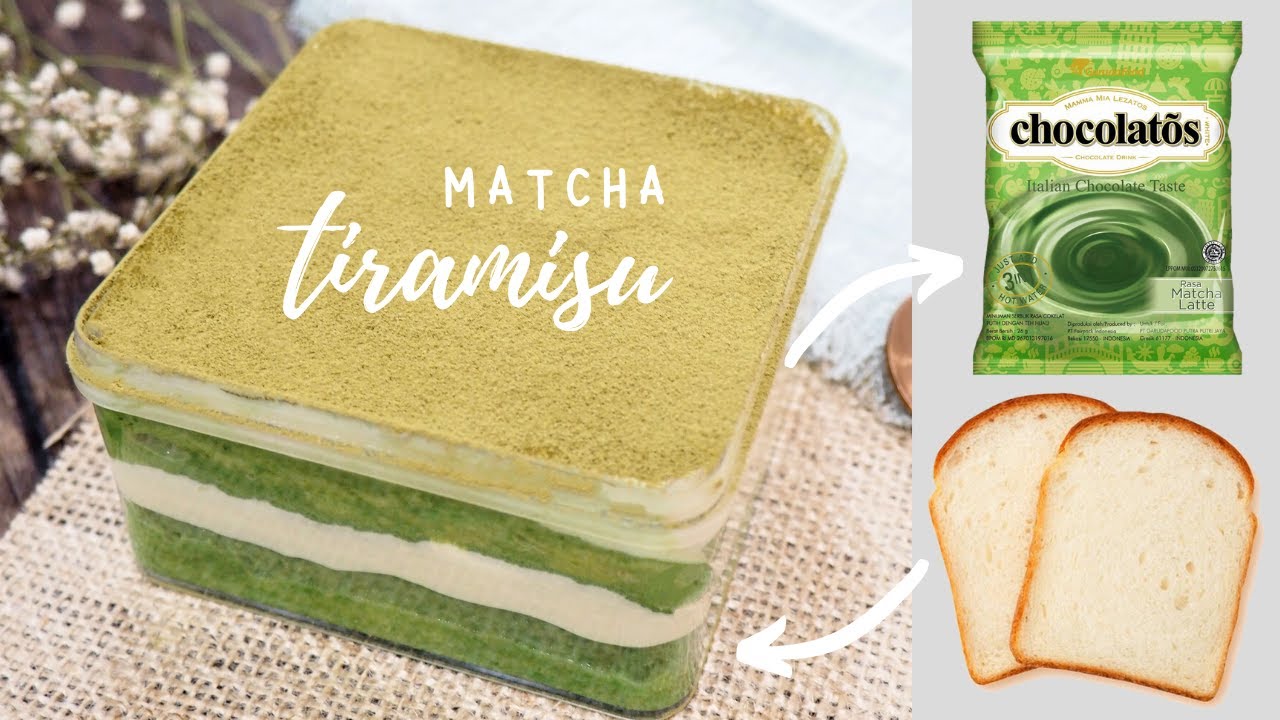
“Matcha tiramisu sounds like a trend, but the flavor logic is airtight. Matcha's grassy bitterness cuts through mascarpone's fat the same way espresso does — maybe better, because it also adds a floral, umami dimension that coffee can't touch. The box format is not a gimmick. Individual portions mean controlled soaking, consistent layering, and zero of the messy slab-cutting that turns a beautiful tiramisu into a structural disaster at the table. This is the version worth making.”
Why This Recipe Works
Tiramisu has exactly one job: deliver fat, sugar, and caffeine in a format so pleasurable that the person eating it briefly forgets every other concern. The Italian original uses espresso. This version uses matcha. That substitution is not a compromise — it is an upgrade, and understanding why requires thinking about what both liquids actually contribute to the architecture of the dessert.
The Matcha Argument
Espresso brings bitterness, caffeine, and a roasted carbon-forward flavor that cuts through mascarpone's fat and keeps each bite from becoming cloying. Matcha does exactly the same thing — but it also adds a grassy, umami-forward dimension that espresso lacks, plus a vivid green color that signals flavor complexity before the fork even touches the plate. The tannins in high-quality matcha interact with the cream's dairy proteins in a way that creates a slightly astringent finish, which acts as a palate cleanser between bites. This is why a good matcha tiramisu feels lighter than its Italian counterpart even when the caloric content is nearly identical.
The grade of matcha you use here is not a preference, it is the recipe. Ceremonial-grade matcha is made from the youngest, most shade-grown tea leaves, ground slowly on stone mills to a particle size fine enough that it stays suspended in liquid rather than sinking. Culinary-grade matcha from commodity producers is made from older leaves with higher fiber content, which produces a coarser powder that turns grainy in cream and bitter in the mouth. The price difference between bad matcha and good matcha is a few dollars per batch. The flavor difference is a dessert you are proud of versus one you make excuses for.
Individual Boxes Over Pans
The traditional tiramisu is assembled in a rectangular baking dish and served by cutting squares — a method that works aesthetically when the dessert is cold and structurally intact, and fails catastrophically the moment anyone uses a spatula on a second slice. The box format solves every problem simultaneously. Each portion is assembled individually, which means the soaking liquid is evenly distributed across every single ladyfinger rather than concentrating at the edges of a large pan. The cream layers stay visually distinct because there is no cutting stress applied to them. And presentation is effortless — lift the lid, dust with matcha, hand it to the person directly.
The individual box also gives you control over soaking intensity. In a large pan, the ladyfingers in the center absorb more liquid over the chilling period than those at the edges, because the cream above them creates a slightly different moisture gradient. In a small box, the geometry is consistent. Every ladyfinger in the dessert has roughly the same relationship to the cream layers above and below, which means every bite tastes the same as the last.
Building the Cream
The mascarpone-heavy cream mixture is a cold emulsion, and cold emulsions obey strict physics. Both components must be cold before they meet — not cool, cold. Mascarpone that has sat at room temperature for more than fifteen minutes begins to loosen and loses its ability to support the whipped cream structure. Heavy cream that is above 45°F whips poorly, produces unstable peaks, and starts weeping liquid within minutes of being piped. A chilled stand mixer bowl is worth the thirty seconds it takes to put it in the freezer before you start.
The fold-in of matcha at the end of cream preparation is intentional. Beating matcha into already-whipped cream deflates the air bubbles you spent two minutes building and produces a flat, dense cream. Folding — eight to ten deliberate strokes with a wide rubber spatula, stopping before full homogeneity — preserves the volume and creates a marbled green-and-white effect inside each box that looks intentional when cut. This is the kind of detail that separates a dessert that looks handmade from one that looks professionally assembled.
The Chill Window
Four hours is a minimum, not a target. The chemistry of this dessert peaks at sixteen to twenty-four hours, when the matcha soak has migrated halfway into the cream layer and the cream has deposited its fat and vanilla flavor back into the ladyfingers. The two layers stop being two things sitting next to each other and become one integrated flavor system. Every hour of refrigeration below four hours represents an incomplete dessert. Every hour between four and twenty-four represents genuine improvement. Plan accordingly.
Where Beginners Mess This Up
Before we start, read this. These are the 4 reasons your no-bake matcha tiramisu box (the fusion dessert that outperforms both originals) will fail:
- 1
Soaking the ladyfingers too long: Ladyfingers are porous sponge cookies engineered to absorb liquid quickly. Three seconds per side in the matcha soak is the ceiling. Go longer and they disintegrate under the weight of the mascarpone layer, turning your dessert box into a green swamp. The goal is a moist interior with enough structural integrity to hold a distinct layer.
- 2
Undermixing or overmixing the mascarpone cream: Undermixed cream is grainy and loose — it slides off the ladyfingers and pools at the bottom. Overmixed cream turns into sweetened butter. You want stiff, smooth peaks that hold their shape when piped but still melt the moment they hit your tongue. Cold cream and cold mascarpone are non-negotiable for stable emulsification.
- 3
Using low-grade matcha powder: Culinary-grade matcha tastes like lawn clippings. It is bitter without the complexity, dull green instead of vivid, and it leaves a chalky aftertaste that no amount of sugar corrects. Ceremonial-grade or high-quality culinary-grade matcha is the single most important ingredient in this recipe — everything else is infrastructure.
- 4
Skipping the minimum chill time: Four hours is the floor, overnight is the target. The chill time is when the matcha soak migrates from the ladyfingers into the mascarpone layer and vice versa, creating the flavor gradient that makes each bite interesting. Pulling the boxes at two hours produces a dessert that tastes like two separate things sitting next to each other rather than one coherent creation.
The Video Reference Library
Want to see it in action? Here are the exact videos we analyzed and combined to build this foolproof recipe translation:
The source recipe that inspired this version. Pay close attention to the soaking technique and how quickly the ladyfingers are pulled from the matcha liquid. The mascarpone piping method shown produces clean, even layers without deflating the cream.
Understanding traditional tiramisu structure helps you appreciate where this matcha version diverges. The layering ratios and cream consistency principles apply directly, even though the flavor profile is completely different.
A breakdown of matcha grades, sourcing, and what to look for when buying. Directly applicable to this recipe — using the wrong grade is the fastest way to make this dessert taste like a mistake.
🛠️ Core Equipment
- Individual dessert boxes or small rectangular containersThe box format controls soaking uniformity and makes portioning effortless. 4-inch square takeout containers or food-safe acetate dessert boxes both work. The container depth should accommodate two distinct layers — aim for at least 2.5 inches.
- Stand mixer or hand mixerManual whisking cannot achieve the aeration needed for a stable mascarpone cream. A mixer gives you consistent control over peak development and prevents the temperature creep that causes hand-whipped cream to collapse.
- Fine-mesh sieveFor dusting matcha powder over the final layer without clumping. Clumped matcha creates bitter pockets. A clean, even dusting through a sieve produces a uniform, professional finish.
- Shallow wide bowl for soakingLadyfingers need to lie flat during the soak. A tall narrow bowl forces you to submerge them at an angle, creating uneven absorption. A wide, shallow bowl gives you consistent coverage in a single horizontal dip.
No-Bake Matcha Tiramisu Box (The Fusion Dessert That Outperforms Both Originals)
🛒 Ingredients
- ✦20 ladyfinger cookies (savoiardi)
- ✦2 cups mascarpone cheese, cold
- ✦1.5 cups heavy whipping cream, cold
- ✦1/2 cup powdered sugar, sifted
- ✦1 teaspoon pure vanilla extract
- ✦3 tablespoons ceremonial-grade matcha powder, divided
- ✦1 cup hot water (175°F, not boiling)
- ✦2 tablespoons granulated sugar (for matcha soak)
- ✦1 tablespoon honey
- ✦Pinch of fine sea salt
- ✦Extra matcha powder for dusting
👨🍳 Instructions
01Step 1
Whisk 2 tablespoons of matcha powder into 1 cup of hot water (175°F) until fully dissolved with no clumps. Add the granulated sugar and honey, stir to combine, and let cool to room temperature.
02Step 2
In a large chilled bowl, beat the cold mascarpone with the powdered sugar, vanilla extract, and a pinch of sea salt on medium speed for 90 seconds until smooth and slightly lighter.
03Step 3
Add the cold heavy cream to the mascarpone mixture and beat on medium-high speed until stiff peaks form, about 2-3 minutes. Watch carefully — the transition from soft to stiff peaks happens quickly and overmixing starts the same second.
04Step 4
Fold in the remaining 1 tablespoon of matcha powder with a rubber spatula using 8-10 deliberate strokes. Stop when the powder is just incorporated — light green streaks are acceptable and create a marbled effect.
05Step 5
Pour the cooled matcha soak into a shallow wide bowl. Working one at a time, dip each ladyfinger into the soak for 2-3 seconds per side — no longer. The cookie should be damp but still hold its shape.
06Step 6
Arrange a single layer of soaked ladyfingers in the bottom of each dessert box, breaking cookies to fit if needed. Every corner of the box floor should be covered with no gaps.
07Step 7
Pipe or spoon a generous layer of matcha mascarpone cream over the ladyfingers, spreading to the edges with an offset spatula or the back of a spoon. Aim for equal depth in all four boxes.
08Step 8
Repeat with a second layer of soaked ladyfingers, then a second and final layer of mascarpone cream, bringing it flush with the top of the box.
09Step 9
Cover each box with a lid or plastic wrap pressed directly against the cream surface to prevent a skin from forming. Refrigerate for a minimum of 4 hours, preferably overnight.
10Step 10
Just before serving, remove the covers and dust the top of each box generously with matcha powder through a fine-mesh sieve. Serve directly in the box, or carefully unmold onto a plate.
Nutrition Per Serving
Estimates based on standard preparation. Adjustments alter macros.
🔄 Substitutions
Instead of Mascarpone cheese...
Use Cream cheese blended with heavy cream (2:1 ratio)
Slightly tangier and denser than mascarpone. Blend until completely smooth before whipping with cream. A reasonable substitute but the luxurious mouthfeel of true mascarpone is hard to replicate.
Instead of Ladyfinger cookies...
Use Thin sponge cake cut into strips
Homemade sponge absorbs liquid more aggressively than commercial ladyfingers, so reduce your soak time to 1-2 seconds per side. Adds a fresher flavor but loses the slight cookie crunch in the first bite.
Instead of Heavy whipping cream...
Use Full-fat coconut cream, refrigerated overnight
Dairy-free option. The coconut flavor is subtle when combined with strong matcha but present. Works best with a small addition of cream of tartar to stabilize the peaks.
Instead of Ceremonial matcha...
Use High-quality culinary matcha (Ippodo, Aiya, or equivalent)
Culinary grade from reputable Japanese producers is acceptable if ceremonial is unavailable or cost-prohibitive. Avoid supermarket brands — the flavor difference is dramatic and will define the entire dessert.
🧊 Storage & Reheating
In the Fridge
Store covered in the dessert boxes for up to 3 days. The flavor actually peaks at the 24-hour mark when the layers have fully integrated.
In the Freezer
Freeze assembled boxes (without the final matcha dusting) for up to 6 weeks. Thaw overnight in the refrigerator and dust with fresh matcha just before serving.
Reheating Rules
This dessert is served cold — no reheating required or recommended. Bring directly from refrigerator to table.
❓ Frequently Asked Questions
Can I make this without individual boxes?
Yes — use a standard 8x8 inch baking dish for the same recipe. The flavor is identical but you lose the portion control that makes the box format special. Unmolding individual servings from a large pan produces uneven slices that collapse at the edges.
Why does my mascarpone cream have lumps?
Lumps almost always mean the mascarpone was too cold and seized when mixed, or that it was warm and broke when the cream was added. The fix is to let mascarpone sit at room temperature for 10 minutes before mixing — not long enough to warm the cream, just enough to take the edge off the chill so it emulsifies smoothly.
My dessert looks watery after chilling. What went wrong?
Weeping cream is a sign of under-whipped cream or over-soaked ladyfingers releasing excess moisture upward. Next time, whip cream to firm stiff peaks (not soft), and keep your soak time to 2-3 seconds maximum. There is no fix for a watery finished dessert — prevention is the only cure.
Can I add espresso to the matcha soak for a coffee-matcha hybrid?
You can, but the flavors compete more than they collaborate. If you want to experiment, use 1 part cooled espresso to 3 parts matcha soak. More espresso than that overwhelms the matcha entirely and you're just making regular tiramisu with green cream.
Is this recipe safe for people who avoid raw eggs?
Yes. This version contains no eggs at all — the cream is purely mascarpone and heavy cream, whipped for stability. This is a deliberate departure from traditional tiramisu (which uses egg yolks in the cream) and makes this version suitable for pregnant individuals, young children, and anyone avoiding raw egg.
How far in advance can I make these for a party?
Assemble up to 24 hours in advance and refrigerate covered. Add the matcha dusting no earlier than 30 minutes before serving. The 16-24 hour window actually produces the best flavor — long enough for full integration, short enough that the ladyfingers haven't gone fully soft.

The Science of
No-Bake Matcha Tiramisu Box (The Fusion Dessert That Outperforms Both Originals)
We turned everything on this page into a beautiful, flour-proof PDF cheat sheet. Print it out, stick it to your fridge, and never mess up your no-bake matcha tiramisu box (the fusion dessert that outperforms both originals) again.
*We'll email you the high-res PDF instantly. No spam, just perfectly cooked meals.
AlmostChefs Editorial Team
We translate the internet's most popular cooking videos into foolproof, beginner-friendly written recipes. We analyze multiple methods, test them in our kitchen, and engineer a single "Master Recipe" that gives you the best possible result with the least possible stress.