Better-Than-Takeout Tikka Masala (45-Minute Weeknight Curry)
Tender yogurt-marinated chicken in a rich, creamy tomato-coconut sauce loaded with aromatic spices. We reverse-engineered the restaurant version using Greek yogurt instead of heavy cream — same velvety texture, 30% fewer calories, and on the table in under an hour.
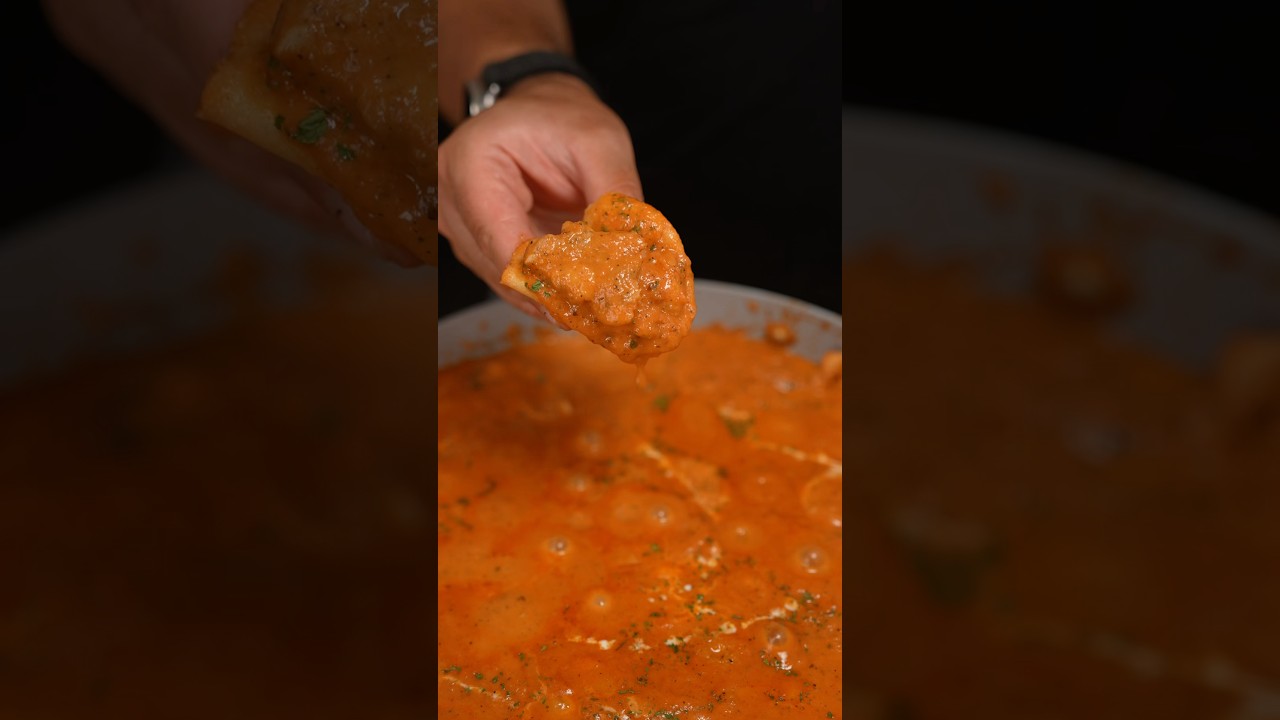
“Every tikka masala recipe tells you it's easy. Most of them are lying about the timeline or lying about the results. This one delivers the real thing — burnished chicken in a sauce that tastes like it simmered all day — in 50 minutes, on a weeknight, in a single pan. The secret is not the spice blend. It's the marinade contact time and the order you build the sauce.”
Why This Recipe Works
Tikka masala is one of those dishes that everyone assumes requires either hours of work or a lifetime of inherited kitchen knowledge. Neither is true. What it requires is understanding four moments in the cooking process where the outcome is decided — and making sure you don't blow past any of them.
Moment One: The Marinade
The yogurt marinade is not a seasoning step. It is a structural transformation. Greek yogurt contains lactic acid, which denatures the surface proteins of the chicken — essentially pre-cooking the outermost layer at a molecular level before heat enters the picture. The result is chicken that stays tender through the sear and the subsequent sauce simmer, rather than tightening into a dry, rubbery cube the way unseasoned breast meat does.
Thirty minutes is the floor. Two hours is the sweet spot. Beyond eight hours, the acid tips from tenderizing into degrading, and the meat takes on a slightly mealy texture. Set a timer and pull the chicken when it's ready.
Moment Two: The Sear
Every piece of chicken must get genuine color on two sides before it enters the sauce. This is not cosmetic. The Maillard reaction — the same chemistry behind seared steak, toasted bread, and roasted coffee — creates hundreds of new flavor compounds on the surface of the meat that do not exist in raw or steamed protein. Those compounds dissolve into the sauce during the simmer and contribute the savory backbone that makes the dish taste like something.
The enemy of a good sear is crowding. Pack too many pieces into the pan and the moisture they release lowers the pan temperature below the Maillard threshold. The chicken steams gray instead of searing golden. Work in batches with a heavy-bottomed skillet that holds heat well, and give each piece undisturbed contact time.
Moment Three: The Tomato Paste
One minute. That is all this step takes, and skipping it is the single fastest way to make your tikka masala taste like it came from a can rather than a kitchen. Raw tomato paste is sharp, acidic, and one-dimensional. Cooked in hot oil for sixty seconds, it undergoes its own version of the Maillard reaction — the concentrated sugars caramelize and the acidity mellows into something rich and almost jammy. Push the aromatics aside, get the paste in direct contact with the pan surface, and stir continuously until it darkens by one shade and smells sweet-savory rather than metallic.
Moment Four: Finishing Off Heat
Greek yogurt is an excellent cream substitute until you treat it like cream. Heavy cream tolerates being stirred into a simmering sauce. Yogurt does not — the proteins break at sustained high heat and the sauce separates into an unappetizing grainy liquid. The fix is simple: pull the pan off the burner, let it rest for thirty seconds, then add the yogurt and lemon juice while the sauce is still hot but no longer actively cooking. Stir gently and the yogurt emulsifies smoothly into the sauce without a trace of curdling.
The Sauce Architecture
The sauce builds in layers: onion foundation → garlic and ginger → caramelized tomato paste → tomato and coconut liquid → spice bloom → chicken return → reduction. Each layer has to be properly established before the next goes in. Rush the onions and you get sharp, raw allium flavor that never cooks out. Skip the paste cook and you get flat sauce. Add the spices with no liquid and they scorch. Follow the sequence and the layers reinforce each other into something that tastes like it was tended for hours.
Light coconut milk does the job here without the heaviness of full-fat. The natural fat content is still sufficient to carry the fat-soluble spice compounds — turmeric, cumin, garam masala — through the entire sauce, which is the whole point of cooking spices in fat in the first place. What you lose in richness you gain in balance: the sauce stays bright and spice-forward rather than turning thick and cloying.
This is a one-pan meal in the truest sense — the chicken fond, the onion fond, and the sauce all build in the same vessel, each stage enriching the next. Clean as you go, taste at the end, and serve over rice that's been cooked in salted water with a bay leaf in it. Small details. Outsized results.
Where Beginners Mess This Up
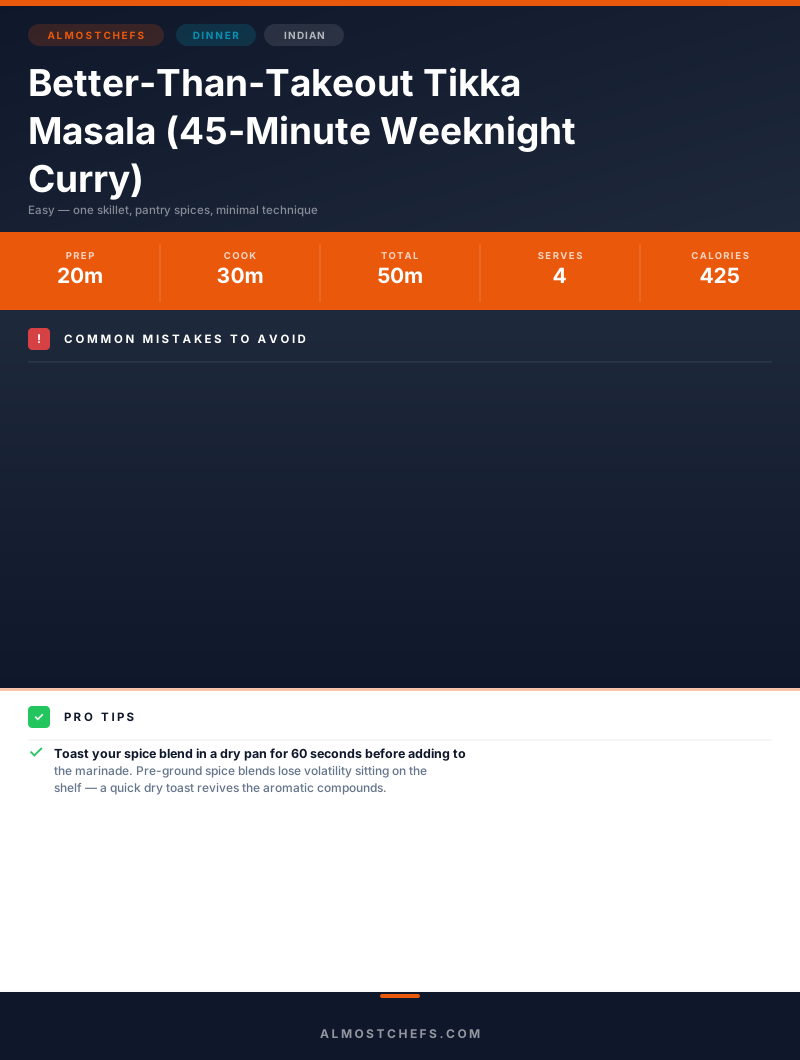
Before we start, read this. These are the 4 reasons your better-than-takeout tikka masala (45-minute weeknight curry) will fail:
- 1
Crowding the pan when searing the chicken: If the chicken pieces touch each other in the skillet, they steam instead of sear. Steamed chicken is gray and rubbery. Seared chicken is golden, textured, and picks up fond that flavors the entire sauce. Work in batches — it adds five minutes and makes a genuine difference.
- 2
Skipping the tomato paste cook: One minute of cooking the tomato paste directly in the hot oil before adding liquid is not optional. Raw tomato paste tastes sharp and metallic. Cooked for 60 seconds in fat, it deepens into something rich, almost caramel-savory. This single step is responsible for the sauce tasting restaurant-caliber versus homemade.
- 3
Adding the final yogurt over high heat: Greek yogurt will break and curdle if added to a hot sauce at a rolling simmer. Pull the pan off the heat, let it settle for 30 seconds, then stir the yogurt in gently. The residual heat incorporates it smoothly without separation.
- 4
Under-seasoning before serving: Curry sauces need a final taste-and-adjust moment. The acid from lemon juice, salt, and heat from cayenne interact differently once the yogurt is incorporated. Always taste at the end — not just mid-cook.
The Video Reference Library
Want to see it in action? Here are the exact videos we analyzed and combined to build this foolproof recipe translation:
The source video for this recipe's method. Shows the sear-in-batches technique and exactly how the sauce should look at each stage — particularly useful for judging when the onions are soft enough and when the sauce has reached proper consistency.
🛠️ Core Equipment
- Large heavy-bottomed skillet or sauté panA wide surface area lets you sear chicken in batches without steaming. Thin pans create hot spots that burn the onion fond before the sauce has time to build. A [12-inch stainless skillet](/kitchen-gear/review/stainless-skillet) or enameled cast iron is ideal.
- Splatter screenThe tomato-coconut sauce will bubble aggressively during the simmer. A [splatter screen](/kitchen-gear/review/splatter-screen) keeps your stovetop clean without trapping steam like a lid would, which lets the sauce reduce and thicken properly.
- Instant-read thermometerChicken is done at 165°F — not a degree less, not a minute more. Searing marinated chicken to golden brown does not guarantee doneness. A [reliable thermometer](/kitchen-gear/review/instant-read-thermometer) removes all guesswork from the sear phase.
- Microplane or fine graterFresh ginger grated on a Microplane dissolves into the sauce rather than leaving fibrous chunks. Pre-minced jarred ginger can work in a pinch but lacks the volatile oils that make ginger taste bright and alive.
Better-Than-Takeout Tikka Masala (45-Minute Weeknight Curry)
🛒 Ingredients
- ✦2 pounds boneless, skinless chicken breasts, cut into 1.5-inch cubes
- ✦1 cup plain Greek yogurt, divided
- ✦3 tablespoons tikka masala spice blend or garam masala, divided
- ✦3 tablespoons olive oil, divided
- ✦2 medium yellow onions, finely diced
- ✦4 cloves garlic, minced
- ✦1 tablespoon fresh ginger, grated
- ✦2 tablespoons tomato paste
- ✦1 can (14 ounces) diced tomatoes
- ✦1 can (13.5 ounces) light coconut milk
- ✦1/2 cup low-sodium vegetable broth
- ✦1 teaspoon turmeric powder
- ✦1 teaspoon ground cumin
- ✦1/2 teaspoon cayenne pepper, adjust to taste
- ✦1 teaspoon salt, or to taste
- ✦1/2 teaspoon black pepper
- ✦2 tablespoons fresh lemon juice
- ✦1/2 cup fresh cilantro, chopped
- ✦Cooked basmati rice for serving
👨🍳 Instructions
01Step 1
Combine 3/4 cup Greek yogurt with 2 tablespoons tikka masala spice blend and 1/4 teaspoon salt in a large bowl. Add chicken cubes and toss until evenly coated. Cover and refrigerate for at least 30 minutes, up to 4 hours.
02Step 2
Heat 2 tablespoons olive oil in a large skillet over medium-high heat until shimmering. Working in batches to avoid crowding, sear the chicken 4-5 minutes per side until golden brown and cooked through to 165°F internal temperature. Transfer to a plate and set aside.
03Step 3
Add the remaining 1 tablespoon olive oil to the same skillet and reduce heat to medium. Sauté diced onions for 5 minutes, stirring occasionally, until softened and translucent.
04Step 4
Add minced garlic and grated ginger. Cook for 1-2 minutes until fragrant.
05Step 5
Push the aromatics to the edges of the pan and add the tomato paste to the center. Cook the paste for 1 minute, stirring continuously, until it darkens slightly and smells caramelized. Then stir it into the onion mixture.
06Step 6
Pour in the diced tomatoes with their juices, light coconut milk, and vegetable broth. Stir to combine.
07Step 7
Add turmeric, ground cumin, cayenne, the remaining 1 tablespoon tikka masala spice blend, salt, and black pepper. Whisk until the sauce is uniform with no lumps.
08Step 8
Return the seared chicken to the skillet and bring the sauce to a gentle simmer over medium heat.
09Step 9
Reduce heat to medium-low and simmer uncovered for 12-15 minutes until the sauce thickens and the flavors meld. Stir occasionally.
10Step 10
Remove from heat. Let the pan rest for 30 seconds, then stir in the remaining 1/4 cup Greek yogurt and fresh lemon juice gently. Taste and adjust salt, pepper, and cayenne.
11Step 11
Serve over fluffy basmati rice, garnished generously with fresh cilantro.
Nutrition Per Serving
Estimates based on standard preparation. Adjustments alter macros.
🔄 Substitutions
Instead of Heavy cream...
Use Plain Greek yogurt
Used in this recipe. Tangier flavor, lighter texture, and adds probiotics. Must be added off-heat to prevent curdling.
Instead of Chicken breast...
Use Boneless chicken thighs
Thighs are more forgiving — they stay juicy even if slightly overcooked. Increase sear time by 1-2 minutes per side. Preferred by most restaurant kitchens for this dish.
Instead of Light coconut milk...
Use Full-fat coconut milk
Richer, thicker sauce. Adds approximately 80 calories per serving. If using full-fat, reduce the vegetable broth by 2 tablespoons to avoid a sauce that's too thin.
Instead of Chicken...
Use Extra-firm tofu or canned chickpeas
For tofu: press for 30 minutes, cube, and sear the same way as chicken. For chickpeas: drain one 15-ounce can, skip the marinade and sear steps, add directly with the tomatoes.
🧊 Storage & Reheating
In the Fridge
Store in an airtight container for up to 4 days. The sauce thickens considerably when cold — this is normal.
In the Freezer
Freeze in portions for up to 3 months. The Greek yogurt can slightly separate upon thawing but re-emulsifies when reheated gently with stirring.
Reheating Rules
Reheat in a saucepan over medium-low with a splash of broth or water to loosen the sauce. Stir frequently. Microwave works but tends to make the chicken rubbery — stovetop preferred.
❓ Frequently Asked Questions
Why did my Greek yogurt curdle in the sauce?
The pan was too hot when you added it. Greek yogurt breaks when it hits temperatures above a gentle simmer. Always remove the pan from heat, let it rest 30 seconds, then stir the yogurt in slowly. If it curdles, the sauce is still edible — blend it smooth with an immersion blender and serve without mentioning it.
Can I make this without marinating the chicken?
You can, but the texture of the finished chicken will be noticeably less tender and the flavor won't penetrate as deeply. If you're truly pressed for time, even 15 minutes is better than zero — the yogurt starts working fast.
My sauce is too thin. How do I fix it?
Simmer uncovered for an additional 5-10 minutes. The liquid reduces and the natural starches from the tomatoes and onions thicken the sauce without any added thickener. Avoid adding flour or cornstarch — they change the texture in ways that don't work well with this sauce.
Is tikka masala actually Indian?
The dish as we know it was almost certainly developed in Britain, likely by South Asian chefs adapting to local tastes in the 1970s. The spice base is rooted in North Indian tandoori cooking, but the creamy tomato sauce is a British invention. It is now officially the most popular dish in the UK and is made daily across India, where it has been fully adopted back.
Can I use store-bought tikka masala paste instead of dry spices?
Yes. Use 3-4 tablespoons of paste in place of the dry spice blend. Add it after the aromatics and cook it for 1-2 minutes before adding the liquids, same as the tomato paste. The flavor will be slightly more complex since most commercial pastes include fresh chili and fenugreek.
What's the difference between tikka masala and butter chicken?
Less than most people think. Butter chicken (murgh makhani) typically uses butter and heavy cream for a sweeter, richer sauce. Tikka masala uses more tomato and spice forward seasoning with a tangier profile. The marinades are nearly identical. In practice, the terms are often used interchangeably on restaurant menus, and no one will correct you.
The Science of
Better-Than-Takeout Tikka Masala (45-Minute Weeknight Curry)
We turned everything on this page into a beautiful, flour-proof PDF cheat sheet. Print it out, stick it to your fridge, and never mess up your better-than-takeout tikka masala (45-minute weeknight curry) again.
*We'll email you the high-res PDF instantly. No spam, just perfectly cooked meals.
AlmostChefs Editorial Team
We translate the internet's most popular cooking videos into foolproof, beginner-friendly written recipes. We analyze multiple methods, test them in our kitchen, and engineer a single "Master Recipe" that gives you the best possible result with the least possible stress.