Viral Tortilla Pizza (Faster, Crispier, Better Than Delivery)
A crispy-base stovetop pizza built on a whole wheat tortilla, loaded with melted mozzarella, seasoned ground turkey, fresh vegetables, and a balsamic finish. We broke down the technique behind the viral trend to give you a foolproof method that gets the char right every time — no oven required.

“Social media discovered what smart cooks already knew: a flour tortilla in a screaming-hot cast-iron pan becomes something that no frozen pizza can replicate. The base blisters and crisps while staying flexible enough to fold. The cheese melts through steam, not a broiler. The whole thing is done in under 20 minutes. The viral versions are mostly correct. This one fixes the parts they got wrong.”
Why This Recipe Works
Tortilla pizza went viral because it solved a real problem: the gap between wanting pizza and having 45 minutes to wait for delivery. But most of the viral versions rely on a good first-time result rather than understanding why it works — which is why the comment sections are full of people asking why theirs came out soggy.
The answer is almost always heat.
The Cast-Iron Principle
A wheat tortilla is thin enough that it can go from pale to burnt in under 90 seconds if the conditions are wrong. The goal is a specific kind of wrong-in-the-right-way: you want the bottom to develop golden-brown blisters and crisp at the edges while the interior stays flexible enough to hold toppings without cracking. That balance only happens in a pan with serious heat retention.
A 12-inch cast-iron skillet holds and distributes heat in a way that thin non-stick pans cannot. When you lay the tortilla onto a properly preheated cast iron, the entire surface contacts an even, sustained heat source — not a hot center and cool edges. The result is uniform browning from the first moment of contact, not progressive burning from the center out.
The two-minute preheat is not a suggestion. It's the architecture.
Why the Protein Cooks First
Conventional pizza relies on a hot oven to cook raw toppings from above while the crust bakes from below. The stovetop method doesn't work that way. The heat is directional — it comes up through the pan, not down from a broiler. Anything placed on top of the tortilla is essentially insulated from the heat source.
Ground turkey needs to be fully cooked before it goes on. This isn't a safety compromise — it's technique. Pre-cooked protein also releases less moisture during the final covered phase, which keeps the base from steaming into softness at the exact moment you want it holding its crunch.
The Steam-Melting Phase
Melting cheese on a stovetop without an oven broiler requires you to generate your own top-down heat. A tight-fitting lid traps the steam released by the vegetables and cheese itself, creating a micro-environment that mirrors the radiant heat of an oven ceiling. Three to four minutes covered at medium heat produces fully melted, bubbling mozzarella without burning the base.
This is also why moisture management matters throughout. Spinach releases significant liquid if it hits the pan with any remaining water from washing. Bell peppers continue releasing moisture during the covered phase. Every drop of excess liquid is a direct threat to the crispy base you built in the first two minutes. Cook the vegetables aggressively and completely before they go anywhere near the tortilla.
The Finishing Order
Balsamic and fresh tomatoes go on last, off-heat, for the same reason you don't roast a lemon garnish. They're acidic and bright — qualities that evaporate under sustained heat. The balsamic caramelizes into sweetness almost immediately in a hot pan, losing the sharpness that makes it interesting against the rich cheese. Fresh tomatoes collapse into mush. Both land on the finished pizza as counterpoints to the savory, fatty base, not as integrated cooked components.
Cut and serve immediately. The steam that built up under the lid to melt the cheese is now your enemy — it's migrating downward into the tortilla base. Every minute the pizza sits, the base softens. This is not a dish that holds.
Where Beginners Mess This Up
Before we start, read this. These are the 4 reasons your viral tortilla pizza (faster, crispier, better than delivery) will fail:
- 1
Starting with a cold pan: The entire tortilla pizza technique depends on aggressive initial heat. A lukewarm pan means the tortilla steams instead of crisps — you get pale, soft, floppy results. The pan needs to be hot enough that a drop of water sizzles and evaporates on contact before the tortilla goes in.
- 2
Adding toppings before the base sets: Piling toppings onto a tortilla that hasn't had its bottom crisped first transfers moisture directly into the base. The structural integrity disappears. Let the bottom develop golden spots before anything else touches the surface.
- 3
Using too much cheese: This isn't a Sicilian slice — the tortilla base can't support the weight of a heavy cheese layer. Over-loading mozzarella creates a soggy middle and prevents the crust from staying crisp through the steam-melting phase. A measured, even layer is the correct move.
- 4
Skipping the lid step: Melting cheese on a stovetop without covering the pan means the top dries out before the cheese fully melts. A lid traps steam from the toppings and creates an oven-like environment. Three minutes covered is worth more than ten uncovered.
The Video Reference Library
Want to see it in action? Here are the exact videos we analyzed and combined to build this foolproof recipe translation:
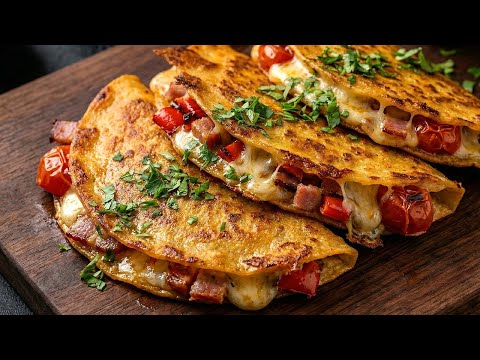
The source video that sparked the trend. Watch the pan temperature and the moment the base develops color before toppings are added — that timing is the key to the whole technique.
2. Stovetop Pizza Method Explained
Detailed breakdown of why cast iron performs better than non-stick for this application. Useful for understanding the heat science before your first attempt.
3. Tortilla Pizza Variations and Topping CombinationsCovers the full range of topping logic — which vegetables release too much moisture, which cheeses melt best, and why protein goes on before cheese every time.
🛠️ Core Equipment
- 12-inch cast-iron skillet ↗Retains and distributes heat evenly across the entire tortilla surface. A thinner non-stick pan creates hot spots that burn one edge while leaving the center soft. The cast iron is what makes the base properly crisp.
- Wide flat spatula ↗You need full contact under the tortilla to transfer it to a cutting board without the toppings sliding. A narrow spatula collapses the pizza mid-slide every time.
- Tight-fitting lid or aluminum foil ↗Traps steam during the cheese-melting phase. Without a cover, the mozzarella on top skins over before it fully melts, leaving uneven texture and cold pockets.
Viral Tortilla Pizza (Faster, Crispier, Better Than Delivery)
🛒 Ingredients
- ✦2 large whole wheat tortillas, 10-inch diameter
- ✦2 tablespoons extra virgin olive oil
- ✦1 cup shredded part-skim mozzarella cheese
- ✦4 ounces lean ground turkey or chicken breast
- ✦1 medium red bell pepper, thinly sliced
- ✦1 cup fresh spinach, roughly chopped
- ✦3 green onions, sliced into rings
- ✦4 cloves garlic, minced
- ✦1/2 teaspoon dried oregano
- ✦1/4 teaspoon red pepper flakes
- ✦1/4 teaspoon black pepper
- ✦1/2 teaspoon sea salt
- ✦2 tablespoons fresh basil, chopped
- ✦1 tablespoon balsamic vinegar
- ✦1/4 cup diced fresh tomatoes or cherry tomatoes
- ✦2 ounces low-fat ricotta cheese, optional
- ✦1 tablespoon grated Parmesan cheese
👨🍳 Instructions
01Step 1
Warm a large cast-iron skillet over medium-high heat for 2 minutes until a drop of water sizzles and evaporates on contact.
02Step 2
In a separate small skillet, brown the ground turkey over medium-high heat for 5-7 minutes, breaking it apart as it cooks until no pink remains. Season with half the salt and pepper. Set aside.
03Step 3
Add 1 tablespoon of olive oil to the hot cast-iron, then lay one tortilla flat in the pan. Toast for 2-3 minutes until the bottom develops light golden spots and crisps at the edges.
04Step 4
While the tortilla cooks, push the edges clear and sauté the sliced bell pepper and green onions directly in the pan for 2-3 minutes until slightly softened.
05Step 5
Add the minced garlic and cook for 30 seconds, stirring constantly to prevent burning.
06Step 6
Add the chopped spinach and cook for 1-2 minutes until fully wilted and any excess moisture has cooked off.
07Step 7
Distribute the cooked ground turkey evenly over the tortilla surface. Season with dried oregano, red pepper flakes, and remaining salt and pepper.
08Step 8
Layer the shredded mozzarella evenly over the turkey. Add dollops of ricotta if using.
09Step 9
Reduce heat to medium. Cover the skillet with a tight-fitting lid or foil and cook for 3-4 minutes until the cheese is fully melted and bubbling.
10Step 10
Remove the lid carefully to avoid steam burns. Sprinkle Parmesan and fresh basil over the melted cheese.
11Step 11
Drizzle balsamic vinegar lightly across the surface. Scatter diced fresh tomatoes on top.
12Step 12
Use a wide spatula to slide the pizza onto a cutting board. Rest for 1 minute, then cut into 4 wedges and serve immediately. Repeat with the second tortilla.
Nutrition Per Serving
Estimates based on standard preparation. Adjustments alter macros.
🔄 Substitutions
Instead of Whole wheat tortillas...
Use Sprouted grain or chickpea flour tortillas
Nuttier flavor and slightly denser texture. Chickpea tortillas brown faster — reduce initial heat slightly and watch the edges.
Instead of Part-skim mozzarella...
Use Feta cheese or goat cheese at half the quantity
Stronger flavor means you need less. Neither melts the way mozzarella does — expect a crumbled, slightly browned result rather than a smooth pull. Tastes excellent, just different.
Instead of Ground turkey...
Use Ground chicken thighs or plant-based ground meat
Chicken thighs have more fat so they brown more aggressively — watch for sticking. Plant-based grounds vary wildly by brand; cook them exactly as directed on the package before adding to the pizza.
Instead of Extra virgin olive oil...
Use Avocado oil
Higher smoke point makes it better suited for the aggressive initial heat. Neutral flavor that doesn't compete with the toppings. Functionally superior for this method, slightly less flavor complexity.
🧊 Storage & Reheating
In the Fridge
Store leftovers flat in an airtight container for up to 2 days. Expect the base to soften significantly.
In the Freezer
Not recommended — the tortilla base becomes fully limp upon thawing and does not recover texture.
Reheating Rules
The only method that restores any crispness is a dry skillet over medium heat for 2-3 minutes. Microwave reheating produces a soft, chewy result — technically edible, not enjoyable.
❓ Frequently Asked Questions
Why is my tortilla pizza soggy in the middle?
Two likely causes: the pan wasn't hot enough before the tortilla went in, or your toppings released excess moisture during cooking. Spinach and tomatoes are the main culprits — make sure spinach is fully wilted and moisture-free before topping, and keep fresh tomatoes as a finishing garnish rather than cooking them through.
Can I make this in a regular non-stick pan?
Yes, but the results are noticeably different. Non-stick pans don't retain heat the way cast iron does, so you lose the aggressive bottom char. The pizza will be crispier on the edges and softer in the center. Increase your initial preheat time to 3 minutes and don't reduce the heat when you cover for the cheese-melting step.
Can I use pre-shredded mozzarella?
You can, but be aware that pre-shredded cheese contains anti-caking agents (usually cellulose) that inhibit smooth melting. The cheese will still melt, but with slightly grainier, less cohesive texture. Hand-shredding from a block gives you a cleaner melt.
What's the best way to get the cheese melted without burning the base?
The lid is everything. Once the cheese goes on, reduce to medium and cover immediately. The steam from the toppings does most of the melting work from above while the base finishes crisping from below. If you're getting burnt edges before the cheese melts, your pan is too hot at the wrong moment — reduce to medium before adding any toppings.
Is there a way to make this in the oven instead?
Yes — broil on a rack in the top third of the oven at 500°F for 4-5 minutes. You lose the stovetop convenience, but gain slightly more even top-down browning on the cheese. Preheat the baking sheet in the oven first to replicate the cast-iron effect on the base.
Can I prep the toppings ahead of time?
The cooked protein and sautéed vegetables can be prepared up to 2 days in advance and refrigerated separately. Do not assemble the pizza ahead of time — the toppings will bleed moisture into the tortilla and the base will never crisp properly. Prep and cook the tortilla fresh, every time.
The Science of
Viral Tortilla Pizza (Faster, Crispier, Better Than Delivery)
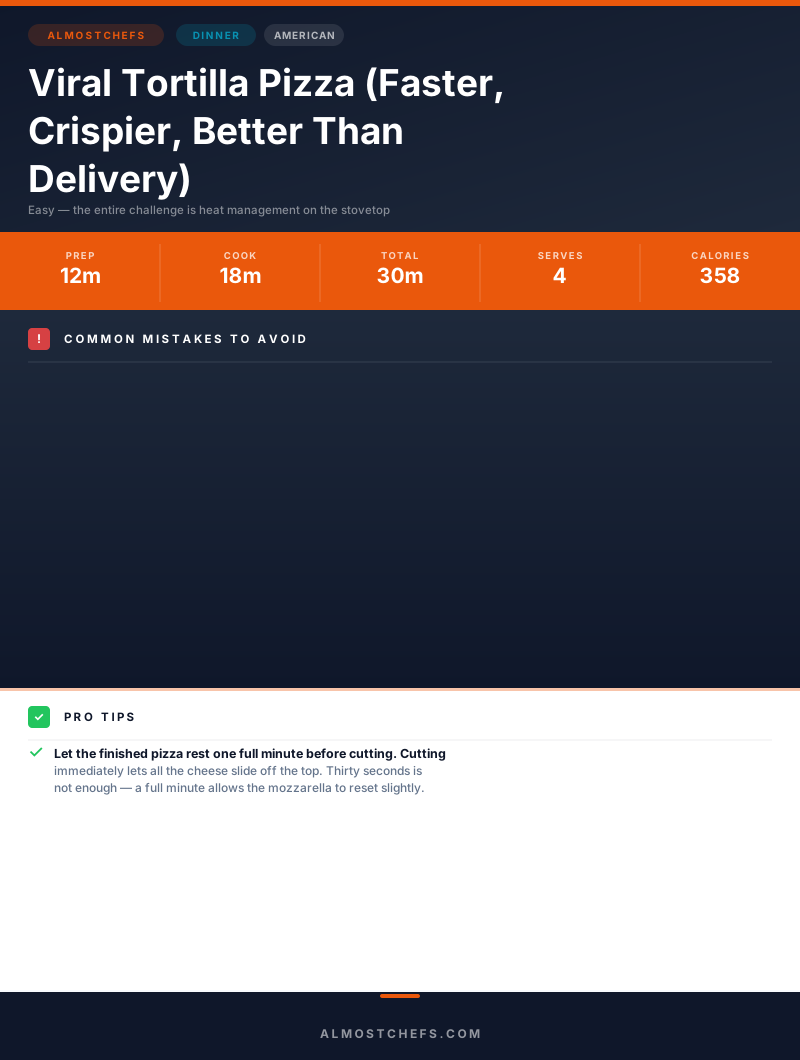
We turned everything on this page into a beautiful, flour-proof PDF cheat sheet. Print it out, stick it to your fridge, and never mess up your viral tortilla pizza (faster, crispier, better than delivery) again.
*We'll email you the high-res PDF instantly. No spam, just perfectly cooked meals.
AlmostChefs Editorial Team
We translate the internet's most popular cooking videos into foolproof, beginner-friendly written recipes. We analyze multiple methods, test them in our kitchen, and engineer a single "Master Recipe" that gives you the best possible result with the least possible stress.