15-Minute Sheet Pan Chicken (The Weeknight Dinner That Actually Delivers)
Seasoned chicken breasts roasted alongside broccoli, mushrooms, bell peppers, and onion on a single pan — done in under 20 minutes. We analyzed the most popular sheet pan methods to give you the one technique that gets crispy vegetables and juicy chicken at the same time, every time.
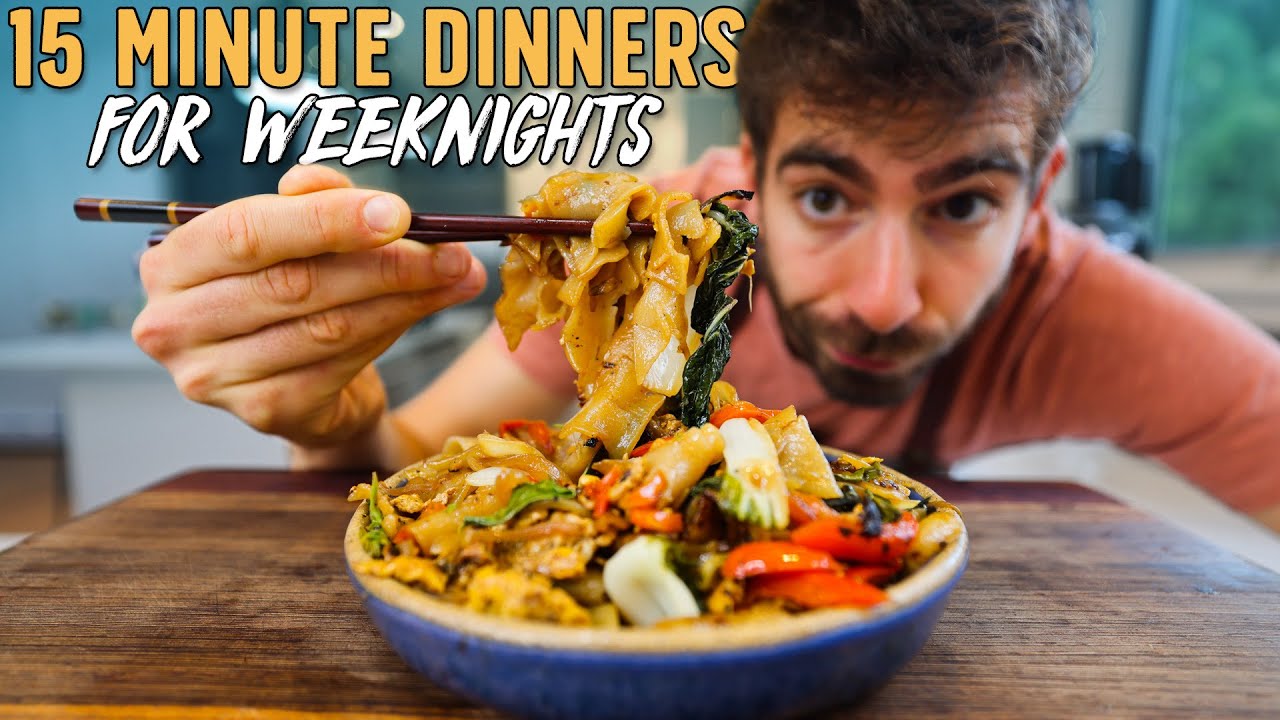
“Sheet pan dinners are the most lied-about category in weeknight cooking. Every recipe promises 15 minutes and delivers soggy vegetables and dry chicken. The problem is almost never the ingredients — it's the temperature, the spacing, and the sequence. Get those three things right and this is genuinely one of the fastest, most satisfying dinners in your rotation.”
Why This Recipe Works
Sheet pan dinners are the most misunderstood category in weeknight cooking. The premise sounds simple — protein, vegetables, one pan, hot oven — and it is. But the gap between a sheet pan dinner that tastes like effort and one that tastes like a cafeteria tray comes down to three variables most recipes never explain: temperature, spacing, and sequence.
The Temperature Problem
425°F is not arbitrary. At lower temperatures — 375°F, say — chicken and vegetables both take longer to cook, which means the vegetables spend more time in the oven losing moisture before they have time to develop surface color. The result is pale, soft produce next to pale, just-cooked chicken. At 425°F, the high heat drives rapid surface evaporation, which is what creates the caramelized edges on peppers and broccoli while the chicken stays moist in the center. The short cook time at high heat is the entire point.
This is also why preheating the pan matters. A cold pan absorbs the first few minutes of oven heat before it can transfer anything to the food. A hot pan gives you immediate caramelization on the vegetable undersides the second they make contact — which means more browning in the same amount of time.
The Spacing Problem
A single layer with no overlapping pieces is not a suggestion — it's the physics of evaporation. Every vegetable in this recipe contains significant water. During roasting, that water turns to steam and exits through the surface. If the pieces are touching, the steam from one vegetable immediately contacts the surface of its neighbor and condenses, re-wetting it. The result is the soggy, pale vegetables that make people think sheet pan dinners don't work.
Use a full large rimmed baking sheet. If the vegetables don't fit in a single uncrowded layer, use two pans. This is not a size preference — it's the difference between roasting and steaming.
The Chicken Problem
Boneless, skinless chicken breast has almost no margin for error. It goes from 155°F to dry at 175°F in less than three minutes in a 425°F oven. An instant-read thermometer is the only reliable way to hit the 165°F target consistently. Cutting in to check is guesswork — the carry-over cooking means a pink center at 160°F will finish at 165°F in the two minutes it takes you to plate everything.
Patting the chicken dry before coating it is the other non-negotiable. Surface moisture becomes steam before it becomes a crust. Thirty seconds with paper towels is the price of admission for any browning at all.
The Acid Finish
The lemon juice and balsamic vinegar drizzled immediately post-oven are doing something specific. Hot food is chemically different from cold food — the volatile aromatic compounds are still active, and acid applied to a hot surface penetrates the outer layer of the food rather than sitting on top of it. The same squeeze of lemon applied after plating will taste sharper and more separate. Applied to a 425°F sheet pan, it becomes part of the dish.
The balsamic is restrained — one teaspoon — because it needs to complement, not dominate. It adds the mild sweetness that rounds out the smoked paprika and roasted garlic without making the dish taste like a salad dressing. Together, the two acids lift every flavor on the pan and make the whole thing taste more intentional than 19 minutes should produce.
This dish works because it's honest. It doesn't pretend the vegetables are doing something they're not, or that the chicken has complexity it hasn't earned. It's high heat, good spacing, and the right finishing acid. That's the whole recipe.
Where Beginners Mess This Up
Before we start, read this. These are the 4 reasons your 15-minute sheet pan chicken (the weeknight dinner that actually delivers) will fail:
- 1
Crowding the pan: This is the single most common sheet pan failure. When vegetables are stacked or touching, they steam each other instead of roasting. Steam means soft, pale, waterlogged produce. Roasting means caramelized edges and concentrated flavor. You need a full 18x26-inch sheet pan for this recipe — not a 9x13 baking dish. If they don't fit in a single layer, use two pans.
- 2
Not drying the chicken: Surface moisture is the enemy of browning. Chicken breasts pulled straight from the package carry excess water that, in a hot oven, turns to steam before any Maillard reaction can happen. Pat every surface bone dry with paper towels before adding oil and seasoning. Thirty seconds of effort, dramatically better crust.
- 3
Using the wrong oven temperature: 425°F is non-negotiable. Lower temperatures extend cook time, which means the vegetables sit in the oven long enough to go limp before the chicken finishes. High heat cooks both quickly and creates the surface color that makes this dish taste like more than just a weeknight shortcut.
- 4
Skipping the acid finish: Lemon juice and balsamic vinegar added immediately after the pan comes out of the oven is what separates this from cafeteria food. Acid brightens every flavor on the pan, lifts the savory notes from the chicken and mushrooms, and adds a layer of complexity that makes people think you did more than you did.
The Video Reference Library
Want to see it in action? Here are the exact videos we analyzed and combined to build this foolproof recipe translation:
The source video for this recipe. Demonstrates the pan spacing technique and the acid-finish step clearly. Watch the moment they check doneness — that's the visual cue you're aiming for.
🛠️ Core Equipment
- Large rimmed baking sheet (18x26-inch)Surface area is everything in sheet pan cooking. A full-size sheet pan gives vegetables enough room to roast rather than steam. Half-sheet pans are the minimum — anything smaller and you're fighting physics.
- Parchment paperPrevents sticking and eliminates scrubbing. More importantly, it moderates heat transfer slightly at the pan surface, which helps the vegetables caramelize without burning on the bottom while the chicken finishes cooking on top.
- Instant-read thermometerChicken breast has about a 10-degree margin between perfectly juicy and dried out. At 165°F it's safe and still moist. At 175°F it's dry. A thermometer costs less than the dinner and removes all guesswork.
- Pastry brushEnsures the oil-herb coating covers every surface of the chicken evenly. Using your hands works but wastes coating — the brush distributes it efficiently and gets into the thicker sections where seasoning tends to miss.
15-Minute Sheet Pan Chicken (The Weeknight Dinner That Actually Delivers)
🛒 Ingredients
- ✦4 boneless, skinless chicken breasts, about 5 oz each
- ✦2 medium red bell peppers, cut into 1-inch pieces
- ✦2 cups broccoli florets, fresh
- ✦1 large yellow onion, sliced into wedges
- ✦2 cups cremini mushrooms, halved
- ✦3 tablespoons extra virgin olive oil, divided
- ✦3 cloves garlic, minced
- ✦2 teaspoons dried Italian herbs
- ✦1 teaspoon smoked paprika
- ✦1 teaspoon sea salt
- ✦1/2 teaspoon black pepper
- ✦1/2 teaspoon red pepper flakes
- ✦2 tablespoons fresh lemon juice
- ✦1 teaspoon balsamic vinegar
- ✦1/4 cup fresh green onions, chopped
👨🍳 Instructions
01Step 1
Preheat your oven to 425°F and line a large rimmed baking sheet with parchment paper.
02Step 2
Pat the chicken breasts completely dry with paper towels on all sides. Place them in the center of the prepared pan.
03Step 3
Mix the minced garlic, Italian herbs, smoked paprika, sea salt, black pepper, and red pepper flakes in a small bowl.
04Step 4
Brush 2 tablespoons of olive oil over both sides of each chicken breast. Sprinkle the herb mixture evenly over the top of each piece and press lightly to adhere.
05Step 5
Arrange the bell peppers, broccoli, onion wedges, and mushrooms around the chicken in a single layer. They should not overlap or touch.
06Step 6
Drizzle the remaining 1 tablespoon of olive oil over the vegetables and toss gently to coat.
07Step 7
Roast for 12 to 14 minutes, until the chicken reads 165°F on an instant-read thermometer and the vegetables have visible color on their edges.
08Step 8
Pull the pan from the oven. Immediately squeeze the lemon juice and balsamic vinegar over everything while the pan is still hot.
09Step 9
Scatter the chopped green onions over the top.
10Step 10
Divide among plates and serve immediately.
Nutrition Per Serving
Estimates based on standard preparation. Adjustments alter macros.
🔄 Substitutions
Instead of Boneless, skinless chicken breasts...
Use Wild-caught salmon fillets
Reduce cook time to 8-10 minutes. Salmon finishes at 125-130°F for medium. Higher in omega-3s, richer flavor. Works identically with the herb coating.
Instead of Cremini mushrooms...
Use Shiitake or oyster mushrooms
Deeper umami flavor and better texture retention at high heat. Remove shiitake stems before halving — they're woody and don't soften in 14 minutes.
Instead of Dried Italian herbs...
Use Fresh basil, oregano, and thyme
Use 3x the quantity (6 teaspoons total). Add half before roasting, half after — fresh herbs lose their brightness in a hot oven but are excellent as a finish.
Instead of Extra virgin olive oil...
Use Ghee or avocado oil
Higher smoke points mean slightly crispier vegetables and less risk of the oil burning at 425°F. Ghee adds a subtle nutty note. Avocado oil is neutral.
🧊 Storage & Reheating
In the Fridge
Store in an airtight container for up to 3 days. Keep the chicken and vegetables together — the juices from the vegetables help keep the chicken from drying out during storage.
In the Freezer
Freeze cooked chicken separately from vegetables for up to 2 months. Vegetables lose texture after freezing and thawing but work well in soups or grain bowls.
Reheating Rules
Reheat in a 375°F oven for 8-10 minutes on a sheet pan. Microwave reheating makes the vegetables limp and the chicken rubbery. The oven restores some of the original texture.
❓ Frequently Asked Questions
Why are my vegetables coming out soggy?
Pan crowding. When vegetables are too close together, the moisture they release during cooking can't evaporate — it pools and steams everything instead of roasting it. Single layer, no overlap, 425°F. That combination gives you caramelized edges.
Can I use chicken thighs instead of breasts?
Yes, and they're more forgiving. Bone-in thighs take 20-25 minutes at 425°F. Boneless thighs finish in about 18 minutes. Both are harder to overcook than breasts and have more flavor. Check for 165°F internal temperature either way.
Can I prep this ahead of time?
You can mix the herb-oil coating and cut the vegetables up to 24 hours ahead. Store them separately in the fridge. Don't coat the chicken until right before roasting — the salt in the seasoning will draw moisture out of the meat if it sits too long, working against the dry-surface step.
What other vegetables work here?
Zucchini, asparagus, cherry tomatoes, green beans, and thin-sliced fennel all work at this temperature and time. Denser vegetables like carrots or sweet potatoes need a head start — roast them for 10 minutes before adding the chicken and faster-cooking vegetables.
Why balsamic vinegar at the end?
Balsamic adds a mild sweetness and acidity that complements the smoked paprika and roasted garlic without overwhelming anything. It also creates a very light glaze when it hits the hot pan surface. A small amount does a lot — don't overdo it.
My chicken is done but the vegetables aren't. What happened?
Chicken breasts at 5 oz cook faster than dense vegetable pieces. Either your pieces were cut too large, or you're using thicker vegetables like broccoli stems instead of florets. Cut smaller, or give the vegetables a 5-minute head start in the oven before adding the chicken.
The Science of
15-Minute Sheet Pan Chicken (The Weeknight Dinner That Actually Delivers)
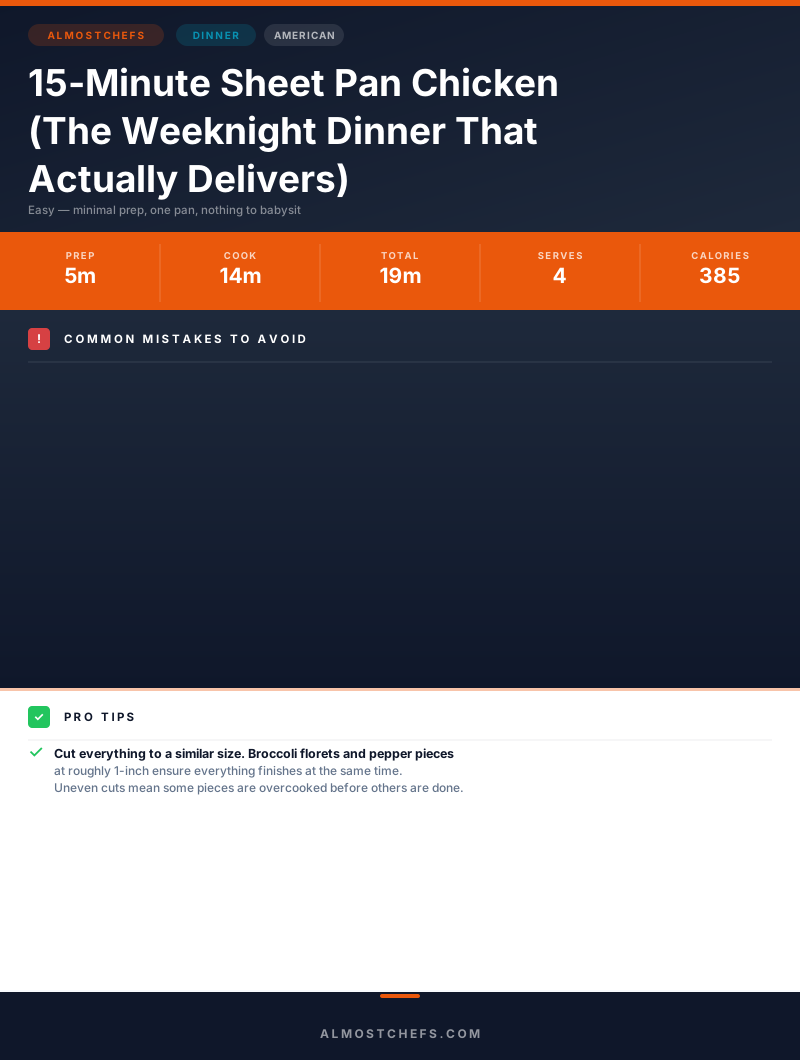
We turned everything on this page into a beautiful, flour-proof PDF cheat sheet. Print it out, stick it to your fridge, and never mess up your 15-minute sheet pan chicken (the weeknight dinner that actually delivers) again.
*We'll email you the high-res PDF instantly. No spam, just perfectly cooked meals.
AlmostChefs Editorial Team
We translate the internet's most popular cooking videos into foolproof, beginner-friendly written recipes. We analyze multiple methods, test them in our kitchen, and engineer a single "Master Recipe" that gives you the best possible result with the least possible stress.