The 5-Star Beef Stew (Stop Rushing the Braise)
A deeply savory, slow-braised beef stew with tender chuck, hearty root vegetables, and a broth built on caramelized fond and red wine. We analyzed the most popular methods to identify the three mistakes that turn this comfort classic into a disappointment — and how to avoid every one of them.
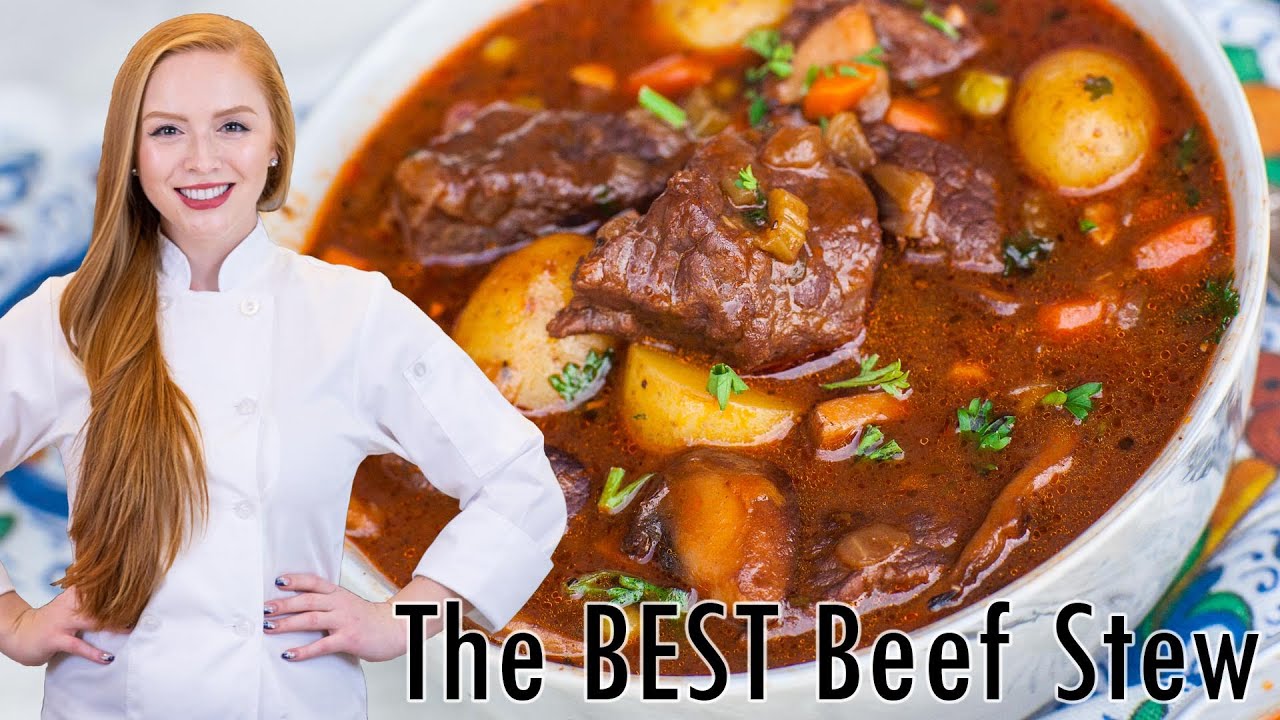
“Beef stew is one of those dishes that everyone claims is simple but almost nobody executes well. The internet is full of recipes that skip the sear, rush the braise, and wonder why the meat is tough and the broth tastes like salty water. The difference between a forgettable bowl and the kind that earns five-star reviews from your entire family comes down to three non-negotiables: dry beef, a real sear, and time you cannot negotiate away.”
Why This Recipe Works
Beef stew is one of the most-searched comfort food recipes on the internet, which means it's also one of the most-failed. The core problem is that every recipe says "easy" and none of them explain why the technique exists. When you understand what's actually happening inside the pot, the recipe stops being a list of steps and becomes a logical sequence of decisions — and you stop making the same mistakes everyone else makes.
The Sear Is Not Optional
Half the flavor in this stew doesn't come from the beef itself. It comes from the fond — the dark, caramelized layer of proteins and sugars that sticks to the bottom of the pot during the initial sear. When you deglaze with red wine, that fond dissolves into the liquid and becomes the flavor backbone of the entire broth. Skip the sear and you're building on nothing.
The prerequisite for a proper sear is completely dry beef. Moisture on the surface of the meat doesn't evaporate instantaneously — it has to boil off first, which drops the pan temperature and generates steam. That steam poaches the beef instead of browning it. The Maillard reaction — the cascade of chemical reactions that creates crust, color, and the flavor compounds that make seared meat taste fundamentally different from boiled meat — only occurs above 300°F. Wet beef never gets there. Sixty seconds with a paper towel is the highest-leverage step in this entire recipe.
The Chuck Question
Use chuck. This is not a preference — it's physics. Beef chuck comes from the shoulder, a heavily worked muscle that is rich in collagen (connective tissue) and intramuscular fat. During a long, gentle braise, the collagen converts to gelatin, which coats each strand of beef fiber and gives the meat that falling-apart tenderness. The gelatin also dissolves into the broth, transforming thin stock into that glossy, coating liquid that clings to a spoon.
Lean cuts — sirloin, round, stew meat labeled "extra lean" — lack sufficient collagen. They tenderize to a point, then dry out and turn stringy no matter how long you cook them. The fat content in chuck is also non-negotiable: it keeps the meat moist during the long braise and contributes richness to the broth that no amount of seasoning can replicate.
Temperature Is Everything
A simmer and a boil look similar. They are not. In a simmer, water molecules are moving vigorously but surface tension is maintaining most of the liquid — you see occasional lazy bubbles breaking the surface every few seconds. Internal temperature is around 185-200°F. In a rolling boil, violent convection currents are thrashing everything in the pot at 212°F.
That 10-25 degree difference is the difference between silky beef and tough beef. At boiling temperatures, the muscle fibers in the chuck contract hard and expel their moisture, leaving dry, grainy meat sitting in the broth you've squeezed out of it. At a simmer, the fibers relax gradually and the collagen has time to hydrolyze into gelatin. Every good braise recipe says "gentle simmer" because those aren't decorative words — they're describing a specific thermodynamic condition.
Vegetable Timing
Carrots and potatoes become tender in 45-60 minutes of simmering. The beef needs 1.5 hours. Add the vegetables at the start and you get beef that's finally done sitting in a bowl of vegetable paste. The timing isn't flexible: beef first, vegetables in the final hour, spinach in the final minute. Each component has a different finish line, and your job is to ensure they all cross it simultaneously.
The Dutch oven earns its keep in stews like this. Its thick walls and heavy lid create a stable thermal environment that holds temperature steady through the entire braise without requiring constant attention. A thin pot fluctuates wildly — too hot, too cool, hot spot here, cold spot there. Even heat is what turns a 2.5-hour investment into something worth every minute.
Where Beginners Mess This Up
Before we start, read this. These are the 4 reasons your the 5-star beef stew (stop rushing the braise) will fail:
- 1
Skipping the pat-dry step before searing: Wet beef steams instead of sears. Steam cannot generate the Maillard reaction, which means no fond, no caramelized crust, and no depth of flavor in the finished broth. Every piece of beef must be paper-towel dry before it touches the pan — this step takes 60 seconds and makes a 30% difference in the final taste.
- 2
Crowding the pan during the sear: When you pile all the beef in at once, the pan temperature drops dramatically and moisture pools around the meat. You end up poaching instead of browning. Work in batches of no more than 6-8 pieces at a time, with space between each. Yes, it takes longer. No, there is no shortcut.
- 3
Adding the vegetables too early: Carrots and potatoes need 45-60 minutes, not 2.5 hours. Adding them at the start of the braise turns them into mush that disintegrates into the broth. The beef needs the first 1.5 hours alone. Add the vegetables in the final hour only.
- 4
Boiling instead of simmering: A hard boil makes the beef fibers contract and tighten, squeezing out the moisture you spent hours building. A gentle simmer — where you see lazy bubbles breaking the surface every few seconds — allows the collagen in the chuck to convert to gelatin slowly, producing that silky, coating broth texture that distinguishes great stew from acceptable stew.
The Video Reference Library
Want to see it in action? Here are the exact videos we analyzed and combined to build this foolproof recipe translation:
The source video that this recipe is built around. Clear demonstration of the batch-searing technique and the fond development that forms the flavor backbone of the broth.
🛠️ Core Equipment
- Dutch oven or heavy-bottomed braising potThick walls distribute heat evenly and retain temperature during the long braise. Thin pots create hot spots that burn the bottom and cook the stew unevenly. A [Dutch oven](/kitchen-gear/review/dutch-oven) is the single best investment for any braise.
- Paper towelsFor drying the beef before searing. This is not optional prep — it is a critical step that determines whether you get a sear or a steam.
- Wooden spoon or flat-bottomed spatulaEssential for scraping up the fond (browned bits) when you deglaze with wine. The fond is concentrated flavor. Leave it stuck to the pan and you've wasted your best ingredient.
- Small bowl and whiskFor mixing the cornstarch slurry cleanly. Lumpy slurry added directly to hot liquid creates starch pockets. Always whisk cold water and cornstarch together off-heat before adding to the pot.
The 5-Star Beef Stew (Stop Rushing the Braise)
🛒 Ingredients
- ✦2 pounds beef chuck, cut into 1.5-inch cubes
- ✦2 tablespoons extra virgin olive oil
- ✦1 large yellow onion, diced
- ✦4 medium carrots, cut into 1-inch rounds
- ✦3 medium Yukon gold potatoes, cubed
- ✦8 ounces cremini mushrooms, halved
- ✦3 cloves garlic, minced
- ✦2 tablespoons tomato paste
- ✦4 cups low-sodium beef broth
- ✦1 cup dry red wine
- ✦2 bay leaves
- ✦1 teaspoon dried thyme
- ✦1 teaspoon dried rosemary
- ✦1 teaspoon sea salt
- ✦1/2 teaspoon freshly ground black pepper
- ✦2 tablespoons cornstarch
- ✦3 tablespoons cold water
- ✦2 cups fresh spinach, chopped
👨🍳 Instructions
01Step 1
Pat the beef cubes completely dry with paper towels on all sides.
02Step 2
Heat olive oil in a large Dutch oven over medium-high heat until shimmering, about 2 minutes.
03Step 3
Working in batches of 6-8 pieces, brown the beef on all sides until deeply caramelized, about 3-4 minutes per batch. Transfer to a plate and repeat.
04Step 4
Sauté the diced onion in the same pot over medium heat until softened and translucent, about 4 minutes, scraping up the browned bits from the bottom as you go.
05Step 5
Add the minced garlic and cook until fragrant, about 30 seconds. Stir in the tomato paste and cook for 1 minute, letting it deepen in color against the hot pan.
06Step 6
Pour in the red wine to deglaze the pot. Stir constantly for about 1 minute, scraping every bit of fond from the bottom and sides.
07Step 7
Return the browned beef to the pot. Add the beef broth, bay leaves, thyme, and rosemary. Bring to a gentle simmer.
08Step 8
Reduce heat to low, cover partially, and simmer for 1.5 hours, stirring occasionally. You should see lazy bubbles, not a rolling boil.
09Step 9
Add the carrots, potatoes, and mushrooms. Continue simmering uncovered for 45 minutes to 1 hour, until the vegetables are fork-tender.
10Step 10
Whisk the cornstarch with cold water in a small bowl until fully smooth, then stir the slurry into the stew. Cook for 2 minutes until the broth thickens slightly.
11Step 11
Season with salt and pepper to taste. Fold in the fresh spinach and let it wilt for about 1 minute.
12Step 12
Remove and discard the bay leaves before serving.
Nutrition Per Serving
Estimates based on standard preparation. Adjustments alter macros.
🔄 Substitutions
Instead of Beef chuck...
Use Beef sirloin tip or lean stew meat
Reduces saturated fat by roughly 40%. The tradeoff is slightly less richness in the broth. Collagen content is sufficient for gelatin formation if the braise time is maintained.
Instead of Yukon gold potatoes...
Use Sweet potatoes or parsnips
Sweet potatoes bring more beta-carotene and slightly more fiber. Parsnips add natural sweetness and hold their texture better over long cooking. Both work well.
Instead of Red wine...
Use Additional beef broth with 1 tablespoon balsamic vinegar
Maintains acidity and depth without alcohol. The balsamic adds a touch of sweetness and polyphenol complexity. Not identical, but genuinely good.
Instead of Cremini mushrooms...
Use A mix of cremini and shiitake mushrooms
Shiitakes add significantly more umami and a meatier texture. Use a 50/50 split. Remove the tough shiitake stems before halving.
🧊 Storage & Reheating
In the Fridge
Store in an airtight container for up to 4 days. Flavors improve markedly by day two.
In the Freezer
Freeze in individual portions for up to 3 months. Thaw overnight in the refrigerator before reheating.
Reheating Rules
Reheat gently on the stovetop over low heat with a splash of broth or water to loosen the thickened gravy. Microwave works in a pinch but tends to dry out the beef — use 50% power if you must.
❓ Frequently Asked Questions
Why is my beef tough after 2 hours of cooking?
Either the heat was too high (boiling instead of simmering) or you used the wrong cut. Chuck requires a sustained, gentle simmer to convert collagen to gelatin. Hard boiling contracts the muscle fibers and makes the meat grainy and dry. Lower the heat and extend the time.
Can I make this in a slow cooker?
Yes, but you still must sear the beef first. Do not skip that step and dump everything raw into the slow cooker — the flavor will be flat. Sear and deglaze on the stovetop, then transfer everything to the slow cooker and cook on low for 7-8 hours.
My broth is too thin. What happened?
Either the cornstarch slurry was added to a cold broth (it needs heat to activate) or you didn't cook it long enough after adding it. Bring the stew to a simmer after adding the slurry and stir for a full 2 minutes. You can also simmer uncovered for 15-20 minutes to reduce naturally.
Do I have to use red wine?
No, but you need the acidity. See the substitution above for the balsamic and broth option. The wine's job is to deglaze the fond and provide acidic balance to the fatty broth — any acidic liquid does the same job.
When should I add the vegetables?
Only after the beef has braised for 1.5 hours. Adding them earlier produces mushy vegetables that dissolve into the broth by the time the beef is done. They need 45-60 minutes, not 2.5 hours.
Can I thicken the stew without cornstarch?
Yes. Mash a few of the cooked potato pieces against the side of the pot and stir them in — the starch thickens the broth naturally. Alternatively, a tablespoon of flour stirred into the tomato paste before deglazing (a roux approach) will thicken the broth during the braise itself.
The Science of
The 5-Star Beef Stew (Stop Rushing the Braise)
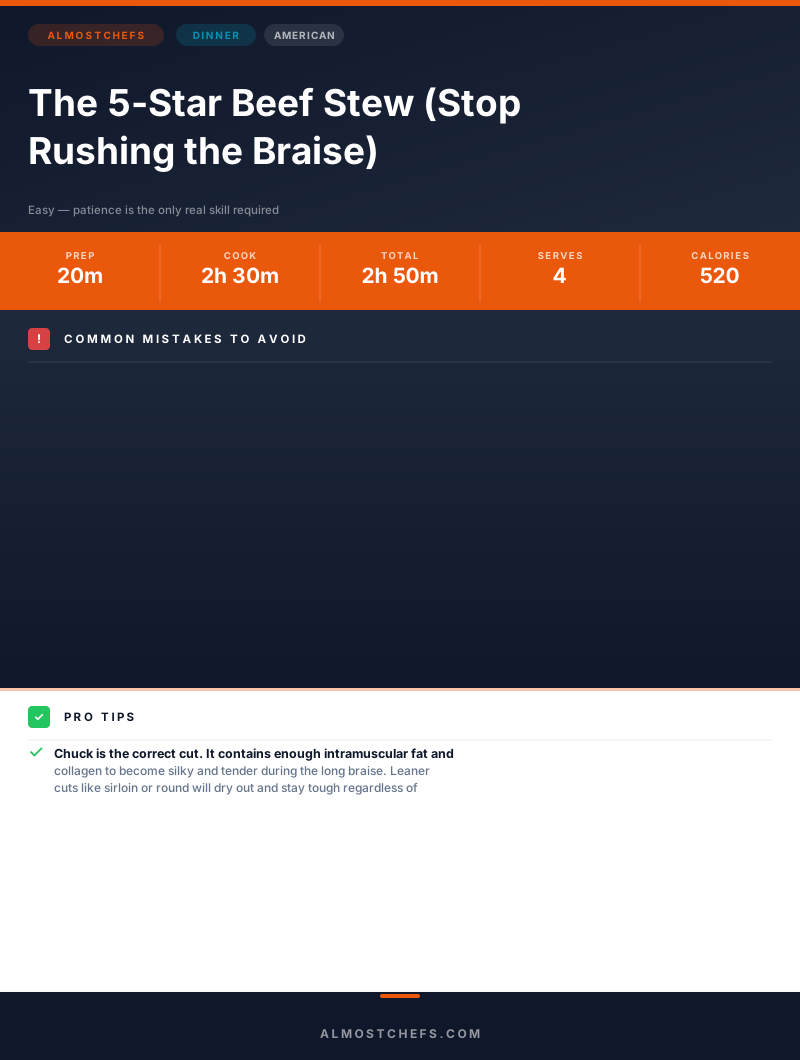
We turned everything on this page into a beautiful, flour-proof PDF cheat sheet. Print it out, stick it to your fridge, and never mess up your the 5-star beef stew (stop rushing the braise) again.
*We'll email you the high-res PDF instantly. No spam, just perfectly cooked meals.
AlmostChefs Editorial Team
We translate the internet's most popular cooking videos into foolproof, beginner-friendly written recipes. We analyze multiple methods, test them in our kitchen, and engineer a single "Master Recipe" that gives you the best possible result with the least possible stress.