Authentic Thai Green Tea (Café-Quality at Home in 15 Minutes)
A sweet, creamy iced tea made from Thai green tea powder, simple syrup, and a slow pour of evaporated milk that creates the iconic gradient. We broke down the most-watched YouTube methods to give you one technique that nails the flavor, color, and layered presentation every time.
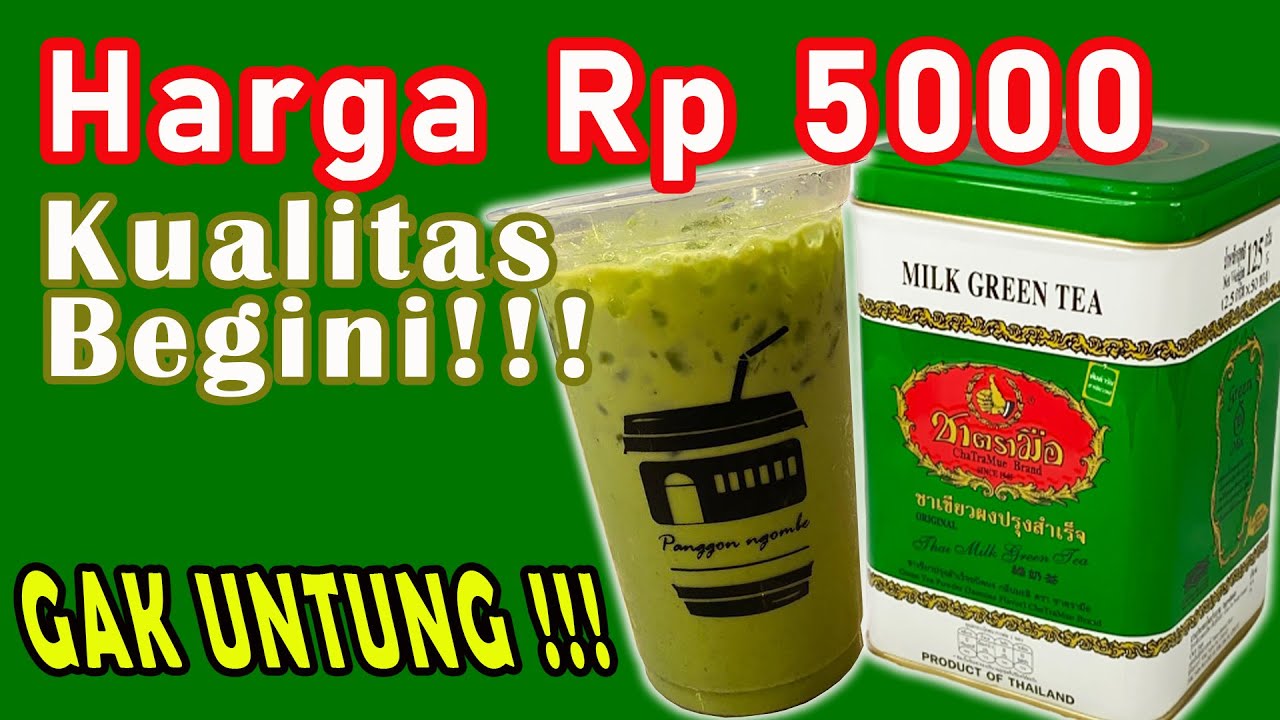
“Thai green tea looks simple. It's not. The color should be vivid jade, the tea should be floral and slightly grassy without going bitter, and that layered cream float is a visual that takes about 45 seconds to execute correctly. Most home versions come out flat brown or insipidly sweet because two steps get botched: the steep temperature and the sweetener ratio. We fixed both.”
Why This Recipe Works
Thai green tea sits at the intersection of simplicity and technique. The ingredient list is short — tea, dairy, sweetener, ice — and the execution window is forgiving compared to something like biryani or croissants. But that simplicity is deceptive. There are exactly two decisions in this recipe that determine whether your drink tastes like a Thai restaurant classic or a vaguely sweet, muddy disappointment: the steep temperature and the sweetener architecture. Get those right, and everything else follows automatically.
The Temperature Problem Nobody Talks About
Green tea is fundamentally different from black tea in one critical way: its catechins and tannins extract much more rapidly at high temperatures. Black tea is designed for boiling water. Green tea is not. When you pour 212°F water over Thai green tea powder, the tannins — the same compounds that make over-steeped cheap tea taste like warm dishwater — release almost instantly and dominate everything else. The floral, slightly grassy, almost vegetal sweetness that makes Thai green tea distinctive gets buried under a wall of bitterness.
The fix is 175°F, and it's not approximate. At that temperature, the flavor compounds you want — the catechins, the amino acids like L-theanine, the aromatic esters — extract cleanly while the harsher tannins stay largely bound in the leaf particles. The visual cue is equally dramatic: properly steeped Thai green tea is vivid jade-green, almost artificially bright. Overheated tea turns olive-drab within minutes. If your tea looks brown, the water was too hot, and no amount of sweetener will fix it.
A kitchen thermometer takes all the guesswork out of this. The investment is minimal and applies to every green tea, egg dish, candy recipe, and meat you'll ever cook. If you don't own one, the two-minute rest method is reliable: bring water to a full rolling boil, remove from heat, wait exactly two minutes, then steep. You'll land within 5 degrees of target consistently.
Sweetener Architecture
Most Thai green tea recipes list either condensed milk or simple syrup, as if they're interchangeable. They are not. Condensed milk contributes sweetness plus fat, protein, and that specific cooked-dairy richness that gives Thai tea its characteristic body. Simple syrup contributes pure sweetness with zero texture. Using only condensed milk produces a drink that's heavy and cloying. Using only simple syrup produces a drink that tastes thin, like sweetened watery tea.
The correct approach uses both in calibrated amounts: condensed milk for body and baseline sweetness, simple syrup for precise sweetness adjustment. Because condensed milk's sweetness is fixed in the recipe (you can't separate the fat from the sugar), you adjust the overall sweetness level via the simple syrup. Taste the base after adding condensed milk. Add simple syrup in half-tablespoon increments until it hits your target. This two-lever system gives you real control over the final flavor in a way that single-sweetener recipes never do.
The pinch of salt seems counterintuitive in a drink recipe, but it functions identically to the way salt works in baking: it suppresses perceived bitterness and enhances sweetness. You are not adding enough salt to taste salt. You are adding enough to round off any residual astringency from the tea and make the sweetness taste cleaner and more integrated.
The Float Is Physics
The cream float on top of Thai green tea is not garnish. It is a deliberate flavor delivery mechanism. Evaporated milk is denser than brewed tea, which means it naturally wants to sink. The float technique — pouring slowly over the back of a bar spoon — slows the pour speed and distributes the milk laterally across the surface rather than letting it punch straight down through the layers.
As you drink through a straw, you pull from the bottom of the glass first. The first sips are pure cold tea — slightly sweet, grassy, and bright. As the ice melts and the float slowly integrates through natural diffusion, the middle sips pick up cream. The last third of the glass is fully integrated and richest. This progression across a single drink is what people describe when they say Thai tea at a restaurant just "tastes different" than what they make at home. The float isn't cosmetic. It's the experience.
Temperature management during assembly matters too. Hot tea poured directly over ice creates a thermal differential that melts the cubes rapidly, diluting the drink before you've taken a sip. Chill the tea base for at least 20 minutes before assembly. The ice should be slowing the drink down, not compensating for thermal heat you introduced. Follow this sequence — steep, sweeten, chill, pour, float — and every glass will be consistent.
Where Beginners Mess This Up
Before we start, read this. These are the 4 reasons your authentic thai green tea (café-quality at home in 15 minutes) will fail:
- 1
Steeping with boiling water: Boiling water scalds green tea — any green tea, including the Thai variety — and releases harsh tannins that turn the drink bitter and dull the color from vibrant jade to muddy olive. The correct steep temperature is 175°F (80°C). Pull the water off the heat two minutes after it starts simmering, or use a thermometer. This single adjustment is responsible for more flavor improvement than any other change you can make.
- 2
Using too much condensed milk: Condensed milk is intensely sweet — more than twice as sweet per tablespoon as simple syrup. A heavy hand turns Thai green tea into candy water. The ratio is 1.5 tablespoons per serving, added to the base before the evaporated milk float. Taste after adding and adjust. You are building a layered flavor, not making a dessert.
- 3
Not chilling the tea before icing: Pouring hot or warm tea over ice immediately dilutes it as the cubes melt to compensate for the heat. Steep the tea, sweeten it, then refrigerate for at least 20 minutes before serving over ice. If you need it fast, steep a concentrated batch — double the tea, half the water — and pour directly over ice.
- 4
Skipping the float technique: The cream layer is not decorative. It's functional — it slowly integrates into the tea as you drink, changing the flavor profile sip by sip. To achieve the float, pour evaporated milk over the back of a spoon held just above the surface of the tea. This breaks the force of the pour and lets the denser milk settle on top instead of sinking.
The Video Reference Library
Want to see it in action? Here are the exact videos we analyzed and combined to build this foolproof recipe translation:
The source video for this recipe — clean technique with clear close-ups of the correct tea color and cream float. Particularly useful for understanding the visual cues of proper steep temperature.
Deep dive into the sweetener layering technique and why the ratio of simple syrup to condensed milk matters for flavor balance. Good reference for dialing in sweetness to personal taste.
Broader context on Thai tea culture and ingredient sourcing — useful if you want to understand why specific Thai green tea powder brands produce different color intensities and flavor profiles.
🛠️ Core Equipment
- Fine-mesh sieve or tea strainerThai green tea powder can clump and leave grit in the finished drink. Straining through fine mesh gives you a perfectly smooth, clear base. A paper coffee filter works but slows drainage significantly.
- Kitchen thermometerSteep temperature is the single most important variable in green tea preparation. Guessing will produce inconsistent results. A probe thermometer removes the guesswork entirely and costs less than the tea you'll waste.
- Tall glasses (16 oz minimum)The layered presentation requires vertical clearance. A short glass forces the cream float to merge with the tea immediately, defeating the purpose. Tall glasses also keep the drink cold longer by concentrating the ice at the top.
- Long-handled bar spoonEssential for executing the cream float. The curved back of the spoon disperses the evaporated milk gently across the surface without breaking through the tea below.
Authentic Thai Green Tea (Café-Quality at Home in 15 Minutes)
🛒 Ingredients
- ✦2 tablespoons Thai green tea powder (or 4 Thai green tea bags)
- ✦2 cups water, heated to 175°F (80°C)
- ✦3 tablespoons sweetened condensed milk, divided
- ✦2 tablespoons simple syrup (or adjust to taste)
- ✦4 tablespoons evaporated milk, divided (for the float)
- ✦2 cups ice cubes
- ✦1/4 teaspoon vanilla extract (optional, deepens flavor)
- ✦Pinch of salt (balances sweetness)
👨🍳 Instructions
01Step 1
Heat 2 cups of water to 175°F (80°C). If you don't have a thermometer, bring water to a full boil, then let it sit off heat for exactly 2 minutes.
02Step 2
Add Thai green tea powder to a heat-safe pitcher or measuring cup. Pour the 175°F water over the powder and stir gently to combine.
03Step 3
Steep for exactly 3 minutes, then strain through a fine-mesh sieve into a clean container. Discard the solids.
04Step 4
While the tea is still warm (not hot), stir in the condensed milk, simple syrup, vanilla extract (if using), and pinch of salt until fully dissolved.
05Step 5
Refrigerate the sweetened tea for at least 20 minutes until well chilled. For faster results, set the container in an ice bath and stir for 5 minutes.
06Step 6
Fill two tall glasses to the top with ice cubes. Pour the chilled green tea over the ice, filling each glass about three-quarters full.
07Step 7
Hold a bar spoon, curved side up, just above the surface of the tea in each glass. Slowly pour 2 tablespoons of evaporated milk over the back of the spoon into each glass.
08Step 8
Serve immediately with a long straw. Instruct guests to either drink it layered (sweet cream first, then tea below) or stir to combine. Both are correct.
Nutrition Per Serving
Estimates based on standard preparation. Adjustments alter macros.
🔄 Substitutions
Instead of Sweetened condensed milk...
Use Coconut condensed milk
Dairy-free alternative that maintains the thick, sweet creaminess. Adds subtle coconut flavor that pairs well with the grassy tea notes. Same ratio applies.
Instead of Evaporated milk...
Use Full-fat coconut milk or oat milk creamer
Coconut milk produces a richer float with a more tropical flavor profile. Oat milk creamer is lighter and integrates faster — less dramatic visually but still delicious.
Instead of Simple syrup...
Use Palm sugar syrup or honey syrup
Palm sugar (made by dissolving palm sugar in equal parts hot water) adds a subtle caramel depth that simple syrup lacks. Honey syrup (1:1 honey and warm water) adds floral notes that complement the tea.
Instead of Thai green tea powder...
Use High-quality jasmine green tea bags (2 bags per cup)
Not a perfect substitute — jasmine tea lacks the grassiness of Thai green tea — but it produces a respectable result. Increase steep time slightly to 4 minutes to compensate for lower intensity.
🧊 Storage & Reheating
In the Fridge
Store the unsweetened tea base in an airtight container for up to 2 days. Add sweetener and milk fresh at serving time to prevent the flavors from flattening.
In the Freezer
Freeze the sweetened tea base in ice cube trays, then blend the cubes into a slushy Thai green tea. Far better than freezing a full batch.
Reheating Rules
This is a cold drink — do not reheat. If the tea base has been refrigerated, let it sit at room temperature for 5 minutes before pouring over fresh ice to avoid over-dilution from thermal shock.
❓ Frequently Asked Questions
Why is my Thai green tea bitter?
The water was too hot. Green tea requires 175°F (80°C), not boiling. Boiling water extracts tannins aggressively, producing that sharp, astringent bitterness. Let the water cool for 2 minutes off the boil before steeping.
Where do I buy Thai green tea powder?
Asian grocery stores carry it reliably, usually near the Thai or Southeast Asian beverage section. Look for brands like Pantai, Cha Thai, or Number One. Online retailers stock all major brands. Avoid generic green tea powder — the Thai variety has a specific flavor profile and colorant blend.
Can I make this hot instead of iced?
Yes. Steep the tea the same way, stir in condensed milk and simple syrup, and serve in a mug with evaporated milk drizzled on top rather than floated. Reduce the sweetener slightly — sweetness reads more intensely in hot drinks than cold.
Why does my float keep sinking?
Two causes: the evaporated milk is too cold (straight from the fridge it's denser and sinks faster), or you're pouring too hard. Let the evaporated milk come to room temperature for 10 minutes before using, and always pour over the back of a spoon. The physics of the float depend on a slow, gentle introduction to the surface.
Is Thai green tea the same as matcha?
No. Thai green tea powder is made from dried and ground Camellia sinensis leaves that have been blended with natural flavorings and sometimes food coloring to produce the vivid jade color. Matcha is stone-ground shade-grown green tea with a more intense, umami-forward flavor. They are not interchangeable — matcha in this recipe will produce a much stronger, grassier drink.
How do I adjust the sweetness?
Build it in layers. Start with less condensed milk than the recipe calls for, taste the base, then add simple syrup in half-tablespoon increments. Condensed milk adds creaminess alongside sweetness, while simple syrup adds only sweetness. Adjusting both independently gives you more precise control over the final flavor.

The Science of
Authentic Thai Green Tea (Café-Quality at Home in 15 Minutes)
We turned everything on this page into a beautiful, flour-proof PDF cheat sheet. Print it out, stick it to your fridge, and never mess up your authentic thai green tea (café-quality at home in 15 minutes) again.
*We'll email you the high-res PDF instantly. No spam, just perfectly cooked meals.
AlmostChefs Editorial Team
We translate the internet's most popular cooking videos into foolproof, beginner-friendly written recipes. We analyze multiple methods, test them in our kitchen, and engineer a single "Master Recipe" that gives you the best possible result with the least possible stress.