Weeknight Thai Green Curry (30 Minutes, Zero Compromise)
A vibrant coconut curry with tender chicken, crisp vegetables, and store-bought green curry paste that delivers restaurant-quality depth in under 35 minutes. We broke down every shortcut that works and every one that doesn't — so you get the real thing, fast.
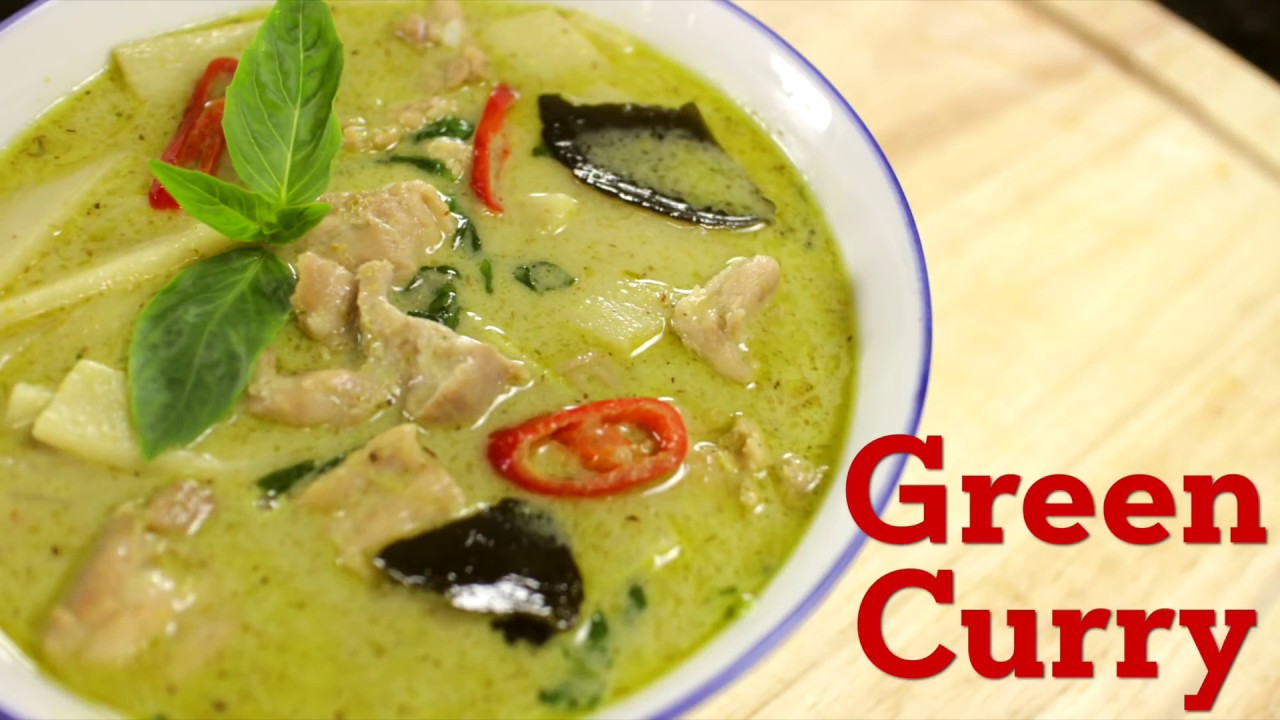
“Most Thai green curry fails at the same moment: the curry paste goes straight into the liquid without ever hitting hot fat. That step — blooming the paste in oil for two full minutes — is the difference between a curry that tastes alive and one that tastes like canned soup. Everything else in this recipe takes care of itself.”
Why This Recipe Works
Thai green curry is deceptively simple on paper — aromatics, paste, coconut milk, protein, vegetables, herbs. Thirty-five minutes start to finish. The kind of dish that looks like it was designed for a Tuesday night. And it was. But the gap between a Tuesday curry that's worth making again and one that goes in the back of the fridge for three days is almost entirely technique, not ingredients.
The Paste Problem
Every green curry starts with the paste, and most recipes treat it like a liquid ingredient — dump it in with the coconut milk and stir. This is wrong. Green curry paste is a concentrated block of raw aromatic compounds: lemongrass, galangal, shrimp paste, kaffir lime, green chilies, coriander root. Those compounds are fat-soluble. They need direct heat in oil to open up and release the volatile molecules that make curry smell and taste like curry.
Two minutes in hot oil. That's it. Stir constantly, watch the paste darken, and wait for the moment it smells toasty and almost smoky rather than sharp and raw. That is the entire secret to a curry that tastes like it came from somewhere that knows what it's doing. Skip this step and you get a thick coconut soup with green undertones.
Coconut Milk Is Not a Liquid to Boil
Coconut milk is an emulsion — fat droplets suspended in water, stabilized by natural proteins. Heat it aggressively and those proteins denature, the emulsion breaks, and you end up with a greasy film floating on watery liquid. This is not a problem you can fix after the fact. Once it breaks, it stays broken.
The solution is a gentle simmer: small, lazy bubbles at the edges of the pan, not a rolling boil. Your protein will still cook through. Your vegetables will still go tender. The sauce will stay glossy, creamy, and cohesive. When in doubt, turn the heat down — you cannot unsplit a broken sauce.
The Vegetable Window
Snap peas, zucchini, and bell peppers have about a five-to-seven-minute window in hot curry where they're still vivid, slightly crisp, and structurally intact. Miss that window and you have limp green strips floating in orange liquid. The fix is simple: add the vegetables late, not early. The protein goes in first and cooks for eight minutes; the vegetables follow and cook for five to seven. That's it. The sequencing is the technique.
Finishing Is a Skill
Fish sauce, lime juice, and coconut sugar are not just seasonings — they're balancing instruments. Fish sauce handles salinity with umami depth. Lime handles brightness and cuts through the richness of coconut milk. Coconut sugar rounds out any harsh edges without making the sauce sweet. Every batch of curry paste is different. Every brand of coconut milk has a different fat content. The only way to get the balance right is to taste, adjust, and taste again.
Use a heavy-bottomed skillet or Dutch oven and a fine microplane for the ginger, and this recipe will not fail you. The rest is attention.
Where Beginners Mess This Up
Before we start, read this. These are the 4 reasons your weeknight thai green curry (30 minutes, zero compromise) will fail:
- 1
Skipping the paste bloom: Green curry paste is built from raw aromatic compounds — lemongrass, galangal, chilies, kaffir lime zest. Those compounds need direct, sustained heat in fat to unlock. If you pour in the coconut milk before the paste has had two minutes in hot oil, you're making a very expensive coconut milk soup.
- 2
Overcooking the vegetables: Bell peppers, zucchini, and snap peas have a window of about 5-7 minutes where they're tender-crisp and vibrant. Past that, they go limp, waterlogged, and gray. Add them late — not with the protein — and pull the pot off heat the moment a fork meets mild resistance.
- 3
Adding the herbs too early: Thai basil and cilantro are finishers, not builders. Their volatile oils evaporate almost instantly at curry temperatures. Fold them in off the heat, right before you serve. Anything earlier and you're left with brown, bitter herb confetti floating in your sauce.
- 4
Not tasting before you serve: Thai green curry is a balance of salty, sweet, sour, and spicy. Fish sauce handles salt, coconut sugar handles sweet, lime handles sour, and the paste handles heat. If the sauce tastes flat, it needs salt (fish sauce) or acid (lime). If it tastes sharp, it needs sweetness. Taste and adjust — no recipe can tell you exactly what your curry paste brand needs.
The Video Reference Library
Want to see it in action? Here are the exact videos we analyzed and combined to build this foolproof recipe translation:
The primary video reference for this recipe. Demonstrates the paste-blooming technique and the exact texture to aim for in the finished sauce.
🛠️ Core Equipment
- Large heavy-bottomed skillet or Dutch ovenEven heat distribution is critical when blooming curry paste and simmering coconut milk. A thin pan scorches the aromatics before they cook through and creates hot spots that break the sauce.
- Fine microplane or box graterFresh ginger grated on a microplane integrates seamlessly into the curry base. Chopped ginger stays fibrous and uneven — you get a burst of ginger in one bite and none in the next.
- Wooden spoon or high-heat silicone spatulaFor constant stirring during the paste bloom and aromatics stage. You need to keep the paste moving to prevent scorching without scratching the pan.
- LadleCoconut curries are best served from the pot into deep bowls. A ladle ensures you get an even ratio of sauce and solids in every bowl instead of front-loading the vegetables.
Weeknight Thai Green Curry (30 Minutes, Zero Compromise)
🛒 Ingredients
- ✦2 tablespoons coconut oil or avocado oil
- ✦1 large yellow onion, thinly sliced
- ✦4 cloves garlic, minced
- ✦1 tablespoon fresh ginger, grated
- ✦3 tablespoons Thai green curry paste
- ✦1 can (13.5 ounces) light coconut milk
- ✦1 cup low-sodium vegetable or chicken broth
- ✦1 pound chicken breast or firm tofu, cut into bite-sized pieces
- ✦2 cups bell peppers, diced into chunks
- ✦2 cups fresh zucchini, sliced into half-moons
- ✦1 cup snap peas, trimmed
- ✦1 can (14 ounces) diced tomatoes, drained
- ✦2 tablespoons fish sauce or tamari
- ✦1 tablespoon fresh lime juice
- ✦1 teaspoon coconut sugar or honey
- ✦1 cup fresh basil or Thai basil leaves, roughly chopped
- ✦1/4 cup fresh cilantro, chopped
- ✦Sea salt and black pepper to taste
👨🍳 Instructions
01Step 1
Heat coconut oil in a large heavy-bottomed skillet or Dutch oven over medium-high heat until shimmering, about 1 minute.
02Step 2
Add the sliced onion and sauté, stirring occasionally, until the edges soften and turn translucent, about 3 minutes.
03Step 3
Stir in the minced garlic and grated ginger, cooking while stirring constantly until fragrant, about 1 minute.
04Step 4
Add the Thai green curry paste directly to the aromatics. Cook, stirring to coat everything, for 2 full minutes to bloom the spices.
05Step 5
Pour in the light coconut milk and broth, stirring well to incorporate the paste completely into a smooth sauce, about 1 minute.
06Step 6
Add the chicken or tofu and bring to a gentle simmer over medium heat.
07Step 7
Cook the protein for 8 minutes, stirring occasionally, until chicken is mostly cooked through or tofu begins to absorb the flavors.
08Step 8
Stir in the bell peppers, zucchini, and snap peas, distributing them evenly throughout the curry.
09Step 9
Add the drained diced tomatoes and cook at a gentle simmer for 5-7 minutes until vegetables are tender-crisp and chicken is fully cooked through.
10Step 10
Reduce heat to low. Stir in the fish sauce, fresh lime juice, and coconut sugar. Taste and adjust the balance — more fish sauce for salt, more lime for brightness, more sugar if it bites.
11Step 11
Fold in most of the fresh basil and cilantro, reserving some for garnish. Stir gently — don't crush the herbs.
12Step 12
Taste one final time and adjust seasoning as needed.
13Step 13
Ladle into bowls. Garnish with reserved herbs and a wedge of lime.
Nutrition Per Serving
Estimates based on standard preparation. Adjustments alter macros.
🔄 Substitutions
Instead of Chicken breast...
Use Wild-caught salmon or firm white fish
Richer flavor with better omega-3 content. Add fish in the last 5 minutes — it cooks fast and will fall apart if simmered too long.
Instead of Light coconut milk...
Use Half coconut milk, half plain Greek yogurt
Reduces saturated fat and adds a faint tang that works well with lime. Stir the yogurt in off the heat to prevent curdling.
Instead of Fish sauce...
Use Tamari or coconut aminos
Equally savory with a slightly less funky depth. Reduces sodium by about 20 percent. Fully gluten-free.
Instead of Coconut oil...
Use Ghee or avocado oil
Ghee adds a subtle nuttiness and higher smoke point. Avocado oil is completely neutral. Either works for the paste bloom.
🧊 Storage & Reheating
In the Fridge
Store in an airtight container for up to 4 days. The flavors deepen significantly after 24 hours.
In the Freezer
Freeze in portions for up to 2 months. The coconut milk may separate slightly on thawing — stir vigorously while reheating and it will come back together.
Reheating Rules
Reheat gently in a saucepan over low heat with a splash of broth or water to loosen the sauce. Avoid the microwave — it overheats the vegetables and makes the chicken rubbery.
❓ Frequently Asked Questions
Can I use homemade green curry paste?
Yes, and it's a meaningfully better result. Homemade paste uses fresh lemongrass, galangal, and kaffir lime leaves that no jar can replicate. It requires about 20 minutes of blending but keeps in the fridge for two weeks or the freezer for three months.
Why is my coconut sauce grainy and broken?
You boiled it. Coconut milk is a fat-water emulsion that separates under sustained high heat. Once it breaks, it won't fully come back. Keep your simmer gentle — small bubbles, not rolling boil.
Is this recipe actually gluten-free?
Yes, if you use tamari instead of fish sauce and verify your curry paste label. Most Thai green curry paste brands are gluten-free, but some contain wheat-based additives. Maesri and Maeploy are reliably clean.
Can I make this vegetarian?
Swap the chicken for extra-firm tofu or chickpeas, replace fish sauce with tamari, and use vegetable broth. The flavor profile is nearly identical — the curry paste and coconut milk do most of the heavy lifting.
How do I make it spicier?
Add one or two sliced fresh green Thai chilies with the aromatics, or stir in a teaspoon of sambal oelek at the finishing stage. Adding more curry paste works too, but shifts the overall flavor balance, not just the heat.
What's the best rice to serve with this?
Jasmine rice. Its slightly sticky, starchy character absorbs the coconut sauce without competing with it. Rinse it until the water runs clear before cooking to remove excess surface starch.
The Science of
Weeknight Thai Green Curry (30 Minutes, Zero Compromise)
We turned everything on this page into a beautiful, flour-proof PDF cheat sheet. Print it out, stick it to your fridge, and never mess up your weeknight thai green curry (30 minutes, zero compromise) again.
*We'll email you the high-res PDF instantly. No spam, just perfectly cooked meals.
AlmostChefs Editorial Team
We translate the internet's most popular cooking videos into foolproof, beginner-friendly written recipes. We analyze multiple methods, test them in our kitchen, and engineer a single "Master Recipe" that gives you the best possible result with the least possible stress.