Copycat Texas Roadhouse Steak (The Cast-Iron Method That Actually Works)
A hand-seasoned ribeye or strip steak seared in a screaming-hot cast-iron pan, butter-basted with fresh herbs and garlic until a mahogany crust forms over a juicy, medium-rare interior. We reverse-engineered the Texas Roadhouse seasoning blend and basting technique to give you the steakhouse result at home — without the wait, the price, or the mystery meat.
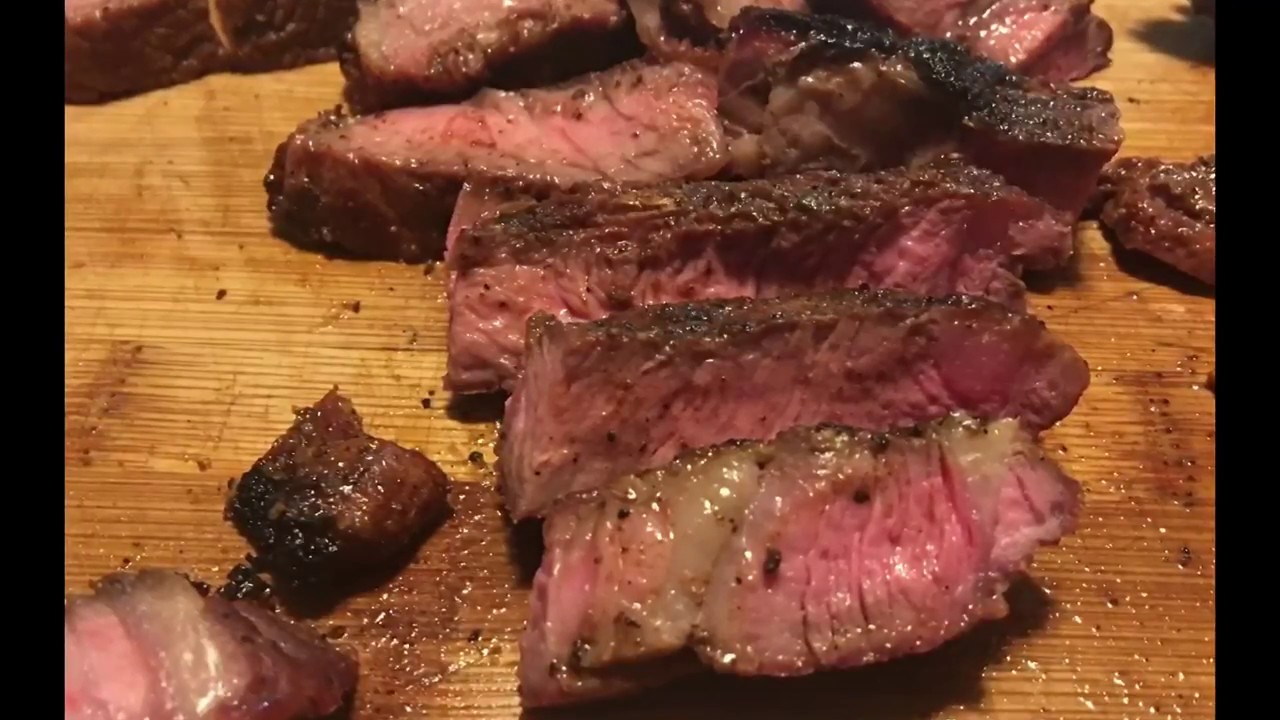
“Steakhouse steak has one secret that home cooks consistently ignore: temperature. Not internal temperature — pan temperature. Most home cooks put steak into a warm pan and wonder why they get gray, steamed meat instead of a crust. Texas Roadhouse gets that crust because their flat-tops run at 450°F minimum. Your cast-iron skillet can match that. This recipe shows you exactly how to get there — and how to build the butter baste that finishes the job.”
Why This Recipe Works
Texas Roadhouse doesn't have a secret ingredient. They have a hot surface, a seasoning blend, and a technique. All three are completely reproducible at home. What they have that most home kitchens lack is confidence — confidence to run the heat high, leave the steak alone, and trust the process.
The Temperature Problem
Steakhouse flat-tops and grill grates run at 450-500°F minimum. Your average home skillet, set to "high" and preheated for 90 seconds, hits maybe 350°F — barely enough for mediocre browning. This is the gap between restaurant steak and home steak. The solution isn't a better pan. It's more patience during preheat.
A cast-iron skillet heated for a full 3-4 minutes over high heat will reach 450°F and hold it. The mass of the iron acts as a thermal battery: it absorbs and stores energy so that when the cold steak makes contact, the temperature drop is minimal and the Maillard reaction begins immediately. Stainless steel doesn't hold heat the same way. Nonstick can't safely get there at all.
The clarified butter is not optional at this stage. Whole butter's milk solids burn at 300°F. At the pan temperatures required for a proper sear, whole butter goes from brown to black in 20 seconds. Clarified butter — or ghee — has those milk solids removed, raising the smoke point to 450°F. You get the richness and the nutty aroma without the acrid burn.
The Seasoning Architecture
Texas Roadhouse's signature seasoning blend is an open secret: coarse salt, black pepper, garlic, a touch of heat, smoked paprika for depth. The proportions matter more than the ingredients. Salt is the foundation and it needs to be aggressive — a 12-ounce steak can absorb more seasoning than feels intuitive. Press the blend into the surface rather than simply coating it. The goal is adhesion, not dusting.
Smoked paprika does two things: it contributes a subtle, wood-fire smokiness that mimics grill char, and its natural sugars aid in crust formation through caramelization. The liquid smoke in the baste reinforces this. Together, they give the steak a convincing steakhouse flavor even though it's cooked on a kitchen range.
The Basting Method
Butter-basting is a technique borrowed from French classical cooking and adapted by steakhouses worldwide for one simple reason: it works. By tilting the pan and continuously spooning hot, herb- and garlic-infused butter over the top surface of the steak, you cook it from two directions simultaneously. The bottom surface gets direct conductive heat from the cast iron. The top surface gets convective heat from the constantly moving hot butter.
This technique also serves as an accelerated flavor infusion. Fresh rosemary and thyme in hot butter release their volatile aromatic oils into the fat within 30 seconds. Those aromatics are then physically deposited onto the steak surface with every spoonful. It's the reason a butter-basted steak smells and tastes dramatically different from a dry-seared one — even when the internal temperature is identical.
Why the Rest Is Non-Negotiable
Muscle fibers contract under heat. Cut a steak the moment it leaves the pan and those contracted fibers express their moisture onto the cutting board — you'll see it pool immediately. Rest the same steak for 6 minutes and the fibers relax, reabsorbing that moisture. The difference on the plate is significant: one steak bleeds juice, the other is properly juicy when you eat it.
Rest uncovered. Tenting with foil traps steam against the crust you spent 10 minutes building, softening it within minutes. The crust is part of the dish. Protect it.
The unsalted butter resting on top of the hot steak melts slowly into the meat surface during the rest period, adding a final layer of richness that amplifies every flavor in the crust. It takes 3 seconds to do and it matters.
Where Beginners Mess This Up
Before we start, read this. These are the 4 reasons your copycat texas roadhouse steak (the cast-iron method that actually works) will fail:
- 1
Cooking cold steak straight from the fridge: A cold steak dropped into a hot pan drops the pan temperature immediately, turning your sear into a steam. The exterior stalls while the cold interior creates a massive temperature gradient. The result is gray, overcooked band of meat surrounding a thin pink center. Pull the steak 45 minutes before cooking. Let it hit room temperature. The sear will be faster, more even, and dramatically more flavorful.
- 2
Skipping the dry pat: Surface moisture is the enemy of the Maillard reaction. Any water on the steak surface must evaporate before the surface temperature can climb above 212°F — the temperature where browning actually begins. Paper towels cost nothing. Use them aggressively on every surface of the steak before seasoning.
- 3
Pulling the steak too early or too late on the crust: The first side should not be touched for 3-4 full minutes. Lifting and peeking drops the contact temperature and interrupts crust formation. A properly seared steak releases itself from the pan when it's ready. If it sticks, it's not done. When it releases cleanly, flip it.
- 4
Skipping the rest: Cutting a steak immediately after cooking releases all the juices onto the cutting board. The muscle fibers are still contracted from heat and need 5-7 minutes to relax and reabsorb moisture. Rest the steak uncovered — tenting it traps steam and softens the crust you just spent 10 minutes building.
The Video Reference Library
Want to see it in action? Here are the exact videos we analyzed and combined to build this foolproof recipe translation:
The foundational video for understanding pan temperature, basting angle, and what a proper crust looks and sounds like. Clear close-ups of the butter-basting motion that coats every surface of the meat.
🛠️ Core Equipment
- Cast-iron skilletRetains heat better than any other pan material. When you lay a cold steak on stainless steel, the pan temperature drops 50-100°F. Cast iron holds its temperature and keeps the sear going. A [well-seasoned cast-iron skillet](/kitchen-gear/review/cast-iron-skillet) is non-negotiable for this recipe.
- Instant-read thermometerThe difference between medium-rare (130°F) and medium (140°F) is exactly 10 degrees — achievable in under 2 minutes on a hot pan. Guessing is how you ruin a $25 steak. Pull at 125°F internal; carryover heat brings it to 130°F during the rest.
- Long-handled tongsFor flipping and for pressing the steak edge-down to sear the fat cap. Never use a fork — every puncture during cooking releases juice you cannot get back.
- A heavy cutting boardThe steak rests here after cooking. A thin board absorbs the juices that pool underneath. Use a thick [wood or composite cutting board](/kitchen-gear/review/cutting-board) with a juice groove around the perimeter.
Copycat Texas Roadhouse Steak (The Cast-Iron Method That Actually Works)
🛒 Ingredients
- ✦2 ribeye or New York strip steaks, 1.5 inches thick (12 oz each)
- ✦2 tablespoons kosher salt
- ✦1 tablespoon freshly cracked black pepper
- ✦2 teaspoons garlic powder
- ✦1 teaspoon onion powder
- ✦1 teaspoon smoked paprika
- ✦1/2 teaspoon cayenne pepper
- ✦1/2 teaspoon dried thyme
- ✦1/4 teaspoon dried oregano
- ✦3 tablespoons clarified butter or ghee, divided
- ✦2 tablespoons unsalted butter
- ✦4 cloves fresh garlic, minced
- ✦2 sprigs fresh rosemary
- ✦2 sprigs fresh thyme
- ✦1 teaspoon Worcestershire sauce
- ✦1/2 teaspoon liquid smoke
- ✦Sea salt to taste
- ✦Cracked black pepper to taste
👨🍳 Instructions
01Step 1
Remove the steaks from the refrigerator 45 minutes before cooking to allow them to reach room temperature.
02Step 2
Pat the steaks completely dry on all sides with paper towels.
03Step 3
Combine kosher salt, cracked black pepper, garlic powder, onion powder, smoked paprika, cayenne pepper, dried thyme, and dried oregano in a small bowl.
04Step 4
Generously season both sides and the edges of each steak with the spice blend, pressing it firmly into the meat so it adheres.
05Step 5
Heat a [cast-iron skillet](/kitchen-gear/review/cast-iron-skillet) over high heat for 3-4 minutes until extremely hot and just beginning to smoke.
06Step 6
Add 1.5 tablespoons of clarified butter to the hot skillet and swirl to coat the surface.
07Step 7
Carefully place the steaks in the skillet and sear without moving them for 3-4 minutes until a deep golden-brown crust forms on the first side.
08Step 8
Flip the steaks and sear the second side for 3-4 minutes, then reduce heat to medium-high.
09Step 9
Add the remaining clarified butter, minced garlic, rosemary sprigs, and thyme sprigs to the pan around the steaks.
10Step 10
Tilt the skillet so the butter pools at one edge and continuously spoon it over the steaks for 2-3 minutes. Keep tilting and basting in a steady rhythm.
11Step 11
Add Worcestershire sauce and liquid smoke to the butter and continue basting for another 1-2 minutes.
12Step 12
Check internal temperature. Pull steaks at 125°F for medium-rare. Transfer to a cutting board and immediately top each steak with a tablespoon of unsalted butter.
13Step 13
Rest the steaks uncovered for 5-7 minutes before slicing.
14Step 14
Taste and adjust seasoning with additional sea salt and cracked black pepper before serving.
Nutrition Per Serving
Estimates based on standard preparation. Adjustments alter macros.
🔄 Substitutions
Instead of Clarified butter (for basting)...
Use Avocado oil or grass-fed ghee
Avocado oil has a higher smoke point and more polyphenols but loses the dairy richness. Ghee is lactose-free, contains butyrate, and behaves nearly identically to clarified butter in the pan.
Instead of Kosher salt...
Use Sea salt with kelp flakes (reduce volume by 20%)
Reduces sodium intake by 20-30% while adding iodine and a subtle umami note. Use sparingly — kelp amplifies saltiness.
Instead of Worcestershire sauce...
Use Coconut aminos or tamari
Reduces sodium by roughly 50%. Coconut aminos is gluten-free and mildly sweeter. Tamari is closer to Worcestershire in depth. Either maintains the umami backbone.
Instead of Standard ribeye or strip steak...
Use Grass-fed, pasture-raised ribeye or strip steak
Higher omega-3 fatty acids, CLA, and antioxidant content. Slightly leaner and with a more pronounced mineral flavor. Grass-fed beef cooks slightly faster due to lower fat content — reduce sear time by 30 seconds per side.
🧊 Storage & Reheating
In the Fridge
Store leftover steak in an airtight container for up to 3 days. Keep it whole rather than sliced — sliced steak dries out faster.
In the Freezer
Freeze tightly wrapped individual steaks for up to 2 months. Thaw overnight in the fridge, not on the counter.
Reheating Rules
The only acceptable reheat method: place the steak on a wire rack over a sheet pan in a 250°F oven for 20-25 minutes until warmed through, then sear in a hot cast-iron for 60 seconds per side to re-establish the crust. Microwave reheating destroys everything you built.
❓ Frequently Asked Questions
What cut does Texas Roadhouse actually use?
Texas Roadhouse is known for hand-cutting their steaks in-house daily, primarily using ribeye and USDA Choice New York strip. For this copycat, both cuts work. Ribeye has more marbling and is more forgiving for home cooks. Strip has a cleaner beefy flavor and better chew.
How do I know when my pan is hot enough?
It should just be starting to smoke. A drop of water flicked in should evaporate instantly with an aggressive spit. If the water pools and rolls around, the pan is not hot enough. Insufficient pan heat is the number one reason home steaks come out gray instead of seared.
Can I use a regular stainless steel or nonstick pan?
Stainless steel works but loses heat faster when the steak hits it, resulting in a weaker crust. Nonstick pans cannot safely withstand the heat required for proper searing — you risk damaging the coating and producing inadequate crust. Cast iron is the correct tool for this job.
What internal temperature should I pull the steak at?
Pull at 125°F for medium-rare — carryover cooking during the 5-7 minute rest brings it to 130°F. Pull at 130°F for medium (finishes at 140°F). Beyond 145°F internal, the muscle fibers begin expressing moisture and the steak becomes progressively drier.
Why does my butter burn during basting?
You're using whole butter too early. Whole butter burns because of the milk solids it contains. Use clarified butter or ghee for the initial sear and basting. Add the whole unsalted butter only at the very end when you top the resting steak — at that point, there's no direct heat to burn it.
Do I need to score or tenderize the steak?
No. A 1.5-inch ribeye or strip steak does not need mechanical tenderizing. Scoring the surface releases internal moisture during cooking. Salt the steak generously, cook to medium-rare, and rest properly — those three things will produce a tender result without any additional treatment.
The Science of
Copycat Texas Roadhouse Steak (The Cast-Iron Method That Actually Works)
We turned everything on this page into a beautiful, flour-proof PDF cheat sheet. Print it out, stick it to your fridge, and never mess up your copycat texas roadhouse steak (the cast-iron method that actually works) again.
*We'll email you the high-res PDF instantly. No spam, just perfectly cooked meals.
AlmostChefs Editorial Team
We translate the internet's most popular cooking videos into foolproof, beginner-friendly written recipes. We analyze multiple methods, test them in our kitchen, and engineer a single "Master Recipe" that gives you the best possible result with the least possible stress.