Copycat Texas Roadhouse Loaded Sweet Potato (Better Than the Restaurant)
A perfectly baked sweet potato loaded with cinnamon-coconut sugar, toasted pecans, and a creamy Greek yogurt topping — all the indulgence of the Texas Roadhouse original with smarter ingredients that won't spike your blood sugar. We reverse-engineered the restaurant method and made it better.

“The Texas Roadhouse Loaded Sweet Potato has a cult following for a reason. Crispy skin, fluffy interior, butter-soaked flesh, cinnamon sugar, toasted pecans, cold cream on top — it hits every register at once. The problem is it also delivers 680mg of sodium and 28g of fat before your actual entrée arrives. We kept everything that makes it work and cut everything that doesn't. Same flavor architecture. Smarter execution.”
Why This Recipe Works
The Texas Roadhouse Loaded Sweet Potato is not complicated food. It is comfort food executed with precision — a plain vegetable transformed by heat, fat, and layered sweetness into something that makes people order it as a side dish and then quietly eat it like it's dessert. The reason most homemade versions fall short isn't ingredient quality. It's technique at two specific moments: how you bake the potato and how you build the toppings.
The Baking Method Is Everything
Sweet potatoes baked on a foil-lined sheet come out with soft, pale skin and uneven interiors because the sheet traps steam beneath the potato. The bottom surface poaches in its own moisture while the top roasts. You get two different textures in the same vegetable.
The fix is obvious once you've seen it: bake the potato directly on the oven rack at 400°F with a bare rimmed baking sheet on the rack below to catch drips. Circulating hot air reaches every surface simultaneously. The skin wrinkles, tightens, and develops a thin papery crisp that contrasts the interior in a way that a sheet-baked potato simply cannot replicate. This is how steakhouses do it. This is why their version tastes different from yours.
Potato size matters more than most recipes admit. Eight-ounce medium potatoes hit the sweet spot at 400°F in 45-50 minutes. Larger potatoes need more time and tend to develop dry spots at the tapered ends. Buy potatoes that are roughly cylindrical, not tapered, and try to match them in size so they all finish at the same time.
The Fluffing Technique
Cutting the potato and dragging a fork across the surface is not fluffing. Fluffing is a structural intervention. You drive the fork deep into the interior flesh and pull upward and outward, creating peaks, valleys, and crevices across the entire cut surface. The more irregular the terrain, the more surface area there is for butter to pool and cinnamon-sugar to adhere.
The butter goes on first, directly onto the hot fluffed flesh. At 200°F interior temperature, it melts on contact and runs into every crevice you created. Then the cinnamon-sugar mixture goes on top of the butter — it hits wet, hot fat and immediately dissolves into it instead of sitting as dry powder. This is the difference between a sweet potato that tastes seasoned throughout and one where all the flavor is sitting on the surface.
The Greek Yogurt Swap
Full-fat sour cream is what Texas Roadhouse uses. It works because it's cold, thick, and fatty enough to sit on top of the hot potato without immediately melting into it. Greek yogurt can do the same job with significantly more protein and less fat — but only if it's at room temperature. Cold Greek yogurt hits the hot potato and the whey separates instantly, leaving a watery pool instead of a creamy dollop. Pull it from the fridge 20 minutes before you need it. Add the maple syrup and vanilla while it's still cold so they incorporate properly, then let the whole thing come to room temperature together.
The vanilla extract is not optional. It shifts the Greek yogurt's flavor profile from savory-tangy to dessert-adjacent, which is exactly where this dish lives. Without it, the yogurt reads as a condiment. With it, it reads as the finishing layer of something intentional.
The Pecan Logic
The original Texas Roadhouse version uses pre-roasted salted pecans. They work, but they bring 200mg of sodium and 40 calories of added oil that don't contribute anything you can't replicate better. Dry-toasting raw pecans in a dry skillet for 3-4 minutes drives the moisture out of the nut and heats the natural oils from within. The result is a cleaner, more intensely pecan-flavored crunch with no added fat and dramatically less sodium. The technique takes four minutes. The difference is worth it.
The honey drizzle at the end is structural, not decorative. It creates a thin glaze over the pecans that prevents them from scattering when the potato is cut or eaten. It also bridges the cinnamon-sugar layer below and the yogurt layer above, giving the whole assembly a coherent sweetness that reads as restaurant-quality rather than assembled-at-home.
Where Beginners Mess This Up
Before we start, read this. These are the 4 reasons your copycat texas roadhouse loaded sweet potato (better than the restaurant) will fail:
- 1
Baking the potato on a foil-lined sheet instead of directly on the rack: The skin goes soft and steams instead of crisping. Texas Roadhouse bakes their potatoes directly on the oven rack. The circulating heat hits every surface. A foil sheet traps moisture underneath and you get a limp, pallid skin instead of the wrinkled, slightly crispy exterior that makes the whole experience work.
- 2
Under-seasoning the flesh before topping: The toppings are bold but they sit on top. The interior flesh needs its own seasoning layer — the cinnamon-sugar mixture should be pressed into the fluffed interior, not just dusted over it. If the potato itself tastes bland, no amount of topping rescues it.
- 3
Using cold Greek yogurt straight from the fridge: Cold yogurt on a hot potato creates a temperature shock that makes the topping look curdled and runny. Pull the Greek yogurt out 20 minutes before serving. Room temperature yogurt sits properly, holds its shape, and melts into the potato gradually instead of instantly pooling.
- 4
Skipping the dry toast on the pecans: Pre-roasted pecans sold in bags have added oil and salt that muddies the flavor profile and adds unnecessary sodium. Dry-toasting raw pecans in a skillet for 3-4 minutes unlocks their natural oils from the inside out. The difference in aroma and crunch is immediate and significant.
The Video Reference Library
Want to see it in action? Here are the exact videos we analyzed and combined to build this foolproof recipe translation:
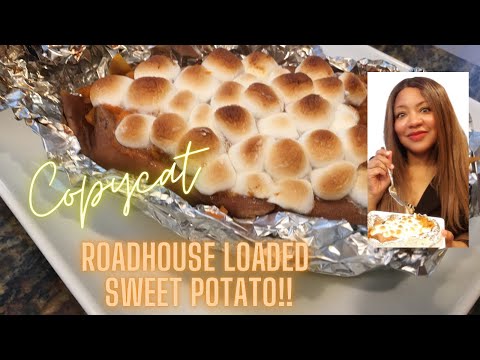
The source video that anchors this recipe's technique — particularly useful for understanding the topping ratios and assembly sequence that matches the restaurant presentation.
2. How to Bake the Perfect Sweet Potato
Covers the oven-rack baking method that produces crispy skin versus the foil-sheet method that produces steamed, soft skin. Essential context for understanding why placement matters.
3. Toasted Pecans and Nut Finishing TechniquesDetailed walkthrough of dry-skillet toasting versus oil-roasting for tree nuts — explains the flavor and texture difference and the visual cues for when nuts are done.
🛠️ Core Equipment
- Rimmed baking sheet ↗Positioned on the rack below the potatoes to catch any drips. The potatoes go directly on the rack above — this setup gives you the crispy skin without the oven mess.
- Dry skillet ↗For toasting the pecans without any added oil. A heavy stainless or cast iron skillet holds even heat and prevents the pecans from scorching on one side while staying raw on the other.
- Fork ↗For fluffing the interior after cutting. The technique matters — you're not just mashing. You want to break up the flesh into light, irregular pillows so the cinnamon-sugar and butter melt into the crevices instead of sitting on a flat surface.
- Vegetable brush ↗The skin gets eaten. It needs a proper scrub, not just a rinse. A brush removes the soil caught in the ridges that a fingernail can't reach.
Copycat Texas Roadhouse Loaded Sweet Potato (Better Than the Restaurant)
🛒 Ingredients
- ✦4 medium sweet potatoes (about 8 oz each)
- ✦3 tablespoons unsalted butter
- ✦2 tablespoons ground cinnamon
- ✦3 tablespoons coconut sugar or organic cane sugar
- ✦1/2 cup raw pecans, chopped
- ✦1/4 teaspoon sea salt
- ✦1/4 teaspoon ground nutmeg
- ✦1/2 cup plain Greek yogurt, at room temperature
- ✦1 tablespoon maple syrup
- ✦1/2 teaspoon vanilla extract
- ✦1 tablespoon honey, for drizzling
- ✦2 tablespoons chopped fresh sage or thyme (optional garnish)
- ✦1/4 cup mini chocolate chips (optional)
- ✦2 tablespoons toasted coconut flakes (optional)
👨🍳 Instructions
01Step 1
Preheat your oven to 400°F. Position one rack in the center of the oven and place a rimmed baking sheet on the rack below to catch drips.
02Step 2
Scrub each sweet potato thoroughly under running water with a vegetable brush. Pat completely dry with paper towels.
03Step 3
Pierce each sweet potato 8-10 times all over with a fork to allow steam to escape during baking.
04Step 4
Place the pierced sweet potatoes directly on the center oven rack (above the baking sheet). Bake for 45-50 minutes until completely tender when pierced with a knife and the skin is slightly wrinkled and taut.
05Step 5
While the potatoes bake, combine the cinnamon, coconut sugar, sea salt, and nutmeg in a small bowl. Stir to combine and set aside.
06Step 6
In a separate small bowl, whisk the Greek yogurt, maple syrup, and vanilla extract together until smooth. Set aside at room temperature.
07Step 7
Toast the chopped raw pecans in a dry skillet over medium heat for 3-4 minutes, stirring constantly, until fragrant and lightly browned. Transfer immediately to a plate to stop cooking.
08Step 8
Remove the sweet potatoes from the oven and rest for 2-3 minutes. Cut each potato in half lengthwise.
09Step 9
Fluff the interior of each potato half firmly with a fork, pushing outward from the center to create peaks and crevices in the flesh. Add a portion of the butter to each half and let it melt into the fluffed flesh.
10Step 10
Sprinkle the cinnamon-sugar mixture generously over each potato half, pressing lightly so it adheres to the butter-soaked flesh.
11Step 11
Add a generous dollop (about 2 tablespoons) of the Greek yogurt mixture to the center of each potato half.
12Step 12
Scatter toasted pecans over each potato half. Drizzle lightly with honey.
13Step 13
Add optional toppings — fresh herbs, mini chocolate chips, or toasted coconut flakes — if using. Serve immediately.
Nutrition Per Serving
Estimates based on standard preparation. Adjustments alter macros.
🔄 Substitutions
Instead of Greek yogurt topping...
Use Full-fat sour cream
Closer to the original Texas Roadhouse version. Richer, slightly less tangy, significantly higher in fat. Use if you're not concerned with the nutritional modifications.
Instead of Coconut sugar...
Use Brown sugar
Higher glycemic index but deeper molasses flavor. Brown sugar melts more readily into the hot flesh. Use dark brown sugar for maximum flavor impact.
Instead of Butter...
Use Coconut oil (same quantity)
Dairy-free option. Adds a subtle tropical note that pairs surprisingly well with the cinnamon and pecans. Use refined coconut oil if you want neutral flavor.
Instead of Pecans...
Use Walnuts or candied pecans
Walnuts are sharper and slightly more bitter — reduce the quantity by 20% to avoid overwhelming the sweet profile. Candied pecans push this further into dessert territory.
🧊 Storage & Reheating
In the Fridge
Store assembled potato halves in an airtight container for up to 3 days. The toppings will soften but the flavor holds well.
In the Freezer
Freeze the plain baked potatoes (without toppings) for up to 3 months. Thaw overnight in the fridge and re-crisp in a 375°F oven for 10 minutes before topping.
Reheating Rules
Reheat uncovered in a 375°F oven for 10-12 minutes. Microwave makes the skin rubbery and the flesh watery — avoid it. Add fresh yogurt topping after reheating, not before.
❓ Frequently Asked Questions
Why does Texas Roadhouse's version taste so much richer than homemade?
Volume butter and full-fat sour cream. The restaurant uses approximately 4-6 tablespoons of butter per potato, not the 3 tablespoons in this recipe. If you want to match the restaurant flavor exactly, increase the butter. This recipe trades some of that richness for a better nutrition profile.
Can I microwave the sweet potato instead of baking it?
You can, but you'll lose the crispy skin entirely. Microwave for 8-10 minutes on high, turning halfway. The interior texture is comparable but the skin goes soft and the overall result is noticeably less satisfying. Reserve the microwave for weekday lunches, not for guests.
Is coconut sugar actually healthier than white sugar?
Marginally. Coconut sugar has a glycemic index of approximately 35 versus 65 for white sugar, and contains trace amounts of minerals like zinc and iron. The practical difference at the quantities used here is small — the bigger benefit is the flavor, which is more complex and caramel-forward than plain white sugar.
My pecans burned. What happened?
The heat was too high or you walked away. Pecans have high fat content that goes from raw to burnt very quickly once the pan reaches the right temperature. Use medium heat, not medium-high. Stay at the stove and stir constantly. Pull them the moment you can smell them — they're done.
Can I prep this ahead for a dinner party?
Yes. Bake the potatoes up to 4 hours ahead and hold them wrapped in foil at room temperature. Toast the pecans and make the yogurt topping up to 1 day ahead (store covered in the fridge). Reheat the potatoes uncovered in a 375°F oven for 8 minutes, then assemble and serve. Do not assemble ahead — the toppings make the skin soggy.
What's the best main course to serve this with?
Anything with a char or smoke note — grilled chicken, smoked ribs, a seared steak. The sweet-spiced profile of the potato needs contrast from something savory and slightly bitter. It pairs poorly with anything creamy or starchy as the main course.
The Science of
Copycat Texas Roadhouse Loaded Sweet Potato (Better Than the Restaurant)
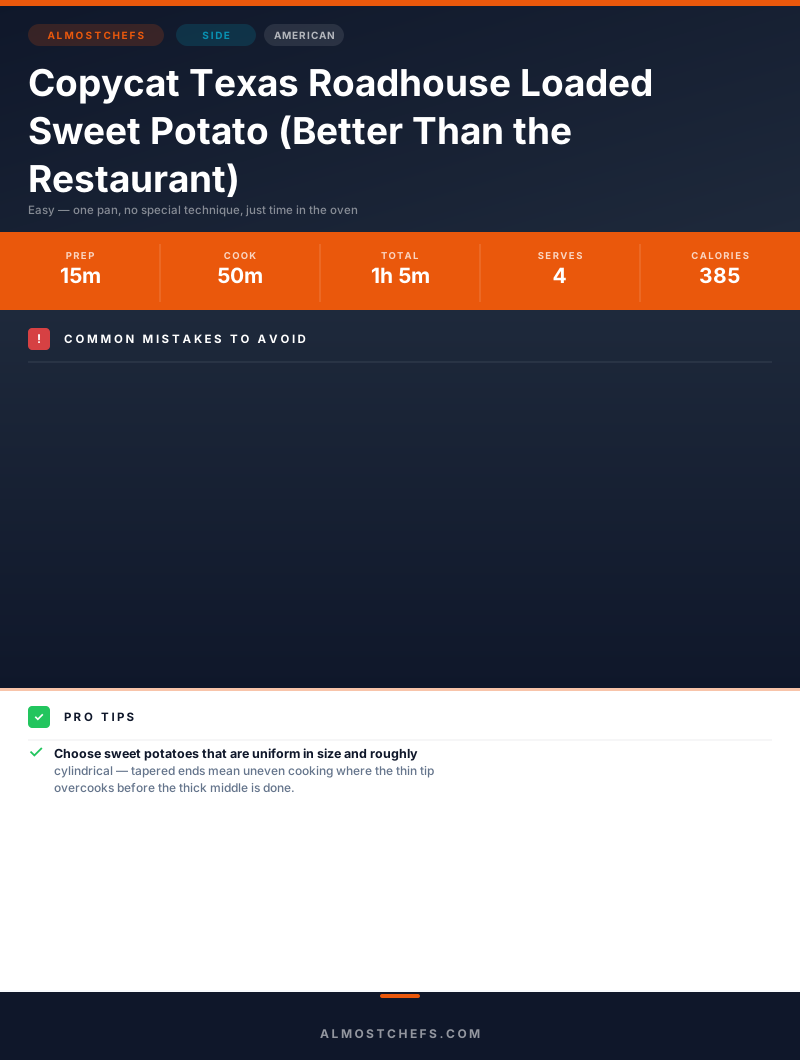
We turned everything on this page into a beautiful, flour-proof PDF cheat sheet. Print it out, stick it to your fridge, and never mess up your copycat texas roadhouse loaded sweet potato (better than the restaurant) again.
*We'll email you the high-res PDF instantly. No spam, just perfectly cooked meals.
AlmostChefs Editorial Team
We translate the internet's most popular cooking videos into foolproof, beginner-friendly written recipes. We analyze multiple methods, test them in our kitchen, and engineer a single "Master Recipe" that gives you the best possible result with the least possible stress.