Copycat Texas Roadhouse Green Beans (The Bacon-Butter Secret)
Crispy bacon, garlic butter, and tender-crisp green beans cooked the way Texas Roadhouse actually does it. We reverse-engineered the steakhouse's most-requested side dish into a 35-minute weeknight recipe that costs a fraction of the restaurant price.
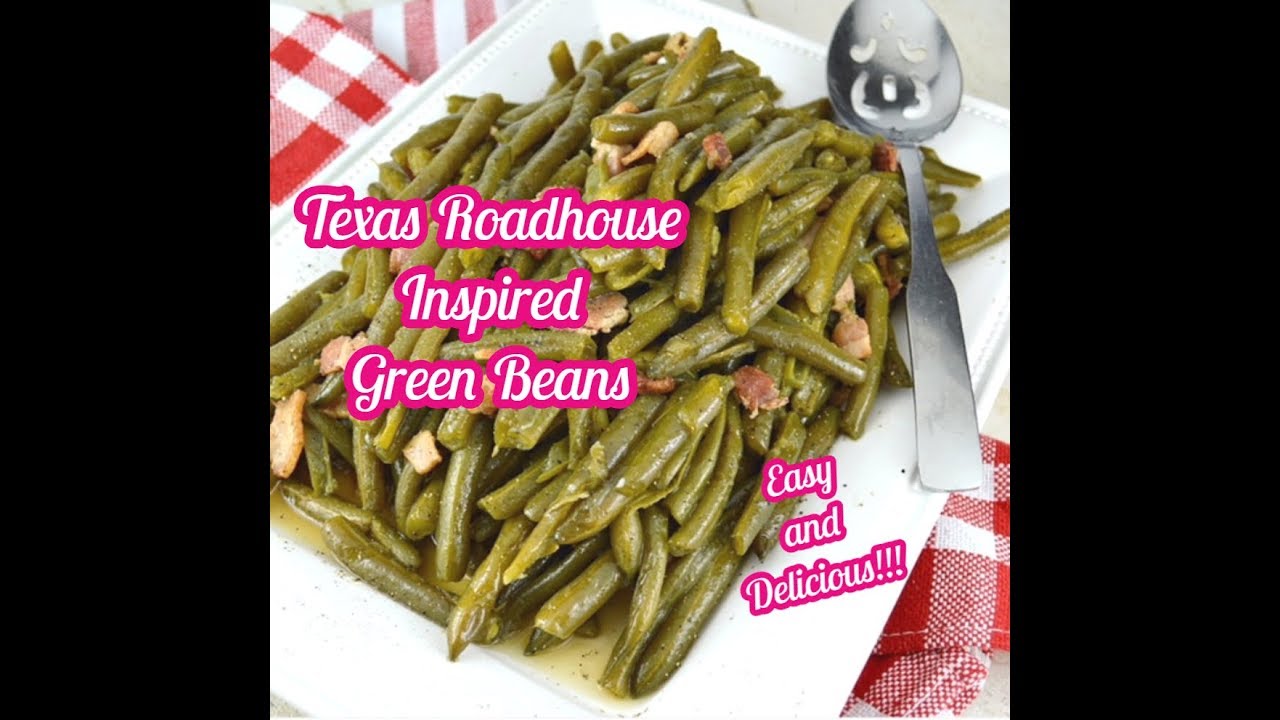
“Every steakhouse has a signature side that keeps people coming back. For Texas Roadhouse, it's the green beans. Not because they're complicated — they're not. It's because they figured out the exact ratio of bacon fat to butter, the right moment to deglaze, and why a splash of acid at the end changes everything. We broke down the technique so you can replicate it exactly, at home, in under 40 minutes.”
Why This Recipe Works
Texas Roadhouse built a side dish empire on green beans. Not on their steaks, not on their rolls — on green beans. The reason is not sentimentality and it is not marketing. It is technique. Three specific decisions made at the restaurant level that most home cooks either don't know about or actively skip because the recipes they find online have been sanitized into uselessness. This is not one of those recipes.
The Blanch Is Not a Suggestion — It Is Load-Bearing Infrastructure
Throwing raw green beans into a hot skillet is one of the most reliable ways to ruin a vegetable that didn't ask to be ruined. The physics are against you from the start. The exterior surface of a raw bean reaches sear temperature and begins to char while the dense, fibrous interior — insulated by cell walls that haven't been broken down by any heat at all — remains squeaky, tough, and entirely unpleasant. You end up with two incompatible textures in the same bite: burnt and raw simultaneously.
The blanch in a large pot solves this structurally, not incidentally. Four to five minutes at a rolling boil in heavily salted water does three things at once. First, it pre-cooks the beans 60 to 70 percent of the way, collapsing the cell walls enough that the final sauté becomes finishing work rather than primary cooking. Second, it seasons the beans from the inside out — sodium ions penetrate the cell walls during this window, something that never happens when you add salt to a finished dish and call it done. Third, and most importantly for the visual: the salt in the blanching water undergoes an ion exchange with the magnesium at the center of the chlorophyll molecule in the bean's skin, actively intensifying the green color rather than dulling it. Blanching in plain water produces olive-drab, sad beans. Blanching in water that tastes like mild seawater produces the vivid, saturated green that reads as fresh and appetizing from across a table. This is food chemistry, not preference.
After blanching, the beans go into a colander — and they need to be shaken hard and drained completely. Wet beans entering a hot skillet don't sauté. They steam. Steam makes them soft and flabby and strips out the glaze before it ever has a chance to form. Shake the colander until the water stops dripping. This is not optional fastidiousness. It is the difference between beans that caramelize at the edges and beans that collapse.
Fat Architecture: The Layered System Texas Roadhouse Actually Uses
This dish is built on a deliberate stack of fats, each performing a distinct function, none of them interchangeable with the others.
The bacon renders first in a large cast iron skillet, and it renders slowly over medium-high heat for seven to eight minutes until the fat is fully liquid and the meat is genuinely crisp — not merely cooked, but structurally rigid. The crispy bacon strips drain on paper towels to shed excess surface grease that would turn them limp within minutes of being reintroduced to the dish. This step is mechanical, not decorative. Soggy bacon folded back into a hot pan will be mush by the time it reaches the table.
The rendered fat left behind in the skillet — exactly two tablespoons, measured — is the smoky aromatic base that defines the entire dish. This is not a byproduct to be discarded. It is an ingredient. Drain it all and substitute pure butter, and what you have is garlic butter green beans: a fine dish, but an entirely different one. The bacon fat is what gives the final result its steakhouse character, that particular savory depth that makes people ask what's in it even though they're eating green beans.
Butter goes in next, melting into the residual bacon fat to create a blended cooking medium with a higher smoke point than butter alone and a more complex flavor than bacon fat alone. The onion softens in this combined fat over medium heat, becoming translucent and sweet — a flavor foundation, not a textural element. Then the garlic goes in last, for exactly sixty seconds, with constant stirring. Garlic at medium heat burns in under ninety seconds. Burnt garlic does not just taste unpleasant — it releases sulfur compounds that make the entire dish bitter in a way that no amount of acid or sugar will fix. Sixty seconds. Stirring the entire time. Then the broth goes in immediately to drop the pan temperature and stop the process.
The chicken broth deglazes the pan and forms an emulsified glaze with the fats already present. This is the mechanism that coats every bean with flavor rather than leaving it pooled at the bottom of the skillet.
The Acid Finish: The Step That Separates Restaurant Food From Home Food
Here is the technique that most home recipes omit, either because they don't understand it or because they assume it's unnecessary. It is neither.
Apple cider vinegar, added off-heat after the skillet has been removed from the burner, does not make this dish taste sour. It makes the dish taste louder. Fat-heavy preparations suppress your ability to perceive individual flavors at their full intensity — a phenomenon related to how lipids coat taste receptors and dampen signal transmission. A small amount of acid at the finish disrupts this effect. It cuts through the fat layer, resets the palate, and makes the garlic, the bacon, and the savory broth register more clearly and more fully than they would without it. Without the vinegar, the dish is rich and good. With the vinegar, it is complete. Every flavor arrives at the palate correctly.
The vinegar goes in off-heat because acetic acid volatilizes rapidly above 100°C. Added to a still-hot pan, it evaporates before it can do anything useful. Added off-heat, it stays in the dish, coats the beans, and performs its function all the way to the table.
The toasted almonds — optional in the ingredient list, but worth taking seriously — exist for the same structural reason as the acid. Tender beans, yielding bacon, glossy emulsified sauce. Everything in this dish is soft by the time it reaches serving. The almonds provide the one element of resistance, a textural interruption that makes every other bite more interesting by contrast. Toast them dry in the same skillet for two to three minutes before you start the bacon. One pan, no wasted steps.
This is a 35-minute side dish that costs a fraction of what Texas Roadhouse charges for it. The technique is not complicated. It is just specific — and specificity, followed exactly, is what makes it work.
Where Beginners Mess This Up
Before we start, read this. These are the 4 reasons your copycat texas roadhouse green beans (the bacon-butter secret) will fail:
- 1
Skipping the blanch: Green beans thrown raw into a skillet cook unevenly — the outsides blister and burn while the centers stay fibrous and squeaky. A 4-5 minute blanch in boiling salted water sets the color, pre-softens the cell walls, and ensures every bean finishes tender-crisp at the same time during the sauté.
- 2
Draining all the bacon fat: The bacon fat is not a byproduct — it's an ingredient. Leaving exactly 2 tablespoons in the pan is what gives the dish its distinctive steakhouse richness. Drain it all and replace with butter only, and you lose the smoky depth that defines the dish.
- 3
Adding the garlic too early: Garlic goes in after the onion is translucent, not at the same time. Garlic burns in about 60 seconds at medium-high heat. Burnt garlic turns the entire dish bitter and there's no recovering it. One minute of cooking, stirring constantly — that's all it needs.
- 4
Skipping the acid finish: Apple cider vinegar added off-heat at the end brightens the entire dish. Without it, the beans taste flat and fatty. The vinegar doesn't make the dish taste sour — it makes every other flavor louder. This is the step most home cooks omit and the one that makes the biggest difference.
The Video Reference Library
Want to see it in action? Here are the exact videos we analyzed and combined to build this foolproof recipe translation:
The source video that breaks down the restaurant technique step by step, including the exact bacon fat retention method and the acid finish.
🛠️ Core Equipment
- Large heavy skillet or cast iron panEven heat distribution prevents garlic from burning in hot spots while onions are still softening. A thin pan creates uneven zones that make timing nearly impossible.
- Large pot for blanchingYou need enough water to keep the boil rolling when the beans go in. A cramped pot drops temperature and extends cook time, which softens the beans too much before they hit the skillet.
- ColanderDrain fast and drain completely. Wet beans steam instead of sauté, and steam makes them soggy. Shake the colander hard after draining.
- Paper towelsFor draining the bacon. Soggy bacon added back to the dish at the end turns limp within minutes. Crisp bacon stays crisp through serving.
Copycat Texas Roadhouse Green Beans (The Bacon-Butter Secret)
🛒 Ingredients
- ✦2 pounds fresh green beans, trimmed
- ✦6 slices thick-cut bacon, chopped
- ✦3 tablespoons unsalted butter
- ✦1 medium yellow onion, diced
- ✦4 cloves garlic, minced
- ✦1/2 cup low-sodium chicken broth
- ✦1/4 teaspoon black pepper
- ✦1/2 teaspoon sea salt
- ✦1/4 teaspoon garlic powder
- ✦1/4 teaspoon red pepper flakes
- ✦2 tablespoons fresh parsley, chopped
- ✦1 tablespoon apple cider vinegar
- ✦2 tablespoons sliced almonds, toasted (optional)
👨🍳 Instructions
01Step 1
Bring a large pot of generously salted water to a rolling boil. Add the trimmed green beans and cook for 4-5 minutes until bright green and tender-crisp.
02Step 2
Drain the beans immediately in a colander and shake vigorously to remove excess water. Set aside.
03Step 3
In a large skillet over medium-high heat, cook the chopped bacon until crispy, about 7-8 minutes. Transfer bacon to a paper towel-lined plate. Leave exactly 2 tablespoons of bacon fat in the skillet — drain the rest.
04Step 4
Add the butter to the bacon fat in the skillet and let it melt over medium heat.
05Step 5
Add the diced onion and sauté for 3-4 minutes, stirring occasionally, until translucent and fragrant.
06Step 6
Add the minced garlic and cook for exactly 1 minute, stirring constantly.
07Step 7
Pour in the chicken broth and stir in the black pepper, sea salt, garlic powder, and red pepper flakes. Scrape up any browned bits from the bottom of the pan.
08Step 8
Add the drained green beans and toss well to coat with the sauce. Sauté for 2-3 minutes, stirring occasionally, until heated through and lightly glazed.
09Step 9
Remove the skillet from heat. Stir in the crispy bacon pieces and the apple cider vinegar.
10Step 10
Taste and adjust salt and pepper as needed.
11Step 11
Transfer to a serving dish and garnish with fresh parsley and toasted almonds if using. Serve immediately.
Nutrition Per Serving
Estimates based on standard preparation. Adjustments alter macros.
🔄 Substitutions
Instead of Thick-cut bacon...
Use 4 slices thick-cut bacon plus 1 tablespoon smoked paprika
Reduces overall fat by roughly 30% while preserving the smoky flavor profile. The paprika compensates for the rendered fat reduction.
Instead of Unsalted butter...
Use Grass-fed butter or avocado oil
Grass-fed butter has a better fat profile and a slightly nuttier flavor. Avocado oil works for dairy-free versions but loses the richness.
Instead of Low-sodium chicken broth...
Use Bone broth
Richer mouthfeel and deeper umami. The collagen content adds a slight body to the sauce that chicken broth can't replicate.
Instead of Yellow onion...
Use Red onion
Slightly sweeter and contains more quercetin, an antioxidant compound. The color bleeds into the sauce, giving it a slightly purple tint — not a problem, just a visual difference.
🧊 Storage & Reheating
In the Fridge
Store in an airtight container for up to 3 days. The beans will soften slightly but the flavor improves as the bacon and garlic meld.
In the Freezer
Not recommended. Green beans turn mushy after freezing and thawing. Make only what you'll eat.
Reheating Rules
Reheat in a skillet over medium heat with a splash of chicken broth, covered, for 3-4 minutes. Microwaving works but the beans lose their texture — use the stovetop if you can.
❓ Frequently Asked Questions
Can I use frozen green beans instead of fresh?
You can, but expect a softer result. Frozen beans have already been blanched before freezing, so they enter the skillet more cooked than fresh. Skip the blanching step entirely and go straight to the sauté. Reduce the sauté time to 1-2 minutes or they'll turn mushy.
Why does Texas Roadhouse's version taste so much richer?
Restaurants use significantly more butter than any recipe admits to — often 2-3x the amount a home recipe lists. They also cook the beans in the same pan that's been used for steaks all service, meaning the fond (browned bits) from meat is built into the base. You can approximate this by not cleaning your skillet between uses, or by adding a small splash of Worcestershire with the broth.
Can I make this ahead of time?
You can blanch the beans and cook the bacon up to a day ahead. Store them separately in the fridge. The final sauté takes under 10 minutes — do that fresh before serving. Fully assembled and reheated beans lose the textural contrast that makes the dish work.
What protein does this pair best with?
It was designed to sit next to a ribeye, and that's still where it shines. But it also works alongside grilled chicken, pork chops, or any roasted meat that benefits from a bright, savory counterpoint. The acid finish in the beans cuts through fatty mains particularly well.
Do I have to use apple cider vinegar?
No, but use some acid. White wine vinegar, lemon juice, or even a small splash of dry white wine all work. The specific acid matters less than the principle: fat-heavy dishes need brightness at the end. Without it, the beans taste one-dimensional.
How do I keep the bacon crispy after adding it back?
Add it off-heat and serve immediately. Crispy bacon turns soggy when it sits in hot liquid. If you're not serving immediately, keep the bacon separate and fold it in right before plating.
The Science of
Copycat Texas Roadhouse Green Beans (The Bacon-Butter Secret)
We turned everything on this page into a beautiful, flour-proof PDF cheat sheet. Print it out, stick it to your fridge, and never mess up your copycat texas roadhouse green beans (the bacon-butter secret) again.
*We'll email you the high-res PDF instantly. No spam, just perfectly cooked meals.
AlmostChefs Editorial Team
We translate the internet's most popular cooking videos into foolproof, beginner-friendly written recipes. We analyze multiple methods, test them in our kitchen, and engineer a single "Master Recipe" that gives you the best possible result with the least possible stress.