Copycat Texas Roadhouse Chili (Better Than the Restaurant)
A hearty, slow-cooked beef and bean chili that replicates Texas Roadhouse's signature smoky depth — built with grass-fed beef, three-bean backbone, and toasted whole spices. We broke down what makes the restaurant version work and rebuilt it from scratch so you can make it at home, better.
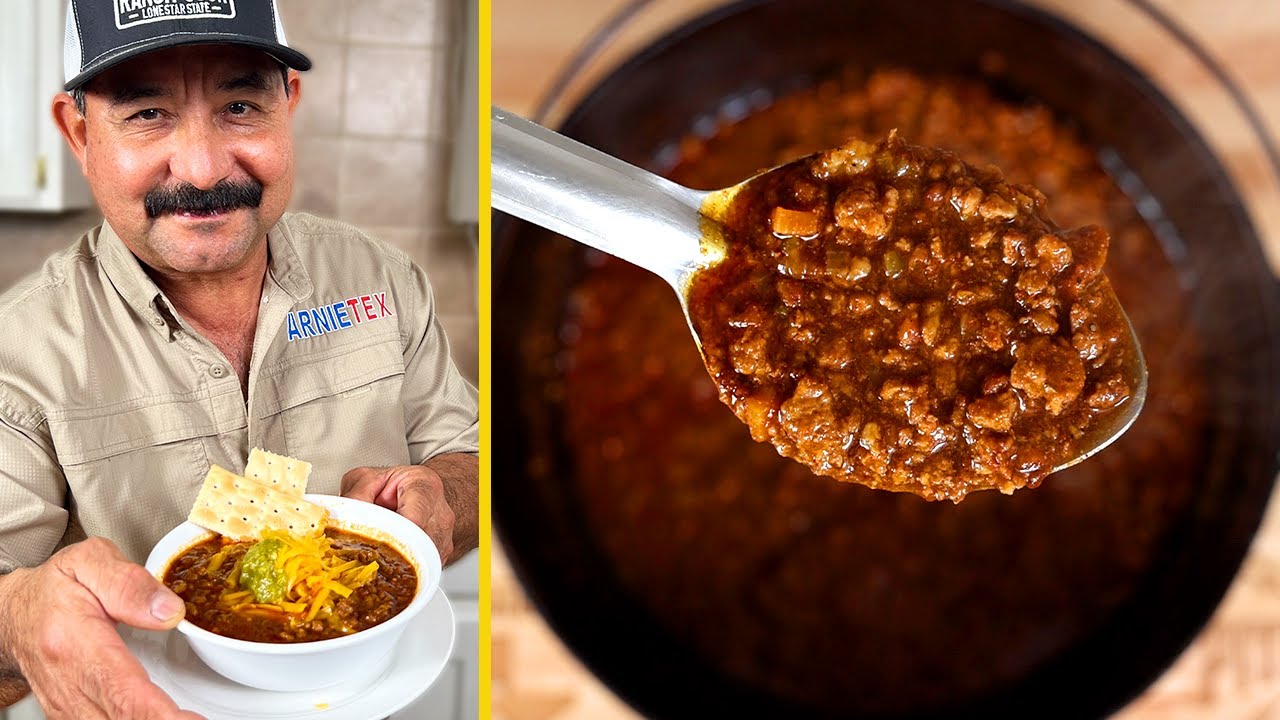
“Texas Roadhouse chili has a signature smokiness that most copycat recipes completely miss. They dump in the chili powder and call it done. The real difference is toasting the spices directly in the rendered beef fat before any liquid touches the pot — that 90 seconds of contact with dry heat transforms a flat spice blend into something layered and complex. This version does that, and a few other things the restaurant won't tell you.”
Why This Recipe Works
Texas Roadhouse chili is not complicated. What it is, is deliberate — and that deliberateness is what most copycat recipes fail to replicate because they mistake the ingredient list for the recipe.
The Spice Problem
The gap between restaurant chili and home chili is almost always the same gap: spices added to liquid versus spices toasted in fat. When you dump chili powder and cumin into a pot of broth, you get the flavor of those spices in their raw state — sharp, dusty, and one-dimensional. When you add those same spices to a hot pot coated in rendered beef fat, you get something entirely different.
Fat is a solvent for the volatile aromatic compounds in spices. Heat accelerates the extraction. Within 90 seconds of contact with hot fat, your chili powder goes through a rapid Maillard process — the sugars in the paprika caramelize, the essential oils in the cumin bloom, and the whole spice blend transforms from raw seasoning into the kind of deep, smoky base that takes a restaurant kitchen's worth of accumulated pot drippings to produce naturally. This is why the order of operations matters more than the specific ingredients.
The cumin-to-chili-powder ratio is the other variable most copycat recipes miss. The Texas Roadhouse profile leans hard on cumin — 2 tablespoons to 3 tablespoons of chili powder is a tighter ratio than most commercial chili seasoning packets, which are predominantly chili powder by weight. That cumin-forward profile is what gives the chili its earthy, slightly bitter backbone.
The Bean Architecture
Three beans are better than two here, but if you're only using two, kidney plus black is the right call. Kidney beans have thick skins that hold up through a 90-minute simmer without going mushy. Black beans are smaller and creamier, breaking down just slightly at the edges and contributing natural thickening starch to the sauce. Together they give you textural contrast in every spoonful.
Rinse your canned beans. Always. The liquid in the can is high-sodium and contains oligosaccharides that contribute to the digestive issues people associate with beans. Thirty seconds under cold water eliminates most of both.
The Long Simmer
Ninety minutes feels like a long time for a weeknight recipe. It isn't optional. In the first 20 minutes, the ingredients are just coexisting. From 30-60 minutes, the acid in the tomatoes begins to break down the outer layer of the beef, the bean starch migrates into the sauce, and the fat from the meat emulsifies with the liquid. From 60-90 minutes, everything merges. The chili stops tasting like beef-plus-tomato-plus-beans and starts tasting like chili — a unified thing with its own identity.
Keep the pot uncovered. Evaporation is your thickening mechanism. If you cover it, you trap the steam, dilute the sauce, and end up with a brothy stew rather than a proper chili that holds its shape in the bowl.
The Finishing Balance
The apple cider vinegar and honey at the end are not afterthoughts. A long-cooked dish loses brightness — the acids in the tomatoes break down, the capsaicin in the cayenne can go flat, and the whole thing can taste muted despite being deeply flavorful. A tablespoon of apple cider vinegar at the end restores that brightness without making the chili taste sour. The honey — just a teaspoon — rounds the sharp edge off the vinegar and the cayenne simultaneously.
Add both only at the end, only off the boil. High heat destroys the volatile compounds that make vinegar bright. You want the flavor, not cooked acid.
A Dutch oven handles everything here — the sauté, the browning, the long simmer — without any risk of hot spots scorching the beans. It's the one piece of equipment worth having for any recipe that runs longer than 30 minutes on the stove.
Where Beginners Mess This Up
Before we start, read this. These are the 4 reasons your copycat texas roadhouse chili (better than the restaurant) will fail:
- 1
Adding spices to liquid instead of fat: Most home cooks add their chili powder and cumin to the pot after the broth is in. By then, the spices are just floating in water — they never bloom. Toasting them in the fat left behind from browning the beef activates the fat-soluble flavor compounds and caramelizes the sugars in the paprika. This step takes 90 seconds and accounts for most of the flavor gap between restaurant chili and homemade.
- 2
Rushing the simmer: Forty-five minutes is not enough. The collagen from the beef, the starches from the beans, and the acids from the tomatoes all need time to meld into a unified sauce. Sixty minutes is the minimum. Seventy-five is better. The chili should be thick enough to hold a spoon upright. If it's still brothy, keep going.
- 3
Skipping the acid and sweetener finish: The apple cider vinegar and honey added at the end are not optional garnish. Acid brightens a long-cooked dish that's gone flat. A small amount of sweetness rounds the sharp edges of the cayenne and vinegar. Together they create the finishing balance that makes the chili taste complete rather than one-dimensional.
- 4
Under-browning the beef: Ground beef needs to develop a proper crust before you move on. If there's still pink visible, you haven't gone far enough. The Maillard browning on the meat's surface creates hundreds of flavor compounds that you cannot replicate later. High heat, don't crowd, and don't stir constantly — let it sit long enough to develop color.
The Video Reference Library
Want to see it in action? Here are the exact videos we analyzed and combined to build this foolproof recipe translation:
The primary reference video for this recipe — walks through the spice toasting technique and explains the specific ratio of chili powder to cumin that gives Texas Roadhouse chili its signature flavor profile.
🛠️ Core Equipment
- Dutch oven or heavy-bottomed potEven heat distribution is essential for a 90-minute simmer without scorching. A thin pot creates hot spots at the bottom that burn the beans and tomato solids. A [Dutch oven](/kitchen-gear/review/dutch-oven) handles the browning and the long braise in one vessel.
- Wooden spoon or flat-edged spatulaFor breaking up the beef and scraping the browned fond off the pot bottom when the broth goes in. That fond is concentrated flavor — don't leave it behind.
- Fine-mesh strainer or colanderFor draining and rinsing the canned beans thoroughly. Rinsed beans reduce sodium and eliminate the tinny flavor that comes from the canning liquid. Takes 30 seconds and makes a real difference.
Copycat Texas Roadhouse Chili (Better Than the Restaurant)
🛒 Ingredients
- ✦2 lbs grass-fed ground beef
- ✦3 tablespoons extra virgin olive oil
- ✦1 large yellow onion, diced
- ✦4 cloves garlic, minced
- ✦2 cans kidney beans, drained and rinsed
- ✦1 can black beans, drained and rinsed
- ✦1 can diced tomatoes with green chiles
- ✦1 can tomato sauce
- ✦2 cups low-sodium beef broth
- ✦3 tablespoons chili powder
- ✦2 tablespoons ground cumin
- ✦1 tablespoon smoked paprika
- ✦1 teaspoon dried oregano
- ✦1 teaspoon garlic powder
- ✦1 teaspoon onion powder
- ✦1/2 teaspoon cayenne pepper
- ✦1 bay leaf
- ✦Salt and black pepper to taste
- ✦1 tablespoon apple cider vinegar
- ✦1 teaspoon honey or maple syrup
👨🍳 Instructions
01Step 1
Heat the olive oil in a large Dutch oven or heavy-bottomed pot over medium-high heat.
02Step 2
Add the diced onion and sauté for 5-7 minutes until softened and translucent, stirring occasionally.
03Step 3
Add the minced garlic and cook for 1 minute until fragrant. Do not let it brown.
04Step 4
Increase heat to high, add the ground beef, and break it apart with a wooden spoon. Cook for 8-10 minutes without stirring too frequently — you want real browning on the meat surface, not steaming.
05Step 5
Reduce heat to medium. Add the chili powder, cumin, smoked paprika, oregano, garlic powder, onion powder, and cayenne. Stir constantly for 90 seconds, toasting the spices directly in the beef fat.
06Step 6
Pour in the beef broth and immediately scrape the bottom of the pot with a flat spoon to lift all the browned bits.
07Step 7
Add the diced tomatoes with green chiles, tomato sauce, kidney beans, black beans, and bay leaf. Stir thoroughly to combine.
08Step 8
Bring to a gentle boil, then reduce heat to low and simmer uncovered for 45-60 minutes, stirring every 10-15 minutes.
09Step 9
Stir in the apple cider vinegar and honey. Taste and adjust salt, pepper, and cayenne as needed.
10Step 10
Continue simmering for 15-20 more minutes until the chili is thick and the flavors have fully merged.
11Step 11
Remove the bay leaf. Serve hot in bowls, topped with diced white onion, fresh cilantro, or a spoonful of Greek yogurt.
Nutrition Per Serving
Estimates based on standard preparation. Adjustments alter macros.
🔄 Substitutions
Instead of Ground beef...
Use Grass-fed bison
Leaner than conventional beef with a slightly richer, gamier flavor. Excellent in chili where the spices carry the seasoning. Reduce cook time slightly — bison dries out faster than beef.
Instead of Canned kidney beans...
Use Home-cooked dried kidney beans
Dramatically better texture and lower sodium. Soak dried beans overnight, cook until just tender before adding to the chili. They hold their shape better through the long simmer.
Instead of Beef broth...
Use Homemade bone broth
Adds body and gelatin that commercial broth lacks. The chili will be noticeably richer and will thicken more naturally. Worth the extra effort if you have it on hand.
Instead of Honey...
Use Maple syrup
Direct 1:1 swap. Maple syrup adds a subtle earthiness that works well with the smoked paprika. Raw honey adds slight floral notes. Both function identically in the recipe.
🧊 Storage & Reheating
In the Fridge
Store in an airtight container for up to 4 days. The chili thickens considerably in the fridge — add a splash of broth when reheating.
In the Freezer
Freeze in individual portions for up to 3 months. Thaw overnight in the refrigerator. Beans can soften slightly after freezing but the flavor is unaffected.
Reheating Rules
Reheat on the stovetop over low heat with 2-3 tablespoons of water or broth, stirring occasionally. Microwave works but can make the beans mealy — use it only when you have no other option.
❓ Frequently Asked Questions
What makes Texas Roadhouse chili different from regular chili?
The signature is in the spice ratio — a heavy hand on cumin relative to chili powder, plus smoked paprika for depth. Most generic chili recipes invert this ratio. Texas Roadhouse also leans into a longer simmer than most home recipes, which concentrates the tomato and beef flavors significantly.
Can I make this in a slow cooker?
Yes, but still do the browning and spice-toasting steps on the stovetop first — don't skip them. Transfer everything to the slow cooker after step 7 and cook on low for 6-8 hours or high for 3-4 hours. The result is excellent, just slightly softer beans.
Why is my chili watery?
You either didn't simmer long enough or covered the pot during the simmer. Keep it uncovered — evaporation is how chili thickens. If you're pressed for time, increase heat slightly and stir more frequently, but don't rush past 45 minutes minimum.
Is this recipe spicy?
At the listed cayenne level, it's mildly spicy — comparable to a medium restaurant chili. For mild, cut the cayenne to 1/4 teaspoon. For hot, increase to 1 full teaspoon and consider adding a diced jalapeño with the onion.
Do I have to use both kidney and black beans?
No. The recipe works with any combination of beans, or just one variety. Kidney beans are closer to the original Texas Roadhouse recipe. Black beans add a slightly earthier, creamier element. Pinto beans are a good third option that blends between the two.
Can I use a leaner ground meat to reduce calories further?
Yes — 90/10 ground turkey or ground chicken both work. Expect a milder flavor, since the beefy richness contributes a lot to the base. Compensate with an extra half-tablespoon of smoked paprika and a small amount of Worcestershire sauce to deepen the savory profile.
The Science of
Copycat Texas Roadhouse Chili (Better Than the Restaurant)
We turned everything on this page into a beautiful, flour-proof PDF cheat sheet. Print it out, stick it to your fridge, and never mess up your copycat texas roadhouse chili (better than the restaurant) again.
*We'll email you the high-res PDF instantly. No spam, just perfectly cooked meals.
AlmostChefs Editorial Team
We translate the internet's most popular cooking videos into foolproof, beginner-friendly written recipes. We analyze multiple methods, test them in our kitchen, and engineer a single "Master Recipe" that gives you the best possible result with the least possible stress.