Homemade Teriyaki Chicken (Proper Glaze Reduction, Pan-Seared, Real Mirin)
Teriyaki done correctly — chicken thighs pan-seared and glazed with a soy-mirin-sake reduction that caramelizes into a lacquered coating. Real mirin and the reduction stage are what separate teriyaki from soy chicken.

“Most teriyaki chicken recipes are just soy sauce with chicken. Real teriyaki is a reduction — a specific ratio of soy, mirin, and sake cooked down until the sugars concentrate and caramelize into a lacquered, glossy coating that clings to the meat. The two minutes the glaze spends in the pan at the end are the entire technique.”
Why This Recipe Works
Teriyaki is one of the most misunderstood words in Western cooking. It doesn't mean a bottled sauce, a marinade, or a flavor profile. It's a technique — specifically, the Japanese method of grilling or pan-cooking proteins while basting them with a reduction of soy sauce, mirin, and sake until the surface becomes glossy and lacquered. The word itself comes from teri (gloss or luster) and yaki (grilled or broiled). If your chicken isn't lacquered, you haven't made teriyaki. You've made soy chicken.
The Chemistry of the Glaze Reduction
The teriyaki sauce has three functional components, and understanding what each one does explains why substitutions fail.
Soy sauce contributes salt, umami from glutamates, and amino acids that participate in Maillard browning. When soy sauce heats in a pan, those amino acids react with reducing sugars to produce hundreds of aromatic compounds — roasted, savory, slightly bitter notes that raw soy sauce doesn't have. This is not the same as the Maillard reaction in meat, but it runs on the same chemistry.
Mirin is where most home cooks cut corners, and it's the ingredient that makes the biggest difference. Real mirin (hon-mirin) is a fermented rice wine with around 14% alcohol and a specific balance of glucose, maltose, and other sugars produced during fermentation. Those sugars caramelize at different temperatures than sucrose, which is why a mirin-based glaze has a complexity and depth that a sugar-and-soy substitute never quite matches. Mirin also contains amino acids from the fermentation process that contribute to browning in the same way soy sauce does — the glaze is building browning compounds from two directions simultaneously.
Sake provides alcohol, which lowers the boiling point of the sauce during reduction and contributes esters that brighten the overall flavor. As the sake reduces, the alcohol evaporates and leaves behind trace amounts of organic acids and flavor compounds that round out the sharpness of the soy.
Pre-reducing the sauce before it touches the chicken is not optional. When you pour a thin sauce over hot chicken, most of it runs off into the pan before it has a chance to adhere. When you reduce first, the sauce has enough viscosity to cling — and when it hits the hot skillet, the remaining water evaporates quickly and the sugars begin caramelizing immediately, bonding to the meat surface rather than pooling.
Why Chicken Thighs Are the Correct Choice
Chicken breasts have a narrow thermal window. They go from properly cooked to dry in about 2–3 minutes at high heat, and a pan-sear with a sugar glaze is not a forgiving environment. The sugars in the glaze force you to keep the heat high enough to caramelize, which means the margin for error on the protein is compressed.
Chicken thighs carry significantly more intramuscular fat — typically 3–5 times more than breasts — and that fat renders slowly during cooking, basting the meat from the inside as the exterior crisps. Thighs also have more collagen in their connective tissue, which converts to gelatin during cooking and keeps the meat moist even when internal temperature reaches 175°F. That tolerance means you can focus on the glaze without constantly worrying about overcooking the protein underneath.
The Maillard Reaction and Why the Pan Has to Be Hot
The dry sear before the glaze is where flavor is built. The Maillard reaction — the browning reaction between amino acids and reducing sugars in the meat — requires surface temperatures above 280°F (140°C). A pan that isn't hot enough produces pale, steamed chicken with no crust. You're not looking for gray here; you're looking for deep golden brown with caramelized edges.
The chicken must be bone-dry before it hits the pan. Surface moisture creates steam when it contacts the hot oil, and steam keeps the surface temperature below 212°F (100°C) until the water evaporates — which delays browning and often means the chicken cooks through before any crust develops. Pat the thighs with paper towels until they look matte, not glossy.
The pan matters too. Nonstick pans are coated with PTFE, which limits the maximum safe cooking temperature to around 500°F — fine for eggs, insufficient for a proper sear. A cast iron skillet or stainless steel pan retains and radiates heat more aggressively, sustains the high temperatures needed for proper browning, and builds a fond — the caramelized protein and fat deposits stuck to the pan bottom — that contributes flavor to the glaze when the sauce hits it.
The Lacquering Stage
The final two minutes are where the technique lives. With the chicken fully cooked and the heat reduced to medium-low, the reduced teriyaki sauce goes in and you baste continuously — tilting the pan, spooning the sauce over the surface of the chicken as it reduces further and caramelizes against the hot skillet. What you're watching for is a visible thickening and shine: the sauce goes from flowing liquid to a coating that clings to the spoon and to the chicken surface. This is caramelization in real time.
Two things can go wrong here. Too much heat and the sugars scorch — the glaze goes from amber to black and tastes acrid. Too little heat and the sauce doesn't reduce quickly enough, pooling under the chicken rather than coating it. Medium-low heat with active basting is the control mechanism. The difference between a lacquered finish and a burned one is under a minute.
The sesame oil goes in at the very end, off the heat. Heat destroys sesame oil's volatile aromatic compounds — the nutty, toasty notes that make it worth using. Add it to the finished dish, not to the pan.
Why This Beats Every Shortcut
The entire active cooking time is about 12 minutes. The pre-reduction takes 4. You are spending 16 minutes total and producing a result that is categorically different from any bottled sauce applied to pan-fried chicken. The glaze has actual caramelized sugar compounds, actual Maillard browning from the soy amino acids, and a lacquered texture that bonds to the meat rather than sitting wetly on top of it. That is what teriyaki is supposed to be, and it's what this recipe produces every time you follow the timing correctly.
Where Beginners Mess This Up
Before we start, read this. These are the 4 reasons your homemade teriyaki chicken (proper glaze reduction, pan-seared, real mirin) will fail:
- 1
Adding the glaze too early: Sugar burns. If you pour the teriyaki sauce into the pan while the chicken still has 10 minutes of cooking left, the sugars will scorch before the chicken finishes, leaving a bitter, blackened coating instead of a lacquered glaze. The sauce goes in only in the final 2 minutes — when the chicken is fully cooked and the heat can be managed.
- 2
Using teriyaki sauce from a bottle: Bottled teriyaki sauce is pre-reduced, pre-sweetened, and loaded with thickeners and corn syrup. It doesn't behave like a fresh reduction and it doesn't taste like one. The freshly made sauce reduces further in the pan and bonds to the chicken differently — the caramelization is active, not mimicked by thickeners.
- 3
Skipping the reduction step: Mixing soy, mirin, and sake and pouring it directly over the chicken without reducing first produces a thin, salty coating with none of the gloss or depth. Reducing the sauce concentrates the sugars, deepens the umami, and builds the viscosity that makes the glaze adhere to the meat.
- 4
Using chicken breasts instead of thighs: Chicken breasts have almost no intramuscular fat and a very narrow window between undercooked and dry. Thighs have enough fat to stay moist even if they cook a minute past ideal. In a high-heat pan with a sugar glaze, you want that margin.
The Video Reference Library
Want to see it in action? Here are the exact videos we analyzed and combined to build this foolproof recipe translation:
The most practical walkthrough of the pan-sear-then-glaze technique. Pay attention to the moment he adds the sauce — that timing is the entire skill of this recipe.
🛠️ Core Equipment
- 12-inch stainless steel or cast iron skilletYou need a pan that gets screaming hot and holds that heat when the chicken hits it. Nonstick pans don't sear — they steam. A heavy stainless or cast iron skillet builds the fond and delivers the crust that makes this worth eating. See our [skillet review](/kitchen-gear/review/cast-iron-skillet) for what to look for.
- Meat thermometerChicken thighs are done at 165°F internal, but they're forgiving up to 175°F. A thermometer removes the guesswork entirely — you don't want to cut into the chicken to check doneness and lose the juices right before glazing.
- Small saucepanFor pre-reducing the teriyaki sauce before it goes into the pan. Reducing separately gives you control over the final consistency before it hits hot fat and active caramelization.
- Microplane or fine graterFresh ginger and garlic need to be grated fine enough to melt into the glaze without leaving fibrous chunks. A Microplane produces a paste rather than a chop, which distributes the aromatics evenly throughout the sauce.
Homemade Teriyaki Chicken (Proper Glaze Reduction, Pan-Seared, Real Mirin)
🛒 Ingredients
- ✦2 lbs boneless skinless chicken thighs
- ✦1/4 cup soy sauce
- ✦3 tablespoons mirin
- ✦2 tablespoons sake (or dry white wine)
- ✦2 tablespoons brown sugar
- ✦2 cloves garlic, minced
- ✦1 teaspoon fresh ginger, grated
- ✦1 tablespoon neutral oil (avocado or canola)
- ✦1 teaspoon sesame oil (finishing only)
- ✦Sesame seeds and sliced green onions, for garnish
- ✦Steamed rice, for serving
👨🍳 Instructions
01Step 1
Combine soy sauce, mirin, sake, and brown sugar in a small saucepan over medium heat. Stir until the sugar dissolves, then simmer for 3–4 minutes until the mixture reduces by about one-third and coats the back of a spoon. Remove from heat and stir in the garlic and ginger.
02Step 2
Pat the chicken thighs completely dry with paper towels. Season both sides generously with salt and pepper.
03Step 3
Heat the neutral oil in a heavy skillet over medium-high heat until shimmering and just beginning to smoke. Place chicken thighs smooth-side down in a single layer without crowding.
04Step 4
Sear undisturbed for 5–6 minutes until deeply golden brown and the chicken releases naturally from the pan. Flip and cook the second side for 4–5 minutes.
05Step 5
Check internal temperature — the thighs should read 160–165°F at the thickest point.
06Step 6
Reduce heat to medium-low. Pour the reduced teriyaki sauce over the chicken. Tilt the pan and spoon the sauce over the top repeatedly for 1–2 minutes, allowing it to caramelize and lacquer the chicken.
07Step 7
Remove from heat. Drizzle with sesame oil, garnish with sesame seeds and green onions, and serve immediately over steamed rice.
Nutrition Per Serving
Estimates based on standard preparation. Adjustments alter macros.
🔄 Substitutions
Instead of Mirin...
Use 1.5 tablespoons dry sherry + 1 teaspoon sugar
Not identical — you lose the amino acid complexity that mirin contributes to browning — but the sweetness and alcohol ratio are close enough to produce a functional glaze. Hon-mirin is strongly preferred.
Instead of Sake...
Use Dry white wine or rice wine vinegar (1 tablespoon)
Dry white wine works well. Rice wine vinegar adds acidity that cuts the sweetness slightly — use less if you want the classic sweeter teriyaki profile.
Instead of Brown sugar...
Use Honey or maple syrup (1.5 tablespoons)
Honey adds a floral note and slightly more viscosity. Maple syrup adds a subtle earthiness. Both work but reduce the sauce more aggressively since they introduce additional liquid.
Instead of Chicken thighs...
Use Salmon fillets (skin-on)
Same technique, shorter cook time — 3 minutes per side before glazing. Salmon fat renders into the pan and contributes to the glaze in a way that adds depth chicken doesn't quite match.
🧊 Storage & Reheating
In the Fridge
Store cooked chicken and any remaining glaze in an airtight container for up to 4 days. The glaze firms to a gel in the fridge — this is normal.
In the Freezer
Freeze cooked glazed chicken for up to 2 months. The texture of the glaze changes slightly on thawing but it reheats well.
Reheating Rules
Reheat in a skillet over medium heat with 2 tablespoons of water to loosen the glaze. Cover for the first 2 minutes, then uncover to let the moisture cook off and the glaze re-lacquer. Microwave works but the glaze won't be as glossy.
❓ Frequently Asked Questions
What makes teriyaki different from just soy sauce chicken?
The reduction. Teriyaki is a technique, not an ingredient list — it refers specifically to the glossy, lacquered finish that comes from reducing a soy-mirin-sake mixture until the sugars concentrate and caramelize in the pan. Without the reduction stage, you have soy chicken. The mirin's amino acids and the sake's alcohol both participate in browning reactions that a plain soy glaze cannot replicate.
Can I use bottled teriyaki sauce?
You can, but it won't reduce and behave the same way. Bottled sauces are pre-stabilized with thickeners and contain corn syrup that behaves differently under heat than fresh mirin sugars. The caramelization and lacquering won't be as authentic. If you're using bottled sauce, skip the pre-reduction step and add it directly in the final 2 minutes.
Why did my glaze burn?
The heat was too high or you added the sauce too early. Sugar burns fast in a hot skillet. The sauce goes in only when the chicken is fully cooked and you've reduced the heat to medium-low. From that point, you have about 2 minutes before the sugar goes from caramelized to scorched.
Can I marinate the chicken in the teriyaki sauce before cooking?
You can, but it's not this recipe's approach. Marinating introduces moisture to the surface that inhibits searing — the sugar in the marinade also burns before the chicken cooks through. The better method is a dry sear followed by a fresh glaze at the end. This produces better crust and better glaze adhesion.
What's hon-mirin and do I need it?
Hon-mirin (real mirin) is a fermented sweet rice wine with around 14% alcohol. Aji-mirin (mirin-style seasoning) is a cheaper version made with glucose syrup and salt. For teriyaki, hon-mirin is worth the extra dollar — the fermentation produces amino acids and complex sugars that caramelize differently and taste noticeably better. Find it at any Asian grocery.
Can I bake this instead of pan-searing?
Yes, but you lose the crust and the fond that makes the pan version worth it. Bake at 425°F for 20 minutes, then brush with the reduced glaze and broil for 3–4 minutes to lacquer. It's a workable version but the texture of the chicken surface is fundamentally different — softer rather than crisp.
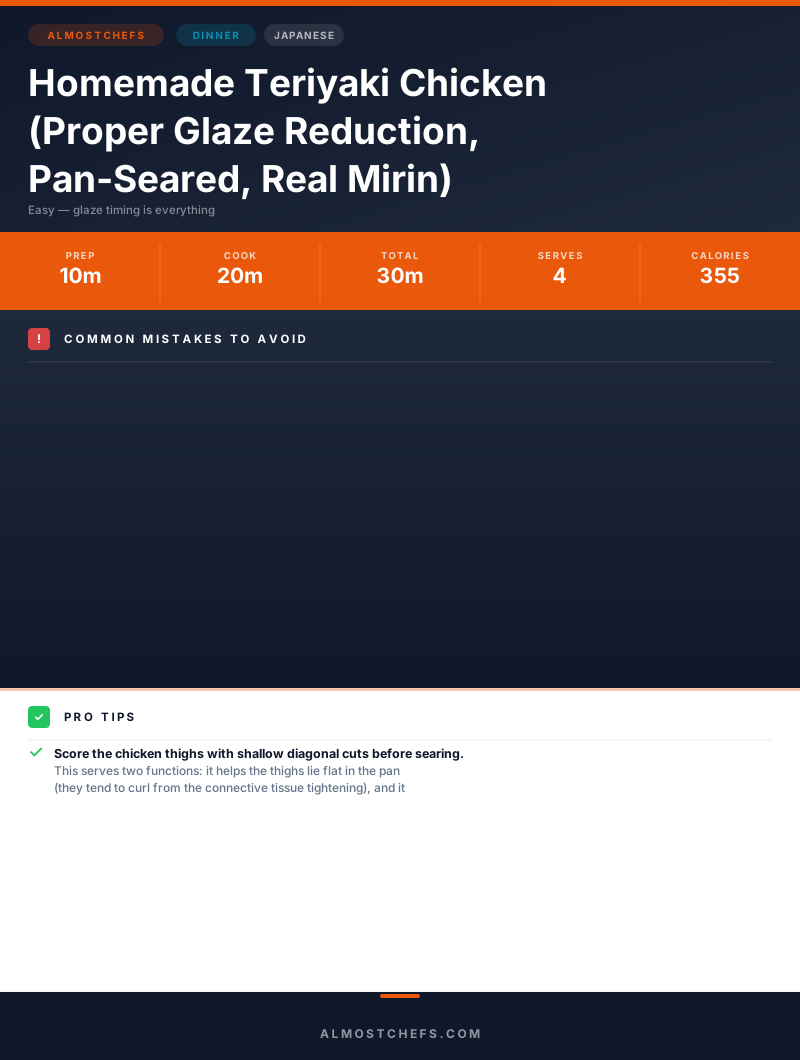
The Science of
Homemade Teriyaki Chicken (Proper Glaze Reduction, Pan-Seared, Real Mirin)
We turned everything on this page into a beautiful, flour-proof PDF cheat sheet. Print it out, stick it to your fridge, and never mess up your homemade teriyaki chicken (proper glaze reduction, pan-seared, real mirin) again.
*We'll email you the high-res PDF instantly. No spam, just perfectly cooked meals.
AlmostChefs Editorial Team
We translate the internet's most popular cooking videos into foolproof, beginner-friendly written recipes. We analyze multiple methods, test them in our kitchen, and engineer a single "Master Recipe" that gives you the best possible result with the least possible stress.