Crispy Vegetable Tempura (The Batter Science That Actually Works)
Light, lacy Japanese vegetable tempura with a shatteringly crispy batter that stays crunchy. We broke down the chemistry behind the perfect tempura coat — ice water, minimal mixing, and hot oil discipline — so yours never turns greasy or doughy again.
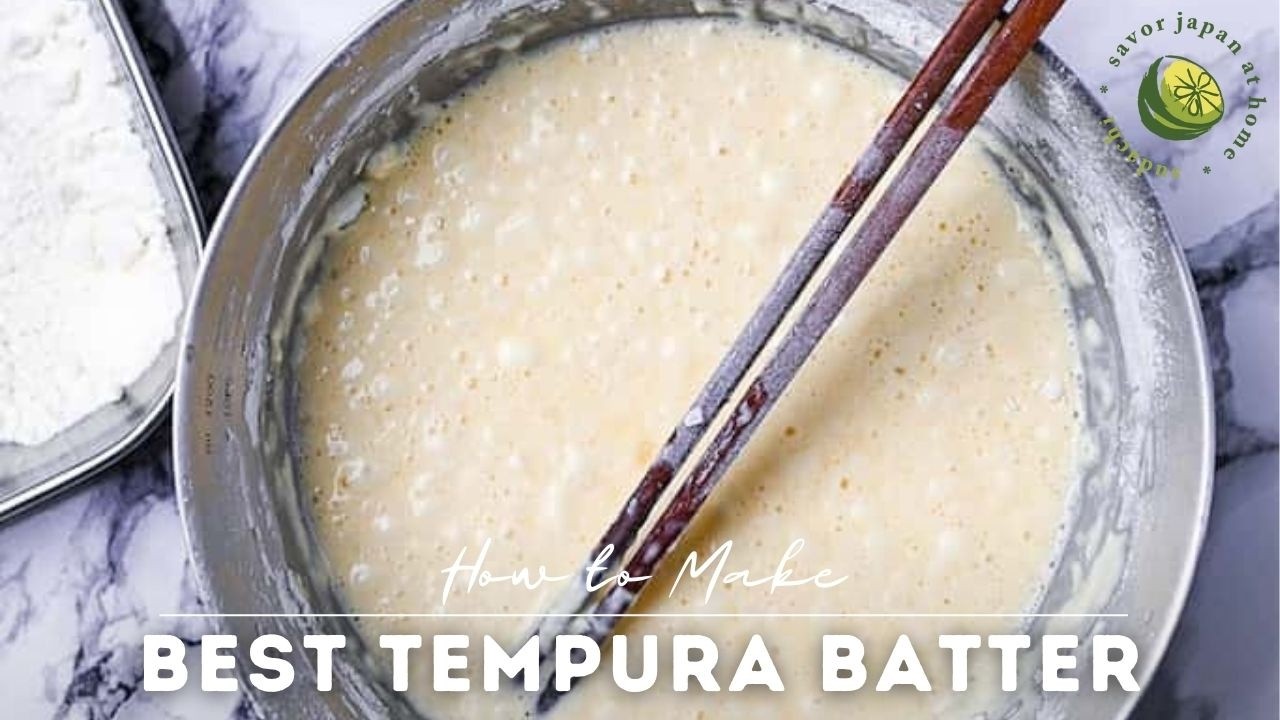
“Most homemade tempura fails in one of two ways: a thick, bready crust that soaks through with oil, or a coating that peels off the vegetable before it hits the table. Neither is a recipe problem. Both are technique problems. The batter is three ingredients. The science behind keeping it light is what most people skip.”
Why This Recipe Works
Tempura is the counterintuitive deep-fry. The goal is not a thick, protective crust — it's the thinnest possible coating that still holds together, laced with air pockets and set by intense heat before oil has any opportunity to infiltrate. It's a race between the batter's surface and the oil, and you win by engineering the batter to lose weight before it even hits the pan.
The Cold Chemistry
Every tempura recipe tells you to use ice-cold water. Few explain why it matters enough that you should actually care.
Gluten forms when the proteins glutenin and gliadin in flour absorb water and bond together. Temperature accelerates this bonding. At room temperature, you can develop significant gluten in two to three minutes of mixing. At near-freezing temperatures, the protein mobility slows so dramatically that even aggressive mixing produces minimal gluten. The result: a batter that stays loose, thin, and structurally fragile — exactly what you want for a lacy, airy crust instead of a bready shell.
The egg yolk reinforces this with lecithin, an emulsifier that creates a more cohesive batter film around each vegetable without adding structural rigidity. It's the difference between a coating that shatters cleanly and one that peels away in a single rubbery sheet.
Cornstarch Is Doing the Real Work
The 1:2 ratio of cornstarch to flour in this batter is not a coincidence. Cornstarch contains no gluten-forming proteins — it is pure starch. By replacing half the flour with cornstarch, you dilute the total gluten potential of the batter dramatically. When the batter hits 350°F oil, the cornstarch gelatinizes and sets into a rigid, translucent structure with almost no chew. That's the crunch you hear when you bite through the coating. Flour alone cannot achieve it.
Oil Temperature Is the Only Variable That Matters During Frying
Once the batter is made and the vegetables are cut, you have exactly one job: keep the oil between 340°F and 360°F. At this temperature, the water in the batter flash-vaporizes the moment each piece enters the oil, creating an outward pressure of steam that prevents oil from penetrating inward. The batter sets into a rigid crust within 20-30 seconds. Everything after that is just coloring.
Drop below 340°F — which happens immediately when you overcrowd the pot — and the surface-setting process slows. Oil enters the batter before steam can exit. The coating becomes greasy from the inside while still appearing golden on the outside. A Dutch oven helps here because its thermal mass buffers against temperature drops between batches.
The Dipping Sauce Architecture
Tempura sauce is a three-way balance: salt (tamari), sweet (mirin), and acid (rice vinegar). The wasabi adds nasal heat rather than tongue heat — it clears the palate between bites rather than accumulating. The freshly grated ginger is the brightness that makes each dip taste clean. This matters because the fried batter is rich and the vegetables are neutral. Without an assertive sauce, the whole dish flattens into one monotone texture.
Serve it the second the last piece comes off the rack. Tempura is not patient food.
Where Beginners Mess This Up
Before we start, read this. These are the 4 reasons your crispy vegetable tempura (the batter science that actually works) will fail:
- 1
Using room temperature water: Warm water activates gluten development the moment it touches flour. The more gluten you develop, the denser and chewier the coating becomes. Ice-cold water — ideally with ice cubes floating in it — slows gluten formation dramatically, keeping the batter loose, thin, and airy. This is the single most important step in the entire recipe.
- 2
Overmixing the batter: Tempura batter should look wrong. Lumpy, streaky, barely combined. Every extra stir develops more gluten and tightens the batter. Use chopsticks or a fork, make no more than 10-12 strokes, and stop while there's still dry flour visible. It will hydrate during the brief rest before frying.
- 3
Frying too many pieces at once: Each piece of battered vegetable drops the oil temperature when it enters the pot. Crowd the pot and the temperature crashes below 340°F, which means the batter absorbs oil instead of instantly setting. Work in small batches — no more than 4-5 pieces — and let the oil recover between rounds.
- 4
Skipping the oil thermometer: You cannot judge 350°F by eye. The window between 340°F (soggy) and 370°F (burnt exterior, raw interior) is narrow. A clip-on [candy thermometer](/kitchen-gear/review/candy-thermometer) is the difference between tempura and oily vegetable fritters.
The Video Reference Library
Want to see it in action? Here are the exact videos we analyzed and combined to build this foolproof recipe translation:
The source video for this recipe. Demonstrates the lumpy batter consistency you're actually aiming for and shows the exact golden color to pull the pieces at.
🛠️ Core Equipment
- Heavy-bottomed pot or Dutch ovenThick walls retain heat when cold-battered vegetables hit the oil. A thin pot swings temperature wildly, making consistent frying impossible. A [Dutch oven](/kitchen-gear/review/dutch-oven) is ideal.
- Instant-read or candy thermometerOil temperature is the only variable you actually control in frying. Without a thermometer, you're guessing, and guessing produces greasy tempura.
- Spider strainer or slotted spoonDraining quickly matters. The longer tempura sits submerged after frying, the more oil it reabsorbs. A [spider strainer](/kitchen-gear/review/spider-strainer) pulls all pieces in one motion.
- Wire rack over a sheet panPaper towels trap steam under the coating and soften the crust within minutes. A wire rack lets air circulate on all sides, keeping the tempura crispy while you finish the remaining batches.
Crispy Vegetable Tempura (The Batter Science That Actually Works)
🛒 Ingredients
- ✦1 cup all-purpose flour
- ✦1/2 cup cornstarch
- ✦1 teaspoon baking powder
- ✦1/2 teaspoon sea salt
- ✦1 cup ice-cold water
- ✦1 large egg yolk
- ✦2 medium zucchini, sliced lengthwise into 1/4-inch strips
- ✦2 medium Japanese eggplants, sliced into 1/4-inch rounds
- ✦8 ounces fresh shiitake mushrooms, halved
- ✦1 red bell pepper, cut into 1-inch wide strips
- ✦4 ounces fresh green beans, trimmed and left whole
- ✦2 quarts vegetable oil for frying
- ✦1/3 cup low-sodium tamari or soy sauce
- ✦2 tablespoons mirin or honey
- ✦1 tablespoon rice vinegar
- ✦1/2 teaspoon wasabi powder
- ✦2 tablespoons freshly grated ginger root
- ✦1 green onion, thinly sliced for garnish
👨🍳 Instructions
01Step 1
Whisk together all-purpose flour, cornstarch, baking powder, and sea salt in a large mixing bowl.
02Step 2
Add the ice-cold water and egg yolk to the dry ingredients. Stir with chopsticks or a fork using 10-12 strokes maximum. The batter should remain visibly lumpy with streaks of dry flour.
03Step 3
Whisk together tamari, mirin, rice vinegar, and wasabi powder in a small bowl. Stir in the freshly grated ginger. Set aside.
04Step 4
Heat vegetable oil in a heavy-bottomed pot to 350°F. Use a thermometer — don't guess.
05Step 5
Working in batches of 4-5 pieces, dip each vegetable piece into the batter, let the excess drip off briefly, then lower carefully into the hot oil.
06Step 6
Fry for 3-4 minutes, turning once halfway through, until the coating is pale gold and the batter has set into a rigid, lacy crust.
07Step 7
Remove with a spider strainer and transfer to a wire rack set over a sheet pan. Do not stack pieces — stacking traps steam and softens the crust.
08Step 8
Check oil temperature between each batch and wait until it returns to 350°F before adding the next round.
09Step 9
Arrange finished tempura on a serving platter and scatter sliced green onion over the top.
10Step 10
Serve immediately. Tempura begins losing its crunch within 5 minutes of leaving the oil. Have the dipping sauce ready.
Nutrition Per Serving
Estimates based on standard preparation. Adjustments alter macros.
🔄 Substitutions
Instead of Egg yolk...
Use 1 tablespoon aquafaba (chickpea liquid)
Produces an equally crispy coating and makes the recipe fully vegan. No detectable flavor difference in the finished batter.
Instead of Vegetable oil...
Use Avocado oil
Higher smoke point means more stable frying with less oxidation. Slightly cleaner finish. Significantly more expensive — reserve for smaller batches.
Instead of Mirin...
Use Coconut aminos plus a small splash of rice vinegar
Lower glycemic impact. The sweetness reads slightly different but the dipping sauce remains balanced. Adjust ratio to taste.
Instead of All-purpose flour...
Use Half all-purpose, half whole wheat flour
Adds fiber and a subtle nuttiness. The coating becomes marginally denser but still very light when combined with the cornstarch. Do not go beyond 50% whole wheat or the batter becomes heavy.
🧊 Storage & Reheating
In the Fridge
Tempura is not a storage food. If you must, refrigerate in a single layer for up to 1 day. Expect significant softening — the crust absorbs moisture overnight.
In the Freezer
Freeze on a sheet pan until solid, then transfer to a container for up to 1 month. Reheat from frozen in a 400°F oven or air fryer — never a microwave.
Reheating Rules
A 400°F oven for 8-10 minutes or an air fryer at 375°F for 5-6 minutes restores significant crispness. The microwave turns tempura into something resembling a wet sponge.
❓ Frequently Asked Questions
Why is my tempura batter thick and doughy instead of light and crispy?
Two causes: warm water and overmixing. Warm water activates gluten, which makes the batter elastic and dense. Overmixing compounds this. Use water that's been refrigerated with ice in it, and stop mixing while the batter still looks lumpy.
Can I make the batter ahead of time?
No. Tempura batter is made immediately before frying and used within 20-30 minutes. Resting develops gluten and warms the batter, both of which destroy the coating's lightness. Make it last, fry it fast.
What vegetables work best for tempura?
Any vegetable that cooks quickly works: zucchini, eggplant, bell pepper, green beans, broccoli, sweet potato (sliced thin), mushrooms. Avoid high-water vegetables like cucumber — they release steam mid-fry and make the batter soggy from the inside.
Why does my batter fall off during frying?
The vegetables were wet when you battered them. Pat every piece completely dry with paper towels, then dust lightly in plain flour before dipping in batter. The flour creates a bonding surface. Wet vegetables repel batter the same way wet skin repels sunscreen.
My tempura is golden but still greasy inside — what happened?
The oil temperature dropped too low, likely from overcrowding the pot. Below 340°F, the batter absorbs oil before it can set into a rigid crust. The exterior may still color from residual heat while the inside stays oil-logged. Smaller batches and a thermometer solve this completely.
Is vegetable tempura actually lighter than regular fried food?
Yes, when done correctly. The rapid surface crust formation at 350°F seals the batter before oil can penetrate deeply. Properly fried tempura absorbs significantly less oil than conventional breaded-and-fried preparations. The cornstarch-heavy batter also creates a thinner coating than breadcrumb methods.

The Science of
Crispy Vegetable Tempura (The Batter Science That Actually Works)
We turned everything on this page into a beautiful, flour-proof PDF cheat sheet. Print it out, stick it to your fridge, and never mess up your crispy vegetable tempura (the batter science that actually works) again.
*We'll email you the high-res PDF instantly. No spam, just perfectly cooked meals.
AlmostChefs Editorial Team
We translate the internet's most popular cooking videos into foolproof, beginner-friendly written recipes. We analyze multiple methods, test them in our kitchen, and engineer a single "Master Recipe" that gives you the best possible result with the least possible stress.