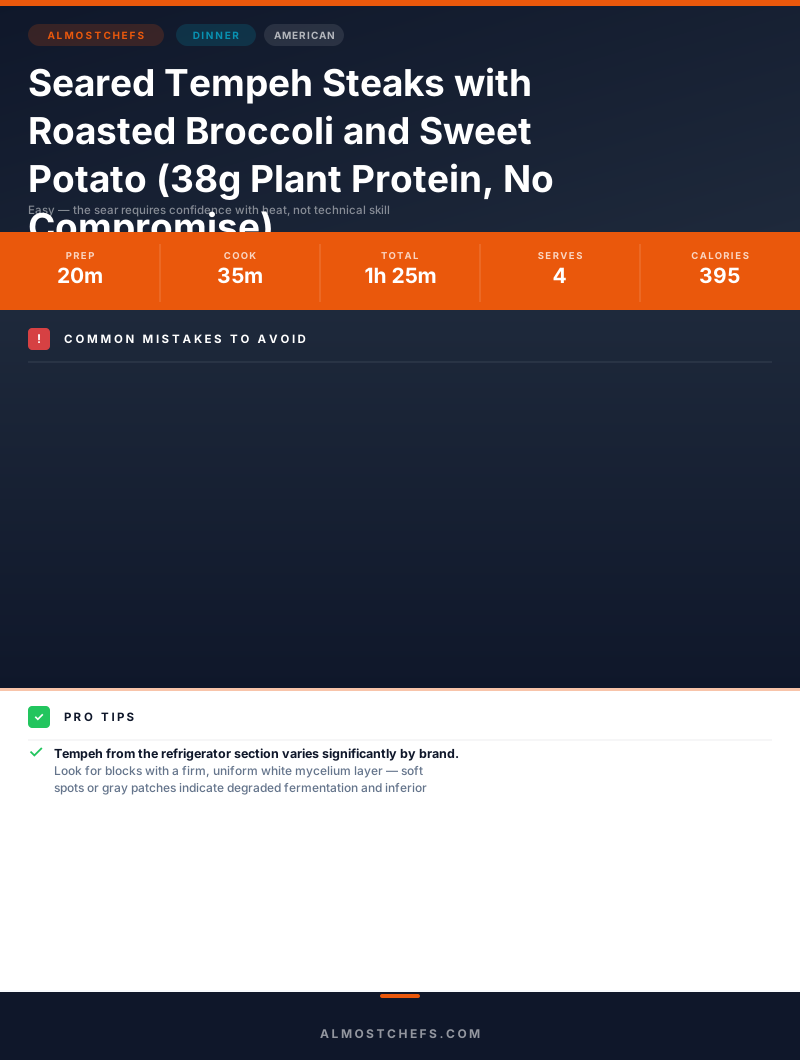
Seared Tempeh Steaks with Roasted Broccoli and Sweet Potato (38g Plant Protein, No Compromise)
A hearty plant-based dinner built around properly seared tempeh — nutty, caramelized, and tender inside — paired with charred broccoli and sweet potato. We tested the marinade ratios and sear technique so you don't end up with rubbery gray blocks.

“Most tempeh recipes produce something gray, bitter, and vaguely apologetic. The ones that actually work — the ones that make you forget you're not eating meat — have two things in common: they steam the tempeh first to purge the bitterness, and they hit it with a blazing hot pan and refuse to move it. Everything else is just logistics. This recipe delivers 38 grams of complete plant-based protein per serving with a golden crust that holds up to the roasted vegetables underneath it.”
Why This Recipe Works
Tempeh gets a bad reputation it hasn't earned. The problem isn't the ingredient — it's the technique. Walk into any grocery store, buy a block of tempeh, slice it, and throw it into a pan without preparation, and you will produce something bitter, gray, and texturally inert. Do exactly what this recipe tells you, and you get a deeply savory, protein-dense dinner with a crust that holds its own next to a seared steak.
The difference is entirely procedural.
Start With the Simmer
Tempeh is fermented compressed soybeans, and the fermentation byproducts — while beneficial for gut health — taste bitter and sharp when you cook them raw. The fix is a 10-minute simmer in plain boiling water before the marinade ever touches the block. This step purges the bitterness and, more importantly, opens the dense grain structure so the marinade can penetrate instead of just painting the surface. Without this step, you can marinate for 12 hours and still taste nothing but soy sauce on the outside and fermented soybean on the inside.
After simmering, you must press the tempeh completely dry. This is not optional housekeeping. Moisture is the reason crusts fail — when wet protein hits a hot pan, the surface steams before it can sear, and you get the gray, soft result that gives tempeh its undeserved reputation. Spend a full 60 seconds pressing with paper towels. It pays off directly in the pan.
The Marinade's Real Job
The Greek yogurt in this marinade does more than add flavor. Its thick consistency clings to the tempeh surface, and when the coated steaks hit a blazing-hot cast iron skillet, the yogurt proteins caramelize rapidly against the iron, creating a slightly lacquered crust with real structural integrity. The soy sauce contributes glutamates that accelerate browning through the Maillard reaction. The ginger and garlic bloom in the fat and perfume the entire surface.
This is also why you let the marinade drip off but don't wipe it — that thin coating is the mechanism of the crust. Too much marinade and it pools and burns; none and you lose the browning advantage.
Thirty minutes is the minimum marination window. Four hours is the ceiling when using dairy-based marinades — the lactic acid begins degrading surface proteins beyond that point, turning a tender interior into something slightly pasty. For meal prep, marinate the morning of.
Roasting Is Architecture
Roasted vegetables look simple because they are — but simple doesn't mean forgiving. The failure mode is always the same: a crowded pan. When broccoli and sweet potato are packed together, they shed moisture into a confined space, the ambient temperature drops, and the vegetables braise in their own steam instead of roasting in dry heat. You get soft, pale, waterlogged results.
The fix is two rimmed baking sheets, 425°F, and patience. The sweet potato cubes need 25-30 minutes to caramelize their natural sugars and turn fork-tender. The broccoli edges should be visibly darkened — not just cooked, but charred. That char is a concentration of flavor from the Maillard reaction on the fibrous floret edges, and it's the best part of the entire dish. If your broccoli looks uniformly green and soft, it needed more time and more heat.
The Sear
Preheat your cast iron skillet for two full minutes before anything goes in. The pan should be visibly smoking. Cold pan equals no crust — there is no nuance here. When the tempeh hits the surface, it should hiss sharply. If it doesn't, pull it out and wait longer.
Four to five minutes per side without moving. The crust tells you when it's ready: properly seared tempeh releases cleanly from the pan without any resistance. If it sticks when you try to flip, it needs more time. Fighting the spatula tears the crust off and undoes everything. The moment of release is the signal. Trust it.
This recipe produces 38 grams of complete plant-based protein per serving — more than most chicken breast preparations, from a block of fermented soy that costs less than two dollars. The technique is what makes it worth eating.
Where Beginners Mess This Up
Before we start, read this. These are the 4 reasons your seared tempeh steaks with roasted broccoli and sweet potato (38g plant protein, no compromise) will fail:
- 1
Skipping the steam-out step: Raw tempeh contains bitter compounds from the fermentation process. Simmering it for 10 minutes before marinating purges those compounds and opens the grain structure so the marinade actually penetrates instead of sitting on the surface. Skip this and your tempeh will taste like cardboard wrapped in soy sauce.
- 2
Not pressing the tempeh dry before searing: Excess moisture is the enemy of a crust. When wet tempeh hits a hot pan, the surface steams instead of searing — you get gray, soft blocks instead of the golden crust that makes this dish work. Pat dry aggressively. Every time.
- 3
Moving the tempeh too soon: Tempeh releases naturally from the pan when the crust has formed. If you try to flip it before 4 minutes and it resists, it isn't ready. Force-flipping tears the crust off and ruins the texture. Wait for the release, then flip once.
- 4
Crowding the roasting pan: Broccoli and sweet potato need airflow to roast instead of steam. On a crowded pan, the vegetables shed moisture and braise in their own liquid. Use two sheet pans if necessary — the charred edges on the broccoli are not optional decoration, they're where the flavor lives.
The Video Reference Library
Want to see it in action? Here are the exact videos we analyzed and combined to build this foolproof recipe translation:

Covers the steaming, marinating, and high-heat searing method in full detail. Watch the crust development closely — this is the visual benchmark you're aiming for.
2. Plant-Based Protein Meal Prep GuideDemonstrates batch cooking tempeh alongside roasted vegetables for a full week of high-protein dinners. Useful for understanding how to scale this recipe.
3. Roasting Vegetables Properly (No More Soggy Results)The definitive breakdown of oven temperature, pan spacing, and when to stir. Fixes every roasted vegetable problem in one video.
🛠️ Core Equipment
- Cast iron skillet ↗Holds heat at high temperature without dropping when cold tempeh hits the surface. A thin non-stick pan loses heat immediately, producing a steam effect instead of a sear. [Cast iron](/kitchen-gear/review/cast-iron-skillet) is the only reliable option here.
- Two rimmed baking sheets ↗One pan is never enough surface area for 4 servings of vegetables. Crowding is the single most common roasting failure — spread everything in a single layer across two pans for proper caramelization.
- Shallow bowl or baking dish for marinating ↗The tempeh steaks need full surface contact with the marinade. A deep bowl keeps marinade pooled at the bottom and away from the top faces. Flat is better.
- Paper towels ↗You need to press the tempeh genuinely dry before it goes near the pan. This is a critical step, not housekeeping.
Seared Tempeh Steaks with Roasted Broccoli and Sweet Potato (38g Plant Protein, No Compromise)
🛒 Ingredients
- ✦2 blocks (16 oz) tempeh, cut into ½-inch thick steaks
- ✦½ cup plain nonfat Greek yogurt
- ✦3 tablespoons low-sodium soy sauce
- ✦2 tablespoons rice vinegar
- ✦1 tablespoon sesame oil
- ✦3 cloves garlic, minced
- ✦1 tablespoon fresh ginger, grated
- ✦1 teaspoon Dijon mustard
- ✦1 pound broccoli florets (about 4 cups)
- ✦2 medium sweet potatoes, cut into ½-inch cubes
- ✦2 tablespoons extra virgin olive oil
- ✦1 teaspoon smoked paprika
- ✦½ teaspoon sea salt
- ✦¼ teaspoon black pepper
- ✦1 tablespoon sesame seeds
- ✦2 green onions, thinly sliced
👨🍳 Instructions
01Step 1
Bring a large pot of water to a boil. Add the tempeh steaks and simmer for 10 minutes.
02Step 2
Drain the tempeh and pat completely dry with paper towels, pressing firmly to remove as much moisture as possible.
03Step 3
Whisk together Greek yogurt, soy sauce, rice vinegar, sesame oil, minced garlic, grated ginger, and Dijon mustard in a shallow bowl until fully combined.
04Step 4
Place the cooled tempeh steaks in the marinade, turning to coat both sides evenly. Cover and refrigerate for at least 30 minutes, up to 4 hours.
05Step 5
Preheat the oven to 425°F and line two baking sheets with parchment paper.
06Step 6
Toss the broccoli florets and sweet potato cubes with olive oil, smoked paprika, salt, and black pepper. Spread in a single layer across both baking sheets — do not crowd.
07Step 7
Roast for 25-30 minutes, stirring halfway through, until the sweet potatoes are fork-tender and the broccoli edges are lightly charred.
08Step 8
While the vegetables roast, heat a [cast iron skillet](/kitchen-gear/review/cast-iron-skillet) over medium-high heat for 2 full minutes until smoking hot.
09Step 9
Remove the tempeh steaks from the marinade, letting the excess drip off. Sear for 4-5 minutes per side without moving until golden brown and deeply crusted.
10Step 10
Transfer seared tempeh to a warm plate and rest for 2 minutes.
11Step 11
Divide the roasted vegetables among four plates. Top each with a tempeh steak and drizzle any pan juices over the top.
12Step 12
Garnish with sesame seeds and sliced green onions. Serve immediately.
Nutrition Per Serving
Estimates based on standard preparation. Adjustments alter macros.
🔄 Substitutions
Instead of Tempeh...
Use Extra-firm tofu (pressed and sliced) or 1.5 lbs chicken breast pounded thin
Tofu requires only 3 minutes per side and has a milder flavor but similar protein content. Chicken boosts protein to approximately 45g per serving and needs 6-7 minutes per side.
Instead of Plain nonfat Greek yogurt...
Use Silken tofu blended with 1 tablespoon tahini
Fully dairy-free with equivalent creaminess. The tahini adds subtle nuttiness and keeps the marinade thick enough to coat.
Instead of Sweet potatoes...
Use Cauliflower steaks or Brussels sprouts halves
Drops carbs from 30g to approximately 12g per serving. Brussels sprouts develop excellent char at 425°F and add anti-inflammatory glucosinolates.
Instead of Sesame oil...
Use Tahini or walnut oil
Tahini adds body and 1g additional protein per serving. Walnut oil is milder but contributes omega-3 fatty acids to an already strong nutritional profile.
🧊 Storage & Reheating
In the Fridge
Store tempeh and vegetables separately in airtight containers for up to 4 days. Keeping them separate prevents the vegetables from softening the tempeh crust.
In the Freezer
Freeze cooked tempeh steaks for up to 2 months. Vegetables do not freeze well — their texture degrades significantly. Cook vegetables fresh when possible.
Reheating Rules
Reheat tempeh in a dry skillet over medium heat for 2 minutes per side to restore the crust. Reheat vegetables in a 375°F oven for 8-10 minutes. Avoid the microwave — it steams both components and destroys everything you worked for.
❓ Frequently Asked Questions
Why does my tempeh taste bitter?
You skipped the simmering step. Raw tempeh contains compounds from the fermentation process that read as acrid and unpleasant. Simmering for 10 minutes before marinating removes them cleanly. It also opens the grain structure so the marinade penetrates rather than sitting on the surface.
Can I bake the tempeh instead of searing it?
You can bake at 400°F for 20-25 minutes, flipping once, but the crust will never be as deep or as satisfying as a proper pan sear. Baking is a reasonable weeknight shortcut but you will notice the difference. If you're going to eat tempeh regularly, learn the sear.
Is tempeh actually a complete protein?
Yes. Unlike most plant proteins, tempeh contains all nine essential amino acids because the soybeans it's made from are complete proteins. The fermentation process also partially breaks down the proteins, making them more bioavailable than plain cooked soybeans.
How long should I marinate the tempeh?
30 minutes minimum, 4 hours maximum if using Greek yogurt. The acid in the yogurt begins to affect the surface texture beyond 4-6 hours. For meal prep, marinate the morning before dinner or the night before if you're cooking it first thing the next day.
My tempeh fell apart when I tried to flip it — what happened?
It wasn't ready. A proper crust releases cleanly from the pan. If the tempeh is sticking, give it 60 more seconds and try again. Also check that your pan was fully preheated before the tempeh went in — a cold pan means no crust, which means tearing.
Can I make this recipe fully vegan?
Yes — substitute the Greek yogurt with silken tofu blended with tahini as noted in the substitutions. Every other ingredient in this recipe is already plant-based. The nutrition profile shifts very slightly but stays within the same protein range.
The Science of
Seared Tempeh Steaks with Roasted Broccoli and Sweet Potato (38g Plant Protein, No Compromise)
We turned everything on this page into a beautiful, flour-proof PDF cheat sheet. Print it out, stick it to your fridge, and never mess up your seared tempeh steaks with roasted broccoli and sweet potato (38g plant protein, no compromise) again.
*We'll email you the high-res PDF instantly. No spam, just perfectly cooked meals.
AlmostChefs Editorial Team
We translate the internet's most popular cooking videos into foolproof, beginner-friendly written recipes. We analyze multiple methods, test them in our kitchen, and engineer a single "Master Recipe" that gives you the best possible result with the least possible stress.