Authentic Tambuli (Karnataka's Forgotten Five-Minute Cooling Yogurt Gravy)
A raw coconut-and-yogurt gravy from Karnataka's Brahmin kitchen tradition, tempered with mustard seeds and dried chilies. No cooking required beyond a 90-second tadka. We broke down the technique to show why the grinding order and yogurt temperature are the only two things standing between you and the real thing.
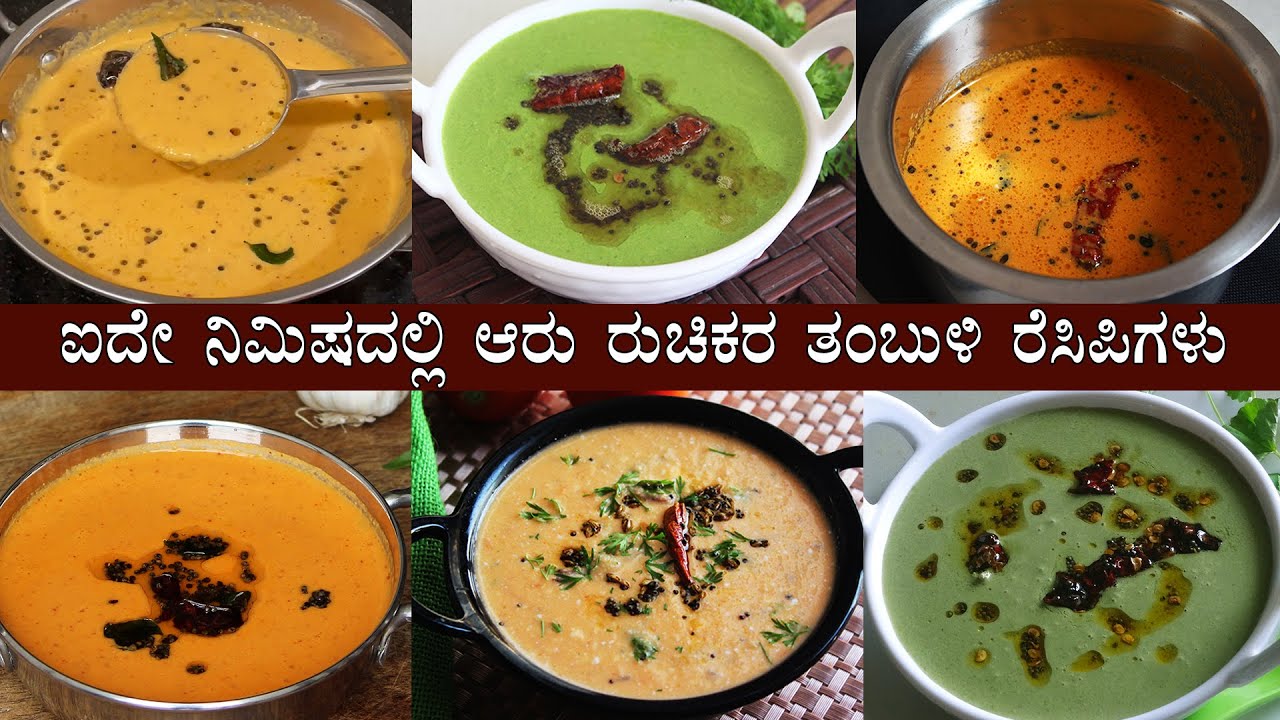
“Tambuli is one of the least-known dishes in the South Indian canon outside of Karnataka, and that's a crime. A raw coconut paste folded into cold yogurt, finished with a crackle of mustard seeds and dried chilies — it's on the table in 20 minutes, it cools down any spicy meal, and it has more depth than any raita you've ever made. The only things that can go wrong are grinding the coconut wrong or using warm yogurt. Both are easy to fix once you understand why they matter.”
Why This Recipe Works
Tambuli does not ask much of you. Twenty minutes, a blender, a small pan for tempering, and four core ingredients. What it asks instead is precision — specifically, that you understand why each of those four core ingredients behaves the way it does and what happens when you treat them carelessly. The dish is simple enough that the technique has nowhere to hide.
The Cold Constraint
This is not optional: tambuli is a cold preparation. The yogurt goes in cold. The serving bowl should be cold. The dish hits the table cold. This is not a preference — it is the engineering principle around which the entire recipe is built. Yogurt is an emulsion of fat, water, and protein held in suspension by the activity of lactic acid bacteria. Above a certain temperature, that suspension destabilizes. The fat separates, the proteins tighten, and the texture goes grainy and thin. Tambuli made with warm yogurt does not just taste wrong — it structurally fails within minutes.
The traditional Karnataka context reinforces this. Tambuli is served as a transitional dish in a formal meal sequence, arriving after the aggressive heat of rasam and before the meal closes. Its job is literal temperature contrast — the hot steamed rice beneath it, the cold coconut yogurt poured over, creating an immediate cooling effect on the palate and the body. Serve it warm and you have eliminated the entire point of the dish.
Why Coconut Is Not Decoration
In most Western yogurt preparations, mix-ins — cucumber, onion, herbs — float in the yogurt as distinct components. Tambuli works differently. The coconut is ground into a paste and emulsified throughout the yogurt, not stirred in as chunks. This means the coconut's fat content becomes structural. It thickens the yogurt into a gravy-like consistency, smooths out the yogurt's acidity, and carries the aromatic oils from the cumin and pepper into every bite evenly.
This is why grinding technique matters. Over-process the coconut in a high-speed blender and it releases its fat too aggressively, producing an oily, thin mixture. Under-process it and the fat stays locked in cell walls, producing a grainy texture that never fully integrates with the yogurt. The target is coarse and moist — a paste that has released enough fat to emulsify but still has enough texture to contribute mouthfeel. You are looking for wet sand, not coconut cream.
The Spice Architecture
Cumin and black pepper are the backbone of tambuli's flavor, and they are ground with the coconut rather than added separately for a reason rooted in basic flavor chemistry. Cumin's principal aromatic compound — cuminaldehyde — is fat-soluble. So is piperine, the compound responsible for black pepper's sharp warmth. Fat-soluble compounds need fat to distribute evenly through a dish. Grinding the spices directly into the coconut paste means those aromatic oils immediately dissolve into coconut fat, creating a uniform flavor carrier that disperses throughout the yogurt when you fold the paste in.
Add the same spices directly to yogurt without this step and they sit in isolation — concentrated in whatever bit of yogurt they land near, absent everywhere else. The dish tastes uneven: spicy in one spoonful, bland in the next. A mortar and pestle to crack the seeds first accelerates oil release during grinding. This takes ten seconds. It is worth it.
The Tadka Physics
The tempering is the last step and the most dramatic one. Cold yogurt gravy, 90 seconds of violent crackling in a small pan, then a cascade of hot coconut oil, popped mustard seeds, darkened curry leaves, and brick-red dried chilies poured over the surface. The contrast — cold surface, hot oil — causes an immediate bloom of aromatic volatiles. The heat from the oil briefly destabilizes the top layer of yogurt, releasing fat-soluble aromatics directly where they hit, producing an intensely fragrant crown of spice before the dish cools back down.
This is also why tambuli is served immediately after the tadka is added. The aromatic impact is front-loaded and fades within minutes as the temperature equalizes. In Karnataka homes, you pour the tadka and bring the bowl to the table in the same motion. The dish arriving hot on top and cold underneath is not a mistake — it is the entire sensory experience of tambuli, engineered centuries ago by people who understood flavor physics before the vocabulary existed to describe it.
Where Beginners Mess This Up
Before we start, read this. These are the 4 reasons your authentic tambuli (karnataka's forgotten five-minute cooling yogurt gravy) will fail:
- 1
Using warm or room-temperature yogurt: Tambuli is a cooling dish by design. If you fold the coconut paste into warm yogurt, the acids in the yogurt begin breaking down the coconut fat immediately, producing a thin, greasy, slightly sour result. The yogurt must be cold from the refrigerator — below 45°F — when you combine it with the paste. This keeps the emulsion stable and the texture thick and creamy.
- 2
Over-grinding the coconut: Freshly grated coconut should be ground to a coarse, slightly textured paste — not a smooth cream. If you run the grinder too long, the coconut releases too much fat and the paste becomes oily. Fifteen to twenty seconds in a wet grinder or blender on pulse is all it needs. Stop when it still has faint texture.
- 3
Skipping the cumin-pepper grind: Some shortcuts suggest just mixing whole spices into the yogurt. This produces flat, uneven flavor. Cumin and black pepper must be ground with the coconut so their aromatic oils are released into the fat of the coconut before meeting the yogurt. The fat carries flavor in a way water-based yogurt cannot.
- 4
Burning the tadka: The tempering goes on top of the finished tambuli, not cooked into it. Coconut oil should be hot but not smoking. Mustard seeds should pop and go still — about 30 seconds. If the dried chilies turn black, the tadka is ruined. It takes 90 seconds total and requires your full attention for every one of them.
The Video Reference Library
Want to see it in action? Here are the exact videos we analyzed and combined to build this foolproof recipe translation:
The most complete demonstration of tambuli technique available, showing exact coconut grind texture, yogurt temperature, and tadka timing. Pay close attention to the moment the blender is stopped — that coarse paste texture is the target.
Contextualizes tambuli within the broader family of Karnataka Brahmin cooling dishes, including pachadi and mosaru bajji. Useful for understanding why raw-preparation technique matters so much in this cuisine.
A focused breakdown of tempering technique with mustard seeds and dried chilies in coconut oil. The principles here apply directly to tambuli's finishing step.
🛠️ Core Equipment
- Wet grinder or high-speed blenderTambuli requires a coarse coconut paste, not a smooth one. A wet grinder gives you better control over texture than a food processor, which tends to over-process. If using a blender, pulse in 3-second bursts and stop early.
- Small tempering pan or tadka panA tiny pan concentrates the heat for tempering so the mustard seeds pop immediately. A large pan dissipates heat and causes uneven popping and scorched chilies. A dedicated tadka pan is the right tool — a very small saucepan works as a substitute.
- Mortar and pestleFor lightly crushing cumin and pepper before adding to the blender. Pre-cracking the spices opens their cell walls so they release more volatile oil during grinding. A quick two or three presses — not a fine powder.
- Chilled serving bowlTambuli should be served cold. Placing your finished yogurt gravy in a pre-chilled bowl extends how long it stays at the right temperature on the table. In Karnataka homes, this is served alongside hot rice, and the contrast is intentional.
Authentic Tambuli (Karnataka's Forgotten Five-Minute Cooling Yogurt Gravy)
🛒 Ingredients
- ✦1 cup freshly grated coconut (or thawed frozen grated coconut)
- ✦2 cups full-fat plain yogurt, cold
- ✦1 teaspoon cumin seeds
- ✦1/2 teaspoon whole black peppercorns
- ✦2 green Thai chilies, roughly chopped
- ✦1 teaspoon freshly grated ginger
- ✦8 fresh curry leaves
- ✦1/2 teaspoon sea salt, plus more to taste
- ✦For the tadka:
- ✦1.5 tablespoons cold-pressed coconut oil
- ✦1/2 teaspoon black mustard seeds
- ✦2 dried red chilies, broken in half
- ✦6 fresh curry leaves
- ✦1 pinch asafoetida (hing)
👨🍳 Instructions
01Step 1
Remove the yogurt from the refrigerator and set aside, still cold. Do not let it come to room temperature.
02Step 2
Lightly crush the cumin seeds and black peppercorns in a mortar and pestle — two or three presses only. You want them cracked open, not powdered.
03Step 3
Add the grated coconut, cracked cumin and pepper, green chilies, grated ginger, and 8 fresh curry leaves to a blender. Pulse 4-5 times in 3-second bursts until you have a coarse, slightly textured paste. Do not over-blend.
04Step 4
Scrape the coconut paste into a large bowl. Add the cold yogurt and salt. Fold gently with a spoon until just combined — do not whisk vigorously.
05Step 5
Taste and adjust salt. The tambuli should taste cool, mildly spiced, faintly herbal from the curry leaves, and bright with fresh coconut. Transfer to a chilled serving bowl.
06Step 6
For the tadka: heat coconut oil in a small tempering pan over medium-high heat. When the oil shimmers, add the mustard seeds.
07Step 7
When the mustard seeds begin popping (about 20-30 seconds), add the dried red chilies, curry leaves, and a pinch of asafoetida. Stand back — the curry leaves will spatter.
08Step 8
Cook for 30-45 seconds, swirling the pan, until the chilies deepen to a brick red and the curry leaves are fragrant and slightly crisp. Remove from heat immediately.
09Step 9
Pour the entire tadka over the cold tambuli in one confident motion. Do not stir it in. Serve immediately alongside hot steamed rice.
Nutrition Per Serving
Estimates based on standard preparation. Adjustments alter macros.
🔄 Substitutions
Instead of Fresh grated coconut...
Use Unsweetened frozen grated coconut, thawed
Thaw overnight in the refrigerator, then squeeze gently in a clean kitchen towel to remove excess moisture before grinding. The texture difference is minimal.
Instead of Full-fat yogurt...
Use Full-fat coconut yogurt
Makes the dish fully vegan. Use a thick, unsweetened variety. The cooling effect is retained; the flavor becomes richer and more intensely coconut-forward.
Instead of Coconut oil (for tadka)...
Use Sesame oil (gingelly oil)
Traditional in some Tamil Nadu preparations. Adds a nutty depth that complements the coconut paste. Use untoasted sesame oil — toasted sesame is too dominant.
Instead of Green Thai chilies...
Use 1/4 teaspoon white pepper added to the grind
For a no-heat version. White pepper provides a clean, quiet spice note without the frontal heat of fresh chilies. Common in versions served to children or elderly.
🧊 Storage & Reheating
In the Fridge
Store without the tadka in an airtight container for up to 24 hours. The coconut oxidizes quickly and the yogurt thins out beyond that window. Always add fresh tadka when serving.
In the Freezer
Not recommended. Yogurt-based preparations separate on freezing and the coconut texture turns mealy after thawing.
Reheating Rules
Tambuli is never reheated. It is a cold dish by definition. If it has warmed while sitting out, return it to the refrigerator for 15 minutes before serving again.
❓ Frequently Asked Questions
What is tambuli and how is it different from raita?
Raita is seasoned yogurt with added vegetables — cucumber, onion, tomato — and relies on whole or roughly chopped ingredients for texture. Tambuli is a ground paste of coconut, cumin, and herbs emulsified into yogurt, producing a uniform gravy-like consistency. Raita is a garnish. Tambuli is a dish — in Karnataka, it's poured directly over rice as a course, not used as a condiment.
Can I use store-bought shredded coconut?
Only if it's unsweetened and clearly labeled as 'fresh frozen' or 'raw grated.' Sweetened desiccated coconut will make the tambuli taste like a dessert. Dried coconut flakes will absorb the yogurt and turn gummy. If fresh or frozen is unavailable, this is one of those dishes worth postponing until it is.
Why does my tambuli taste flat even though I followed the recipe?
The most common cause is insufficient salt — yogurt dishes need more salt than you expect because the fat in the coconut dulls saltiness perception. Taste after mixing and again after the tadka is added. The other cause is old cumin seeds: cumin loses its volatile oils within a few months of opening. If your cumin has been in the spice drawer for a year, it's contributing nothing.
What do I serve tambuli with?
Steamed white rice is the traditional base. In a full Karnataka Brahmin meal (oota), tambuli appears alongside sambar, rasam, dry vegetable curries, and papad. Outside that context, it works as a dip for dosa or idli, or as a cooling component alongside any heavily spiced South Indian main.
Is tambuli the same as majjige huli?
No. Majjige huli is a cooked yogurt-based curry with vegetables, thickened with coconut-chickpea paste, and tempered. Tambuli is entirely raw except for the 90-second tadka. The two dishes occupy different places in the meal — majjige huli is substantial and warming; tambuli is light, cooling, and fast.
My tadka made the yogurt curdle around the edges. What went wrong?
The oil was too hot when it hit the cold yogurt, causing localized heat shock. Either let the tadka cool for 30-45 seconds off heat before pouring, or pour it more slowly. A small amount of curdling at the edges is cosmetically imperfect but does not affect flavor — stir it in gently.

The Science of
Authentic Tambuli (Karnataka's Forgotten Five-Minute Cooling Yogurt Gravy)
We turned everything on this page into a beautiful, flour-proof PDF cheat sheet. Print it out, stick it to your fridge, and never mess up your authentic tambuli (karnataka's forgotten five-minute cooling yogurt gravy) again.
*We'll email you the high-res PDF instantly. No spam, just perfectly cooked meals.
AlmostChefs Editorial Team
We translate the internet's most popular cooking videos into foolproof, beginner-friendly written recipes. We analyze multiple methods, test them in our kitchen, and engineer a single "Master Recipe" that gives you the best possible result with the least possible stress.