Tambli Done Right (Karnataka's Cooling Yogurt Curry You're Overcooking)
A traditional Karnataka no-cook yogurt curry made with freshly grated coconut, cumin, and aromatics blended into a silky, cooling sauce. We broke down the technique behind this ancient South Indian dish — where restraint and raw ingredients do all the work.
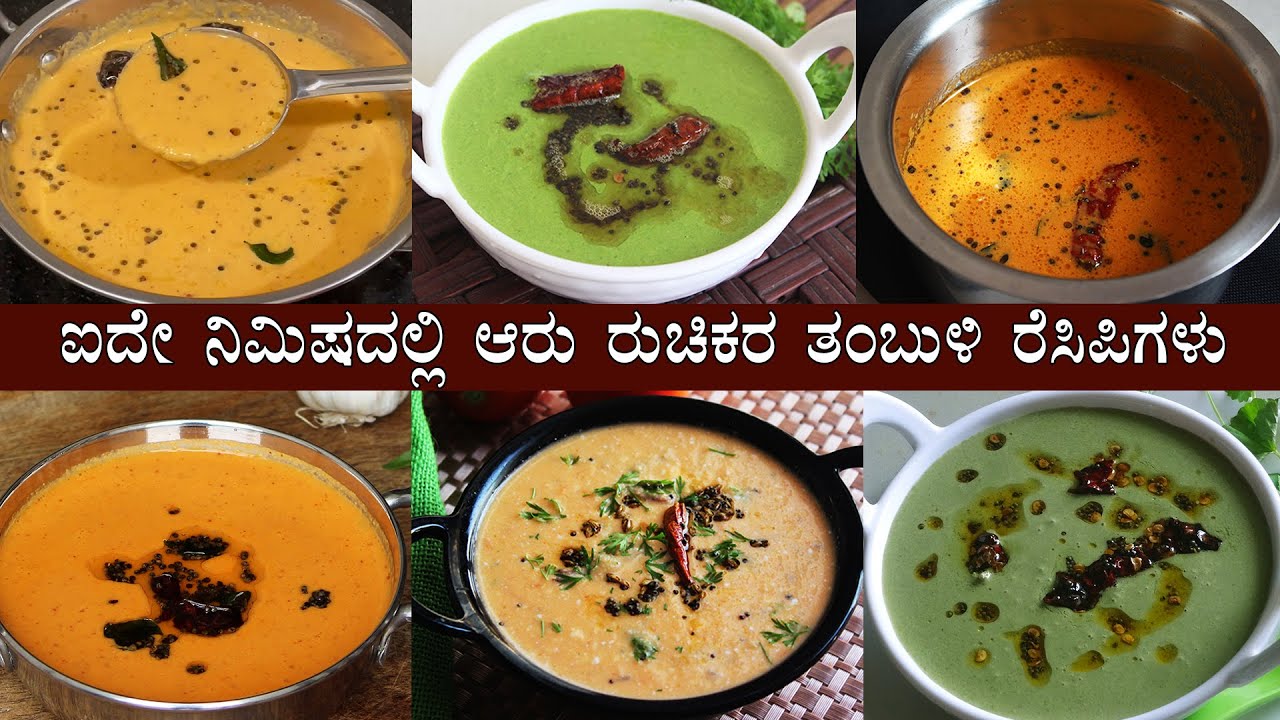
“Tambli is the dish that proves most Indian cooking is not about fire. This Karnataka yogurt-based curry is intentionally raw — you blend fresh coconut, cumin, and aromatics into cool, thick curd, then finish with a 90-second tempering. That's it. The entire point is that you don't cook it. And yet home cooks ruin it by heating the yogurt, by using desiccated coconut, or by adding water until it's thin as soup. We fixed all of that.”
Why This Recipe Works
Tambli is proof that Indian cuisine's most sophisticated moves are sometimes acts of restraint. While the rest of the subcontinent's curry tradition is built on heat — on the Maillard reaction, on long simmers, on smoke and char — this Karnataka classic achieves its complexity through deliberate inaction. You grind, you mix, you temper for ninety seconds, and then you stop. The dish is done. The challenge is not learning how to cook it. The challenge is trusting that you don't need to.
The Fresh Coconut Imperative
Everything in this recipe orbits around fresh coconut, and fresh coconut is not interchangeable with any shelf-stable alternative. When you grind raw coconut flesh, you're liberating coconut fat — the same medium-chain triglycerides found in coconut cream — and suspending it in a fine paste that will emulsify into the yogurt. This is the mechanism that gives tambli its silky, cohesive texture rather than the greasy-water separation you get when you try to mix oil into yogurt by other means.
Desiccated coconut has been heat-dried, which drives off most of its fat and all of its moisture. What remains is essentially flavored fiber. It will not emulsify. It will not produce a smooth paste. It will give you a gritty, desiccated result that shares a name with tambli but none of its qualities. If fresh coconut is unavailable, thick unsweetened coconut cream is a workable substitute. Anything else is a different dish.
Cold Curry Science
Tambli is part of a small and underappreciated category of yogurt-based Indian preparations that are specifically designed to be served cold or at room temperature. The cooling effect is not incidental — it is the point. Karnataka's Tulu-speaking coastal communities developed tambli as a digestive, intended to calm the digestive system after a meal of heavily spiced rice and sambar. The lactic acid in the yogurt, the fat from the coconut, and the carminative properties of cumin work together in a way that centuries of empirical kitchen wisdom arrived at before food science gave it a name.
This is also why you cannot heat the yogurt. Yogurt is a protein-fat emulsion stabilized by acid, and it exists in a narrow temperature window. Below roughly 160°F it holds. Above that threshold, the proteins denature rapidly and the emulsion breaks — you get whey and curds instead of sauce. The finishing tempering works because the hot oil is poured onto the surface of the cold yogurt mixture rather than mixed in, allowing it to cool on contact before it can denature the proteins below. The tadka pan is essential for this step — its small diameter lets you pour a concentrated, controlled stream of hot oil in a single motion.
The Grinding Threshold
The texture of tambli lives or dies at the grinding stage. The coconut paste needs to be ground past the point where you can still feel individual coconut fibers and into the zone where the cellular walls have completely broken down and the fat is fully released. On a traditional stone wet grinder, this takes about three minutes. In a high-powered blender, 90 seconds with brief pauses to prevent heat buildup achieves the same result.
The mistake most home cooks make is adding too much water to help the blender along. Water is the enemy here. Each tablespoon dilutes the coconut fat concentration and produces a thinner, less cohesive paste that will never fully integrate with the yogurt. Use the absolute minimum water needed to keep the blade moving — the paste should look almost dry and thick, not pourable.
Why Cumin Does the Heavy Lifting
Cumin appears twice in this recipe: once ground into the coconut paste, once flash-fried in the tempering. This is not redundancy — it is two entirely different flavor expressions of the same spice. Raw ground cumin in the paste contributes an earthy, slightly bitter bass note that integrates with the coconut fat over the resting time. Fried cumin seeds in hot oil contribute a roasted, nutty top note that sits on the surface of the finished dish and hits your nose before the spoon reaches your mouth.
The 10-minute rest between mixing and serving is where these two cumin registers begin to harmonize. It's the quietest and most important step in the recipe, and it's the one most likely to get skipped by an impatient cook who just wants to eat. Don't skip it. This dish cannot be rushed.
Where Beginners Mess This Up
Before we start, read this. These are the 4 reasons your tambli done right (karnataka's cooling yogurt curry you're overcooking) will fail:
- 1
Using desiccated or dried coconut: Tambli's texture is built on fresh coconut fat emulsifying into the yogurt. Desiccated coconut has had that fat baked out. The result is a grainy, dry paste that refuses to blend smooth and produces none of the silky mouthfeel that defines the dish. Fresh coconut is not optional — it is the dish.
- 2
Heating the yogurt: Tambli is a cold curry. The moment you apply direct heat to the yogurt base, it splits into watery whey and rubbery curds. Serve it at room temperature or slightly chilled. The tempering oil is poured on top and swirled in — the yogurt never touches the flame.
- 3
Over-watering the blend: Adding too much water to the coconut-spice grind produces a thin, washed-out sauce with no body. The blend should be a thick paste before the yogurt is added. Adjust consistency with yogurt, not water — the curd provides both liquid and richness simultaneously.
- 4
Skipping the resting time: Tambli tastes flat immediately after blending. A 10-minute rest allows the cumin and pepper to bloom into the yogurt and the coconut fat to fully integrate. Serve it right out of the blender and you're eating raw paste. Wait, and you get a unified sauce.
The Video Reference Library
Want to see it in action? Here are the exact videos we analyzed and combined to build this foolproof recipe translation:
The source video demonstrating authentic Udupi-style tambli technique. Pay close attention to the coconut paste consistency before yogurt is added — that thick, barely-wet paste is the target texture.
Covers the tempering technique for yogurt-based dishes and explains why the fat is added last rather than cooked in from the start.
A detailed breakdown of achieving smooth coconut paste at home without a stone grinder. Includes the water-addition method for blenders that struggle with dry grinding.
🛠️ Core Equipment
- Stone grinder or high-powered blenderFresh coconut needs to be broken down to an ultra-smooth paste. A standard hand blender or weak food processor leaves visible coconut threads that ruin the texture. A [stone wet grinder](/kitchen-gear/review/wet-grinder) produces the silkiest result; a high-powered blender is the practical home alternative.
- Small tempering pan (tadka pan)The finishing tempering uses only 1 tablespoon of oil. A full-size skillet spreads the oil too thin and makes it impossible to control the mustard seed pop. A [tadka pan](/kitchen-gear/review/tadka-pan) concentrates the heat and lets you pour the tempered oil precisely over the surface.
- Mixing bowlWide enough to whisk the yogurt smooth before incorporating the coconut paste. Lumpy yogurt produces an uneven sauce — a quick whisk before combining saves you from having to over-blend and risk aerating the mixture.
Tambli Done Right (Karnataka's Cooling Yogurt Curry You're Overcooking)
🛒 Ingredients
- ✦1 cup fresh coconut, grated (from roughly half a medium coconut)
- ✦1.5 cups full-fat plain yogurt, whisked smooth
- ✦1.5 teaspoons cumin seeds, divided
- ✦2 green chilies, roughly chopped
- ✦3 garlic cloves
- ✦1/2 teaspoon whole black peppercorns
- ✦8-10 fresh curry leaves
- ✦1/2 teaspoon mustard seeds
- ✦1 dried red chili
- ✦1 tablespoon cold-pressed coconut oil
- ✦1/4 teaspoon turmeric powder
- ✦2 tablespoons water (for grinding only)
- ✦Salt to taste
- ✦Fresh cilantro leaves for garnish (optional)
👨🍳 Instructions
01Step 1
Add the grated fresh coconut, 1 teaspoon cumin seeds, green chilies, garlic cloves, and black peppercorns to a blender. Add 2 tablespoons of water.
02Step 2
Blend on high for 60-90 seconds until you have a smooth, slightly gritty paste with no visible coconut shreds. Scrape down the sides once halfway through.
03Step 3
Whisk the yogurt in a mixing bowl until completely smooth with no lumps. This takes about 30 seconds of active whisking.
04Step 4
Add the coconut paste to the whisked yogurt. Add turmeric and salt. Mix thoroughly until fully combined.
05Step 5
Let the mixture rest at room temperature for 10 minutes, uncovered.
06Step 6
Heat coconut oil in a tadka pan over medium-high heat. When the oil shimmers, add mustard seeds and cover immediately.
07Step 7
Once popping slows, add the remaining 1/2 teaspoon cumin seeds, dried red chili, and curry leaves. They will sputter and crisp in 15-20 seconds. Remove from heat immediately.
08Step 8
Pour the entire tempering over the yogurt mixture. Swirl gently with a spoon to incorporate some of the oil without fully mixing it in — the marbled look on top is traditional.
09Step 9
Serve immediately alongside steamed rice or as a side to a full Karnataka meal. Tambli is not reheated.
Nutrition Per Serving
Estimates based on standard preparation. Adjustments alter macros.
🔄 Substitutions
Instead of Fresh coconut...
Use Fresh coconut cream (no additives)
Use 3 tablespoons of thick, unsweetened coconut cream in place of grated coconut. Reduce water to zero in the blend. The texture is smoother but you lose some of the fibrous body the dish traditionally has.
Instead of Green chilies...
Use 1/4 teaspoon white pepper powder
For those avoiding nightshades. White pepper provides heat without the chili fruitiness. Add it directly to the yogurt rather than the blender — it disperses better in liquid.
Instead of Coconut oil...
Use Ghee
Ghee produces a richer, more complex tempering aroma. Traditional in some regional variations. Avoid neutral oils — the fat flavor is part of the dish.
Instead of Full-fat yogurt...
Use Thick coconut milk yogurt
Fully dairy-free alternative. Use a brand with minimal additives and no sweeteners. The coconut-on-coconut flavor doubles down on richness, which works well for this dish.
🧊 Storage & Reheating
In the Fridge
Store in an airtight container for up to 1 day. The yogurt continues to acidify in the refrigerator, so tambli held longer than 24 hours becomes noticeably sour and the coconut flavor fades.
In the Freezer
Not recommended. Yogurt-based dishes separate on thawing and the texture becomes watery and broken.
Reheating Rules
Do not reheat. Tambli is a cold dish by design. If it has been refrigerated, allow it to come to room temperature for 15 minutes before serving. Stir gently to recombine any separation.
❓ Frequently Asked Questions
What does tambli taste like?
Cooling, slightly tangy, mildly spiced, and deeply coconut-forward. The yogurt provides acidity and body, the fresh coconut contributes fat and sweetness, and the cumin-pepper-chili blend adds warmth that contrasts with the cool base. It sits somewhere between a chutney and a thin curry.
What do you eat tambli with?
Steamed white rice is traditional. A spoonful of tambli is mixed into plain rice the same way sambar or rasam would be. It also works as a side sauce alongside dosas, idlis, or as part of a full Karnataka thali at the end of the meal as a palate cleanser.
Why did my tambli turn watery?
Two likely causes: either the yogurt was low-fat (which has higher water content), or you added too much water during grinding. Full-fat yogurt and a thick coconut paste are non-negotiable for proper body. If it's too thin, strain it briefly through a muslin cloth to remove excess liquid.
Can I make tambli ahead of time?
You can prepare the coconut paste up to a day ahead and refrigerate it. Add the yogurt and do the tempering no more than 30 minutes before serving. The full assembled tambli degrades quickly — the yogurt and coconut interact in ways that flatten the flavor within a few hours.
Is tambli the same as raita?
No. Raita incorporates vegetables or fruit into yogurt as a side condiment and is minimally spiced. Tambli uses a ground coconut-spice paste as its flavor base and is specifically designed to be eaten with rice as a functional digestive. The texture, use, and flavor profile are distinct.
My yogurt curdled when I added the tempering. What happened?
The tempering oil was too hot when it hit the yogurt. After removing the pan from heat, wait 15-20 seconds for the oil temperature to drop slightly before pouring. The yogurt can handle hot oil but not oil at full smoking temperature. You can also stir the yogurt vigorously as you pour, which prevents localized heat concentration.

The Science of
Tambli Done Right (Karnataka's Cooling Yogurt Curry You're Overcooking)
We turned everything on this page into a beautiful, flour-proof PDF cheat sheet. Print it out, stick it to your fridge, and never mess up your tambli done right (karnataka's cooling yogurt curry you're overcooking) again.
*We'll email you the high-res PDF instantly. No spam, just perfectly cooked meals.
AlmostChefs Editorial Team
We translate the internet's most popular cooking videos into foolproof, beginner-friendly written recipes. We analyze multiple methods, test them in our kitchen, and engineer a single "Master Recipe" that gives you the best possible result with the least possible stress.