Crispy Sweet and Sour Chicken (Better Than Takeout, Every Time)
Shatteringly crispy battered chicken tossed in a bright, tangy-sweet sauce with bell peppers and pineapple. We broke down the most-watched YouTube techniques to build one foolproof method that keeps the coating crispy long after it hits the sauce.
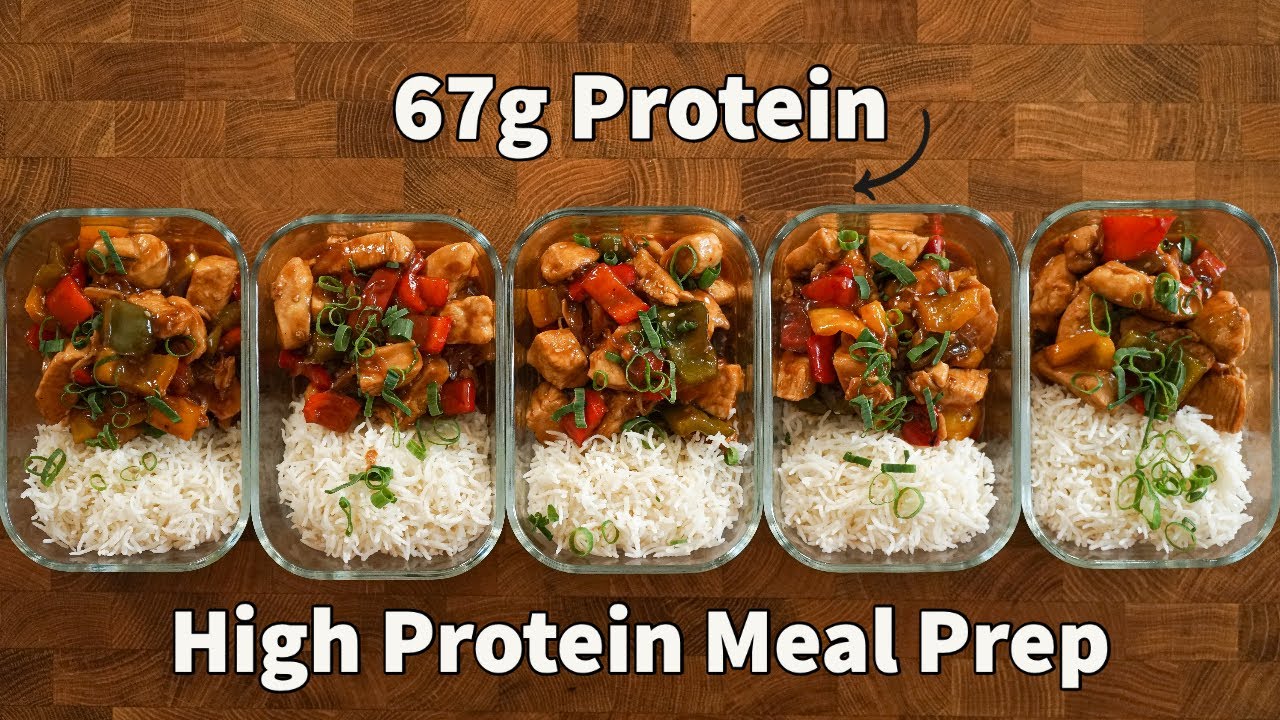
“Sweet and sour chicken is the most ordered Chinese-American dish in the country and the most consistently disappointing one to make at home. The sauce is never quite right — too sweet, too thick, or that alarming neon red — and the chicken goes soggy the moment it hits the liquid. Both problems are solvable. The sauce needs real acid from rice vinegar and pineapple juice, not food coloring. The chicken needs to be fried twice. That's the whole secret.”
Why This Recipe Works
Sweet and sour chicken is one of those dishes with a trust problem. Order it from a good restaurant and it's transcendent — lacquered, crackling chicken in a sauce that's genuinely both sweet and sour, vegetables with real texture, everything in balance. Make it at home from a recipe and you usually end up with something pale, limp, and vaguely sad, swimming in sauce the color of a highway cone. The gap between those two outcomes is not mysterious. It's physics, chemistry, and one technique you're probably skipping.
The Double-Fry Doctrine
The most important thing to understand about crispy fried chicken is that frying is fundamentally a dehydration process, not just a cooking process. When chicken hits 325°F oil, the surface moisture flash-evaporates, cooking the proteins and beginning to set the coating. One fry produces a crust that is cooked but not yet fully dehydrated — it has structural integrity in dry air but collapses the moment it encounters the humidity of a hot sauce.
The second fry at 375°F strips the remaining moisture from the coating completely. The cornstarch and flour matrix transforms from a cooked paste into something closer to ceramic — rigid, porous, with a network of tiny air pockets that resist liquid penetration. A properly double-fried crust can sit in sauce for 90 seconds before any softening becomes perceptible. That's your window. Use it.
The batter composition amplifies this effect. The 3:1 cornstarch-to-flour ratio gives you the crispness of pure starch with enough gluten from the flour to create structural bonds that hold the coating together. The baking powder introduces carbon dioxide during frying, expanding into small bubbles that make the crust lighter and more porous — faster to dehydrate, faster to crisp. These are not interchangeable ingredients. Each one is solving a specific physical problem.
Sauce Architecture
The failure mode of most homemade sweet and sour sauce is one-dimensionality. Commercial versions lean entirely on sweetness, using corn syrup as the base and a drop of vinegar as an afterthought. The result tastes like candy with ambitions. The actual formula requires equal authority from both sides of the equation: ketchup and sugar for sweetness, rice vinegar and pineapple juice for acid. Neither should dominate before the sauce hits the chicken — it should taste aggressively balanced, the kind of flavor that makes you want to immediately eat something rather than think about it.
The cornstarch slurry is what gives the sauce its glossy, lacquered finish. It must be added to a sauce that is actively boiling, stirred constantly for 60-90 seconds until the starch granules fully hydrate and swell. Undercooked slurry leaves a starchy, cloudy flavor in the sauce and a texture that's closer to wallpaper paste than restaurant glaze. The visual cue: the sauce turns translucent and coats the back of a spoon with a defined, glossy film.
Pineapple does double duty here. The chunks provide textural contrast and a bright fruit note that the bell peppers can't replicate. More importantly, the juice — fresh or from the can — contributes fructose and citric acid that deepen the sauce's complexity in a way that sugar and vinegar alone cannot. If you're using fresh pineapple, note that it contains bromelain, a protease enzyme that can slowly break down cornstarch-thickened sauces over time. For same-day serving, it makes no difference. For leftovers, canned pineapple is more stable.
Vegetable Timing
Bell peppers and onion need to be cooked over genuinely high heat for no more than two minutes. The goal is some caramelization and char on the exterior while the interior remains crisp — what chefs call "blistered." Low heat or a crowded pan steams the vegetables into softness, stripping their textural contribution from the finished dish. A wok handles this better than anything else because its thin walls transfer heat instantaneously and its sloped sides let you keep the vegetables moving without losing them over the edge.
The sequence matters: aromatics first for 30 seconds, then vegetables for two minutes, then sauce. The garlic and ginger bloom in the hot oil before anything else dilutes their volatile compounds. Added later, they don't have time to cook through and leave a harsh, raw edge in the finished dish.
The Timing Problem
Restaurant kitchens produce consistent sweet and sour chicken because everything runs in parallel — chicken frying, sauce reducing, rice resting, plate waiting. Home kitchens run sequentially, which means the fried chicken is usually sitting somewhere cooling down while the sauce finishes. Have everything ready before the chicken hits the sauce: rice plated, garnishes prepped, serving bowls warm. The toss-to-table window is short and it's the difference between crackling and soggy. Architecture and timing. That's the whole recipe.
Where Beginners Mess This Up
Before we start, read this. These are the 4 reasons your crispy sweet and sour chicken (better than takeout, every time) will fail:
- 1
Single-frying the chicken: One fry at high heat produces chicken that looks crispy but loses its coating the moment moisture from the sauce makes contact. The double-fry technique — first at 325°F to cook through, second at 375°F to shatter the crust — creates a dehydrated, structural shell that resists sauce penetration for several minutes. This is how restaurants keep the coating intact from wok to table.
- 2
Using cornstarch alone in the batter: Pure cornstarch coatings are brittle and thin. The optimal coating is a 3:1 ratio of cornstarch to all-purpose flour, which gives you the crispness of starch with just enough gluten structure to grip the chicken and hold together under sauce contact. Too much flour and it turns doughy. Too little and it shatters off.
- 3
Making the sauce too sweet: Commercial sweet and sour sauce uses high-fructose corn syrup as its first ingredient, which is why it tastes flat and cloying. The balance point is equal parts sweetness and acid: ketchup plus sugar for the sweet side, rice vinegar plus pineapple juice for the sour. Without enough acid, the sauce tastes like candy, not food.
- 4
Adding the chicken to the sauce too early: Crispy chicken sitting in hot sauce for more than 90 seconds begins to steam and go limp. Toss the chicken in the sauce immediately before serving — not while you're still plating rice. Timing is everything.
The Video Reference Library
Want to see it in action? Here are the exact videos we analyzed and combined to build this foolproof recipe translation:
The source video for this recipe. Focuses on the double-fry method and sauce balance. Essential watch for understanding the crust structure before you cook.
Deep dive into sauce construction — acid-to-sugar ratios, the cornstarch slurry consistency, and the exact color you're aiming for before adding the chicken.
Restaurant technique breakdown covering wok heat, sauce timing, and how to replicate the texture window that keeps chicken crispy after tossing.
🛠️ Core Equipment
- Heavy-bottomed pot or Dutch ovenStable oil temperature is the entire game in deep frying. A thin pot loses 30-40 degrees every time you add chicken, stalling the crust formation. A heavy pot recovers temperature in seconds.
- Instant-read thermometerYou need to hit 325°F for the first fry and 375°F for the second. Guessing oil temperature produces inconsistent results — slightly too cool and the coating absorbs oil, slightly too hot and the outside burns before the inside cooks.
- Wire rack over a sheet panDraining fried chicken on paper towels traps steam underneath and softens the bottom crust. A wire rack lets air circulate on all sides, maintaining the crust while you set up the sauce.
- Wok or large skilletThe sauce needs high, even heat to thicken quickly. A wok's sloped sides let you toss everything without the chicken falling out. A wide skillet works, but avoid shallow pans.
Crispy Sweet and Sour Chicken (Better Than Takeout, Every Time)
🛒 Ingredients
- ✦1.5 pounds boneless skinless chicken breast, cut into 1-inch cubes
- ✦3/4 cup cornstarch
- ✦1/4 cup all-purpose flour
- ✦1 teaspoon baking powder
- ✦1/2 teaspoon garlic powder
- ✦1/2 teaspoon sea salt
- ✦1/4 teaspoon white pepper
- ✦2 large eggs, beaten
- ✦Neutral oil for frying (canola or vegetable)
- ✦1 red bell pepper, cut into 1-inch pieces
- ✦1 green bell pepper, cut into 1-inch pieces
- ✦1 cup fresh pineapple chunks (or canned in juice, drained)
- ✦1/2 white onion, cut into 1-inch pieces
- ✦1/3 cup ketchup
- ✦1/3 cup rice vinegar
- ✦3 tablespoons pineapple juice (from the can or fresh-squeezed)
- ✦3 tablespoons granulated sugar
- ✦1 tablespoon soy sauce
- ✦1 teaspoon sesame oil
- ✦2 tablespoons cornstarch mixed with 3 tablespoons cold water (slurry)
- ✦2 cloves garlic, minced
- ✦1 teaspoon fresh ginger, grated
- ✦Sesame seeds and sliced scallions for garnish
👨🍳 Instructions
01Step 1
Whisk together cornstarch, flour, baking powder, garlic powder, salt, and white pepper in a large bowl.
02Step 2
Add the beaten eggs to the dry mixture and stir until a thick batter forms. Add the chicken cubes and toss until every piece is thoroughly coated.
03Step 3
Pour 3 inches of neutral oil into a heavy-bottomed pot and heat to 325°F over medium-high heat.
04Step 4
Working in batches of 8-10 pieces, fry the chicken for 3-4 minutes until cooked through but pale golden. Do not crowd the pot. Remove to a wire rack.
05Step 5
Once all pieces have been first-fried, raise the oil temperature to 375°F. Return all the chicken to the oil simultaneously and fry for 90 seconds to 2 minutes until deeply golden and shatteringly crispy.
06Step 6
Drain on the wire rack. Hold in a 200°F oven if your sauce isn't ready.
07Step 7
In a small bowl, whisk together ketchup, rice vinegar, pineapple juice, sugar, soy sauce, and sesame oil. Taste and adjust — it should be assertively tangy with sweetness that follows.
08Step 8
Heat 1 tablespoon of oil in a wok or large skillet over high heat. Add garlic and ginger and stir-fry for 30 seconds until fragrant.
09Step 9
Add bell peppers and onion. Stir-fry on high heat for 2 minutes — you want them to have some char and snap, not go soft.
10Step 10
Pour the sauce mixture into the wok and bring to a rapid boil. Stir in the cornstarch slurry and cook for 60-90 seconds until the sauce thickens and turns glossy.
11Step 11
Add the pineapple chunks and toss to coat. Remove from heat.
12Step 12
Add the fried chicken to the wok and toss quickly to coat every piece. Serve immediately over steamed rice, garnished with sesame seeds and scallions.
Nutrition Per Serving
Estimates based on standard preparation. Adjustments alter macros.
🔄 Substitutions
Instead of Chicken breast...
Use Boneless chicken thighs
Thighs stay juicier through the double-fry and are more forgiving if the oil temperature isn't perfect. Slightly fattier, which some people prefer. Cut the same size.
Instead of Rice vinegar...
Use Apple cider vinegar
Similar acidity level with a slightly fruitier profile. Avoid white distilled vinegar — it's too sharp and one-dimensional for this sauce.
Instead of Fresh pineapple...
Use Canned pineapple chunks in juice
Canned is actually preferable for the sauce stability reasons above. Drain well and reserve the juice for the sauce.
Instead of All-purpose flour...
Use Rice flour
Makes the coating gluten-free and produces an even lighter, crispier crust. The texture is more delicate — handle the fried pieces gently.
🧊 Storage & Reheating
In the Fridge
Store fried chicken and sauce separately in airtight containers for up to 3 days. Combined, the dish keeps for 1 day but the chicken will be soft.
In the Freezer
Freeze the fried (but unsauced) chicken on a sheet pan until solid, then transfer to a bag for up to 2 months. Reheat in a 400°F oven directly from frozen — no thawing needed.
Reheating Rules
Oven at 400°F on a wire rack for 8-10 minutes to restore crispiness. Make fresh sauce when ready to serve. Microwave reheating is strongly discouraged — it steams the coating into paste.
❓ Frequently Asked Questions
Why is my sweet and sour chicken soggy?
Either you skipped the double-fry, or you tossed the chicken in the sauce too far in advance. The double-fry creates a dehydrated, structural crust. Toss immediately before serving and plate within 90 seconds.
Can I air-fry the chicken instead of deep-frying?
You can, but the result is materially different. Air-frying produces a dryer, thinner crust that doesn't hold up to sauce contact the same way. If you air-fry, serve the sauce on the side for dipping rather than tossing. 400°F for 12-14 minutes, flipping halfway.
Why isn't my sauce thickening?
The cornstarch slurry needs to boil actively to activate. If your heat is too low, the sauce stays thin. Bring it to a genuine boil, add the slurry, and stir constantly for 60-90 seconds. Also make sure your slurry is mixed with cold water — warm water causes premature clumping.
Can I make the sauce ahead of time?
Yes. The sauce (without the slurry) keeps refrigerated for two weeks. When ready to cook, bring it to a boil in the wok, then add the cornstarch slurry fresh. Don't pre-thicken and store — it becomes gelatinous and doesn't re-emulsify well.
How do I keep the chicken warm while I fry in batches?
A 200°F oven with the chicken on a wire rack over a sheet pan. Avoid covering or stacking — trapped steam is the enemy of crust. The oven hold can last up to 20 minutes without significant quality loss.
What's the right color for the sauce?
Deep terracotta orange-red — the color of brick, not the color of traffic cones. If your sauce looks neon red, there's too much ketchup or artificial coloring. Natural pineapple juice and quality ketchup produce a warm, muted tone that looks like real food.

The Science of
Crispy Sweet and Sour Chicken (Better Than Takeout, Every Time)
We turned everything on this page into a beautiful, flour-proof PDF cheat sheet. Print it out, stick it to your fridge, and never mess up your crispy sweet and sour chicken (better than takeout, every time) again.
*We'll email you the high-res PDF instantly. No spam, just perfectly cooked meals.
AlmostChefs Editorial Team
We translate the internet's most popular cooking videos into foolproof, beginner-friendly written recipes. We analyze multiple methods, test them in our kitchen, and engineer a single "Master Recipe" that gives you the best possible result with the least possible stress.