Foolproof Swedish Meatballs (The Creamy Sauce Is Everything)
Tender seasoned beef meatballs seared until deeply browned, then finished in a rich sour cream sauce built from the same pan drippings. We broke down the technique so the sauce never breaks and the meatballs never turn dense.
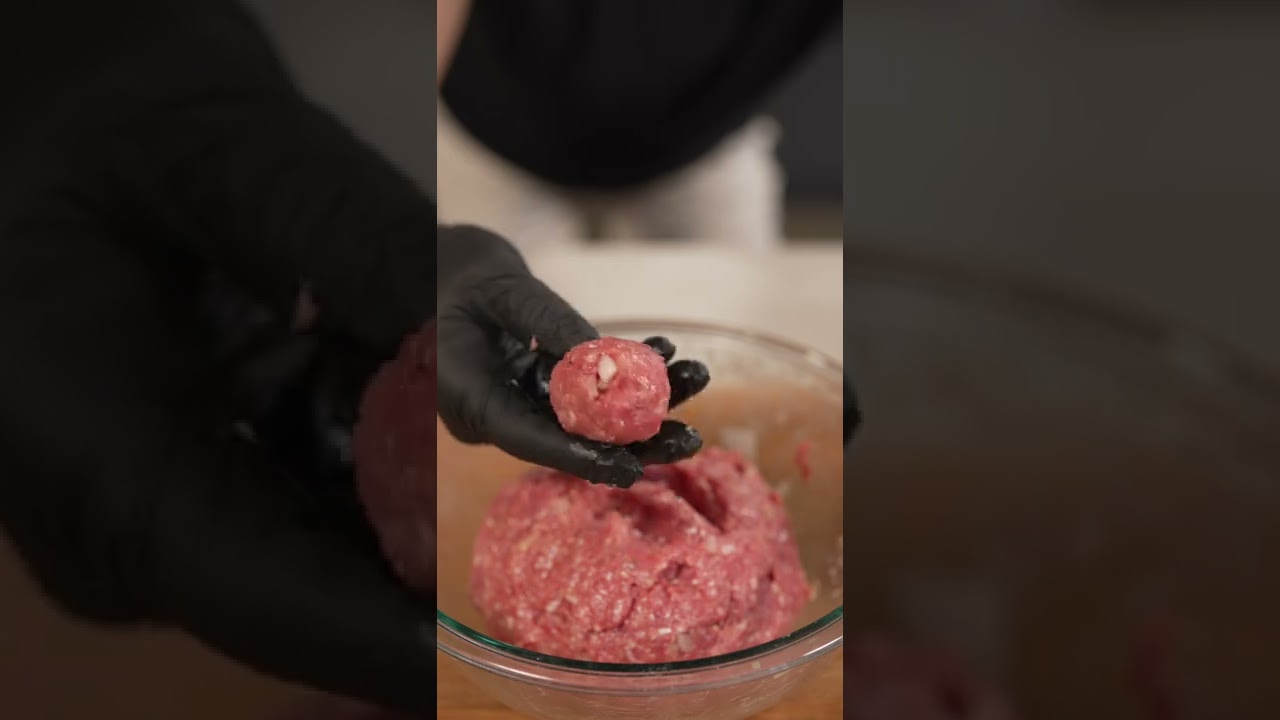
“Most Swedish meatball recipes fail at the sauce. Either it's watery and flavorless, or the sour cream curdles into grainy clumps the moment it hits heat. The fix is two things: a proper roux built in the same pan as the browned meatballs, and pulling the skillet off heat before the dairy goes in. Get those two right and everything else falls into place.”
Why This Recipe Works
Swedish meatballs are deceptively simple — ground beef, a sauce, some spices — which is exactly why so many versions are mediocre. The simplicity means there's nowhere to hide. Watery sauce, dense meatballs, curdled dairy: every mistake is visible and tastes like what it is. Getting this right requires understanding a few specific things, none of which are complicated.
The Meatball Structure
Meatballs are a study in protein behavior. Ground beef is a network of muscle fibers suspended in fat. When you apply mechanical force — mixing, kneading, pressing — those fibers align and bind together. Apply too much force and you get a dense, bouncy sphere that chews like a rubber eraser. Apply too little and the meatball falls apart in the pan.
The panade is the solution. Soaking panko breadcrumbs in milk for a couple of minutes before adding them to the meat creates a wet starch matrix that coats the protein fibers, physically preventing them from cross-linking too tightly during mixing. The result is a meatball with a tender, almost silky interior — the same technique used in French quenelles and Italian polpette. Don't skip it, and don't mix beyond the point where everything just comes together.
The resting period before searing matters too. Ten minutes in the refrigerator firms up the fat and allows the egg's proteins to begin setting around the other ingredients. Chilled meatballs hold their shape in the pan instead of slumping flat.
The Sear and the Fond
A pale, steamed meatball is a failure. The Maillard reaction — the same browning chemistry at work in seared steak and toasted bread — requires sustained direct contact with a hot dry surface. Crowded meatballs trap moisture between them, creating a steaming environment instead of a searing one. The result is gray, soft exteriors with none of the complex crust flavor that defines a good meatball.
Work in batches with a cast iron skillet that's properly preheated. The color you're looking for is deep chestnut brown — not golden, not tan, but genuinely dark. The crust that forms is also structural: it seals the meatball's exterior so juices stay inside during the subsequent simmer.
The browned residue left on the pan after searing — the fond — is concentrated Maillard compounds, denatured proteins, and caramelized meat sugars. When broth hits the hot pan and you scrape up those bits, they dissolve into the liquid and become the flavor backbone of the sauce. This is why you never wipe the skillet between batches, and why a storebought sauce will never taste like a pan sauce. The fond is irreplaceable.
The Sauce Architecture
The roux step — flour cooked in butter for a full minute before the broth goes in — serves two purposes. First, it thickens the sauce by creating a network of starch granules that swell and trap liquid as the broth heats. Second, and more importantly, it toasts out the raw flour flavor that makes cream sauces taste pasty and flat. One minute of constant stirring over medium heat is non-negotiable.
The Worcestershire and Dijon at the finish are what separate a generic cream sauce from something that tastes distinctly Swedish. Worcestershire adds fermented umami depth and subtle anchovy funk — you won't identify it, but you'll notice when it's missing. Dijon sharpens the sauce's edge and prevents the sour cream's richness from becoming cloying.
Temperature control with the sour cream is the make-or-break technique. Dairy proteins are emulsified at room temperature but denature under sustained heat, breaking the emulsion and creating the grainy, separated mess that has ruined more home versions of this dish than any other single failure. Off heat. Wait for bubbling to stop. Stir continuously. Low heat to warm through. Never let it simmer again. These are the rules and they are not negotiable.
Why This Version Holds Up
This isn't a particularly exotic recipe. It's beef, onion, cream, broth — ingredients that have been combined in cold northern kitchens for centuries. What makes the difference is understanding the physics of each step rather than treating the recipe as a sequence of actions to execute blindly. The mixing rules, the searing rules, the sour cream rules: they all exist because someone got it wrong first and figured out why. Follow them and the dish delivers exactly what it promises — deep, savory meatballs in a sauce that coats every egg noodle and tastes nothing like the frozen version.
Where Beginners Mess This Up
Before we start, read this. These are the 4 reasons your foolproof swedish meatballs (the creamy sauce is everything) will fail:
- 1
Overworking the meatball mixture: Ground beef has long muscle fibers. The more you mix, the more those fibers cross-link and tighten. Overmixed meatballs turn rubbery and dense, not tender. Mix with your hands until the ingredients just come together — 30 seconds is enough. If you can still see streaks of egg or milk, you haven't gone too far.
- 2
Crowding the pan during searing: Meatballs dropped too close together steam each other instead of browning. Steam produces a pale, gray exterior. Browning produces the Maillard crust that gives the sauce its depth. Work in batches with space between each meatball. The extra five minutes is not optional.
- 3
Adding sour cream over active heat: Sour cream is a dairy emulsion held together by proteins. Boil it and those proteins seize and separate into greasy solids floating in thin liquid. Pull the pan completely off the heat, add the sour cream, stir until incorporated, then return to the lowest possible setting just to warm through. The sauce should never bubble after the sour cream goes in.
- 4
Skipping the roux toasting step: Raw flour tastes like paste. Cooking the flour in butter for a full minute before adding broth drives off that raw starch flavor and adds a subtle nuttiness to the sauce. One minute feels like nothing but it makes a noticeable difference in the final sauce.
The Video Reference Library
Want to see it in action? Here are the exact videos we analyzed and combined to build this foolproof recipe translation:
The core technique walkthrough covering meatball texture, searing in batches, and the critical sour cream sauce method. Watch specifically for how the roux is built before the broth goes in.
🛠️ Core Equipment
- Large heavy-bottomed skilletYou need even heat for consistent browning across all meatballs and enough surface area to work in batches. A [cast iron skillet](/kitchen-gear/review/cast-iron-skillet) or heavy stainless steel pan retains heat better than thin non-stick, giving you a deeper sear.
- Instant-read thermometerMeatballs are done at 165°F internal temperature. Cutting them open to check releases the juices you want in the sauce. A quick probe from the side takes two seconds and tells you exactly where you stand.
- Large mixing bowlYou need room to mix without compacting the meat. A bowl that's too small forces you to press and fold rather than gently incorporate, which leads to the overworking problem.
- Wooden spoon or silicone spatulaFor building the roux and deglazing without scratching the fond off the pan. The browned bits stuck to the bottom are flavor — you want to lift them into the sauce, not scrape them out.
Foolproof Swedish Meatballs (The Creamy Sauce Is Everything)
🛒 Ingredients
- ✦1 pound ground beef (80/20 blend)
- ✦1/2 cup panko breadcrumbs
- ✦1 large egg
- ✦1/3 cup whole milk
- ✦1 medium yellow onion, finely diced (half for meatballs, half for sauce)
- ✦2 cloves garlic, minced
- ✦1 teaspoon Dijon mustard
- ✦1 teaspoon fresh thyme leaves
- ✦1/2 teaspoon black pepper
- ✦1/2 teaspoon sea salt
- ✦2 tablespoons olive oil, divided
- ✦2 tablespoons unsalted butter
- ✦2 tablespoons all-purpose flour
- ✦1 1/2 cups low-sodium beef broth
- ✦1 cup sour cream
- ✦1 tablespoon Worcestershire sauce
- ✦1 teaspoon Dijon mustard
- ✦2 tablespoons fresh parsley, chopped
👨🍳 Instructions
01Step 1
Combine ground beef, panko breadcrumbs, egg, whole milk, half the diced onion, garlic, mustard, thyme, black pepper, and sea salt in a large mixing bowl.
02Step 2
Mix gently with your hands until just combined. Stop as soon as the ingredients are incorporated — do not continue mixing.
03Step 3
Divide and roll the mixture into 16 to 18 meatballs, each approximately golf ball size. Arrange on a plate and refrigerate for 10 minutes to firm up.
04Step 4
Heat 1 tablespoon olive oil in a large skillet over medium-high heat until shimmering. Add meatballs in a single layer with space between each — work in two batches if needed.
05Step 5
Sear 3 to 4 minutes per side until deeply browned. Transfer to a clean plate. The meatballs are not fully cooked yet — that happens in the sauce.
06Step 6
Reduce heat to medium. Add remaining olive oil and butter to the same skillet. Add the remaining diced onion and sauté 2 to 3 minutes until softened.
07Step 7
Sprinkle flour over the onions and stir constantly for 1 full minute. The mixture will look dry and paste-like — that's correct. You're toasting out the raw flour flavor.
08Step 8
Pour in the beef broth while stirring constantly, scraping up all the browned bits from the bottom of the pan. Keep stirring until the sauce is smooth and begins to thicken slightly.
09Step 9
Return the meatballs to the skillet, nestling them into the sauce. Simmer over medium heat for 8 to 10 minutes until the meatballs are cooked through to 165°F.
10Step 10
Remove the skillet completely from the heat. Wait 30 seconds for the bubbling to stop, then stir in the sour cream until fully incorporated and smooth.
11Step 11
Stir in Worcestershire sauce and Dijon mustard. Taste and adjust seasoning.
12Step 12
Return to the lowest possible heat setting for 2 to 3 minutes to warm through. The sauce should be steaming gently, never simmering or bubbling.
13Step 13
Transfer to a serving dish and garnish with fresh parsley. Serve immediately over egg noodles or mashed potatoes.
Nutrition Per Serving
Estimates based on standard preparation. Adjustments alter macros.
🔄 Substitutions
Instead of Ground beef (80/20)...
Use Ground turkey (93/7 blend)
Slightly lighter texture with reduced richness. The sauce covers the difference effectively. Extend the sear time by 1 minute per side — turkey browns more slowly.
Instead of Sour cream...
Use Greek yogurt (full-fat)
Tangier flavor and higher protein. Requires even more careful temperature management than sour cream — Greek yogurt curdles faster. Off-heat only, no exceptions.
Instead of Panko breadcrumbs...
Use Almond flour or oat flour
Meatballs will be slightly more delicate and may need careful handling during searing. Reduces carbs by approximately 8g per serving. Use the same quantity by volume.
Instead of All-purpose flour...
Use Cornstarch or arrowroot powder
Produces a glossier, slightly more translucent sauce. Use 1.5 tablespoons instead of 2 — these starches thicken more efficiently than wheat flour.
🧊 Storage & Reheating
In the Fridge
Store meatballs and sauce together in an airtight container for up to 3 days. The sauce thickens considerably when cold — add a splash of beef broth when reheating.
In the Freezer
Freeze meatballs without the sauce for best results, up to 2 months. The sour cream sauce doesn't freeze well — it separates on thawing. Make the sauce fresh from frozen meatballs.
Reheating Rules
Reheat over low heat in a covered skillet with 2 tablespoons of broth added. Never microwave — the uneven heat causes the sour cream to break. Low and slow is the only method that works.
❓ Frequently Asked Questions
Why did my sour cream sauce curdle?
Heat. Sour cream must be added completely off heat and the sauce must never boil after it goes in. The proteins in sour cream seize and separate above a simmer. Pull the pan off the burner, let it stop bubbling, then add the sour cream while stirring constantly.
Can I bake the meatballs instead of searing them?
You can, but you lose the pan fond that gives the sauce its depth. If you bake at 400°F for 15 minutes for convenience, deglaze the baking sheet with a splash of broth and add that liquid to your sauce to recover some of the flavor.
What do Swedish meatballs traditionally get served with?
Lingonberry jam alongside the creamy sauce is the traditional Scandinavian pairing — the tart berry cuts through the richness. Egg noodles or mashed potatoes for the starch. Pickled cucumber on the side is authentic and underrated.
My meatballs fell apart in the pan. What went wrong?
Either the mixture was too wet, the oil wasn't hot enough before they went in, or you tried to move them before the crust formed. Make sure the oil is shimmering before the first meatball touches the pan, and don't touch them for a full 3 minutes. They'll tell you when they're ready by releasing cleanly.
Can I make this ahead for a dinner party?
Yes — and it actually improves. Make the full recipe, cool completely, refrigerate overnight. Reheat covered on low with a few tablespoons of broth stirred in. The flavors meld overnight and the texture of both meatballs and sauce is better the next day.
How do I keep meatballs uniform without a scale?
Use a cookie scoop or ice cream scoop to portion the meat before rolling. A standard 1.5-tablespoon cookie scoop produces golf ball-sized meatballs consistently. This matters for even cooking — if sizes vary, small ones overcook before large ones are done.
The Science of
Foolproof Swedish Meatballs (The Creamy Sauce Is Everything)
We turned everything on this page into a beautiful, flour-proof PDF cheat sheet. Print it out, stick it to your fridge, and never mess up your foolproof swedish meatballs (the creamy sauce is everything) again.
*We'll email you the high-res PDF instantly. No spam, just perfectly cooked meals.
AlmostChefs Editorial Team
We translate the internet's most popular cooking videos into foolproof, beginner-friendly written recipes. We analyze multiple methods, test them in our kitchen, and engineer a single "Master Recipe" that gives you the best possible result with the least possible stress.