Real Summer Fruit Juice (Stop Buying the Bottled Stuff)
A vibrant, naturally sweetened blend of peak-season fruit with nothing fake in it. We broke down the ratios, the straining methods, and the chilling steps that separate a juice worth making at home from one that tastes like watered-down concentrate.
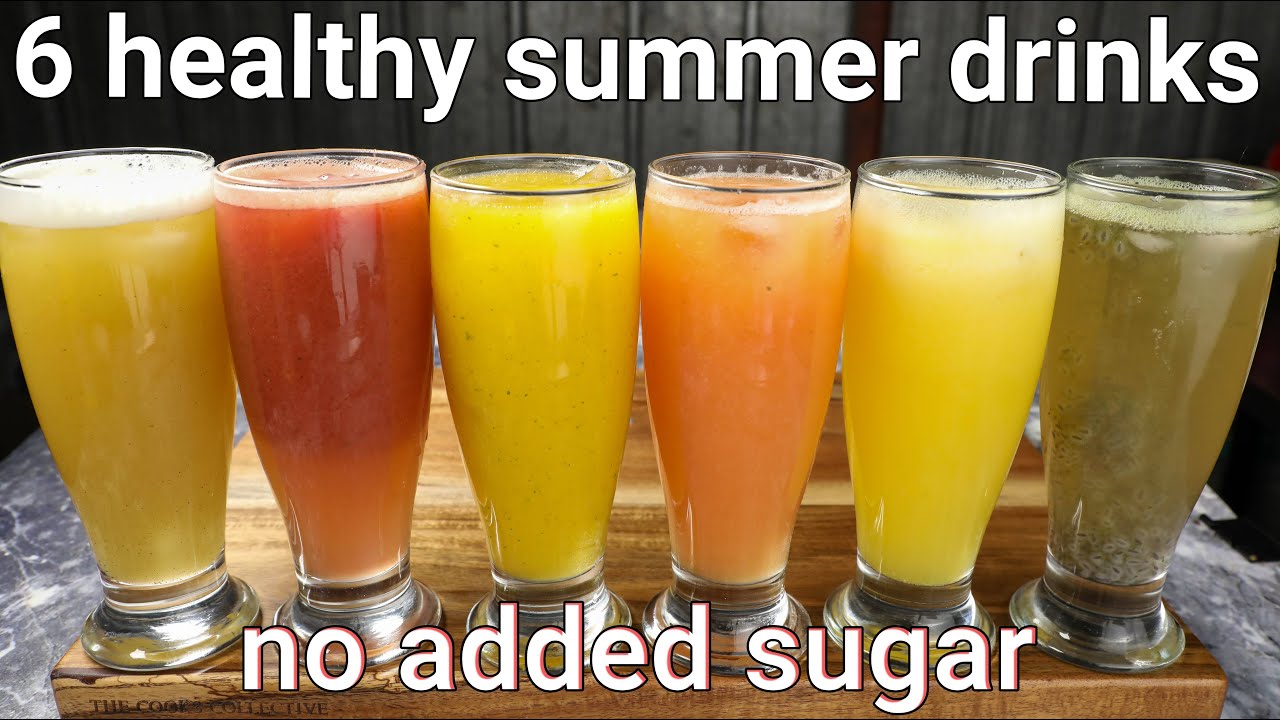
“Bottled juice is a lie dressed in fruit colors. By the time it reaches your glass, it has been pasteurized, concentrated, reconstituted, and sweetened into something that shares a name with fruit but not much else. Real summer fruit juice takes 15 minutes, costs less, and tastes like the actual thing. The technique isn't complicated — but there are two or three steps most people skip that are the difference between something transcendent and something that tastes like it came out of a carton anyway.”
Why This Recipe Works
Fruit juice is the most misunderstood beverage in home cooking. People treat it like an afterthought — throw some fruit in a blender, pour it out, done. But the gap between juice that tastes transcendent and juice that tastes like a diluted approximation of the fruit on the label comes down to a handful of specific decisions that most recipes either gloss over or skip entirely. This recipe makes all of them explicit.
The Fruit Selection Problem
Everything downstream depends on the quality of what you start with. This is not a philosophical point — it is a chemical one. Ripe watermelon contains 6-8% sugar by weight and produces significant quantities of lycopene, the compound responsible for both its color and its characteristic aroma. Underripe watermelon contains less than 4% sugar and almost none of the volatile compounds that make it smell and taste like itself. Blending underripe fruit does not improve it. It concentrates its flaws.
The same principle applies to every fruit in this blend. A mango that's still firm and green at the base has not yet completed its enzymatic ripening process — it contains less than 12% sugar and high concentrations of malic acid, which tastes aggressively sour. A properly ripe mango, heavy for its size with a floral aroma even through the skin, contains 15-18% sugar and complex aromatic compounds that round out every other fruit in the blend. You cannot substitute technique for ingredient quality here. Buy ripe fruit or wait.
The Acid Principle
The single most impactful variable in fruit juice flavor is not the fruit — it is the balance between sweetness and acidity. Natural fruit sugars read as cloying and flat without acid to create contrast. This is why commercial juice manufacturers add citric acid to everything, and why most homemade juice tastes somehow less vivid than the bottled version despite using actual fresh fruit.
Lime juice is the mechanism. Its acidity triggers the same salivary response that makes wine taste bright or soda taste refreshing — it creates the sensation of freshness as a physiological reaction, not just a flavor impression. Two limes added to this blend costs essentially nothing and produces a qualitative transformation. More importantly: always assess acid before sweetener. If your juice tastes flat, the default instinct is to add sugar. That is almost always wrong. Add lime first. If the problem disappears, the problem was always acid, not sweetness.
Why You Must Strain
A fine-mesh strainer is the step most home recipes omit because it seems fussy. It is not fussy — it is structural. Blended fruit pulp contains soluble and insoluble fiber, seed fragment oils, and cell wall compounds that continue interacting with each other after blending. The result is juice that thickens as it sits, browns within 20 minutes, and develops a grainy, heavy mouthfeel that signals "smoothie reject" rather than "fresh juice." Straining removes these compounds cleanly, leaving liquid that stays bright, thin, and intensely colored for hours.
The technique matters as much as using the strainer at all. Pressing hard forces bitter phenolic compounds and insoluble fiber through the mesh — you undo the entire purpose. Pour slowly, press lightly, and let gravity do the separation. Two minutes of patient straining produces a result that looks and tastes nothing like what comes out of a rushed pour through a colander.
The Blending Order
Watermelon goes in first, always. It contains over 90% water by weight, which means it becomes liquid almost instantly and provides the fluid base that allows the denser mango and pineapple to blend without the motor cavitating against a solid mass. Dumping everything in at once forces the blender to work harder, generates more friction heat, and produces a foamier, less clean result. One additional note: a high-powered blender matters here more than in almost any other application. Lower-powered machines leave micro-chunks of fibrous mango and pineapple that pass through the strainer and create texture in the finished juice. Forty-five seconds on high in a machine with sufficient torque produces completely smooth liquid with no second pass required.
The Chill Step
Blending generates heat through friction, and warm juice behaves differently than cold juice — it releases its volatile aroma compounds faster, which sounds desirable but actually means they dissipate before you drink them. Cold juice traps those aromatics at the surface where your nose catches them first, amplifying perceived fruitiness by a significant margin. This is the same reason cold sparkling water tastes more refreshing than warm sparkling water with identical carbonation levels. Ten minutes in the refrigerator after straining is the final step that most people skip and the one that most clearly separates a juice that's good from one that's exceptional.
Where Beginners Mess This Up
Before we start, read this. These are the 4 reasons your real summer fruit juice (stop buying the bottled stuff) will fail:
- 1
Using out-of-season or underripe fruit: Underripe fruit has lower sugar content, higher acidity, and almost no aromatic complexity. The juice will taste flat no matter how much you add to it. Summer fruit juice lives or dies by the quality of the fruit. If the watermelon isn't sweet when you taste a cube, it won't become sweet in the blender.
- 2
Skipping the strain: Blended fruit pulp turns juice gritty and oxidizes quickly, making the color muddy and the texture thick in a way that tastes heavy rather than refreshing. A fine-mesh strainer removes fiber and seed fragments, leaving a clean, bright liquid that stays vibrant for hours rather than minutes.
- 3
Over-sweetening instead of balancing with acid: Most people compensate for flat juice by adding sugar. The actual fix is acid — a squeeze of fresh lime or lemon wakes up the fruit flavor, sharpens it, and makes sweetness taste natural rather than cloying. Sugar adds calories and hides the problem. Acid solves it.
- 4
Serving immediately without chilling: Blending generates friction heat, and warm juice loses carbonation and vibrancy. Five to ten minutes in the fridge after straining makes an enormous sensory difference. Cold intensifies fruitiness. Room temperature blunts it.
The Video Reference Library
Want to see it in action? Here are the exact videos we analyzed and combined to build this foolproof recipe translation:
The source video that demonstrates ratio balancing and why fresh lime juice transforms a flat blend into something that tastes properly alive. Clear technique for when to strain versus when to serve as a smoothie.
A produce-focused breakdown of how to select watermelon, mango, and strawberries at peak ripeness. Useful before you go shopping — bad fruit selection is the upstream cause of most bad juice.
Side-by-side comparison that exposes exactly how much flavor commercial processing destroys. Worth watching once to permanently change how you think about packaged juice.
🛠️ Core Equipment
- High-powered blenderA weak blender leaves chunks and forces over-blending, which introduces air and turns the juice foamy. A [high-powered blender](/kitchen-gear/review/blender) processes fruit completely in 30-45 seconds, producing a smooth base without heat buildup.
- Fine-mesh strainerNon-negotiable for clean juice. A [fine-mesh strainer](/kitchen-gear/review/fine-mesh-strainer) removes pulp, seed fragments, and skin particles, resulting in a clear, bright liquid with a smooth mouthfeel. A regular colander does nothing useful here.
- Citrus pressA [citrus press](/kitchen-gear/review/citrus-press) extracts more juice from lime and lemon than hand-squeezing while keeping bitter pith oils out of the juice. The difference in yield alone justifies using one.
- Large pitcher with lidFor chilling and serving. A lidded pitcher prevents the juice from absorbing fridge odors and keeps it cold once poured. Wide-mouth designs make it easier to fill and stir without spilling.
Real Summer Fruit Juice (Stop Buying the Bottled Stuff)
🛒 Ingredients
- ✦3 cups seedless watermelon, cubed
- ✦1 large ripe mango, peeled and chopped
- ✦1 cup fresh strawberries, hulled and halved
- ✦1/2 cup fresh pineapple chunks
- ✦Juice of 2 limes (about 3 tablespoons)
- ✦1 tablespoon raw honey or agave (optional, adjust to taste)
- ✦1/2 cup cold water
- ✦Pinch of sea salt
- ✦Ice cubes for serving
- ✦Fresh mint leaves for garnish (optional)
👨🍳 Instructions
01Step 1
Wash all fruit thoroughly. Cube the watermelon, peel and chop the mango, hull the strawberries, and cut the pineapple into rough chunks. Everything should be approximately the same size for even blending.
02Step 2
Add the watermelon to the blender first — it has the highest water content and provides the liquid base that allows the other fruit to blend cleanly without the motor struggling.
03Step 3
Add the mango, strawberries, and pineapple on top of the watermelon. Pour in the cold water and pinch of sea salt.
04Step 4
Blend on high speed for 45 seconds until completely smooth. The mixture should be uniformly liquid with no visible fruit chunks.
05Step 5
Set a fine-mesh strainer over a large bowl or pitcher. Pour the blended mixture through in batches, pressing gently with a spatula to extract liquid without forcing pulp through the mesh.
06Step 6
Add lime juice to the strained juice and stir to combine. Taste and assess: if it tastes flat, add more lime before reaching for sweetener. Only add honey or agave if the fruit was genuinely underripe.
07Step 7
Refrigerate the strained juice for at least 5-10 minutes before serving. This is not optional — it takes 2 minutes of active work and produces noticeably better results.
08Step 8
Pour over ice in tall glasses and garnish with fresh mint if using. Stir once before drinking to recombine any settling.
Nutrition Per Serving
Estimates based on standard preparation. Adjustments alter macros.
🔄 Substitutions
Instead of Mango...
Use Peach or nectarine
Closest match in sugar content and fat-soluble aroma compounds. Stone fruit at peak ripeness behaves almost identically to mango in blends. Skin-on is fine since you're straining.
Instead of Watermelon...
Use Honeydew or cantaloupe
Lower water content means you'll need an additional quarter cup of cold water. Honeydew produces a paler color; cantaloupe produces a warm orange hue. Both work.
Instead of Fresh pineapple...
Use Frozen pineapple chunks
Frozen pineapple is often sweeter and more intensely flavored than fresh out of season. It also chills the blend passively. Use straight from frozen — no need to thaw.
Instead of Raw honey...
Use Medjool date paste (2-3 soaked dates blended with water)
Adds sweetness with a subtle caramel note and no glycemic spike. Blend separately with a tablespoon of water first before adding to juice to avoid clumps.
🧊 Storage & Reheating
In the Fridge
Store in an airtight container or sealed pitcher for up to 24 hours. Shake or stir before serving — natural separation is expected and not a quality issue.
In the Freezer
Freeze in ice cube trays or small containers for up to 1 month. Thaw in the fridge overnight or blend frozen cubes directly into smoothies.
Reheating Rules
Not applicable. Serve cold. If juice has warmed, pour over fresh ice rather than refrigerating a warm glass — ice re-chills faster.
❓ Frequently Asked Questions
Why does my homemade juice taste flat compared to store-bought?
Commercial juices add citric acid and flavor concentrates to artificially brighten flavor. Your juice tastes flat because you haven't added acid. Lime or lemon juice is the fix — not more sugar, not more fruit. Acid is the activation key for fruit flavor.
Can I use a juicer instead of a blender?
Yes, but you'll lose significant yield from the mango and strawberries, which don't juice efficiently in centrifugal machines. A cold-press juicer handles soft fruit better. If using a centrifugal juicer, expect about 20-25% less volume from the same amount of fruit.
Why does my juice turn brown so quickly?
Oxidation. Once fruit cells are broken open, enzymes react with oxygen and convert pigments to brown compounds. The lime juice slows this — its ascorbic acid is an antioxidant. Make juice close to when you plan to drink it, keep it covered, and add lime even if you don't need it for flavor.
Do I need to peel the watermelon rind?
Yes — the white rind is bitter and bland and will dilute your juice. Cut clean to the flesh. A small amount of pink flesh left on the discarded rind is fine; bringing rind into the blend is not.
Can I make this the night before?
One night is the maximum. After 24 hours, the volatile aroma compounds that make fresh juice taste alive have mostly dissipated, and you're left with something that tastes flat and over-sweet. Make it the morning of at the earliest.
Is there any point in adding protein powder or supplements?
Not to this recipe. Protein powders change the texture and most suppress the clean fruit flavor. If you want protein, drink this alongside food. This juice is engineered for one thing — tasting like summer. Don't compromise it.

The Science of
Real Summer Fruit Juice (Stop Buying the Bottled Stuff)
We turned everything on this page into a beautiful, flour-proof PDF cheat sheet. Print it out, stick it to your fridge, and never mess up your real summer fruit juice (stop buying the bottled stuff) again.
*We'll email you the high-res PDF instantly. No spam, just perfectly cooked meals.
AlmostChefs Editorial Team
We translate the internet's most popular cooking videos into foolproof, beginner-friendly written recipes. We analyze multiple methods, test them in our kitchen, and engineer a single "Master Recipe" that gives you the best possible result with the least possible stress.