Essential Summer Drinks (The Refreshment Manifesto)
A definitive guide to five essential summer drinks — classic lemonade, mint iced tea, watermelon agua fresca, hibiscus cooler, and cucumber lime spritzer — built from real ingredients, real ratios, and the understanding that most store-bought versions are just sugar water with a label. We analyzed the most-watched YouTube drink videos to build one foolproof framework that makes every glass taste intentional.
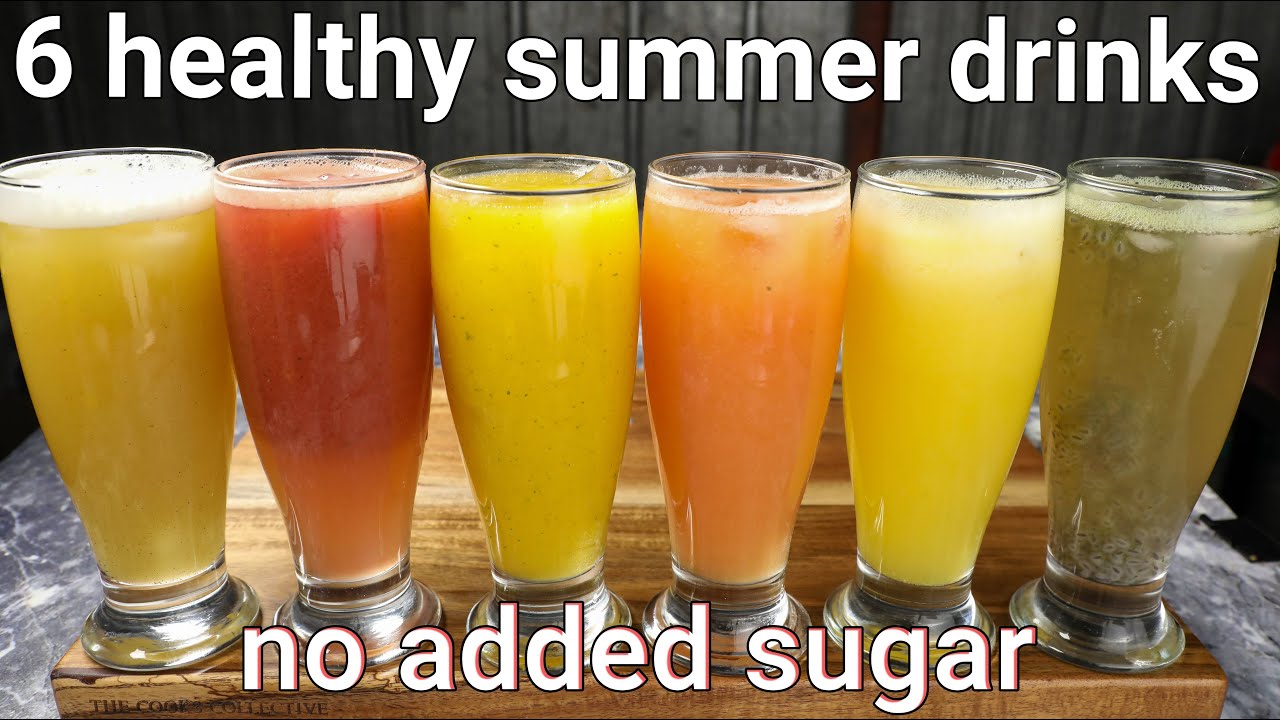
“Every summer drink you've ever bought from a gas station, a vending machine, or a grocery store shelf is a monument to what happens when cost-per-unit replaces flavor as the design principle. The fix is not complicated. It's simple syrup made properly. It's citrus squeezed the same day. It's produce that hasn't been sitting in a shipping container for three weeks. These five drinks take under an hour total and taste more alive than anything in a can. The framework behind them — a base, an acid, a sweetener, and an aromatic — works for every cold drink you'll ever make.”
Why This Recipe Works
Summer drinks are not recipes in the way that braised short ribs or laminated pastry are recipes. They are ratios — ratios of base, acid, sweetener, and aromatic — and once you understand the ratio, you stop needing recipes entirely. You start tasting liquids the way a bartender does: identifying which dimension is off and knowing exactly which adjustment fixes it. That's what this collection teaches. The five drinks are different flavors of the same underlying logic.
The Simple Syrup Foundation
Every drink here runs on simple syrup, and the reason is physics. Granulated sugar is crystalline — it dissolves readily in hot liquid but sluggishly in cold, leaving microclusters of undissolved crystal that create uneven sweetness throughout the drink. You taste the last sip of a lemonade made with granulated sugar differently from the first sip. With simple syrup, every sip is identical, because the sucrose has already been fully hydrated and suspended in solution. This is not a preference. It is the correct technique.
The standard ratio is 1:1 sugar to water by volume. Heat until the sugar is completely dissolved, then cool before using. The whole process takes 10 minutes and the result keeps for two weeks in the refrigerator. You can make flavored variations — rosemary, ginger, jalapeño, cardamom — by adding aromatics while the syrup simmers and straining them out before storing. One small saucepan and 10 minutes of effort on a Sunday morning means better drinks for the entire week without any additional preparation.
Citrus Is a Perishable Ingredient
The most persistent mistake in home drink-making is treating squeezed citrus juice as a stable ingredient. It isn't. Fresh lemon juice begins oxidizing within two hours at room temperature. The culprit is the enzyme ascorbate oxidase, which attacks vitamin C and the volatile aromatic compounds — the ones responsible for that sharp, bright top note — and converts them into flatter, slightly bitter compounds. The juice is still technically lemon-flavored, but it has lost its living quality. It tastes like memory rather than presence.
Squeeze citrus the day you serve. A citrus juicer makes this fast — pressing each half against the reamer and using the strainer basket to catch seeds takes about 20 seconds per lemon. Ten lemons for a full pitcher of lemonade takes under four minutes. There is no meaningful argument for squeezing the day before and accepting diminished flavor when the alternative is four minutes of work.
The Agua Fresca Principle
Watermelon agua fresca is the drink that surprises people most, because it tastes exactly like eating a cold slice of watermelon — not like a watermelon-flavored product, but like the actual fruit, cold, slightly salty, and running down your arm. The salt is why. A pinch of salt in a sweet liquid drink suppresses perceived bitterness from the rind compounds that sneak through during blending and simultaneously amplifies the fruit's forward sweetness. You will not taste salt. You will taste more watermelon. This is called flavor contrast enhancement, and every serious cook uses it instinctively in desserts and drinks. It's the same reason salted caramel tastes more caramel-like than unsalted.
The blending-and-straining technique also matters. You want to blend until completely smooth — no visible watermelon texture — and then strain through a fine-mesh sieve with physical pressing. The fibrous cellular material left behind is not flavorless; it's just unpleasant to drink. Pressing extracts the last concentrated layer of flavor trapped in the pulp. Skip the pressing step and you leave the best 15% of the flavor behind.
Why Hibiscus Is the Most Underused Summer Ingredient
Dried hibiscus flowers — sold as flor de Jamaica in Latin grocery stores — produce a tea that is ruby red, tart, floral, and deeply refreshing. It contains no caffeine. It has high concentrations of anthocyanins, the same pigment family responsible for the color of blueberries and red cabbage, with documented antioxidant properties. And it costs almost nothing. A half-pound bag brews enough hibiscus cooler for forty people and lasts months in a sealed container.
The only technique consideration is steep time. Under-steeped hibiscus is pale pink and thin-tasting. Over-steeped hibiscus crosses from tart into astringent — the same sensation as black tea that's been left in the pot too long. Eight to ten minutes in just-boiled water is the window. Set a timer. Remove the flowers the moment it goes off. The acidity of the lime juice added afterward acts as a pH buffer that keeps the color brilliant red; without it, oxidation turns the drink brownish within a day.
Carbonation as a Design Element
The cucumber lime spritzer exists to demonstrate one principle: carbonation is a flavor, not just a texture. The bubbles in sparkling water carry dissolved CO₂, which reacts with water on your tongue to form carbonic acid. This acid sensation sharpens the perception of the lime's citric acid and the cucumber's cool, faintly grassy flavor, making each sip taste more vivid than the same drink made still. It's the same reason a cold carbonated water tastes more refreshing than still water at the same temperature.
The corollary is that carbonation must be preserved until the last possible moment. Mixing the base and the sparkling water in advance — even by 15 minutes — allows the CO₂ to escape and produces a flat, slightly sad version of the intended drink. For parties, set up a pour-yourself station: cucumber-lime base in one pitcher, cold sparkling water in a second vessel, and let guests combine their own. They will think you are thoughtful. The real reason is chemistry.
Where Beginners Mess This Up
Before we start, read this. These are the 4 reasons your essential summer drinks (the refreshment manifesto) will fail:
- 1
Using granulated sugar directly: Granulated sugar does not fully dissolve in cold liquid. You end up with gritty sediment at the bottom and a drink that tastes sweet in the last sip and flat in the first. Simple syrup — equal parts sugar and water, heated until dissolved — integrates perfectly into any cold base. Make a batch on Sunday. It keeps for two weeks.
- 2
Squeezing citrus too far in advance: Freshly squeezed lemon or lime juice begins oxidizing within two hours at room temperature. The bright top notes — the ones that make your mouth water — degrade into a flat, slightly bitter background. Squeeze the day you serve. If you must prep ahead, store juice in a sealed container in the fridge for no more than 24 hours.
- 3
Over-steeping the tea: Iced tea brewed too long turns bitter, not stronger. Black tea reaches full extraction in 4-5 minutes. Herbal teas like hibiscus need 8-10 minutes in boiling water, then immediate removal. The mistake is walking away and forgetting — set a timer every single time.
- 4
Skipping the cold bloom for aromatics: Mint, basil, and cucumber need to be lightly bruised — not pulverized — before contact with liquid. Pressing them gently against the glass with a muddler or the back of a spoon ruptures the cellular walls just enough to release volatile aromatic oils. Skipping this step produces a drink that looks right but tastes like plain water with garnish.
The Video Reference Library
Want to see it in action? Here are the exact videos we analyzed and combined to build this foolproof recipe translation:
A high-production walkthrough covering five essential summer drinks from scratch. Best video for understanding the base-acid-sweetener-aromatic framework and how to apply it across different flavor profiles.
Focused entirely on the simple syrup technique and citrus ratios. Clear explanation of why store-bought lemonade tastes flat compared to fresh-squeezed with properly dissolved sugar.
Covers watermelon, hibiscus, and tamarind agua frescas with clean technique on blending and straining fruit-forward drinks without over-diluting the base flavor.
🛠️ Core Equipment
- Fine-mesh sieveEssential for straining hibiscus tea, watermelon pulp, and any aromatics from the finished drinks. A coarse strainer leaves grit and seeds in the glass — unacceptable in a drink meant to be refreshing.
- Citrus juicerA manual hand press extracts more juice with less pith bitterness than squeezing by hand. The pith — the white layer between skin and flesh — contains limonin, a bitter compound that ruins the balance of any citrus-forward drink.
- Small saucepanFor making simple syrup. Heavy-bottomed is preferred — it distributes heat evenly and prevents scorching, which would caramelize the sugar and change the flavor profile entirely.
- Large pitcher or glass carafeEach recipe yields 6 servings. A 2-liter carafe with a lid keeps drinks cold longer than a wide-mouthed pitcher and prevents the refrigerator from absorbing off-flavors into your carefully made syrups.
Essential Summer Drinks (The Refreshment Manifesto)
🛒 Ingredients
- ✦**Simple Syrup Base (makes enough for all 5 drinks)**
- ✦2 cups granulated white sugar
- ✦2 cups filtered water
- ✦**Classic Lemonade**
- ✦1.5 cups freshly squeezed lemon juice (about 10 lemons)
- ✦4 cups cold water
- ✦3/4 cup simple syrup, or to taste
- ✦Lemon wheels and fresh mint for garnish
- ✦**Mint Iced Tea**
- ✦4 black tea bags (Assam or Ceylon)
- ✦4 cups boiling water
- ✦1/2 cup simple syrup
- ✦1 cup fresh mint leaves, loosely packed
- ✦2 cups cold water
- ✦Ice and extra mint for serving
- ✦**Watermelon Agua Fresca**
- ✦6 cups seedless watermelon, cubed
- ✦3 cups cold water
- ✦1/4 cup fresh lime juice (about 3 limes)
- ✦1/4 cup simple syrup
- ✦Pinch of sea salt
- ✦**Hibiscus Cooler**
- ✦1/2 cup dried hibiscus flowers (flor de Jamaica)
- ✦4 cups boiling water
- ✦1/3 cup simple syrup
- ✦2 cups cold water
- ✦2 tablespoons fresh lime juice
- ✦Lime slices for garnish
- ✦**Cucumber Lime Spritzer**
- ✦1 large English cucumber, peeled and roughly chopped
- ✦1/2 cup fresh lime juice (about 6 limes)
- ✦1/3 cup simple syrup
- ✦2 cups sparkling water, chilled
- ✦Fresh dill or basil for garnish
👨🍳 Instructions
01Step 1
Make the simple syrup: combine sugar and water in a small saucepan over medium heat. Stir constantly until the sugar fully dissolves, about 3-4 minutes. Do not let it boil aggressively — a gentle simmer is enough. Remove from heat and cool completely before using.
02Step 2
For the Classic Lemonade: roll each lemon firmly on the counter under your palm for 10 seconds before juicing — this breaks down the cell walls and increases juice yield by 15-20%. Juice into a bowl through a fine-mesh sieve to catch seeds and pulp. Combine juice, cold water, and simple syrup in a pitcher. Stir well and taste — adjust sweetness and acid to your preference.
03Step 3
For the Mint Iced Tea: steep 4 tea bags in boiling water for exactly 4 minutes, then remove immediately. Add mint leaves to the hot tea and let them infuse off the heat for 5 minutes. Strain out the mint. Stir in simple syrup while the tea is still warm so it incorporates fully. Add cold water and refrigerate until completely chilled before serving over ice.
04Step 4
For the Watermelon Agua Fresca: blend watermelon cubes in a blender on high for 30 seconds until completely smooth. Pour through a fine-mesh sieve into a pitcher, pressing the pulp with the back of a spoon to extract all the liquid. Discard the fibrous pulp. Add cold water, lime juice, simple syrup, and the pinch of salt. Stir and taste.
05Step 5
For the Hibiscus Cooler: steep dried hibiscus flowers in boiling water for 8-10 minutes until the liquid is a deep ruby red. Strain out all flowers through a fine-mesh sieve. Stir in simple syrup while still warm. Add cold water and lime juice. Refrigerate until chilled. Serve over ice with lime slices.
06Step 6
For the Cucumber Lime Spritzer: blend chopped cucumber with lime juice and simple syrup until completely smooth. Strain through a fine-mesh sieve, pressing firmly to extract maximum liquid. Discard solids. Keep the cucumber base refrigerated until serving time. When ready to serve, combine base with sparkling water in a pitcher — do not mix more than a few minutes before serving or the carbonation will dissipate.
07Step 7
Serve all drinks over ice in tall glasses. Garnish with fresh citrus wheels, herb sprigs, or cucumber ribbons immediately before serving. Garnishes placed too early wilt and lose their visual impact.
Nutrition Per Serving
Estimates based on standard preparation. Adjustments alter macros.
🔄 Substitutions
Instead of White granulated sugar (simple syrup)...
Use Raw honey or agave nectar
Honey adds floral depth that pairs beautifully with the hibiscus cooler and mint iced tea. Use a 3:4 ratio — honey is sweeter than sugar by volume. Agave is neutral-flavored and works in any of the five drinks.
Instead of Fresh citrus juice...
Use High-quality bottled citrus juice (same-day opened)
Acceptable compromise for large batches. Look for 'not from concentrate' on the label. Use within 24 hours of opening — the oxidation clock starts the moment the bottle is unsealed.
Instead of Dried hibiscus flowers...
Use 4 hibiscus tea bags
Convenient and widely available. Steep for 8 minutes in boiling water, same as dried flowers. The flavor is slightly less intense — use 1.5 times the amount of tea bags relative to dried flowers.
Instead of Sparkling water (cucumber lime spritzer)...
Use Club soda or dry tonic water
Club soda adds slight sodium minerality that complements the cucumber. Tonic water adds bitterness from quinine — use only if you enjoy that profile. Avoid flavored sparkling waters, which will compete with the carefully balanced base.
🧊 Storage & Reheating
In the Fridge
All bases (without sparkling water) keep in sealed pitchers or jars for up to 3 days. The hibiscus and watermelon bases hold color and flavor best in the first 24 hours. Lemonade is best the day it's made.
In the Freezer
Freeze drink bases in ice cube trays for up to 2 months. Drop flavored cubes into sparkling water for an instant full-flavor drink as they melt.
Reheating Rules
These drinks are not reheated. Serve cold over fresh ice. If a drink has been sitting at room temperature for more than 2 hours, discard and make fresh — not for safety reasons but because citrus-forward drinks oxidize rapidly and taste flat.
❓ Frequently Asked Questions
Why does my homemade lemonade taste flat compared to restaurant lemonade?
Two reasons. First, restaurants squeeze citrus to order or within the hour — not the day before. Second, most restaurants use a slightly higher syrup ratio than feels natural at home because cold temperatures dull sweetness perception. Taste your lemonade after it's fully chilled, not at room temperature, and adjust sweetness then.
Can I make these drinks in advance for a party?
Yes, with one exception. Prepare all still drink bases up to 24 hours ahead and store refrigerated. The cucumber lime spritzer base can also be made ahead, but only add the sparkling water immediately before serving — carbonation does not survive advance mixing. For parties, set up a self-serve station with the base in a pitcher and sparkling water on the side.
How do I make these drinks less sweet without thinning them out?
Add more acid before adding more water. An extra squeeze of lemon or lime sharpens the flavor and shifts the perceived sweetness without diluting the drink. This is the bartender's balancing trick — sweetness and acidity exist on a see-saw, and adjusting one changes how you perceive the other.
Why is my agua fresca watery even though I used a lot of watermelon?
Watermelon is 92% water by weight. The flavor concentration in the flesh is high, but when you blend and strain it, you're effectively extracting flavored water. The ratio that works is 2 cups of fruit to 1 cup of added water. Go heavier on the fruit and lighter on the additional water if you want more intense flavor.
Can I add alcohol to these drinks?
All five work as cocktail bases. The lemonade pairs with vodka or gin. Mint iced tea with bourbon (a classic sweet tea situation). Watermelon agua fresca with blanco tequila. Hibiscus cooler with mezcal or rum. Cucumber lime spritzer with gin. Ratio: 1.5 oz spirit per 8 oz drink base. Add the spirit to the individual glass over ice, then pour the base over the top.
Why does my hibiscus tea turn brown instead of staying ruby red?
Over-steeping and oxidation. Steep for no longer than 10 minutes and remove the flowers immediately. Store the strained tea in a sealed container — exposure to air causes the anthocyanins (the pigments responsible for the red color) to oxidize and turn brownish. A small amount of lime juice acts as a pH buffer and preserves the red color.

The Science of
Essential Summer Drinks (The Refreshment Manifesto)
We turned everything on this page into a beautiful, flour-proof PDF cheat sheet. Print it out, stick it to your fridge, and never mess up your essential summer drinks (the refreshment manifesto) again.
*We'll email you the high-res PDF instantly. No spam, just perfectly cooked meals.
AlmostChefs Editorial Team
We translate the internet's most popular cooking videos into foolproof, beginner-friendly written recipes. We analyze multiple methods, test them in our kitchen, and engineer a single "Master Recipe" that gives you the best possible result with the least possible stress.