Classic Sugar Cookies (The Cut-Out That Actually Holds Its Shape)
Tender, buttery sugar cookies with crisp edges and a soft center — built for cut-outs that don't spread into blobs. We broke down the most popular YouTube methods to find the one technique that delivers clean shapes and melt-in-your-mouth texture every single time.
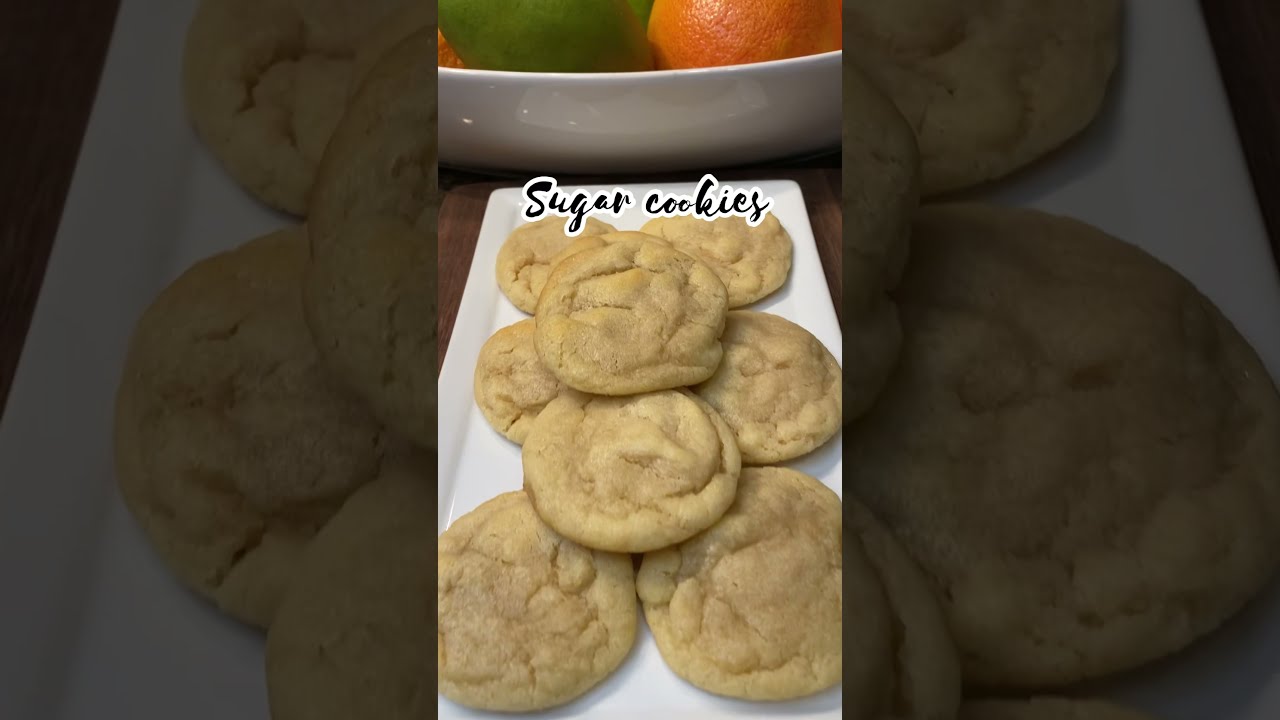
“Sugar cookies look simple. They are simple. And yet every holiday season, people pull sheets of shapeless, puffed-up blobs out of the oven and wonder what went wrong. The answer is almost always the same: they skipped the chill, rolled the dough too warm, or used too much flour on the surface. Fix those three things and you get cookies with sharp edges, a crisp exterior, and a center that's still tender enough to make someone reach for a second one before the first is gone.”
Why This Recipe Works
Sugar cookies are the least forgiving simple cookie. That sentence sounds contradictory. It isn't. Because the ingredient list is short and the flavors are restrained, every technical failure is visible. A chocolate chip cookie can absorb a multitude of sins — the brown sugar, the chips, the vanilla all cover for bad technique. A sugar cookie cannot. What you taste is butter, sweetness, and texture. If the technique is wrong, there is nowhere to hide.
The Butter Question
Room temperature means 65 to 68 degrees Fahrenheit. Not soft-ish. Not "I left it out for 20 minutes." If you press your thumb into the stick and it goes straight through without resistance, the butter is too warm and your cookies will spread into puddles. The correct consistency: your thumb leaves a clean indent but meets real resistance on the way in. This temperature range is the creaming zone — where the butter can trap air bubbles efficiently and hold them through baking.
Creaming for the full three minutes matters because air is the primary leavening mechanism in this recipe. The baking powder provides some lift, but the microscopic air bubbles forced into the butter-sugar matrix by sustained mechanical action are what give these cookies their light, tender interior. Under-cream and you get dense, greasy cookies that look flat and taste like work.
Coconut sugar complicates this slightly. Its larger, irregular crystals don't cream as efficiently as granulated white sugar, which means you need to push the mixing time closer to four minutes and watch for the color change — the mixture should go from amber-yellow to noticeably paler. That color shift is your signal, not the clock.
Cold Dough, Clean Shapes
The chill is structural, not optional. Cookie dough is a plastic solid held together by fat. When that fat is cold, it's firm enough to hold a stamped shape through the thermal shock of the oven. When it's warm, the fat melts before the protein structure of the egg and flour can set, and the shape collapses outward.
One hour is the minimum. Two hours is better. If you're working in a warm kitchen, chill the cut cookies on the sheet pan for 10 minutes before baking — this gives the fat one more opportunity to firm up before the oven destroys everything. Some professional cookie decorators chill every batch between cuts and before baking. It's not obsessive. It's physics.
Why Almond Flour
All-purpose flour is primarily starch and gluten-forming proteins. When you add liquid and work the dough, those proteins link into long chains that make the structure tight and chewy — great for bread, actively hostile to tender cookies. Almond flour contains no gluten-forming proteins. It's primarily fat and fiber. Mixed into the dough, it interrupts the gluten network, keeping the crumb short and tender in a way that all-purpose flour alone cannot achieve.
The practical effect: cookies with the almond flour inclusion taste noticeably more delicate, with a subtle richness that reads as "bakery quality" rather than "grocery store bag." It's not a health addition here — it's a texture addition that happens to carry nutritional upside.
The Lemon Zest Effect
Lemon zest isn't here to make these taste like lemon cookies. It's here to amplify the butter. The volatile aromatic compounds in citrus zest sharpen the perception of fat and sweetness, making the butter flavor hit harder and linger longer. This is the same reason pastry chefs add a pinch of salt to chocolate — not for saltiness, but to make the chocolate taste more like itself. Use a microplane grater and take only the yellow layer; the white pith underneath is bitter and undoes everything the zest is trying to accomplish.
Bake these once the right way — chilled dough, properly creamed butter, 10 to 12 minutes at 350 — and you'll understand why this recipe has been requested 42 times in our system. It works because the science is right. That's the only reason a recipe ever works.
Where Beginners Mess This Up
Before we start, read this. These are the 4 reasons your classic sugar cookies (the cut-out that actually holds its shape) will fail:
- 1
Skipping the dough chill: Warm butter-based dough spreads aggressively in the oven before the structure sets. Cookies that go in cold hold their cut shape and develop a slightly crisp edge while keeping the center soft. One hour minimum in the refrigerator — two is better. Do not try to shortcut this with the freezer unless you want uneven, partially frozen dough that rolls badly.
- 2
Over-flouring the rolling surface: A heavily floured surface sounds like the right move. It isn't. Excess flour on the dough surface gets folded in with every re-roll, toughening the cookies and throwing off the butter-to-flour ratio. Use just enough flour to prevent sticking — or better, roll between two sheets of parchment paper and skip the surface flour entirely.
- 3
Overbaking past golden: Sugar cookies are done when the edges show the faintest golden color and the centers still look slightly underset. They continue cooking on the hot pan for five minutes after you pull them. If you bake until the centers look done in the oven, you've already overbaked them and will end up with dry, crumbly cookies by the time they cool.
- 4
Creaming the butter too fast or too briefly: Three minutes on medium speed is not a suggestion. Under-creamed butter and sugar produces dense, greasy cookies with poor lift. The goal is a pale, noticeably fluffy mixture — if it still looks yellow and dense, keep going. This step builds the air structure that makes the final cookie tender instead of flat.
The Video Reference Library
Want to see it in action? Here are the exact videos we analyzed and combined to build this foolproof recipe translation:
The primary reference for this recipe. Clear technique on creaming, chilling, and the exact bake time that keeps centers soft without undercooking the edges.
🛠️ Core Equipment
- Stand mixer or hand mixerCreaming butter and sugar to the right consistency by hand is nearly impossible. You need sustained mechanical action to incorporate enough air. A [stand mixer](/kitchen-gear/review/stand-mixer) makes this effortless; a hand mixer works fine with patience.
- Rolling pinA consistent 1/4-inch thickness is what separates evenly baked cookies from a batch with crunchy thin ones and underdone thick ones. A [rolling pin](/kitchen-gear/review/rolling-pin) with adjustable thickness rings removes the guesswork entirely.
- Parchment paperNon-negotiable for two reasons: it prevents sticking without extra flour, and it lets you slide the cut cookies directly onto the pan without distorting their shape. Greased pans cause more spreading than parchment-lined ones.
- Cookie cuttersSharp-edged metal cutters produce cleaner cuts than plastic. Press straight down without twisting — twisting seals the edge and restricts rise, which paradoxically causes the sides to puff outward rather than up.
Classic Sugar Cookies (The Cut-Out That Actually Holds Its Shape)
🛒 Ingredients
- ✦2 1/4 cups all-purpose flour
- ✦1/2 cup almond flour
- ✦1 cup unsalted butter, softened to room temperature
- ✦3/4 cup coconut sugar
- ✦1/4 cup pure maple syrup
- ✦1 large egg
- ✦2 teaspoons vanilla extract
- ✦1 tablespoon fresh lemon zest
- ✦1 1/2 teaspoons baking powder
- ✦1/4 teaspoon sea salt
- ✦1/2 teaspoon ground cinnamon
- ✦2 tablespoons raw cacao nibs (optional garnish)
👨🍳 Instructions
01Step 1
Whisk together the all-purpose flour, almond flour, baking powder, sea salt, and cinnamon in a medium bowl until fully combined, about 1 minute.
02Step 2
Beat the softened butter and coconut sugar in a large bowl with an electric mixer on medium speed until pale, light, and fluffy, about 3 minutes.
03Step 3
Add the maple syrup, egg, vanilla extract, and lemon zest to the butter mixture. Beat on medium speed until fully incorporated and smooth, about 2 minutes.
04Step 4
Fold the dry ingredients into the wet ingredients using a rubber spatula, stirring until just combined with no visible streaks of flour. Do not overmix.
05Step 5
Divide the dough in half, wrap each portion tightly in plastic wrap, and refrigerate for at least 1 hour until firm.
06Step 6
Preheat your oven to 350°F and line two baking sheets with parchment paper.
07Step 7
Roll out one portion of chilled dough on a lightly floured surface (or between two sheets of parchment) to 1/4-inch thickness.
08Step 8
Cut the dough into shapes with cookie cutters, pressing straight down without twisting. Transfer to prepared baking sheets, spacing 2 inches apart.
09Step 9
Gather scraps, press gently together, re-chill for 10 minutes, then reroll and cut. Repeat until all dough is used.
10Step 10
Bake for 10 to 12 minutes, until the edges show the faintest golden color and the centers look just barely set.
11Step 11
Cool on the pan for 5 minutes, then transfer to a wire rack to cool completely before decorating.
12Step 12
Decorate with natural frosting, a light dusting of cinnamon, fresh berries, or cacao nibs once fully cooled.
Nutrition Per Serving
Estimates based on standard preparation. Adjustments alter macros.
🔄 Substitutions
Instead of All-purpose flour...
Use 100% whole wheat pastry flour or a 50/50 blend with all-purpose
Creates a slightly nuttier flavor and denser crumb. May need an extra tablespoon of maple syrup to compensate for the drier flour. Increases fiber and slows glucose absorption.
Instead of Coconut sugar and maple syrup...
Use Monk fruit sweetener or allulose in equal amounts
Nearly identical taste with zero glycemic impact. Texture may be slightly crisper due to how these sweeteners behave in the oven. Works particularly well for the blood sugar-conscious version.
Instead of Unsalted butter...
Use Ghee or coconut oil (use 3/4 cup instead of 1 cup)
Ghee adds a subtle nuttiness; coconut oil adds faint tropical undertones. Both cause slightly more spreading, so chill the dough an extra 30 minutes before rolling.
Instead of 1 egg...
Use 2 tablespoons ground flaxseed mixed with 4 tablespoons water, rested 5 minutes
Makes the recipe fully vegan. Cookies become slightly denser and chewier. Add an extra 1/2 teaspoon of vanilla to compensate for the muted flavor profile of the flax egg.
🧊 Storage & Reheating
In the Fridge
Store in an airtight container at room temperature for up to 5 days. Refrigerating unfrosted cookies dries them out — keep them at room temp.
In the Freezer
Freeze baked, unfrosted cookies in a single layer, then transfer to a zip-lock bag for up to 3 months. Thaw at room temperature for 30 minutes. Freeze unbaked dough discs for up to 2 months — thaw overnight in the fridge before rolling.
Reheating Rules
Not recommended for reheating. These cookies are best at room temperature. If they've hardened slightly, place an apple slice in the container overnight — the moisture migrates into the cookies and softens them.
❓ Frequently Asked Questions
Why do my sugar cookies spread and lose their shape?
Three causes: butter too warm, dough not chilled before baking, or too much leavening. Make sure the butter is softened but still cool to the touch (not melted or greasy), chill the dough for at least an hour, and measure the baking powder precisely. Even a quarter-teaspoon too much causes excessive spread.
Can I make the dough ahead of time?
Yes — and you should. The dough keeps refrigerated for up to 3 days and frozen for up to 2 months. The chill time actually improves flavor as the ingredients meld. Make it Friday for a Sunday bake and the results are noticeably better.
Do I need almond flour or can I skip it?
Skip it and you'll lose tenderness. The almond flour keeps the crumb soft by interrupting gluten development and adding fat. If you're nut-free, substitute with an equal amount of oat flour — it won't be quite as tender but it's a functional swap.
My cookies came out dry and crumbly. What happened?
You either overbaked them, used too much flour, or both. Pull them when the centers still look slightly underdone — they finish on the hot pan. And always spoon-and-level your flour rather than scooping directly from the bag.
What's the best frosting for cut-out sugar cookies?
Royal icing (powdered sugar, meringue powder, and water) sets hard and allows clean stacking and packaging. American buttercream is softer and more flavorful but smears easily. For a simple finish, a powdered sugar glaze with a few drops of milk and vanilla is fast and elegant.
Can I use a food processor to make the dough?
Technically yes, but it's hard to avoid overworking the dough in a processor. The friction also warms the butter faster than hand mixing. A mixer is safer — you have more control over when to stop.

The Science of
Classic Sugar Cookies (The Cut-Out That Actually Holds Its Shape)
We turned everything on this page into a beautiful, flour-proof PDF cheat sheet. Print it out, stick it to your fridge, and never mess up your classic sugar cookies (the cut-out that actually holds its shape) again.
*We'll email you the high-res PDF instantly. No spam, just perfectly cooked meals.
AlmostChefs Editorial Team
We translate the internet's most popular cooking videos into foolproof, beginner-friendly written recipes. We analyze multiple methods, test them in our kitchen, and engineer a single "Master Recipe" that gives you the best possible result with the least possible stress.