Real Street Tacos (The Technique They're Not Telling You)
Authentic carne asada street tacos built on charred corn tortillas, thinly sliced marinated skirt steak, raw white onion, and fresh cilantro. We broke down the most-watched taquero videos to isolate exactly why street tacos taste different from every restaurant version — and what you need to replicate it at home.
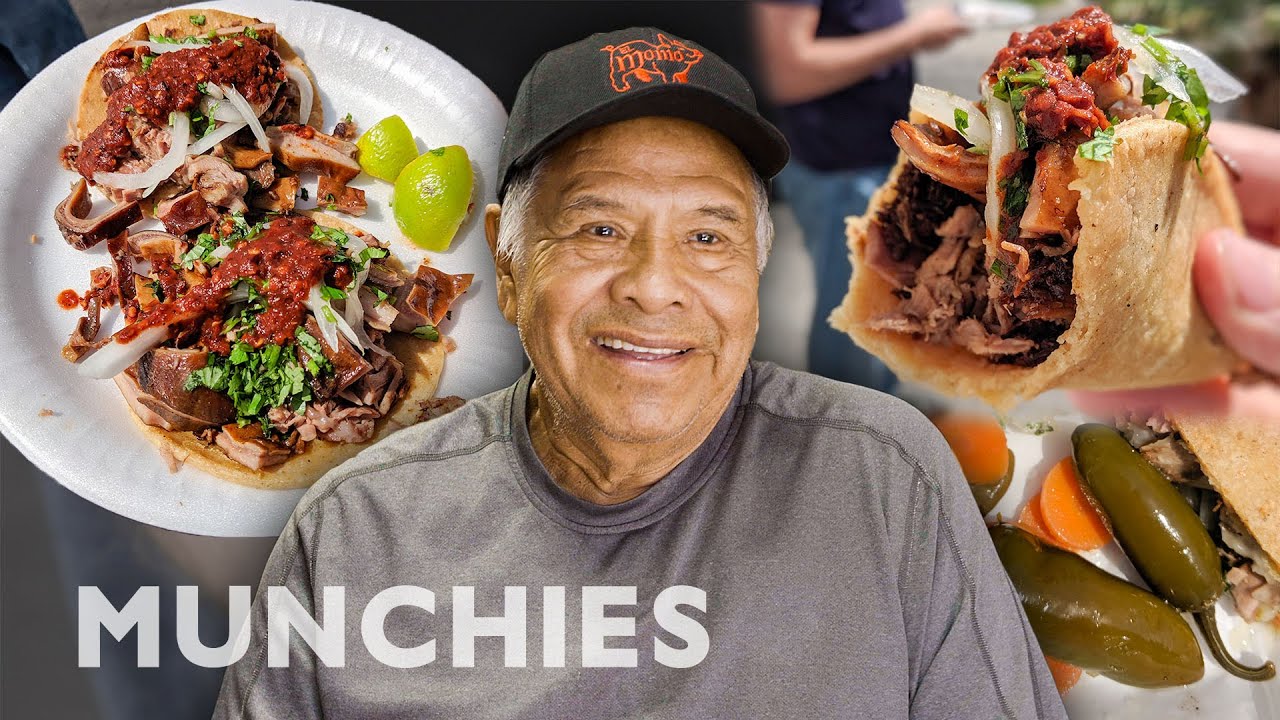
“Every taqueria makes street tacos look effortless. Thirty seconds on a ripping-hot comal, a double-stack of tiny corn tortillas, a rough chop of steak, white onion, cilantro, and a squeeze of lime. Nothing else. The reason they taste better than anything you've made at home has nothing to do with secret ingredients — it's entirely about heat, hydration, and the cut of meat. We studied the method so you don't have to guess.”
Why This Recipe Works
Street tacos are the highest-expression minimalist food on earth. Four ingredients in the topping, twenty seconds of assembly, and the result is better than most dishes that take two hours to make. The reason is not magic — it is ruthless constraint. When a dish has nowhere to hide, every component has to be perfect, and the technique has to be airtight. Most home cooks treat street tacos as a casual weeknight dump-and-go and wonder why the result tastes like a bad approximation of the real thing.
The Marinade Is Not Just Flavor
The citrus in a carne asada marinade performs a specific biochemical function that most people misunderstand as "tenderizing." What it actually does is denature the surface proteins of the meat, creating a sticky, tacky exterior that accelerates Maillard browning the moment it hits a hot surface. The key word is surface. You're not trying to cook the meat with acid — you're priming the outer layer for maximum crust development in minimum time. This is why the marinade window matters: 20-30 minutes is enough to prime the surface without compromising the interior structure. Two-plus hours and the acid starts working on the fibers themselves, producing a soft, mealy texture that no amount of heat can rescue.
The orange juice is not an accident. The natural sugars in orange juice — fructose and glucose — participate in the Maillard reaction alongside the meat's amino acids, creating a darker, more complex crust than citrus acid alone. It also rounds out the lime's astringency in the raw marinade. The ratio of lime to orange is roughly 3:1 — enough orange to contribute, not enough to make the carne asada taste like a citrus dessert.
Dry Meat Sears. Wet Meat Steams.
This is the most skipped instruction in every taco recipe ever written, and it is the reason most home carne asada has gray, boiled-looking meat instead of a dark, smoky bark. When you pull the steak from the marinade, the surface is completely coated in wet liquid. That liquid must evaporate before the surface temperature can rise above 212°F — the Maillard reaction doesn't start until you hit roughly 280°F. Every second of steam is a second of lost crust. Pat the steak completely dry with paper towels, every surface, and the transformation in your results will be immediate and dramatic.
The pan temperature matters just as much. A cast iron skillet preheated for three to four full minutes over high heat reaches and holds the surface temperatures needed to char the meat within seconds of contact, before the interior overcooks. A stainless pan heats faster but drops temperature more sharply when cold meat hits it. A nonstick pan is categorically unsuitable for this application — its temperature ceiling is too low, and the coating releases fumes at the heats you need. Cast iron or carbon steel, preheated until it produces visible smoke. Nothing else.
The Tortilla Is Half the Dish
A corn tortilla that hasn't been charred is a raw starch delivery mechanism. That's all. The direct-heat charring on a dry comal or cast iron pan does something to the masa that warming in a microwave or oven cannot replicate: it triggers the same Maillard chemistry that the steak undergoes, creating hundreds of new flavor compounds in the surface of the tortilla that make it taste toasty, slightly smoky, and structurally different from what it was. The char is flavor. The blistering is texture. The pliability is the result of the starch granules softening under direct heat in a way that gentle warming never achieves.
Double-stacking is the engineering solution to a structural problem, not a cultural quirk. One small corn tortilla simply cannot support hot, moist, chopped carne asada without splitting along the fold. Two tortillas function as a laminated composite — the inner tortilla absorbs juices and acts as a moisture buffer while the outer tortilla maintains structural integrity. Every taqueria, every street cart, every serious taco operation in Mexico does this automatically. It is not generosity. It is physics.
Less Is the Point
The restraint in street taco toppings — white onion, cilantro, lime, salsa, nothing else — is deliberate and correct. Every element was selected to complement the fat and char of carne asada without muting it. White onion provides a clean, sharp allium bite that cuts through richness. Cilantro adds a bright, floral counterpoint to the smoky meat. Lime's acidity re-brightens the dish after the heat cooking dulls the marinade's freshness. Salsa verde brings chile heat and tomatillo acid. That is everything the taco needs. Cheese adds fat to fat. Sour cream adds creaminess that covers char. Lettuce adds water and crunch that work against the soft, yielding texture of the properly cooked meat. The restraint is not poverty of imagination — it is the outcome of centuries of people figuring out exactly what this dish needs and nothing more.
Where Beginners Mess This Up
Before we start, read this. These are the 4 reasons your real street tacos (the technique they're not telling you) will fail:
- 1
Using the wrong cut of meat: Street tacos are not a forgiving vehicle for lean chicken breast or thick ribeye. Skirt steak or flank steak — cuts with high connective tissue and intramuscular fat — break down correctly under high heat and a citrus marinade. Lean cuts turn rubbery. Thick cuts never char on the outside without overcooking inside. The cut is load-bearing.
- 2
Cooking on insufficient heat: The Maillard reaction that gives carne asada its smoky, caramelized crust requires sustained temperatures above 450°F. A medium-heat skillet produces gray, steamed meat with no bark. You need cast iron or carbon steel preheated until it smokes, or an outdoor grill cranked to maximum. There is no middle ground.
- 3
Skipping the tortilla char: A cold or merely warmed tortilla is a structural failure waiting to happen. Corn tortillas need 30-45 seconds direct contact with a dry, screaming-hot pan until brown spots develop and the surface blisters. That char creates flavor and makes the tortilla pliable enough to fold without cracking under the weight of the filling.
- 4
Cutting the meat too thick: Street taco steak should be sliced thin — 1/4 inch or less — against the grain. Thick cuts require you to chew through the full length of the muscle fiber, which turns even perfectly cooked skirt steak into a jaw workout. Thin slices across the grain shorten those fibers down to a fraction of an inch. The difference is dramatic.
The Video Reference Library
Want to see it in action? Here are the exact videos we analyzed and combined to build this foolproof recipe translation:
The source video that breaks down the taquero method in full. Essential viewing for understanding marinade ratios, heat management, and how a street cart produces consistent results under pressure.
Deep dive into carne asada marinade chemistry and the specific citrus-to-oil ratio that tenderizes without breaking down the meat's structure. Covers the resting step most home cooks skip.
Focused entirely on tortilla technique — the comal temperature, timing, and the double-stack method that keeps tacos from getting soggy before they reach the plate. Short, precise, worth watching before you start.
🛠️ Core Equipment
- Cast iron skillet or carbon steel panRetains heat aggressively and delivers the sustained surface temperature needed for proper crust development on the steak. Nonstick pans drop temperature the moment meat hits them and produce steamed, gray results instead of a dark char.
- Sharp boning or slicing knifeThin, precise cuts against the grain are impossible with a dull or wide knife. A sharp 6-inch boning knife gives you control over slice thickness on a narrow cut like skirt steak.
- Small corn tortilla press or heavy flat-bottomed panFor pressing tortillas flat against the comal if they're curling. A tortilla that cups instead of lies flat chars unevenly and fills with steam pockets that make it soggy.
- Comal or flat griddleAllows you to char multiple tortillas simultaneously while the steak rests. A comal's large flat surface and thin metal heat rapidly and distribute it evenly, which is what gives taqueria tortillas their uniform blistering.
Real Street Tacos (The Technique They're Not Telling You)
🛒 Ingredients
- ✦1.5 pounds skirt steak or flank steak
- ✦3 tablespoons fresh lime juice (about 2 limes)
- ✦2 tablespoons fresh orange juice
- ✦3 tablespoons avocado oil or neutral oil, plus more for the pan
- ✦4 garlic cloves, finely minced
- ✦1.5 teaspoons ground cumin
- ✦1 teaspoon chili powder
- ✦1 teaspoon dried Mexican oregano, crumbled
- ✦1/2 teaspoon smoked paprika
- ✦1.5 teaspoons kosher salt
- ✦1/2 teaspoon freshly ground black pepper
- ✦16 small corn tortillas (street taco size, 4-inch)
- ✦1 medium white onion, finely diced
- ✦1 cup fresh cilantro leaves and tender stems, roughly chopped
- ✦3 limes, cut into wedges for serving
- ✦2 jalapeños or serrano chiles, thinly sliced (optional)
- ✦Salsa verde or tomatillo salsa, for serving
- ✦Kosher salt for finishing
👨🍳 Instructions
01Step 1
Combine lime juice, orange juice, oil, minced garlic, cumin, chili powder, oregano, smoked paprika, salt, and pepper in a bowl or zip-lock bag. Whisk to combine.
02Step 2
Add the skirt steak to the marinade, turning to coat every surface. Let it marinate at room temperature for 20-30 minutes, or refrigerate for up to 2 hours.
03Step 3
Remove the steak from the marinade and pat it thoroughly dry with paper towels. This step is critical. Any surface moisture will steam the steak instead of searing it.
04Step 4
Heat a cast iron skillet over high heat for at least 3-4 minutes until it smokes visibly. Add a thin film of oil and immediately place the steak in the pan.
05Step 5
Cook for 3-4 minutes per side without moving the steak, until a deep mahogany crust forms. Internal temperature should reach 130-135°F for medium-rare.
06Step 6
Transfer the steak to a cutting board and rest for 5 minutes. Do not skip the rest — the juices redistribute into the center during this time. Cutting immediately bleeds them onto the board.
07Step 7
While the steak rests, heat a comal or flat griddle over medium-high heat until it's very hot. Working in batches, char each tortilla for 30-45 seconds per side until brown spots develop and the edges blister.
08Step 8
Slice the rested steak against the grain into thin strips, then give it a rough chop into small, taco-sized pieces.
09Step 9
Double-stack two charred tortillas for each taco. Add a generous spoonful of chopped steak, then top with diced white onion, fresh cilantro, and sliced jalapeño if using.
10Step 10
Finish each taco with a squeeze of fresh lime and a small pinch of kosher salt directly on the meat. Serve immediately with salsa verde on the side.
Nutrition Per Serving
Estimates based on standard preparation. Adjustments alter macros.
🔄 Substitutions
Instead of Skirt steak...
Use Chicken thighs (boneless, skinless)
Pound thighs to even thickness before marinating. Cook to 165°F internal temperature. The citrus marinade works equally well on chicken. Do not use chicken breast — it dries out.
Instead of Corn tortillas...
Use Flour tortillas (small, street-size)
Flour tortillas are more forgiving structurally but lose the authentic flavor and slight grittiness that complements carne asada. If using flour, toast them until they just start to brown — don't go as dark as corn.
Instead of Avocado oil...
Use Grapeseed oil or refined coconut oil
Any neutral oil with a smoke point above 400°F works. Olive oil will smoke excessively and turn bitter at the temperatures this recipe requires.
Instead of Fresh cilantro...
Use Fresh flat-leaf parsley
Acceptable for cilantro-averse eaters. Parsley is more bitter and less floral, so increase the lime squeeze to compensate for the lost brightness.
🧊 Storage & Reheating
In the Fridge
Store cooked, chopped steak in an airtight container for up to 3 days. Keep tortillas separate in a zip-lock bag. Do not store assembled tacos.
In the Freezer
Freeze cooked steak in portions for up to 2 months. Thaw overnight in the fridge, then reheat in a hot dry pan for 1-2 minutes to revive the crust.
Reheating Rules
Reheat steak in a screaming-hot dry cast iron pan for 60-90 seconds, tossing constantly. Microwave turns it gray and steamed. The pan takes 2 minutes and keeps the crust alive.
❓ Frequently Asked Questions
Why do street tacos use two tortillas?
Structural integrity. A single 4-inch corn tortilla is too thin to support hot, moist meat without tearing. Two tortillas act as a laminated shell — the inner one absorbs moisture, the outer one holds its shape. Every taqueria does this. It's not generosity, it's engineering.
Can I grill the steak instead of using a pan?
Yes, and it's actually better. A charcoal or gas grill at high heat produces a smokier char that's closer to true taqueria carne asada than a stovetop pan can achieve. Grill directly over high heat, same timing as the skillet.
Why is my steak tough?
One of three reasons: wrong cut (too lean), cut with the grain instead of against it, or overcooked past medium. Skirt steak is a working muscle with long fibers — it must be sliced perpendicular to those fibers and cooked to medium-rare or medium. All three errors compound each other.
Do street tacos have cheese or sour cream?
Authentic street tacos do not. That's Tex-Mex. The classic topping formula is onion, cilantro, salsa, and lime — nothing else. The restrained topping list is what lets the flavor of the meat and the char of the tortilla come through. Add cheese if you want, but understand you're making a different taco.
What salsa goes with street tacos?
Tomatillo salsa verde is the traditional pairing for carne asada — its bright acidity and green chile heat complement the rich, fatty beef without overwhelming it. Avoid heavy, sweet tomato-based salsas, which compete with the marinade.
How thin should I slice the steak?
Aim for 1/4 inch or slightly thinner. After slicing, give the strips a rough chop to get bite-sized pieces roughly 1/2 inch square. If you're eating a taco and pulling the entire piece of steak out in one bite, your pieces are too large.

The Science of
Real Street Tacos (The Technique They're Not Telling You)
We turned everything on this page into a beautiful, flour-proof PDF cheat sheet. Print it out, stick it to your fridge, and never mess up your real street tacos (the technique they're not telling you) again.
*We'll email you the high-res PDF instantly. No spam, just perfectly cooked meals.
AlmostChefs Editorial Team
We translate the internet's most popular cooking videos into foolproof, beginner-friendly written recipes. We analyze multiple methods, test them in our kitchen, and engineer a single "Master Recipe" that gives you the best possible result with the least possible stress.