Classic Strawberry Shortcake (The Technique Nobody Talks About)
A layered American classic built on fluffy butter cake, macerated fresh strawberries, and a yogurt-whipped cream that's lighter and more complex than the standard version. We broke down the most common home-baker failures to give you one reliable method that nails the crumb, the berries, and the cream every time.
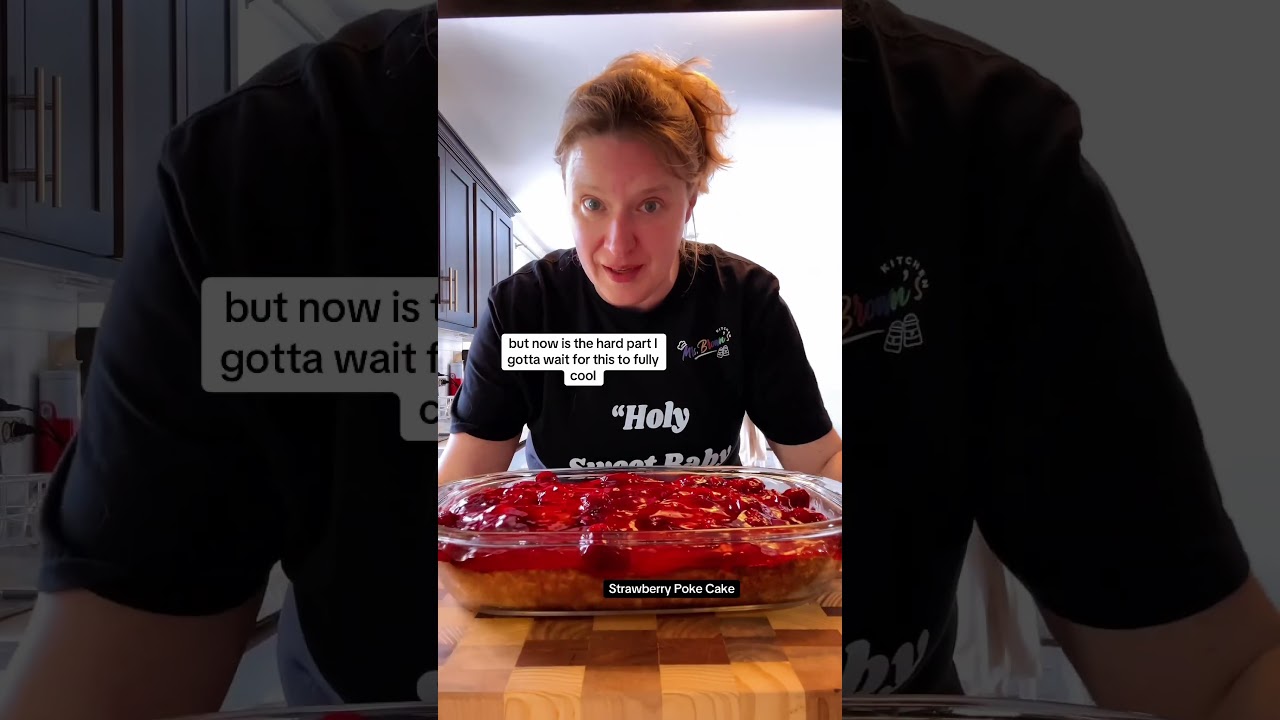
“Strawberry shortcake looks simple. It's three things: cake, cream, berries. And yet most home versions produce a dry crumb, flavorless berries, and cream that slides off the plate in ten minutes. Every one of those failures is preventable. The difference between a forgettable shortcake and one that gets requested every summer comes down to how you treat the strawberries before assembly, how you build the cream, and whether you let the cake cool completely before you touch it.”
Why This Recipe Works
Strawberry shortcake is not complicated. It is three components, and if each one is handled correctly, the assembly is irrelevant — the dish builds itself. The problem is that most recipes treat it as a beginner project and skip the technique entirely. You get a vague cake recipe, berries sliced and dropped raw, and cream from a can. The result tastes exactly like the effort it took.
The Berry Problem
Fresh strawberries placed directly on cake are the most common failure in this dessert, and no one talks about it. Raw berries taste flat, their texture is all wrong against soft cake, and they release moisture at random after plating, turning the cream into pink soup. The fix is maceration, and it takes 30 minutes of doing nothing.
Toss halved strawberries with honey and lemon juice and leave them at room temperature. The honey draws water out of the berries through osmosis — this is basic chemistry — and that water dissolves the honey into a concentrated syrup. Meanwhile, the lemon juice brightens the flavor and slows oxidation so the berries stay vivid red instead of browning at the cut edges. After 30 minutes, you have berries that taste more intensely like strawberries than they did raw, surrounded by a fragrant crimson syrup that soaks into the cake layers on contact. That syrup is flavor that most recipes throw away by straining it. Use every drop.
The Cake Structure
This is a butter cake, not a biscuit shortcake, and it behaves like one. The creaming stage — butter and sugar beaten together for three full minutes — is not decorative. It's the primary leavening mechanism alongside the baking powder. The friction of sugar crystals cutting through softened butter creates thousands of tiny air pockets that expand in the oven, giving the cake its lift and tender crumb. Under-cream the butter and you get a heavy, flat cake. Over-mix after the flour goes in and you develop too much gluten, producing a tough, chewy crumb.
The cooling time is equally non-negotiable. A wire cooling rack is the right tool here — not a plate, not a cutting board. Air needs to circulate under the cake while the internal structure finishes setting. Cut into a warm cake and you compress 22 minutes of careful baking into a gummy, collapsed interior. One hour at room temperature. It is the easiest step in the recipe because it requires nothing from you except patience.
Splitting the cake with a serrated knife in a gentle sawing motion is the last technique most home bakers ignore. A straight-edge knife applied to a soft butter cake compresses the crumb on the downstroke. The serrated edge cuts by slicing, not pressing, which means the layers stay open and airy rather than dense where the blade passed.
The Cream
Standard whipped cream — heavy cream and powdered sugar — is structurally fragile. It starts weeping within 20 minutes of contact with fruit. The Greek yogurt here solves that problem. Folded in after the cream reaches soft peaks, the yogurt's protein structure stabilizes the foam without deflating it, adding a clean tang that cuts through the richness of the cake and plays against the honey-sweet berries. The result tastes more complex than standard chantilly and holds its shape twice as long.
The key is folding, not mixing. Once the cream is whipped, use a rubber spatula and fold from the bottom of the bowl up and over, rotating the bowl a quarter turn with each pass. Stop the moment no streaks of yogurt remain. This is the same motion used for folding egg whites into soufflé — the goal is to incorporate without collapsing. Two minutes of careful folding is worth more than thirty seconds of impatient stirring.
The Assembly Window
Everything can be prepared hours in advance. The cake can be baked the day before. The berries should macerate at least 30 minutes before assembly. The cream holds in the fridge for up to four hours. But once assembled, the window is two hours. After that, the berry juice migrates through the cream layer, the bottom cake absorbs moisture from both directions, and the structural integrity of the whole thing softens past the point of clean serving. Plan the assembly backward from when you want to serve it.
This is the discipline of shortcake: three simple things, executed correctly, served at the right moment.
Where Beginners Mess This Up
Before we start, read this. These are the 4 reasons your classic strawberry shortcake (the technique nobody talks about) will fail:
- 1
Skipping the maceration step: Raw strawberries sliced and placed directly on cake taste flat and watery. Maceration — tossing the berries with honey and lemon juice and letting them sit for 30 minutes — draws out their natural juices through osmosis, concentrating flavor and creating a light syrup that soaks into the cake layers. This is the step that separates a shortcake from a fruit plate on cake.
- 2
Cutting the cake before it's fully cool: The crumb structure of a butter cake is still setting as it cools. Cut into a warm cake and you compress the layers, drag crumbs through the cream, and get a gummy interior. One full hour on a wire rack is not optional. The wire rack matters too — a plate traps steam and softens the bottom crust.
- 3
Overwhipping the cream: Cream whipped past soft peaks becomes grainy and eventually splits. You want the cream to hold its shape when spooned but still have a gentle billow — not stiff peaks that look piped from a bag. Once you fold in the Greek yogurt, the mixture loosens slightly, so pull the cream a little before you think it's ready.
- 4
Assembling too far in advance: The macerated strawberry juice migrates aggressively into the cream layer once assembled. Serve within 2 hours of assembly. You can have every component ready in advance — cake baked, berries macerated, cream folded — and assemble to order.
The Video Reference Library
Want to see it in action? Here are the exact videos we analyzed and combined to build this foolproof recipe translation:
The primary reference video for this recipe, covering the maceration timing, cream consistency, and assembly sequence. Clear visual cues for when the cake is properly baked.
🛠️ Core Equipment
- 9-inch round cake panThe standard size for this recipe. A smaller pan produces a taller, denser cake that takes longer to bake through evenly. A larger pan produces a thin cake that dries out before the center sets.
- Electric hand mixer or stand mixerCreaming butter and sugar by hand for three minutes to achieve the right aeration is exhausting and rarely achieves the same result. The mixer also prevents overworking when incorporating the flour.
- Wire cooling rackAllows air to circulate under the cake so the bottom crust stays crisp while the crumb sets properly. A plate or cutting board traps steam and softens the base.
- Serrated knifeThe only tool that splits a delicate butter cake into even horizontal layers cleanly. A straight-edge knife compresses the crumb. Use a gentle sawing motion — let the blade do the work.
Classic Strawberry Shortcake (The Technique Nobody Talks About)
🛒 Ingredients
- ✦2 cups all-purpose flour
- ✦3 teaspoons baking powder
- ✦1/2 teaspoon fine sea salt
- ✦1/3 cup unsalted butter, softened
- ✦3/4 cup granulated sugar
- ✦1 large egg
- ✦1 teaspoon vanilla extract
- ✦3/4 cup whole milk
- ✦1 1/2 pounds fresh strawberries, hulled
- ✦3 tablespoons honey
- ✦2 tablespoons fresh lemon juice
- ✦1 cup heavy whipping cream
- ✦1/2 cup plain Greek yogurt
- ✦2 tablespoons powdered sugar
- ✦1/2 teaspoon vanilla bean paste
- ✦Fresh mint leaves for garnish
👨🍳 Instructions
01Step 1
Preheat your oven to 375°F and lightly grease a 9-inch round cake pan with butter.
02Step 2
Whisk together the flour, baking powder, and sea salt in a medium bowl until fully combined, about 1 minute.
03Step 3
Cream the softened butter and granulated sugar together with an electric mixer on medium speed for 3 minutes, until light and fluffy.
04Step 4
Beat in the egg until fully incorporated, then add the vanilla extract and mix until smooth.
05Step 5
Alternate adding the flour mixture and whole milk to the butter mixture, beginning and ending with the flour. Mix on low speed until just combined after each addition.
06Step 6
Pour the batter into the prepared cake pan and smooth the surface with a spatula.
07Step 7
Bake for 22 to 26 minutes, until a toothpick inserted in the center comes out clean and the top springs back when lightly touched.
08Step 8
Cool in the pan for 10 minutes, then turn out onto a wire rack to cool completely, about 1 hour.
09Step 9
While the cake cools, halve most of the strawberries and place them in a bowl with the honey and lemon juice. Stir gently to combine and let macerate at room temperature for at least 30 minutes.
10Step 10
Whip the heavy cream with an electric mixer on medium-high speed until soft peaks form, about 2 minutes.
11Step 11
Gently fold the Greek yogurt and powdered sugar into the whipped cream with a rubber spatula until no streaks remain. Stir in the vanilla bean paste.
12Step 12
Using a serrated knife, slice the cooled cake horizontally into two even layers with a gentle sawing motion.
13Step 13
Place the bottom layer on your serving plate. Spread a generous amount of the yogurt cream over the surface, then arrange about one-third of the macerated strawberries and their juices on top.
14Step 14
Set the second cake layer on top. Spread the remaining cream across the top surface and arrange the reserved strawberries decoratively. Garnish with fresh mint leaves and serve within 2 hours.
Nutrition Per Serving
Estimates based on standard preparation. Adjustments alter macros.
🔄 Substitutions
Instead of All-purpose flour...
Use Whole wheat pastry flour
Slightly earthier flavor and marginally denser texture, but still tender. Increases fiber content. Don't use regular whole wheat flour — it's too heavy and will make the cake taste like a muffin.
Instead of Granulated sugar...
Use Coconut sugar (1/2 cup) plus 2 tablespoons maple syrup
Adds subtle caramel undertones and reduces the refined sugar spike. The maple syrup keeps the batter moist since coconut sugar absorbs differently.
Instead of Whole milk...
Use Unsweetened oat milk
Works cleanly in this batter — oat milk has enough fat and body to maintain the crumb structure. Almond milk works too but produces a very slightly lighter cake.
Instead of Unsalted butter (in the cake)...
Use 1/4 cup unsalted butter plus 2 tablespoons coconut oil
Reduces saturated fat while maintaining moisture. The coconut oil adds a subtle richness that plays well with the strawberries.
🧊 Storage & Reheating
In the Fridge
Store assembled cake loosely covered for up to 1 day — the berries will continue to release juice and the layers soften over time, which some people prefer. Store unassembled components separately for up to 2 days.
In the Freezer
The unfrosted cake layer freezes well for up to 1 month, tightly wrapped. Do not freeze assembled shortcake — the cream and berries do not survive the thaw.
Reheating Rules
The cake layers can be brought to room temperature from frozen, wrapped, in about 2 hours. Do not microwave — it turns the crumb rubbery.
❓ Frequently Asked Questions
Why are my strawberries watery and flavorless?
You either skipped the maceration step or used out-of-season berries. Maceration draws out and concentrates the natural sugars through osmosis — 30 minutes minimum. Out-of-season berries from cold storage have lower sugar content and no fix for that except more honey.
Can I use store-bought whipped cream?
You can, but it won't hold. Store-bought aerosol cream collapses within minutes of hitting the cake. The Greek yogurt in this cream is what gives it structural integrity. If you're in a pinch, use store-bought and serve immediately.
My cake sank in the middle. What happened?
Three likely causes: the oven wasn't fully preheated, the baking powder is expired (test it by dropping a teaspoon in hot water — it should bubble aggressively), or the oven door was opened before the 20-minute mark and the structure collapsed. Don't open the oven until you're ready to test doneness.
Can I make this as individual shortcakes instead of a layer cake?
Yes. Scoop the batter into a greased muffin tin and bake at 375°F for 16-18 minutes until a toothpick comes out clean. Split each one horizontally and assemble the same way. Individual portions are easier to serve and visually impressive.
Do I need vanilla bean paste or can I use extract?
Extract works fine. Vanilla bean paste gives you visible flecks and a slightly more complex flavor, but both are valid. Use 1 teaspoon extract as a 1:1 swap.
Can I prep this ahead for a party?
Yes — bake the cake the day before and wrap it tightly once cool. Macerate the strawberries up to 2 hours in advance and refrigerate. Make the cream up to 4 hours in advance and keep chilled. Assemble no more than 2 hours before serving.

The Science of
Classic Strawberry Shortcake (The Technique Nobody Talks About)
We turned everything on this page into a beautiful, flour-proof PDF cheat sheet. Print it out, stick it to your fridge, and never mess up your classic strawberry shortcake (the technique nobody talks about) again.
*We'll email you the high-res PDF instantly. No spam, just perfectly cooked meals.
AlmostChefs Editorial Team
We translate the internet's most popular cooking videos into foolproof, beginner-friendly written recipes. We analyze multiple methods, test them in our kitchen, and engineer a single "Master Recipe" that gives you the best possible result with the least possible stress.