The Ultimate Chicken Noodle Soup (Built From Real Stock, Not Hope)
A deeply savory, herb-infused chicken noodle soup built on properly simmered broth, sautéed aromatics, and noodles cooked separately so they never turn to mush. We analyzed the most common weeknight failures to build one foolproof technique that delivers restaurant-quality comfort food in under 70 minutes.
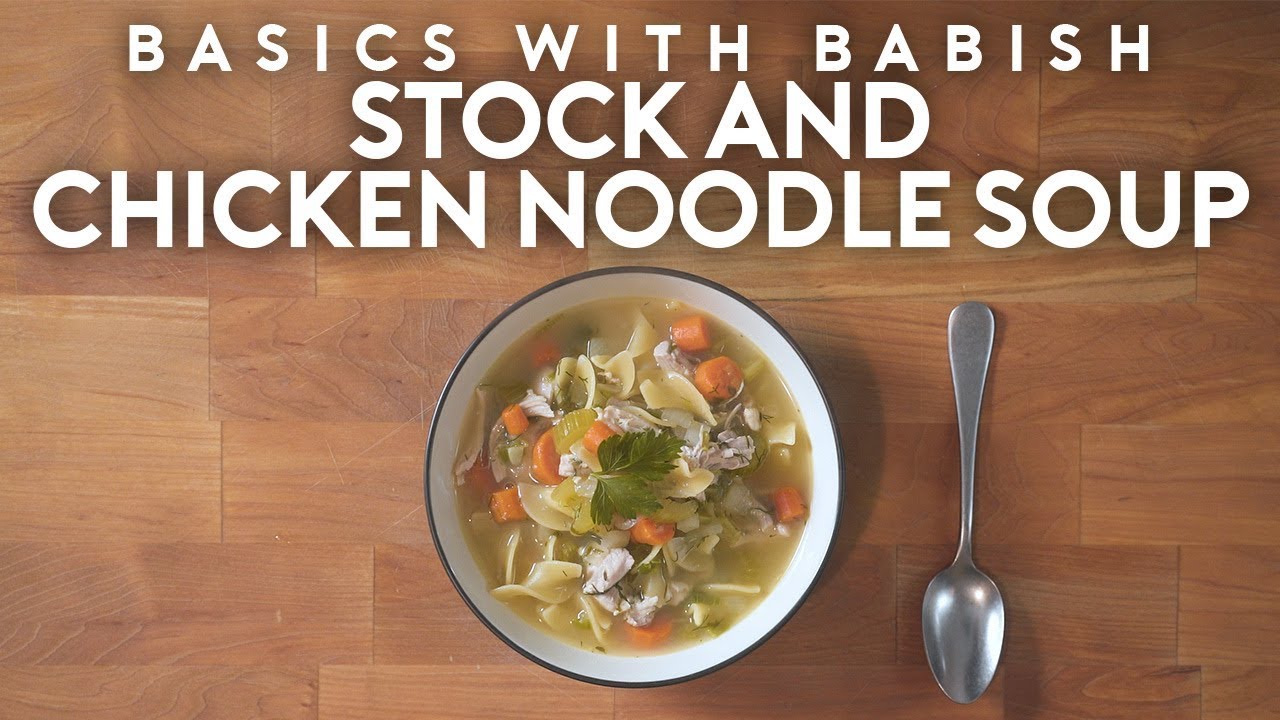
“Most homemade chicken noodle soup is either watery and bland or aggressively salty and overcooked. The difference comes down to three things: whether you sauté your aromatics properly before adding stock, whether you cook your noodles separately, and whether you let the soup rest before serving. We built this recipe around all three fixes.”
Why This Recipe Works
Chicken noodle soup is the most democratic dish in the American kitchen. Everyone's grandmother made it. Everyone has an opinion about it. And almost everyone makes the same three mistakes that turn a potentially transcendent bowl into something forgettable.
The fixes are not complicated. They are structural.
The Sauté Is the Soup
Most weeknight chicken soup recipes start with "add stock and chicken to pot." This is why most weeknight chicken soup tastes like hot water with chicken in it. The mirepoix — onion, carrot, celery — needs to go into hot oil before any liquid touches the pan. Not because of tradition. Because of chemistry.
During those 5-7 minutes of sautéing, two things happen simultaneously. The Maillard reaction begins on the cut surfaces of the vegetables, producing hundreds of new flavor compounds that simply do not exist in raw produce. And the cellular walls of the vegetables rupture, releasing their aromatic compounds into the fat — which then distributes them evenly through every cup of broth you add afterward. You cannot replicate this by simmering raw vegetables in stock for an hour. The chemistry is different. The flavor is different.
The garlic goes in last, for 60 seconds only, because it burns faster than everything else and burnt garlic is a one-way door to bitter soup.
The Noodle Problem
Egg noodles cooked directly in chicken broth absorb liquid aggressively and release starch into the surrounding broth. After 10 minutes in the pot, you no longer have clear, clean soup — you have a cloudy, thickened stew with swollen noodles that will continue expanding until they've drunk half your broth and turned to paste. The solution is obvious once you've experienced the problem: a separate pot, salted boiling water, al dente timing, and noodles added only at the very end.
This also matters for storage. Soup stored with cooked noodles overnight becomes a single solid mass by morning. Store them separately and you have two intact components that combine perfectly when reheated.
Skimming Is Not Optional
The gray foam that rises to the surface in the first few minutes of boiling is coagulated albumin — water-soluble proteins that denature and rise as the temperature climbs. It won't make you sick. But it clouds your broth and contributes a slightly metallic, muddy flavor that sophisticated tasters will notice even if they can't name it. Two minutes with a slotted spoon removes it entirely. This is the easiest, most overlooked technique in soup cookery.
The Shred Decision
Boneless chicken thighs and breasts poached directly in the broth contribute collagen, fat, and flavor compounds to the liquid as they cook. By the time they're done, the broth has absorbed something from the meat and the meat has absorbed something from the broth. This is the exchange that makes poached soup chicken taste fundamentally different from grilled chicken dropped into stock.
Shredding versus chopping matters too. Shredded chicken exposes more surface area, which means more broth contact in every bite. Chopped chicken gives you discrete pieces. Shredded chicken becomes part of the soup.
Rest, Then Serve
The ten-minute rest off heat before serving is the easiest thing in this recipe and the most frequently skipped. Soup served immediately from a boil tastes sharp — the individual flavors haven't unified yet. Ten minutes of residual heat allows the seasoning to equilibrate through every component, the noodles to absorb just enough broth to taste integrated rather than added, and the temperature to drop to a level where you can actually taste what you're eating. Serve it too hot and your palate can't distinguish anything.
This is not a complicated dish. It is a disciplined one. The discipline is what separates a soup worth making again from one you'll forget by next week.
Where Beginners Mess This Up
Before we start, read this. These are the 4 reasons your the ultimate chicken noodle soup (built from real stock, not hope) will fail:
- 1
Dumping everything in raw: Adding raw onions, carrots, and celery directly to cold stock produces a flat, one-dimensional broth. The sauté step isn't optional — it drives off moisture, concentrates sugars, and builds the Maillard-reaction base that makes the broth taste like it simmered all day.
- 2
Cooking the noodles in the soup: Egg noodles cooked directly in the broth absorb enormous amounts of liquid and release starch, turning your clean broth into cloudy paste and your noodles into bloated tubes. Cook them separately, drain them, and add them at the end. This is non-negotiable.
- 3
Skimming nothing, seasoning nothing: The gray foam that rises in the first few minutes of boiling is coagulated protein and impurities. Skimming it takes two minutes and is the difference between a clear, clean broth and a murky one. Season in layers — at the sauté, again after the chicken cooks, and again at the finish.
- 4
Serving immediately without resting: Ten minutes of rest off the heat allows the flavors to meld and the temperature to equalize. Soup served straight from a rolling boil tastes sharp and disjointed. Rest it. It's worth the wait.
The Video Reference Library
Want to see it in action? Here are the exact videos we analyzed and combined to build this foolproof recipe translation:
The primary video reference for this recipe. Strong focus on the sauté base and the importance of building flavor before the stock ever hits the pot.
🛠️ Core Equipment
- Large Dutch oven or heavy-bottomed potEven heat distribution is critical for proper sautéing without scorching. A thin pot will hot-spot under your aromatics and turn the garlic bitter before the onions are done. A [Dutch oven](/kitchen-gear/review/dutch-oven) is the workhorse this recipe was designed for.
- Separate pasta potYou need a second pot for the noodles — full stop. Cooking pasta in the soup ruins both. Salted, rapidly boiling water gives you controlled al dente texture that holds up when you add it to the broth.
- Slotted spoonFor skimming the foam in the first few minutes of simmering. This is a small step that makes a visible difference in broth clarity and flavor cleanliness.
- Two forks or a sharp knifeFor shredding the chicken after poaching. Shredded chicken distributes through every bowl more evenly than chopped chunks and absorbs more of the broth's flavor on its surface area.
The Ultimate Chicken Noodle Soup (Built From Real Stock, Not Hope)
🛒 Ingredients
- ✦2.5 pounds boneless, skinless chicken thighs and breasts
- ✦10 cups chicken or vegetable stock
- ✦3 cups water
- ✦2 medium yellow onions, finely diced
- ✦3 medium carrots, sliced into thin rounds
- ✦3 stalks celery, chopped into small pieces
- ✦4 cloves garlic, minced
- ✦2 cups dry egg noodles or small pasta shapes
- ✦2 bay leaves
- ✦1.5 teaspoons fresh thyme leaves (or 0.5 teaspoon dried)
- ✦2 tablespoons fresh flat-leaf parsley, chopped
- ✦1.5 tablespoons olive oil
- ✦1 teaspoon sea salt, plus more to taste
- ✦0.5 teaspoon freshly cracked black pepper, plus more to taste
👨🍳 Instructions
01Step 1
Heat olive oil in a large Dutch oven or heavy-bottomed pot over medium-high heat until shimmering, about 1 minute.
02Step 2
Add diced onions, carrots, and celery to the hot oil and sauté until the vegetables begin to soften and the onions turn translucent, approximately 5-7 minutes.
03Step 3
Stir in minced garlic and cook for another 60 seconds until fragrant, stirring frequently to prevent burning.
04Step 4
Place chicken pieces directly into the pot with the sautéed vegetables, then pour in the stock and water until the chicken is fully submerged.
05Step 5
Add bay leaves and dried thyme (if using fresh thyme, reserve it for the end), then bring the mixture to a gentle boil over medium-high heat.
06Step 6
Once boiling, reduce heat to medium-low and skim away any gray foam that rises to the surface using a slotted spoon, about 2-3 minutes.
07Step 7
Simmer the chicken and broth uncovered for 25-30 minutes until the chicken is cooked through and no longer pink at the thickest part.
08Step 8
Carefully remove the cooked chicken pieces with tongs and place them on a cutting board. Set aside to cool slightly, about 5 minutes.
09Step 9
While the chicken cools, bring a separate pot of well-salted water to a rolling boil and cook the egg noodles according to package directions until al dente. Drain and set aside.
10Step 10
Shred or cut the cooled chicken into bite-sized pieces using two forks or a sharp knife.
11Step 11
Return the shredded chicken to the simmering broth and stir gently to combine.
12Step 12
Taste the soup and season with additional salt and pepper as needed, adjusting gradually in 0.25 teaspoon increments.
13Step 13
Add the cooked noodles to the pot along with fresh thyme and chopped parsley, stirring gently to distribute evenly throughout.
14Step 14
Remove from heat and let the soup rest undisturbed for 10 minutes, allowing the flavors to meld.
15Step 15
Ladle the soup into bowls and serve hot. Offer extra fresh herbs or crushed black pepper at the table.
Nutrition Per Serving
Estimates based on standard preparation. Adjustments alter macros.
🔄 Substitutions
Instead of Boneless chicken thighs and breasts...
Use 1 whole 4-pound chicken, cut into pieces
Produces a richer, more collagen-heavy broth with silkier mouthfeel. Cooking time increases to 35-40 minutes. Worth it if you have the time — whole bird broth is meaningfully better.
Instead of Egg noodles...
Use Whole wheat pasta or chickpea-based pasta
Nuttier flavor, firmer texture, and better nutritional profile. Holds up slightly better when stored in the soup overnight. Cook according to package directions — al dente means al dente.
Instead of 10 cups chicken stock...
Use 8 cups low-sodium chicken stock plus 2 cups unsalted vegetable broth
Reduces sodium by 30-40% while maintaining depth. Useful if you're watching sodium or if your stock is already quite salty. Season more carefully at the end.
Instead of Fresh thyme and parsley...
Use Fresh dill and chives
Produces a brighter, more Eastern European flavor profile. Dill is traditional in many classic chicken soup variations. Use the same quantities.
🧊 Storage & Reheating
In the Fridge
Store soup and noodles separately if possible — the noodles will continue absorbing liquid overnight. Combined, store in an airtight container for up to 3 days.
In the Freezer
Freeze the soup base (without noodles) for up to 3 months. Thaw overnight in the fridge and cook fresh noodles when reheating. Noodles do not freeze well.
Reheating Rules
Reheat gently over medium-low heat, adding a splash of stock or water to compensate for overnight noodle absorption. Avoid boiling — it toughens the chicken and muddies the broth.
❓ Frequently Asked Questions
Why is my chicken noodle soup broth watery and tasteless?
You almost certainly skipped or rushed the sauté step. Raw vegetables dumped into stock produce flat, one-note broth. The 5-7 minutes of sautéing builds the flavor foundation for everything else. Also check your stock — if it's weak to begin with, the soup will be weak. Reduce it by a cup before adding the chicken if needed.
Can I use rotisserie chicken instead of poaching raw chicken?
Yes, with adjustments. Skip the poaching step entirely. Sauté aromatics, add stock, simmer for 15 minutes to develop the broth, then add shredded rotisserie chicken at the end with the noodles. You lose some of the depth that comes from poaching raw chicken in the broth, but you cut 30 minutes off the cook time.
Why did my noodles get mushy?
Two possible causes: you cooked them in the soup instead of separately, or you added them too early and let them sit in the hot broth too long. Always cook noodles separately, and add them right before serving. If you're meal-prepping, store noodles separate from the broth and combine only when reheating.
Can I make this in a slow cooker?
Yes. Sauté the aromatics in a pan first — do not skip this step even for slow cooker versions. Transfer everything except the noodles to the slow cooker and cook on low for 6-7 hours or high for 3-4. Remove chicken, shred, return to pot, cook noodles separately, combine before serving.
How do I get a clearer broth?
Three things: skim the foam in the first 2-3 minutes of boiling, maintain a gentle simmer rather than a hard boil (vigorous boiling emulsifies fat into the broth and clouds it), and cook noodles separately. A gently simmered, properly skimmed soup will produce a noticeably cleaner, more jewel-like broth.
Can I add more vegetables?
Absolutely. Parsnips and leeks are classic additions that deepen the broth considerably. Add them with the mirepoix. Avoid starchy vegetables like potatoes unless you want a heartier, thicker soup — they absorb liquid and change the character of the broth significantly.
The Science of
The Ultimate Chicken Noodle Soup (Built From Real Stock, Not Hope)
We turned everything on this page into a beautiful, flour-proof PDF cheat sheet. Print it out, stick it to your fridge, and never mess up your the ultimate chicken noodle soup (built from real stock, not hope) again.
*We'll email you the high-res PDF instantly. No spam, just perfectly cooked meals.
AlmostChefs Editorial Team
We translate the internet's most popular cooking videos into foolproof, beginner-friendly written recipes. We analyze multiple methods, test them in our kitchen, and engineer a single "Master Recipe" that gives you the best possible result with the least possible stress.