Creamy Steel Cut Oats (The One Bowl That Actually Keeps You Full)
Steel cut oats cooked low and slow with almond milk, warm spices, and layered with nuts, seeds, and fresh fruit. We broke down exactly why steel cut beats rolled oats for satiety, blood sugar, and texture — and built the technique that gets it right every time.
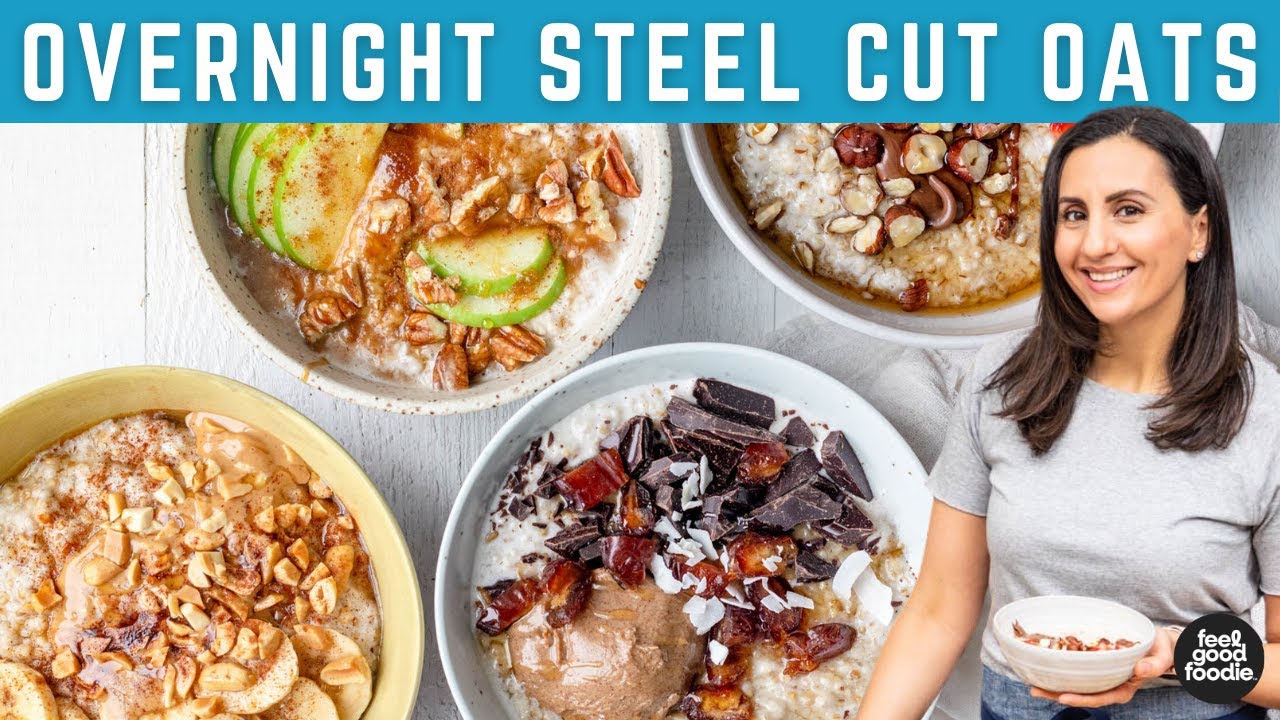
“Rolled oats are what happens when convenience wins over results. Steel cut oats — whole oat groats that have been chopped, not flattened — deliver a completely different eating experience: chewy, nutty, and genuinely filling in a way that keeps you going until noon. Most people undercook them, rush the process, or drown the bowl in sugar and undo every nutritional advantage. This method fixes all three.”
Why This Recipe Works
Steel cut oats are not a compromise. They are not the inconvenient version of the thing you actually want. They are a fundamentally different food — one that happens to share a genus with the beige powder in instant oat packets, the way a whole chicken shares a genus with processed deli meat. The processing gap between steel cut and instant is wide enough to produce completely different metabolic and textural outcomes. That distinction is worth understanding before you decide 30 minutes is too long to wait.
The Processing Problem
An oat groat is a whole grain: the bran, germ, and endosperm all intact. Steel cut oats are those groats chopped into two or three pieces with — predictably — steel blades. That's the entire operation. Rolled oats are steamed first to partially gelatinize the starch, then crushed flat by rollers, which dramatically accelerates both cooking and digestion. Instant oats push that process further: cooked, dried, and rolled so thin they reconstitute in hot water in under two minutes.
Each step away from the whole grain increases the speed at which your body converts the starch to blood glucose. Steel cut oats have a glycemic index of roughly 55. Instant oats land closer to 83. For context, white bread sits around 75. If you're eating instant oats under the impression you're making a blood-sugar-conscious choice, the data does not support that impression.
Why the Liquid Ratio Matters
Four cups of almond milk plus one cup of water to one cup of oats sounds like a lot. It is a lot. Steel cut oats absorb dramatically more liquid than rolled oats because each grain is denser and takes longer to hydrate from the inside out. The extra liquid is not excess — it's the buffer that keeps the oats from seizing into a paste before the interior of each grain has finished cooking.
Using a heavy-bottomed saucepan is the structural decision that makes this liquid ratio work. Thin pans concentrate heat at the bottom, where the liquid evaporates rapidly and the oat starch scorches before the top of the pot even registers the change. A thick pan distributes heat across the entire surface, slowing evaporation and giving you a consistent simmer from edge to edge.
The Topping Architecture
Every topping in this recipe has a functional role beyond nutrition. The sliced banana provides natural sweetness that reduces or eliminates the need for added sweetener — one medium ripe banana contains about 14g of natural sugar, already divided across four bowls. The chopped almonds and walnuts deliver fat and protein that slow gastric emptying, which is the mechanism behind the "keeps you full until noon" claim. Fat in the stomach signals the pyloric valve to throttle the release of food into the small intestine, flattening the post-meal blood sugar curve.
Ground flaxseed adds soluble fiber that feeds gut bacteria — specifically the Bifidobacterium strains associated with reduced systemic inflammation markers. Chia seeds provide the same benefit plus additional omega-3 fatty acids. Neither ingredient is there for aesthetics. Both can be skipped if you don't have them, but the nutritional case for including them is strong.
The Greek yogurt dollop is the optional upgrade that justifies the "one bowl" premise. It adds roughly 4-5 grams of protein per serving, contributes live cultures that support gut microbiome diversity, and creates a temperature contrast — cold against warm — that makes each bite more interesting than uniform heat. Add it at the very end, never stirred in during cooking, or you lose all three of those benefits.
The Real Argument for Steel Cut
Thirty minutes is the honest cost of this recipe. If that sounds like a barrier, consider the overnight soak: cover the raw oats in water before bed, drain in the morning, and your active cook time drops to ten minutes. The texture is nearly identical. The nutrition is unchanged.
The case for steel cut is not complexity. It's that the simplest version of this food — whole grain, slow cooked, properly timed — outperforms the processed alternative on every metric that matters. That's a rare situation in cooking. When it exists, the right move is to pay attention to it.
Where Beginners Mess This Up
Before we start, read this. These are the 4 reasons your creamy steel cut oats (the one bowl that actually keeps you full) will fail:
- 1
Cooking on too-high heat: Steel cut oats need a sustained low simmer, not an aggressive boil. High heat scorches the bottom of the pot before the interior of each grain has softened. You end up with burnt-tasting oats on the outside and an undercooked, gummy center. Bring to a boil, then immediately drop the heat and stay patient.
- 2
Not stirring at regular intervals: Oats release starch as they cook, and that starch wants to stick to the bottom of the pot. Stir every 5 minutes — not constantly, which breaks down the grains too aggressively, but consistently enough to prevent scorching. Set a timer so you don't forget.
- 3
Skipping the rest period: Two minutes off heat before serving is not optional. The oats continue absorbing residual liquid during that window. Serve immediately and the bowl will look watery and thin. Rest it and the consistency tightens into that signature thick, creamy texture.
- 4
Burying the toppings into the hot oats: Fresh fruit, nuts, and seeds go on top at serving — not stirred in while the oats are still on heat. Heat wilts berries, softens nuts, and deactivates the crunch of seeds. You're paying for texture contrast. Don't cook it away.
The Video Reference Library
Want to see it in action? Here are the exact videos we analyzed and combined to build this foolproof recipe translation:
The primary method reference. Clear walkthrough of the low-simmer technique, timing, and how to read doneness without guessing.
🛠️ Core Equipment
- Heavy-bottomed saucepanEven heat distribution is the whole game with steel cut oats. A thin pan creates hot spots that scorch the bottom while the rest of the pot simmers unevenly. Stainless steel or enameled cast iron are ideal.
- Wooden spoon or silicone spatulaMetal utensils scratch heavy-bottomed pans and cut oat grains more aggressively than you want. A wooden spoon stirs gently and reaches the edges of the pot cleanly.
- Fine-mesh sieveIf you soak the oats overnight to cut cook time in half, you'll need to drain them before cooking. A sieve handles this without letting grains slip through.
Creamy Steel Cut Oats (The One Bowl That Actually Keeps You Full)
🛒 Ingredients
- ✦1 cup steel cut oats
- ✦4 cups unsweetened almond milk
- ✦1 cup filtered water
- ✦1 teaspoon pure vanilla extract
- ✦1 teaspoon ground cinnamon
- ✦1/4 teaspoon ground nutmeg
- ✦1/4 teaspoon sea salt
- ✦2 tablespoons raw almonds, chopped
- ✦2 tablespoons raw walnuts, chopped
- ✦2 tablespoons ground flaxseed
- ✦1 tablespoon raw pumpkin seeds
- ✦1 tablespoon unsalted butter or coconut oil
- ✦2 medium ripe bananas, sliced
- ✦1/2 cup fresh blueberries
- ✦2 tablespoons raw honey or pure maple syrup
- ✦1/4 cup plain Greek yogurt, optional
- ✦1 tablespoon chia seeds
👨🍳 Instructions
01Step 1
Combine steel cut oats, almond milk, filtered water, and sea salt in a large heavy-bottomed saucepan over medium-high heat.
02Step 2
Bring the mixture to a rolling boil, stirring frequently to prevent sticking, about 3 to 4 minutes.
03Step 3
Reduce heat to low and add the vanilla extract, ground cinnamon, and nutmeg, stirring to distribute the spices evenly throughout.
04Step 4
Simmer uncovered for 25 to 30 minutes, stirring every 5 minutes to prevent the bottom from scorching and to encourage even cooking.
05Step 5
Continue cooking until the oats have absorbed most of the liquid and reached a creamy consistency with a slight chew. Taste a grain to verify doneness — it should be tender but still have a faint toothy resistance.
06Step 6
Remove from heat and let the oats rest for 2 minutes to allow any remaining liquid to be fully absorbed.
07Step 7
Divide the cooked oatmeal among four serving bowls, distributing evenly.
08Step 8
Top each bowl with sliced banana, fresh blueberries, chopped almonds, chopped walnuts, and ground flaxseed.
09Step 9
Sprinkle chia seeds and pumpkin seeds over the toppings.
10Step 10
Drizzle with honey or maple syrup according to preference, about 1/2 tablespoon per serving.
11Step 11
Add a dollop of Greek yogurt to each bowl if desired for extra protein and creaminess.
12Step 12
Serve immediately while the oatmeal is still warm and the toppings are fresh.
Nutrition Per Serving
Estimates based on standard preparation. Adjustments alter macros.
🔄 Substitutions
Instead of Unsweetened almond milk...
Use Oat milk or coconut milk
Oat milk creates a noticeably smoother mouthfeel and adds slight natural sweetness. Coconut milk adds richness and healthy medium-chain fats but brings a subtle tropical flavor that pairs well with the banana and nutmeg.
Instead of Honey or maple syrup...
Use Mashed ripe banana or unsweetened applesauce
Eliminates added sugars entirely while providing natural sweetness and additional fiber. Mash half a banana directly into the pot at the end of cooking. Sweetness is milder — lean on ripe fruit toppings to compensate.
Instead of Unsalted butter...
Use Ghee or extra virgin coconut oil
Ghee adds a pronounced nutty flavor and contains butyrate, a short-chain fatty acid that supports gut lining health. Coconut oil is neutral in flavor and contributes medium-chain triglycerides for sustained energy.
Instead of Fresh blueberries...
Use Fresh raspberries or blackberries
Lower sugar content per serving with nearly identical antioxidant profiles. Raspberries add a pleasant tartness that contrasts the warm spice notes. Frozen berries work in a pinch — thaw them briefly so they don't chill the whole bowl.
🧊 Storage & Reheating
In the Fridge
Store cooked oats in an airtight container for up to 5 days. They thicken significantly when cold — this is normal.
In the Freezer
Freeze in individual portions for up to 3 months. Silicone muffin molds are ideal for portioning before freezing.
Reheating Rules
Add 2-3 tablespoons of almond milk per serving, cover, and reheat on low heat for 3-4 minutes, stirring once. Microwave works but tends to dry out the edges — if using, cover with a damp paper towel and heat in 60-second intervals, stirring between each.
❓ Frequently Asked Questions
Why are my steel cut oats still chewy after 30 minutes?
Two likely causes: the heat was too low, or the oat-to-liquid ratio was off. Steel cut oats need a consistent, active simmer — not a barely-there bubble. Check that you're using the full 4 cups of almond milk plus 1 cup of water. If the oats are still underdone at 30 minutes, add 1/4 cup of water, cover, and continue cooking for another 5 minutes.
Can I make steel cut oats in a slow cooker overnight?
Yes. Combine 1 cup oats with 4 cups liquid in a slow cooker, set on low, and cook for 7-8 hours. The texture will be slightly softer than stovetop but still far superior to rolled oats. Add toppings in the morning.
Are steel cut oats actually gluten-free?
Oats are naturally gluten-free, but most commercial oats are processed in facilities that also handle wheat, barley, and rye — cross-contamination risk is high. If you're celiac or severely gluten-sensitive, look for oats explicitly labeled 'certified gluten-free,' which means they were grown and processed in dedicated facilities.
What's the difference between steel cut, rolled, and instant oats?
Steel cut oats are whole oat groats chopped with steel blades — minimal processing, dense texture, longer cook time. Rolled oats are steamed and flattened, which partially breaks down the starch structure — faster cooking, softer texture, higher glycemic index. Instant oats are pre-cooked, dried, and rolled ultra-thin — they rehydrate in minutes but spike blood sugar faster and have almost no textural interest.
How do I keep steel cut oats from getting gluey?
Stirring too vigorously or too frequently breaks down the grains and releases excess starch, which causes glueyness. Stir every 5 minutes with a gentle folding motion rather than aggressive scraping. Also ensure you're simmering, not boiling — sustained high heat agitates the starches more than necessary.
Can I prep a large batch for the whole week?
Absolutely — this is one of the best meal prep breakfasts available. Cook a full batch on Sunday, divide into four containers, and refrigerate. Each morning, portion into a bowl with a splash of milk and reheat. Add fresh toppings after heating, not before storage, to preserve texture.
The Science of
Creamy Steel Cut Oats (The One Bowl That Actually Keeps You Full)
We turned everything on this page into a beautiful, flour-proof PDF cheat sheet. Print it out, stick it to your fridge, and never mess up your creamy steel cut oats (the one bowl that actually keeps you full) again.
*We'll email you the high-res PDF instantly. No spam, just perfectly cooked meals.
AlmostChefs Editorial Team
We translate the internet's most popular cooking videos into foolproof, beginner-friendly written recipes. We analyze multiple methods, test them in our kitchen, and engineer a single "Master Recipe" that gives you the best possible result with the least possible stress.